

Pond Supplies










Guide & FAQ
How to choose the right pond supplies
- 4 min overview
- Types, sizing & power
- 5 common questions
Why pond owners buy these supplies
Most pond equipment is bought to fix one of four practical problems: water that will not move on its own, debris and sludge building up on the bottom, cloudy or discolored water, or a new pond that needs every part to fit together from the start.
Stagnant water can develop low-oxygen areas, especially in warm weather, which affects fish and beneficial bacteria. Circulation and aeration help here, so compare our pond aerators if oxygen is the main concern.
Debris and organic waste are a separate job. Skimmers and solids-handling pumps catch what is floating, filtration strains what is suspended, and bacteria treatments work on material that has already settled.
The main types of pond supplies
PondHaven carries four groups, and most ponds use at least two of them together.
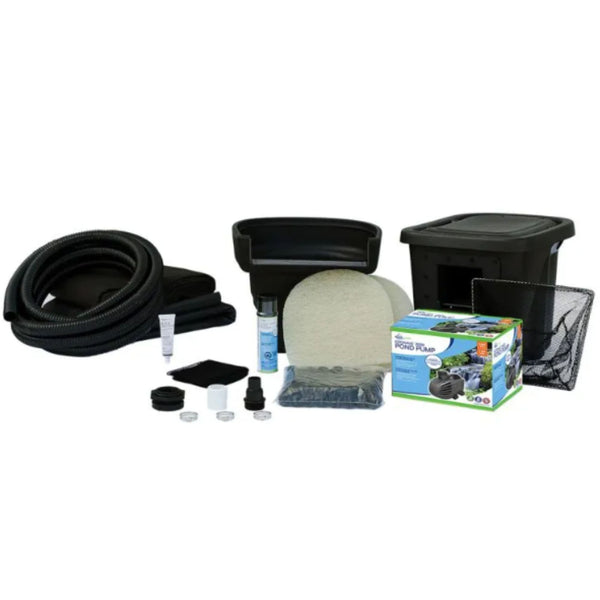
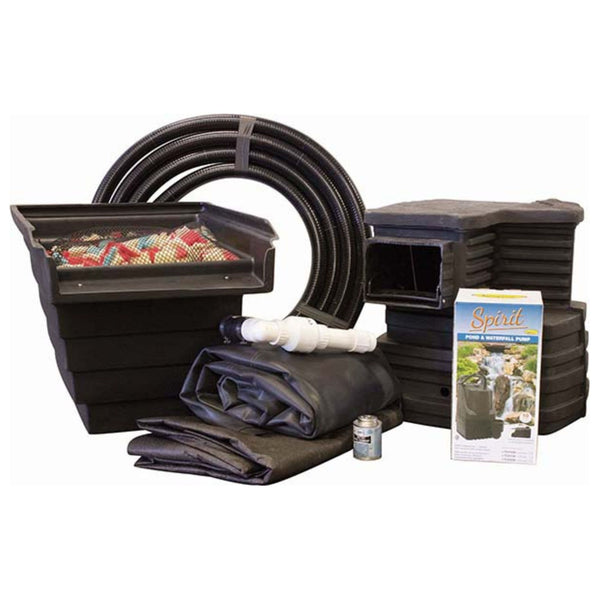
Pond kits
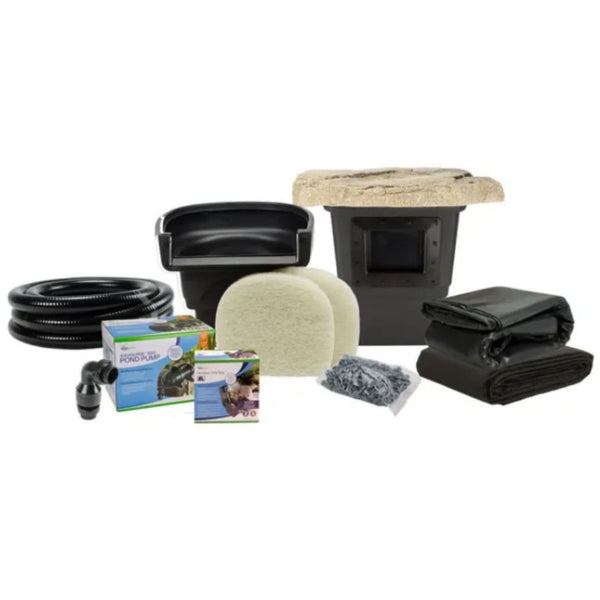
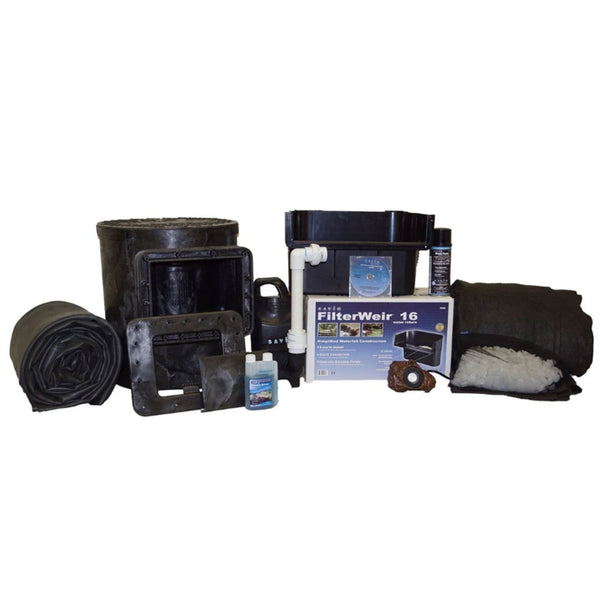
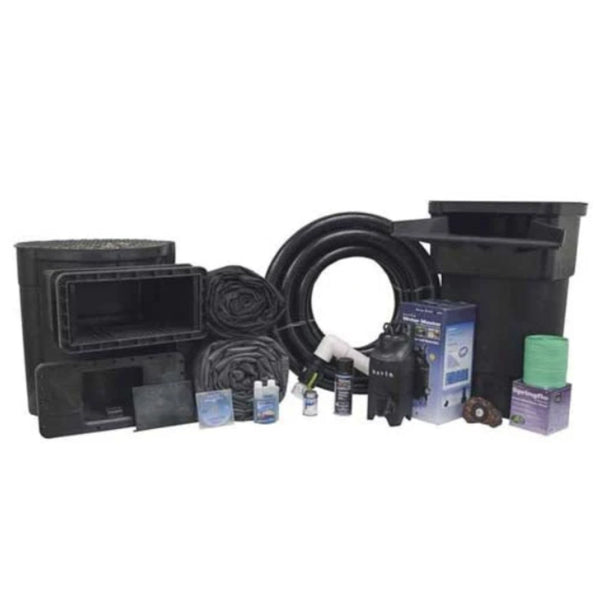
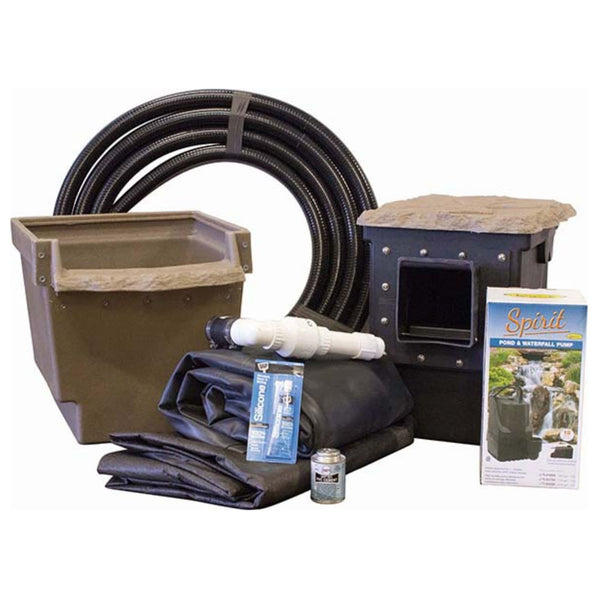
A kit bundles the parts of a build that have to match each other: liner, underlayment, skimmer, waterfall box, tubing, and pump. Choose a kit when you are building a new pond and would rather not size and match every component yourself. Sizes run from small backyard ponds up to large and recreational builds, including Aquascape kits from 8'x11' to 21'x26' and recreational models at 9'x20' and 19x24.
Pond pumps
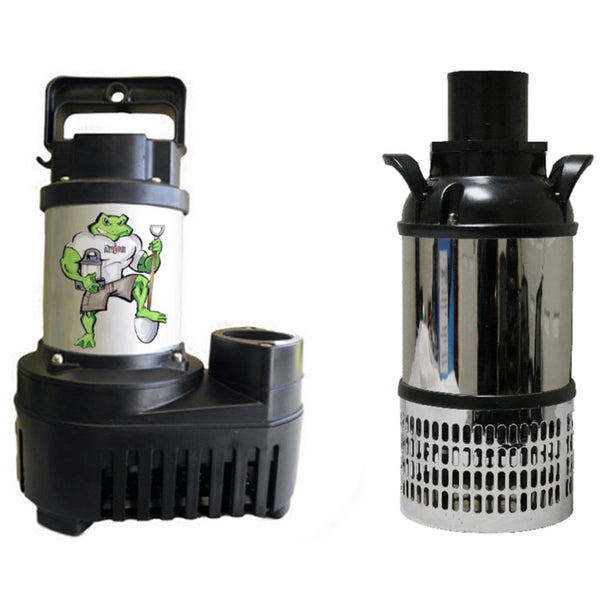
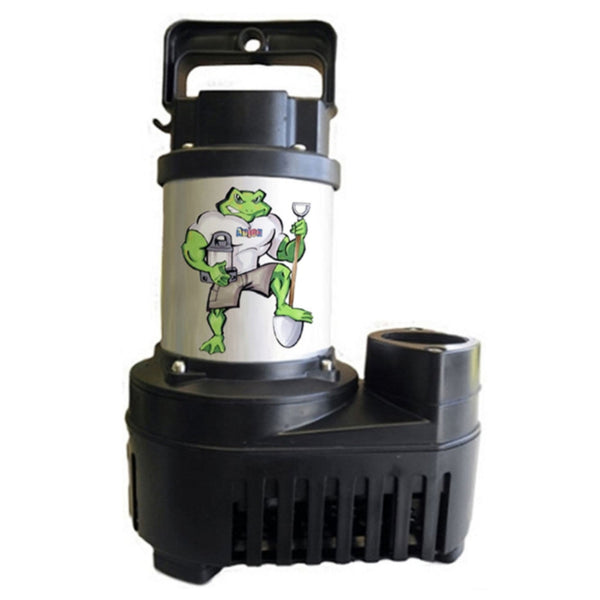
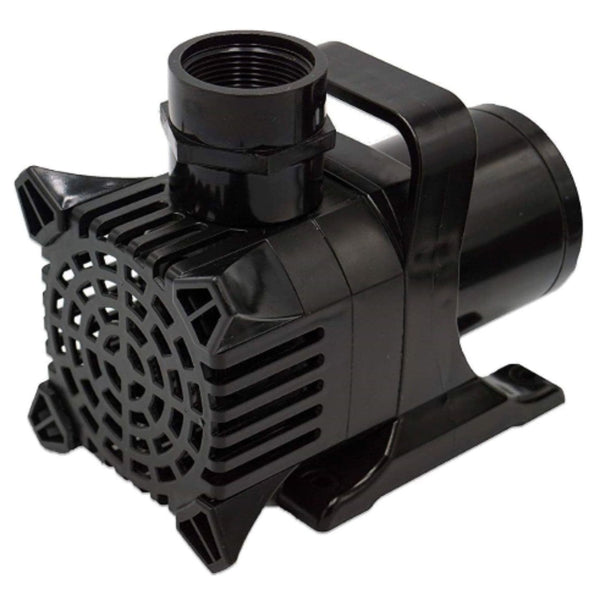
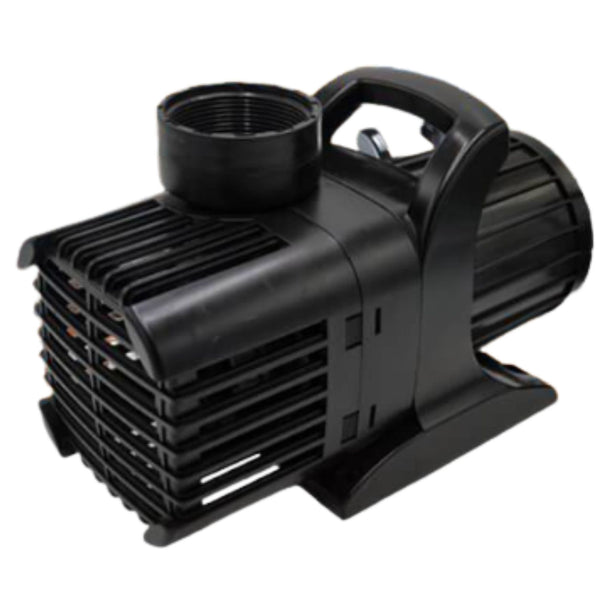
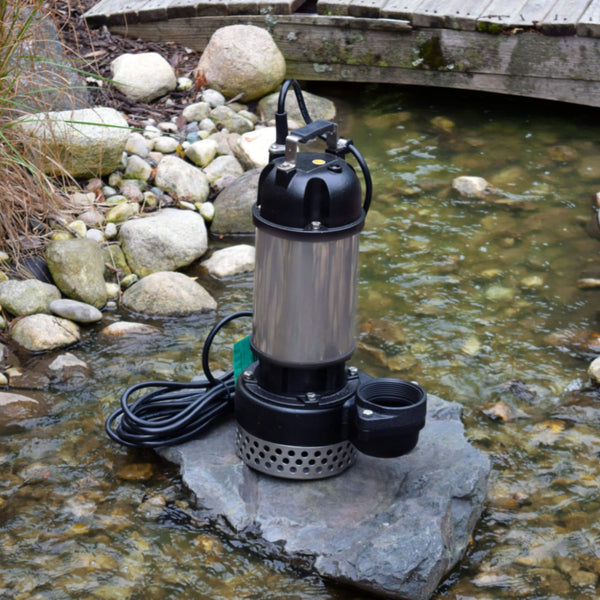
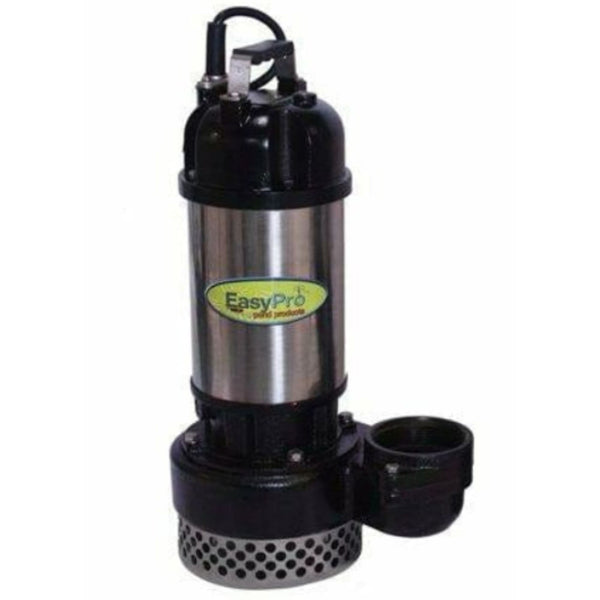
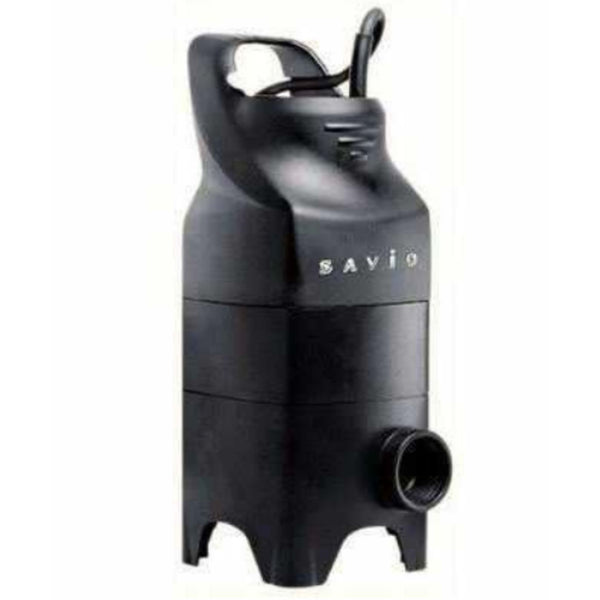
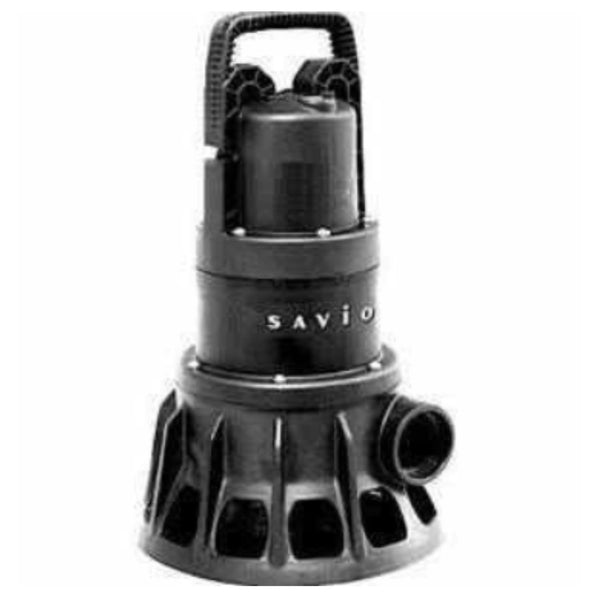
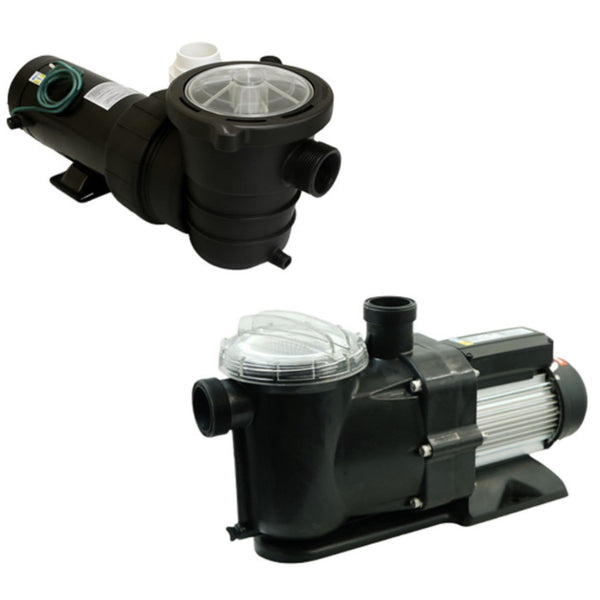
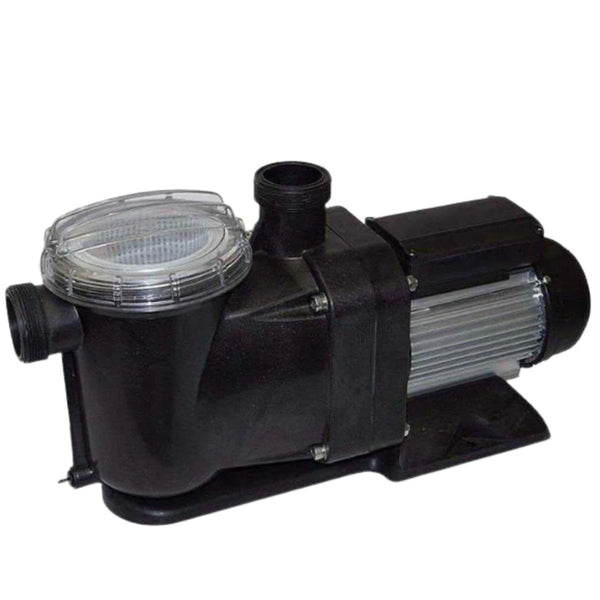
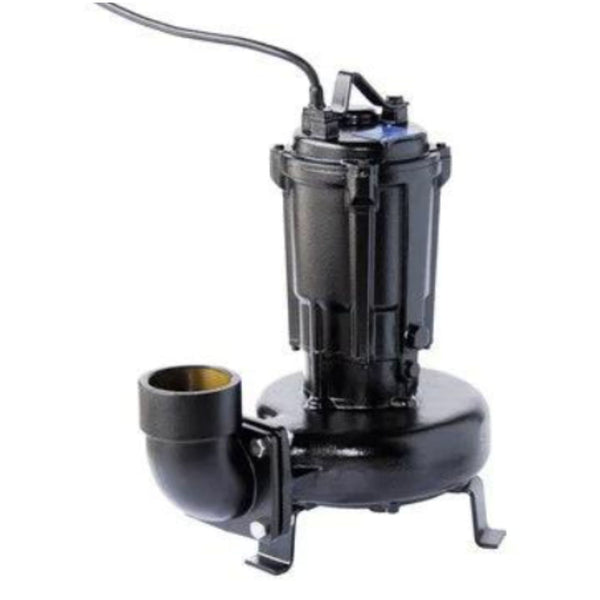
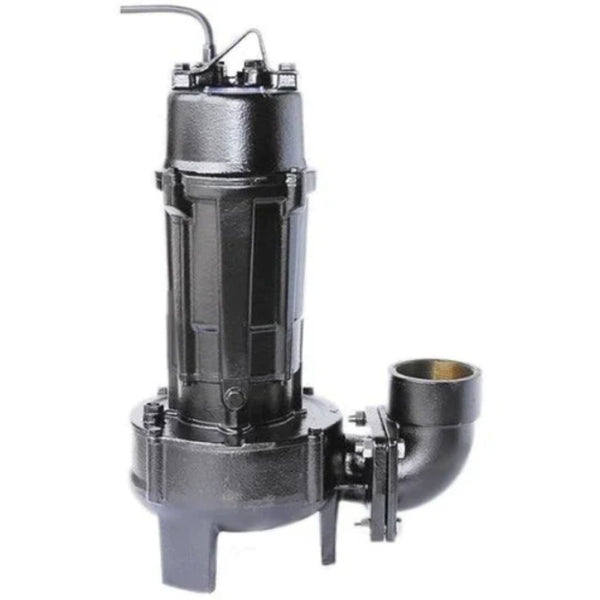
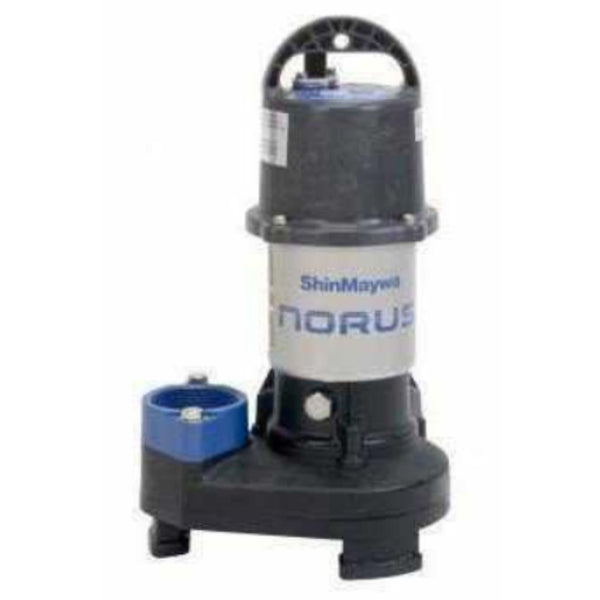
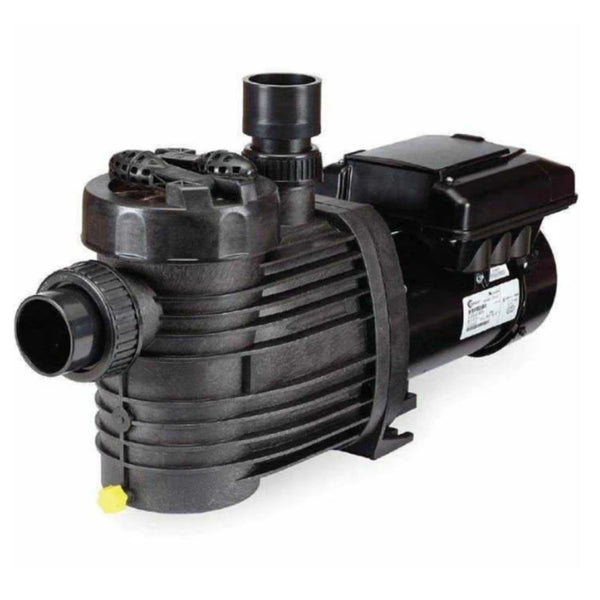
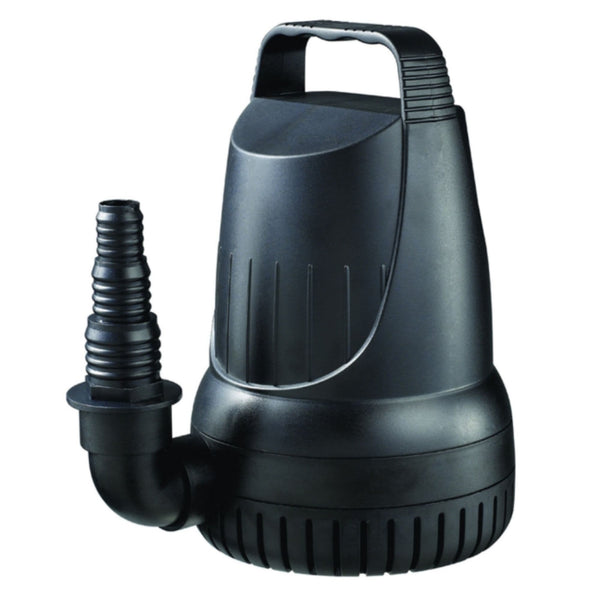
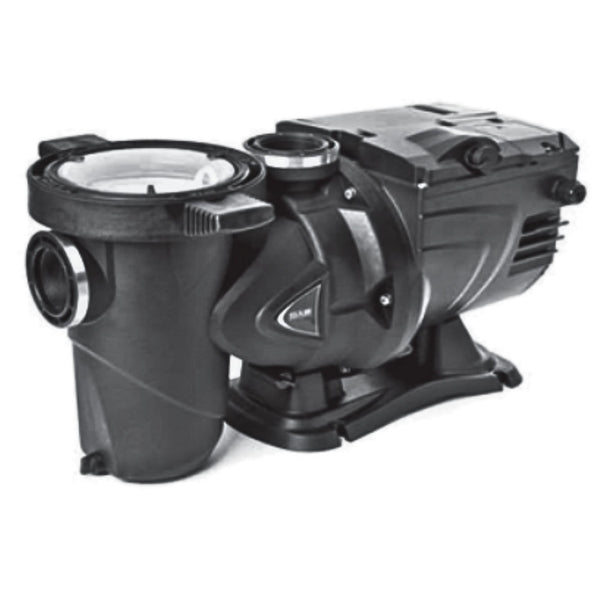
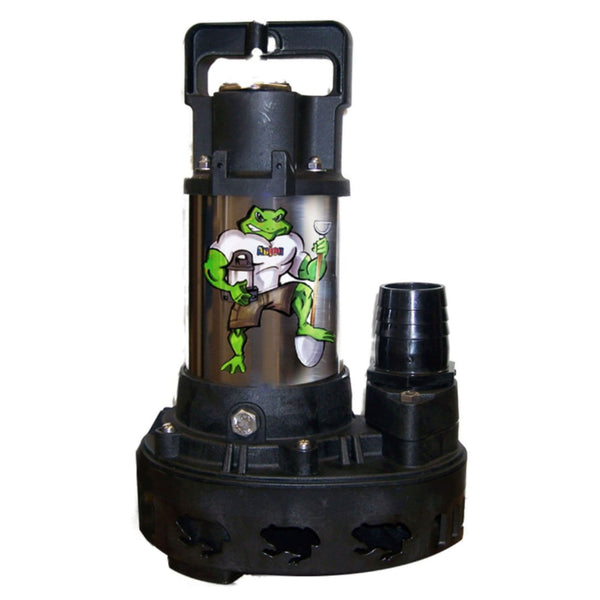
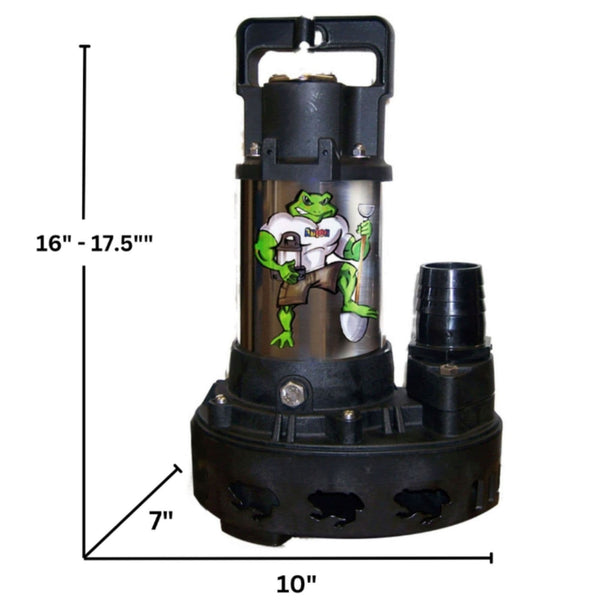
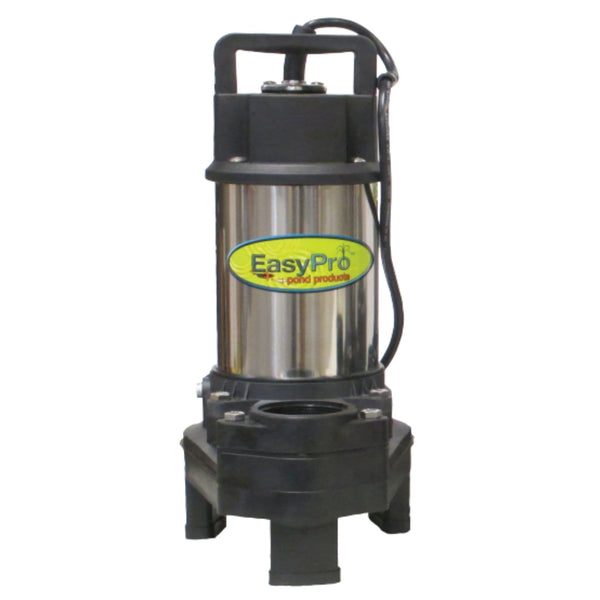
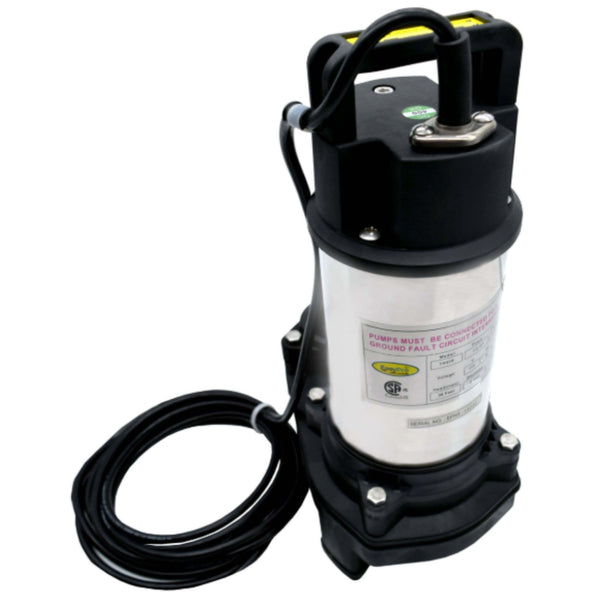
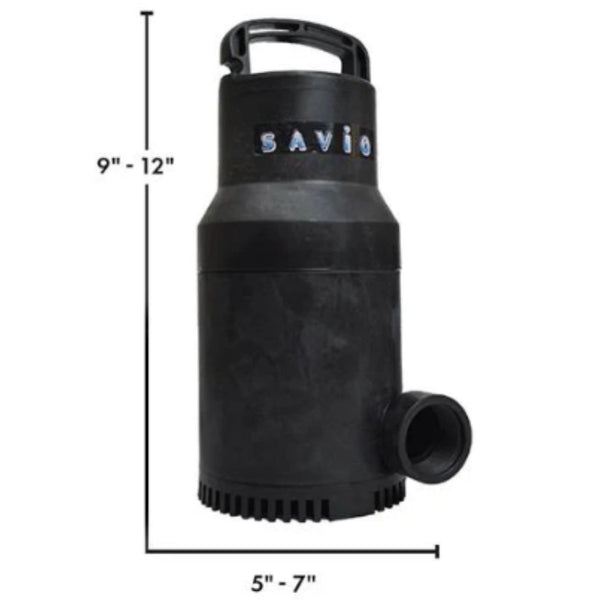
Choose a submersible pump when you want it hidden in a skimmer or sitting on the pond floor, and when it needs to tolerate debris. Choose an external pump when the pond is large, runs continuously, and you would rather service the equipment out of the water.
Variable-speed models such as the EasyPro VSP165 let you adjust flow and run leaner at low settings. For decorative spray instead of pure circulation, look at our pond fountains.
Filtration systems
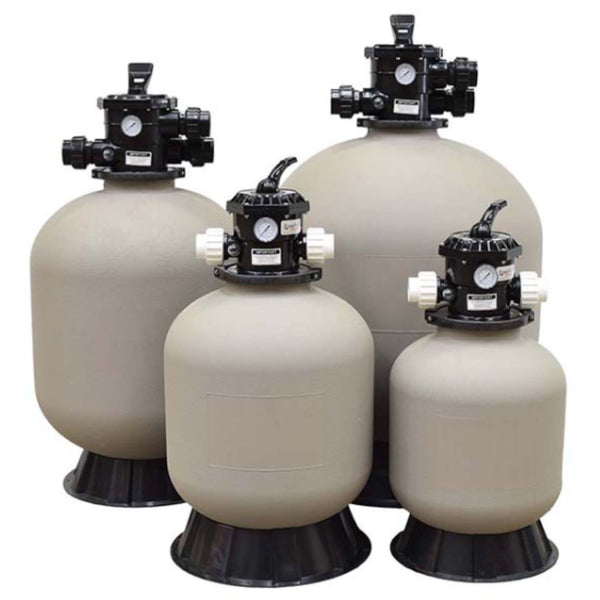
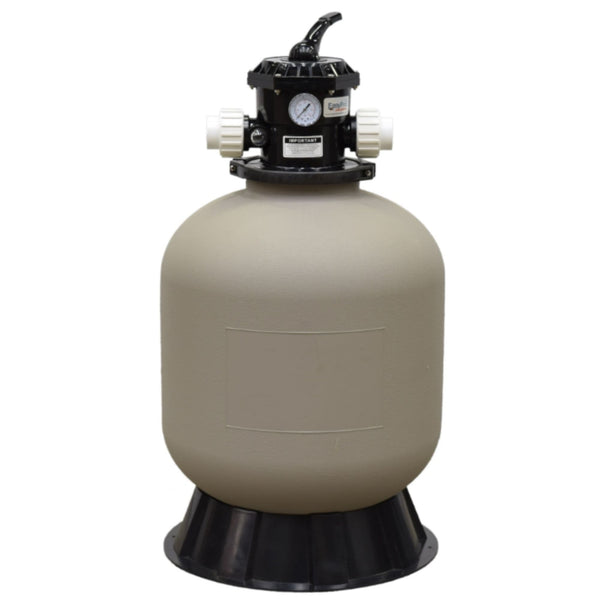
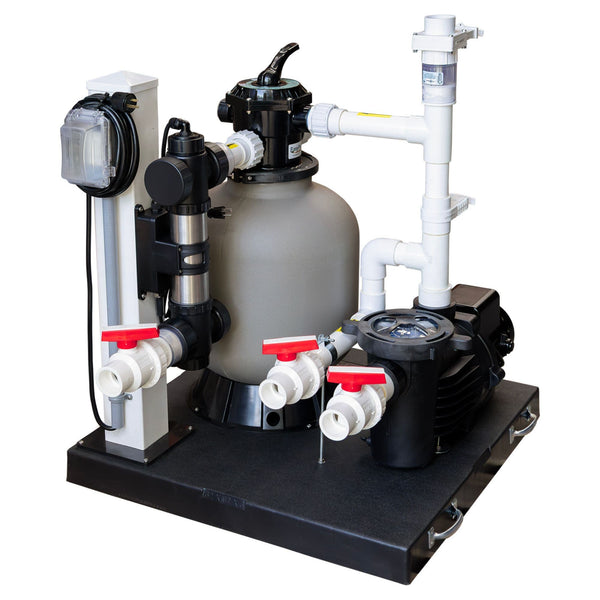
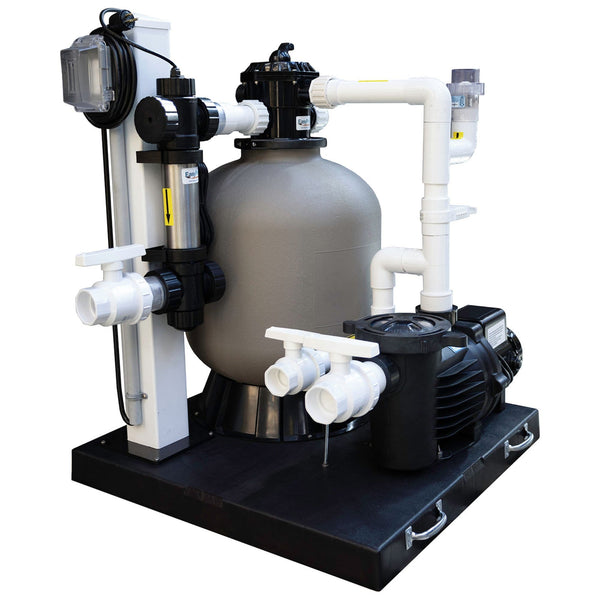
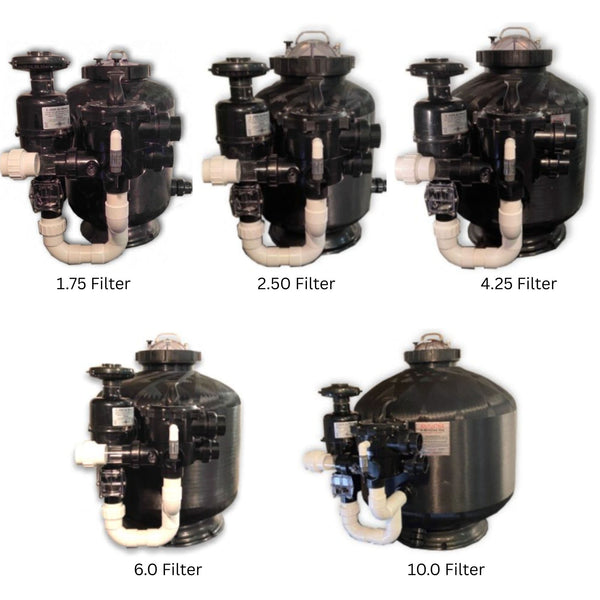
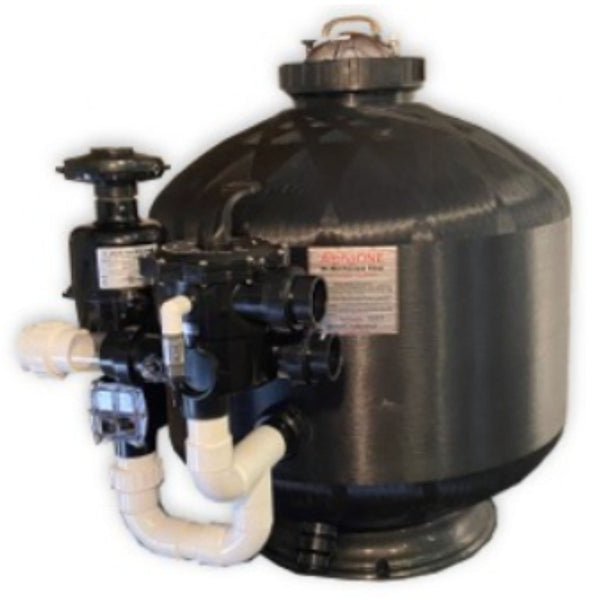
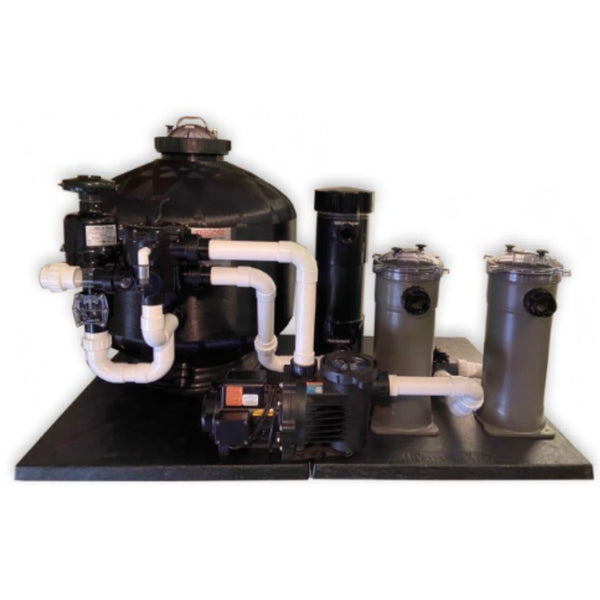
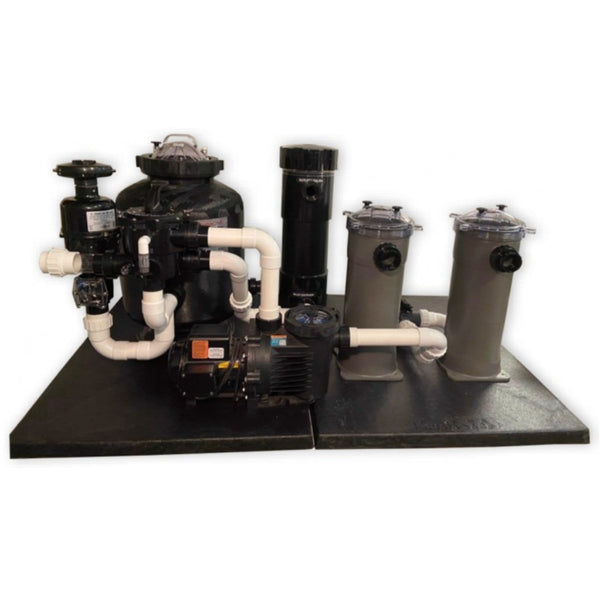
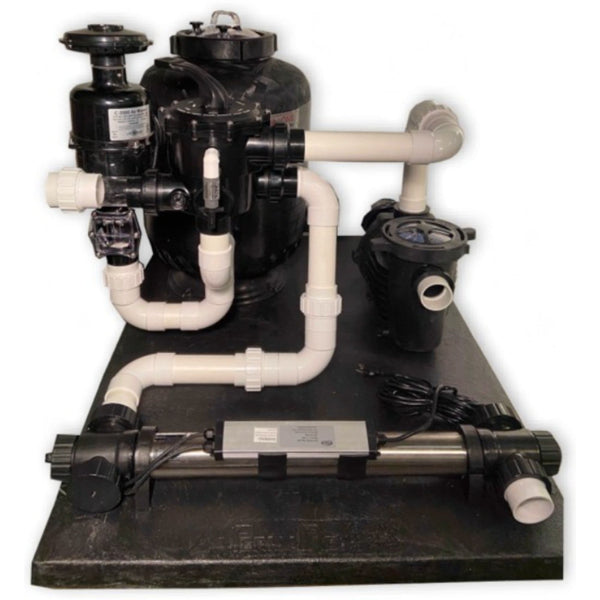
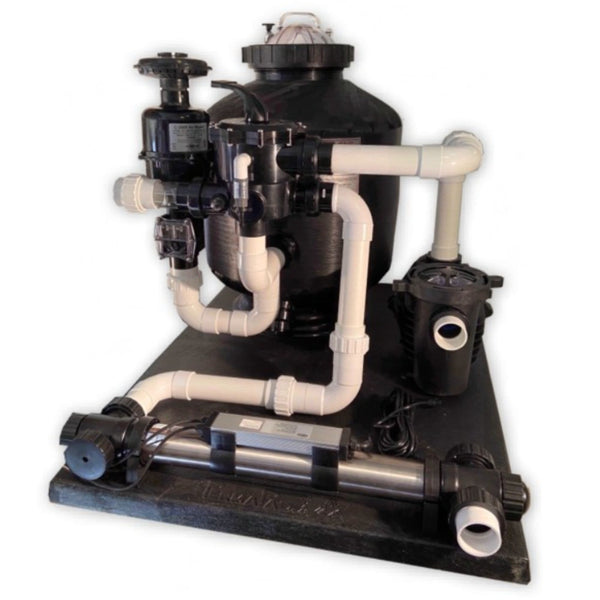
Pressurized bead filters, such as the EasyPro units rated for ponds up to 10000 gallons and the GCTek X2 bead filters, handle both mechanical and biological filtration and are a common choice for fish-heavy koi ponds. Skid-mount systems add a pump, UV clarifier, and valved bypass on one assembly, so less of the plumbing is planned piece by piece.
Water treatments
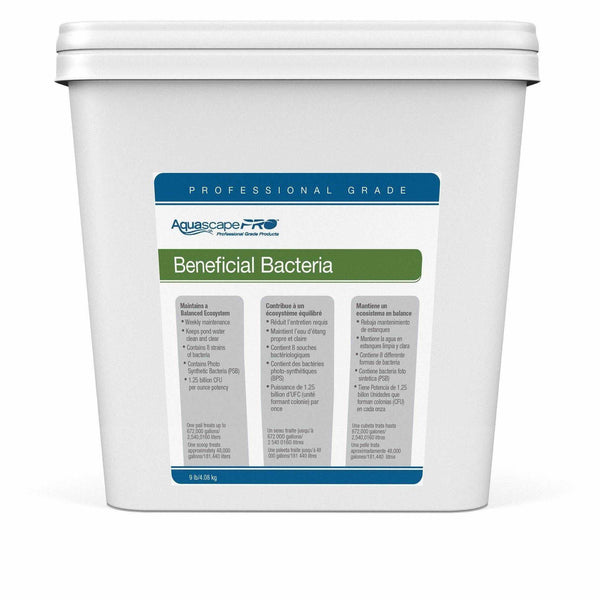
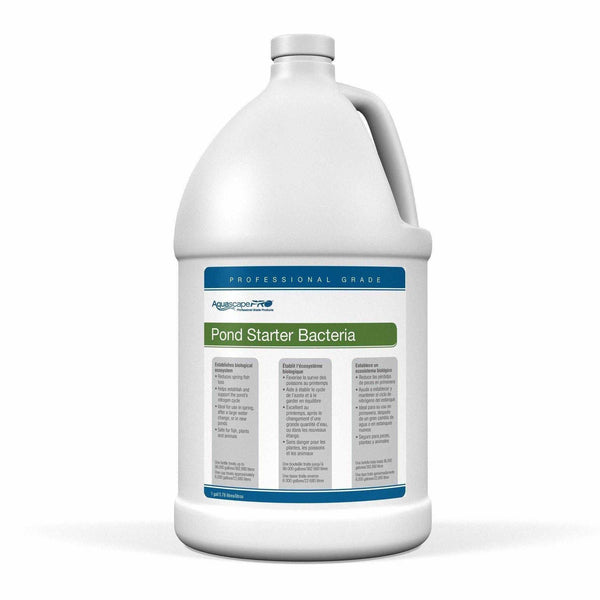
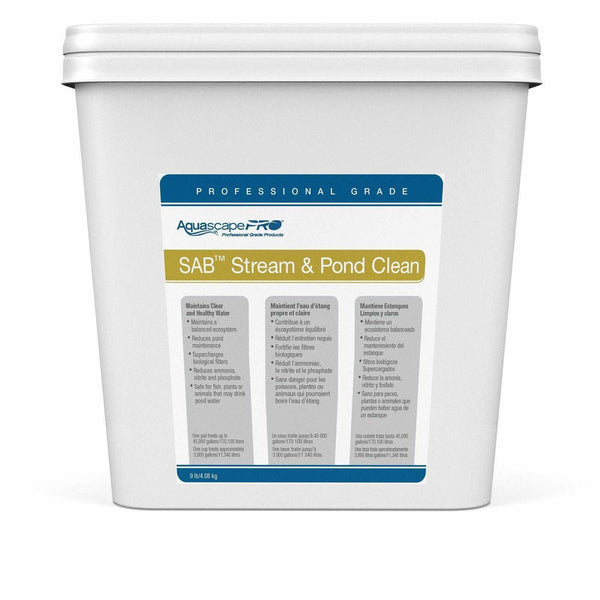
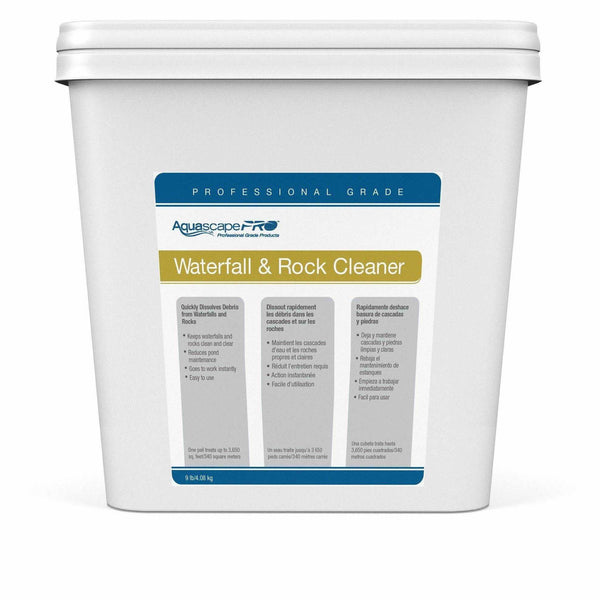
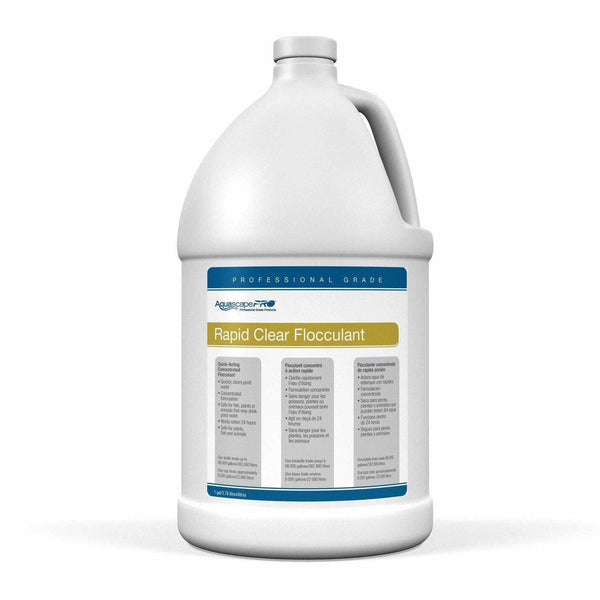
Choose beneficial bacteria and starter bacteria when you want to establish or feed the biological filter. Choose a clarifier such as AquascapePRO Rapid Clear when water is cloudy with fine suspended particles that a filter is not catching. Choose stream, waterfall, and rock cleaners when wet surfaces have built up a film or staining.
How to size equipment to your pond
Start with four numbers: total gallons, fish load, vertical lift to the waterfall, and how far the equipment sits from the pond.
- Pond volume. Circulation and filtration are sized against gallons, so estimate length, width, and average depth before anything else. Koi ponds and general ecosystem ponds are commonly planned to turn the full volume over every one to two hours.
- Fish load. A planted water garden and a heavily stocked koi pond are different jobs. More fish means more waste, and that is what pushes people toward pressurized bead filters or solids-handling pumps.
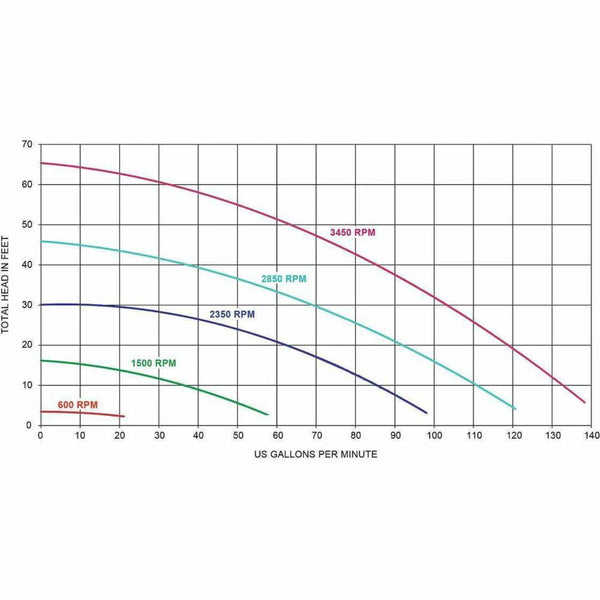
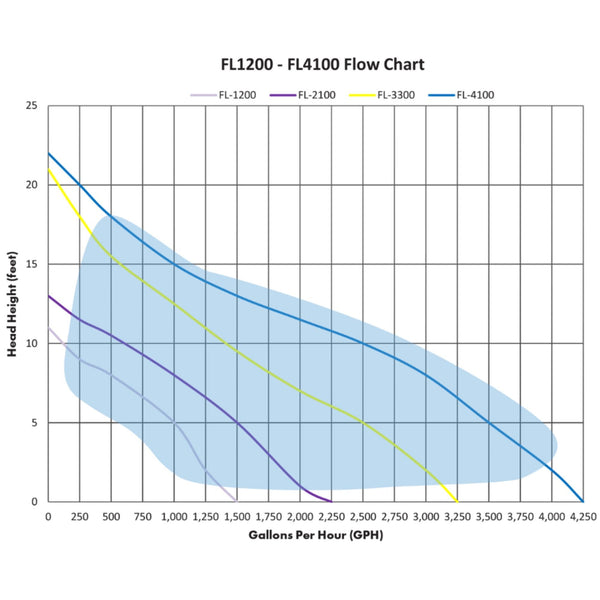
- Head height. Pump flow falls off as lift rises, so a pump that looks large on paper may be modest by the time water reaches the spillway. Compare models at the head height you actually have.
- Setup labor. Pre-matched kits and pre-assembled skid systems cut down on sizing decisions and plumbing work. Modular pumps and filters give more freedom, but someone has to plan the pipe runs and fittings.
If you want help with the math, our guides cover pond sizing in more detail.
Power and placement requirements
Voltage decides which pumps are even on the table. Models such as the EasyPro TH Series and the Blue Thumb external pump come in 115V and 230V versions, so check what is available at your equipment pad before choosing.
External pumps and skid-mount filter systems sit on a dry, accessible pad near the waterline. Submersible pumps sit in the water, usually in a skimmer or a sump, and need to stay submerged while running.
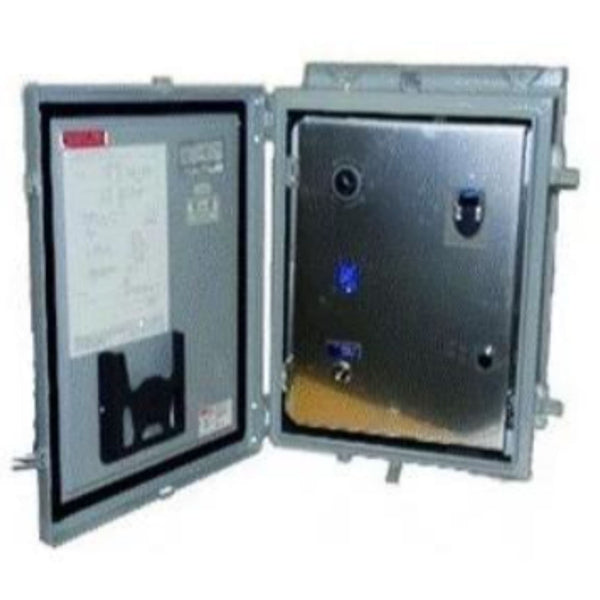
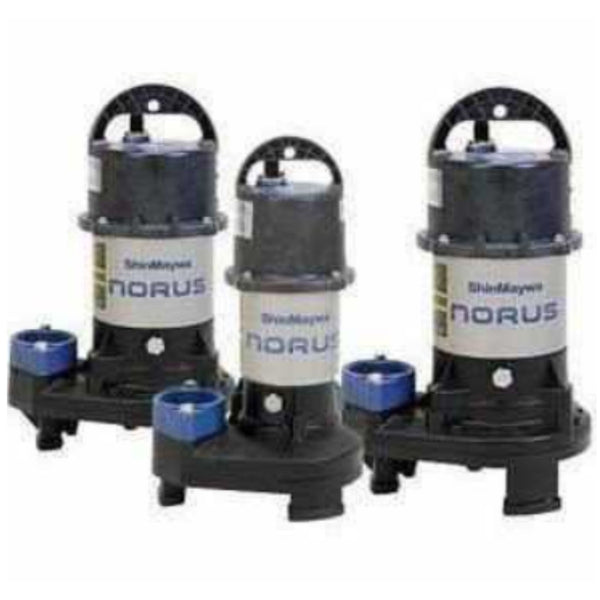
For high-volume commercial setups, the ShinMaywa variable speed control panel runs 3-phase motors from a standard single-phase supply. That affects whether a heavier pump is practical at your site.
What normally comes with it
Exact contents vary by product, but complete kits generally include liner, underlayment, skimmer, waterfall box or filter, tubing, pump, and the fittings needed to join them. The EasyPro Eco-Series kits add PVC glue, and some EasyPro kits include lighting.
Skid-mount filtration systems arrive pre-assembled and pre-plumbed with filtration, a UV clarifier, an external pump, and a valved bypass. Standalone bead filters are sold as their own unit, so check the product page or ask us what arrives before you order pump and plumbing parts.
Tubing length, lighting, and controls differ between kits, so confirm the box contents on the individual product page. If anything is unclear, ask us before you order.
Not sure which parts you need?
Send us your pond size in gallons, average and maximum depth, fish stocking, waterfall lift if you have one, and the power available at the site. We can point you to the kits, pumps, and filtration that fit together.
For seasonal upkeep, see our pond maintenance notes and our guides.
No page change, it expands right here
Frequently asked questions
Quick answers to the most common questions about our pond supplies.
How do I match pump flow rate to my waterfall width and height?
Match the pump to your vertical lift first, then to the width of the spillway. Flow drops as lift rises, and a wider sheet of water needs more flow per inch to look right, so compare pumps at your actual head height rather than their best figure. Ask us if you want a second opinion.
What is the difference between a submersible pump and an external pump?
A submersible pump sits in the water, usually in a skimmer or on the pond floor, stays out of sight, and handles debris more easily. An external pump sits on a dry pad outside the water, is simpler to service, and is common on larger ponds and koi systems that run continuously.
Do I need a separate bead filter if my pond kit includes a waterfall filter box?
Not always. A waterfall filter box provides mechanical and biological filtration and suits many backyard ponds and water gardens. A pressurized bead filter makes sense when fish load is heavy, particularly with koi, since it is a dedicated unit you can clean by backwashing rather than by hand.
Should I use a clarifier or more beneficial bacteria?
Use a clarifier when the water is cloudy with fine suspended particles. That is a mechanical issue, and clarifiers work by clumping those particles so your filter can catch them. Use beneficial bacteria when the issue is organic waste and the biological filter needs to be established or fed.
Can I turn a standard pond kit into a koi pond later?
You can start small and add fish, but koi produce more waste than most garden ponds are planned for. If koi are the goal, it is easier to size the pump and filtration for that load from the start, or to add a pressurized bead filter when you upgrade.
Need expert help finding the right setup?
Contact Pond Haven Support