

Small Outdoor Fountains


Guide & FAQ
How to choose the right small fountain
- 3 min overview
- Types, sound, size & placement
- 5 common questions
Why put a fountain in a small outdoor space?
A fountain gives a compact area something to look at and something to hear. Moving water softens street and neighbor noise and fills a corner that otherwise feels empty.
Because the water recirculates, you fill the basin once and top it off as it evaporates. There is no water line to run and no major excavation involved.
The main types, and when to choose each
Tiered and pedestal fountains
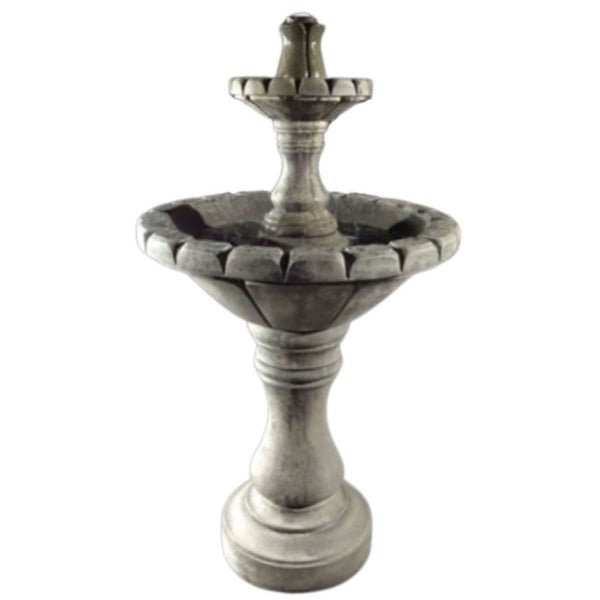
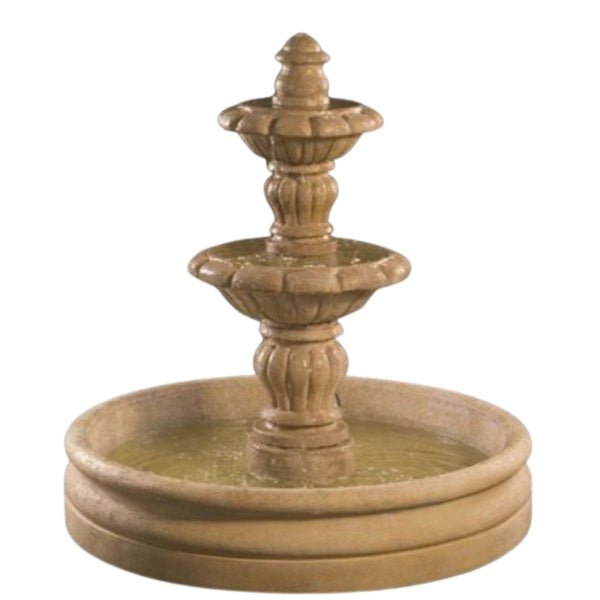
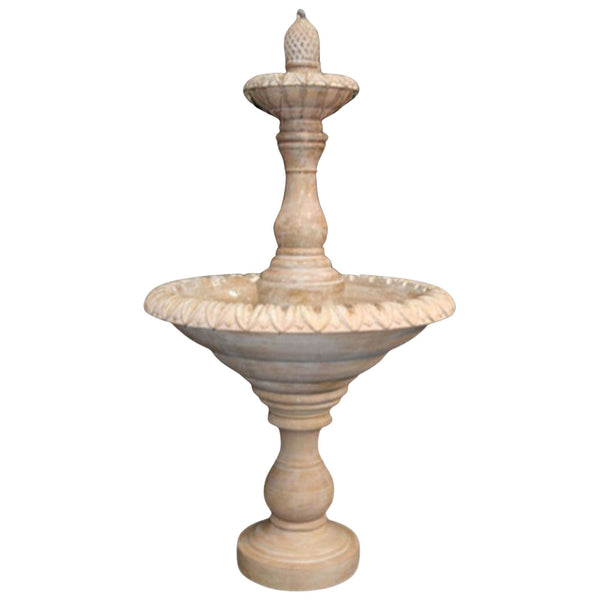
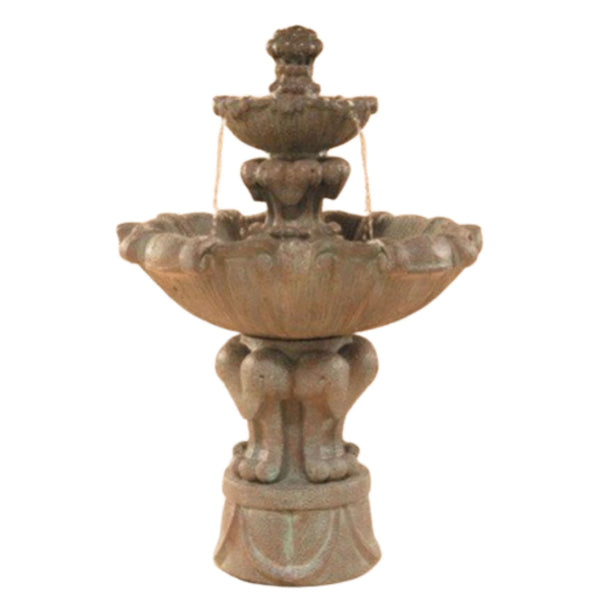
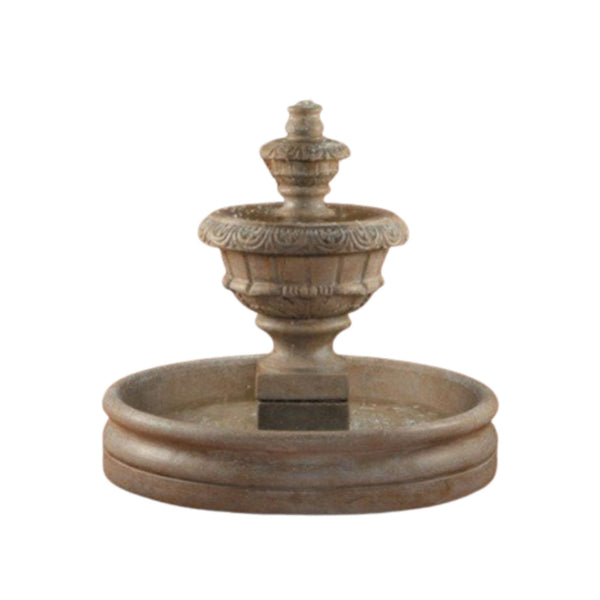
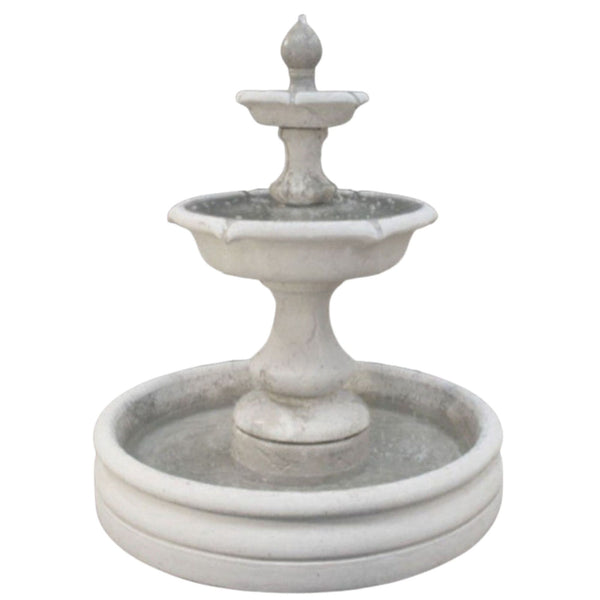
Water spills from bowl to bowl and into a wide basin below. This multi-drop flow produces more sound than a gentle bubble, and several tiered models in this group are tagged Loud.
Choose a tiered fountain when you want a classic silhouette and water sound that carries across a patio or down a path. For a smaller bowl footprint, compare our outdoor bowl fountains.
Modern geometric and sphere bubblers
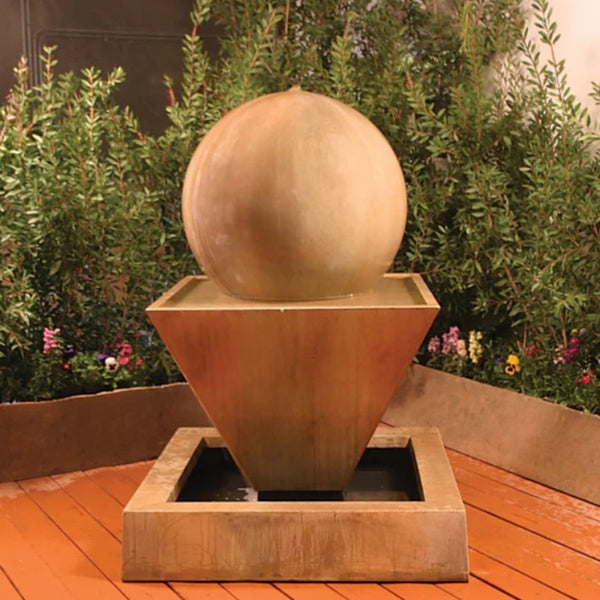
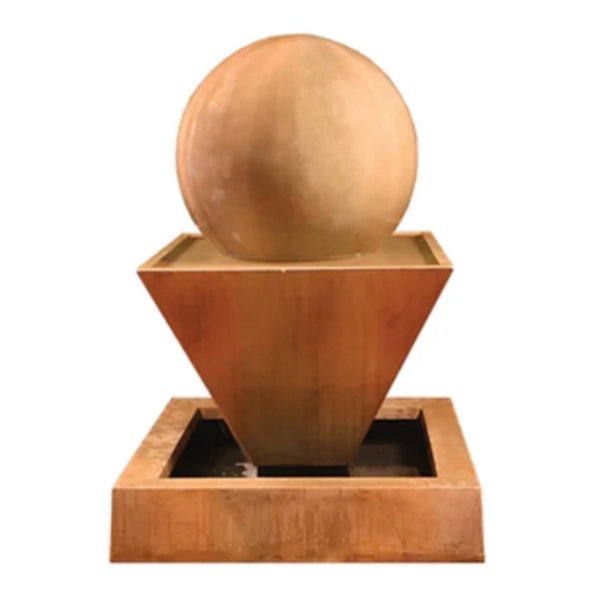
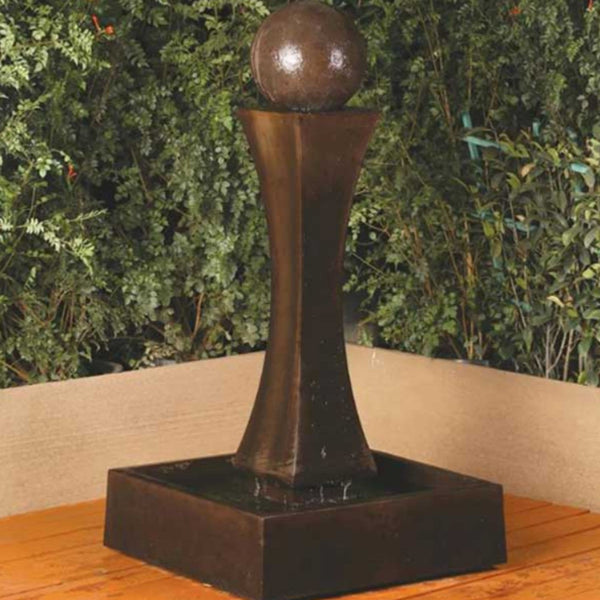
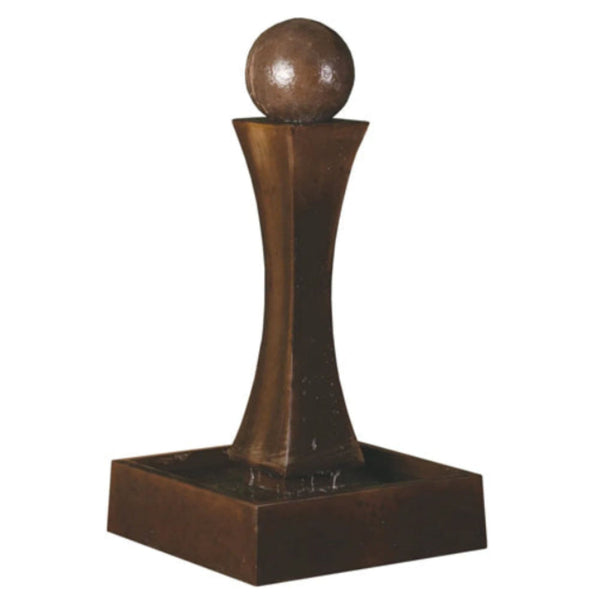
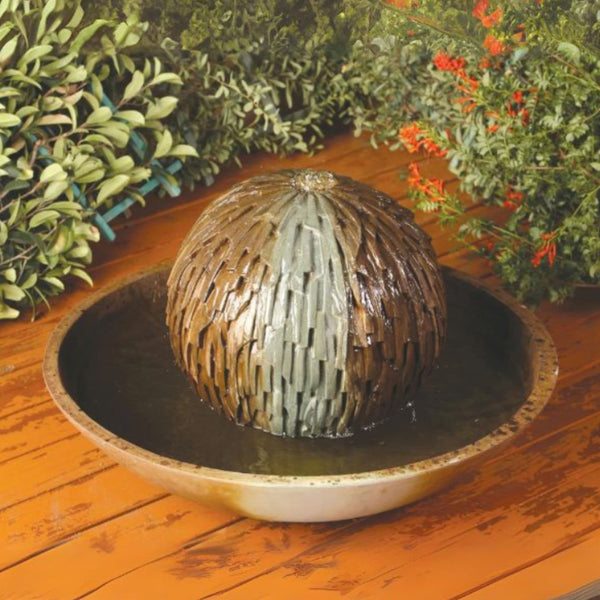
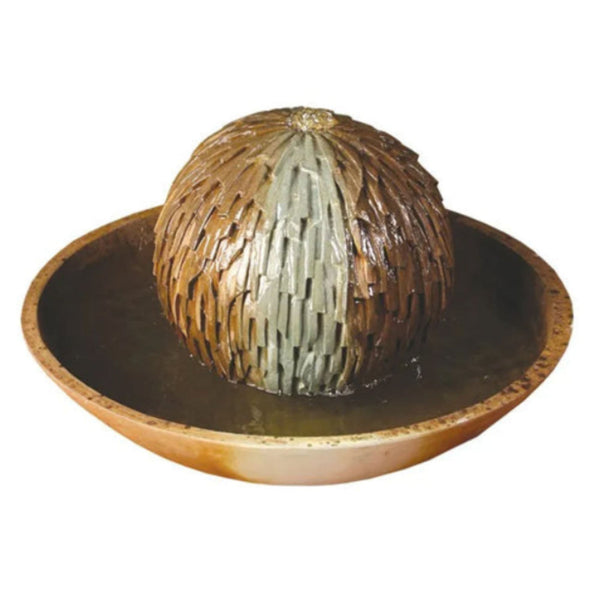
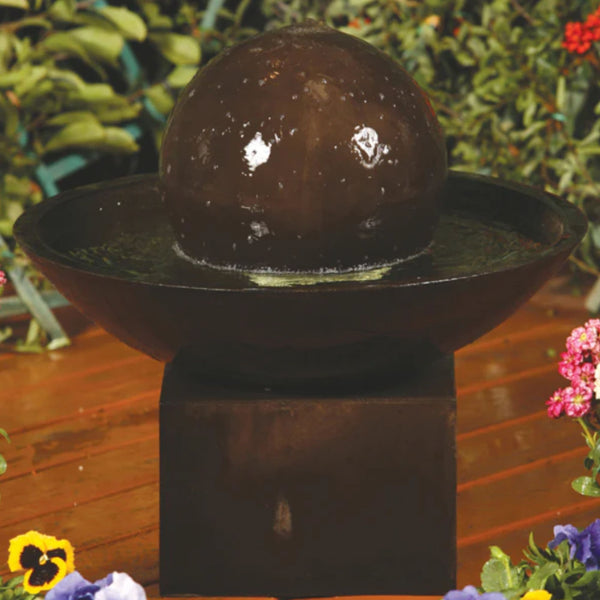
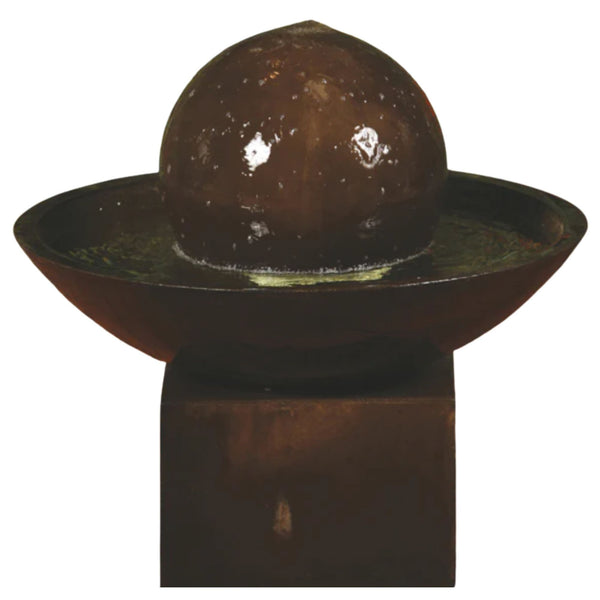
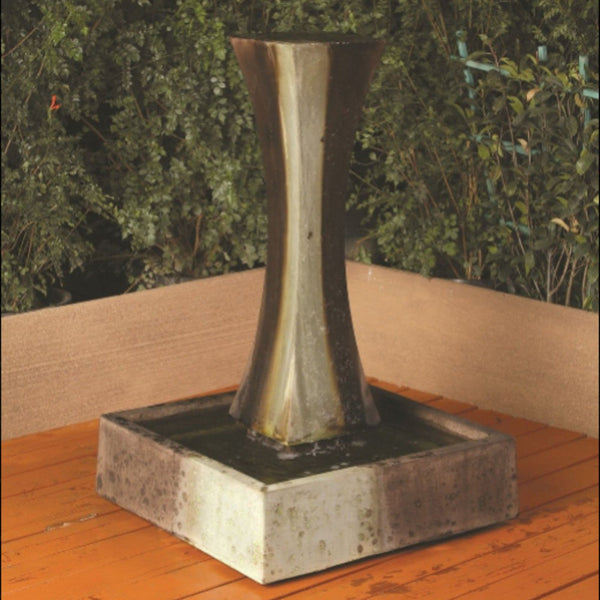
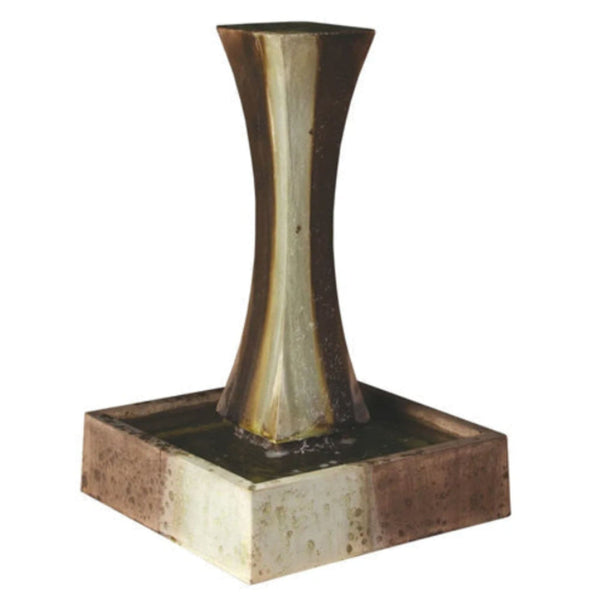
Clean plinths, obliques, cubes, and orbs where water bubbles at the top and sheets down the sides. The sound is a soft trickle rather than a heavier cascade, and GIST builds these with clean lines that suit modern settings.
Choose a bubbler when you want gentle water sound and a simple sculptural shape.
Natural stone boulder fountains
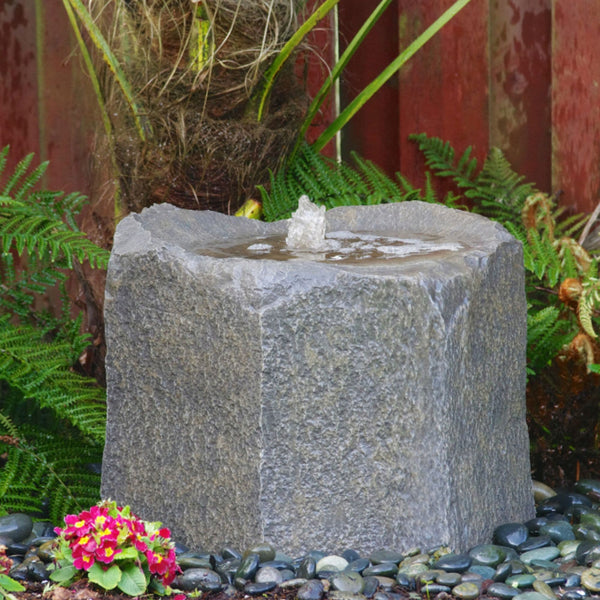
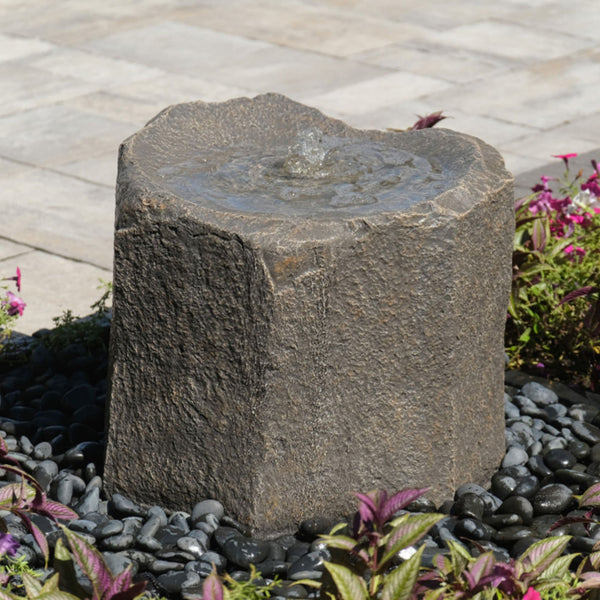
Molded GFRC boulders with water bubbling from the top and running down a textured face. They read as natural rock but are lighter to handle than solid stone.
Choose a boulder fountain when the setting is a rockery or an informal planting bed and you want the piece to blend into the landscape. Blue Thumb builds these.
Wall fountains
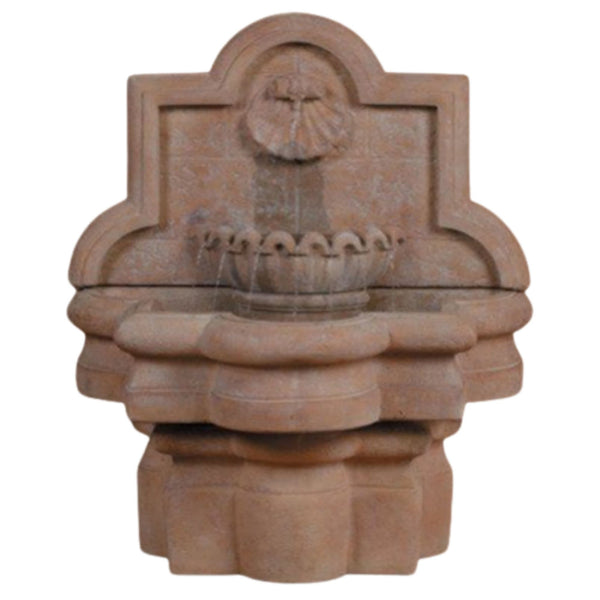
Flat-backed units that sit against an exterior wall, with water falling into a shallow basin.
Choose a wall fountain when floor space is tight and you have a solid wall behind the spot. For a tight corner instead, see our corner outdoor fountains.
Statuary fountains
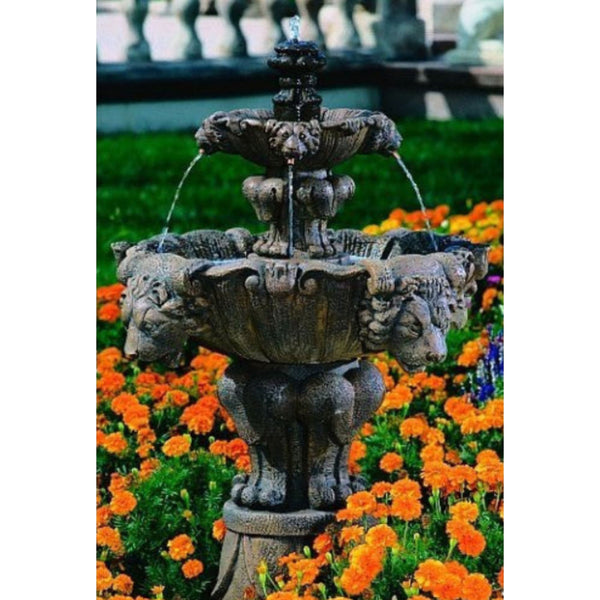
Sculpted figures with water running over them, such as the lion fountain in this group.
Choose a statuary fountain when you want a formal garden vignette rather than a purely architectural shape.
How to choose the right size
Footprint matters more than the word "small" on a listing. Some pieces in this group have a 46-inch basin and stand up to about 61 inches tall.
Check these before you order:
- Ground footprint, including the full basin width, not just the fountain body
- Height and how the piece sits in your sight line from a chair or a doorway
- Sound level, since bubblers are quieter and tiered cascades project farther
- Weight and surface, because cast stone needs a solid base
Our how to choose an outdoor fountain guide covers placement in more detail.
Power and placement
These fountains recirculate their own water, so you fill the basin with a hose and top it off as it evaporates. Check the individual product page for how the model is powered, and plan the spot around access to an outdoor power source.
The base must sit level on a load-bearing surface, such as a concrete pad, packed pavers, or firm ground, so water spills evenly and the piece stays stable. Cast stone is heavy and is usually not suited to unreinforced wooden decks or balconies, while GFRC is lighter to move and set.
What normally comes with a fountain
It varies by model, so read the product page before ordering.
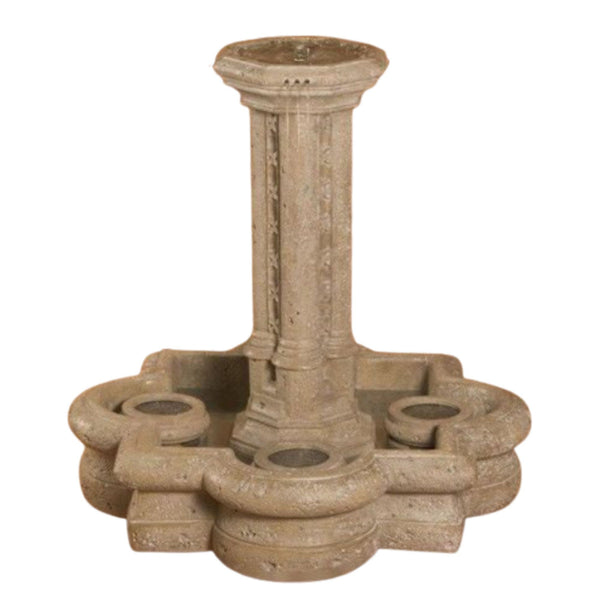
- A basin that holds its own water on models marked as having a pool or basin
- A basinless top on models marked as not having a pool, which needs a sub-surface reservoir or rock bed instead
- Cast stone or GFRC construction, depending on the piece
- Setup hardware and tubing on selected models; the GIST Mini Rubix comes with hardware, tubing, and step-by-step instructions
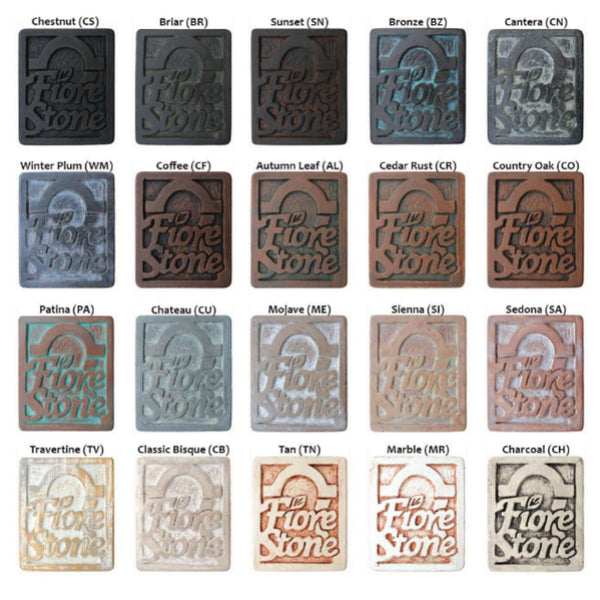
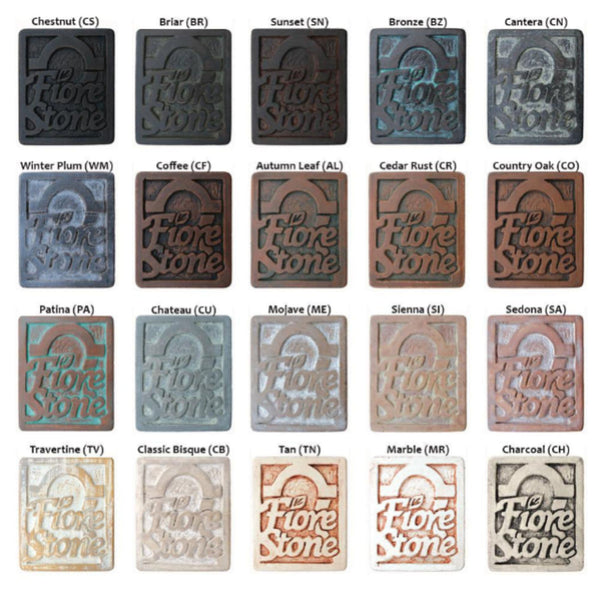
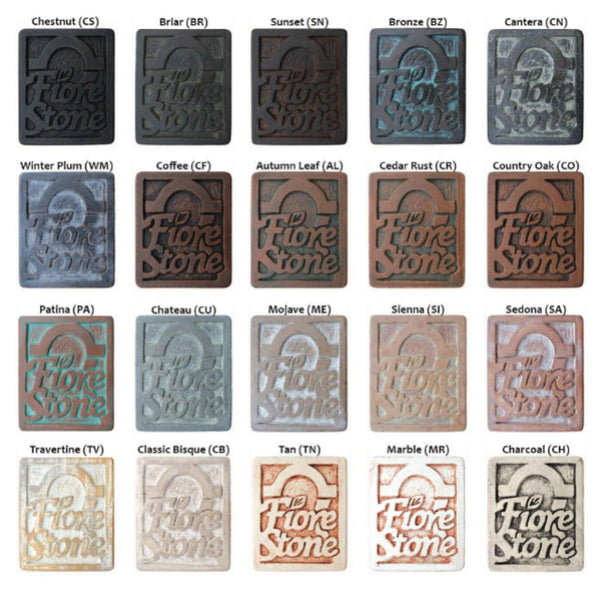
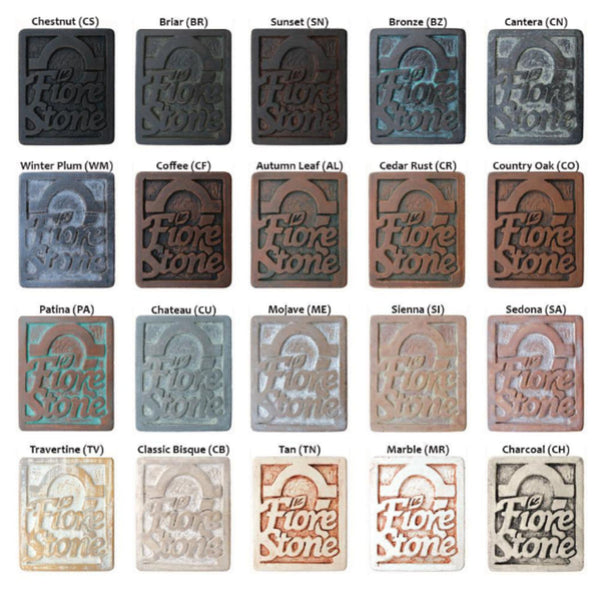
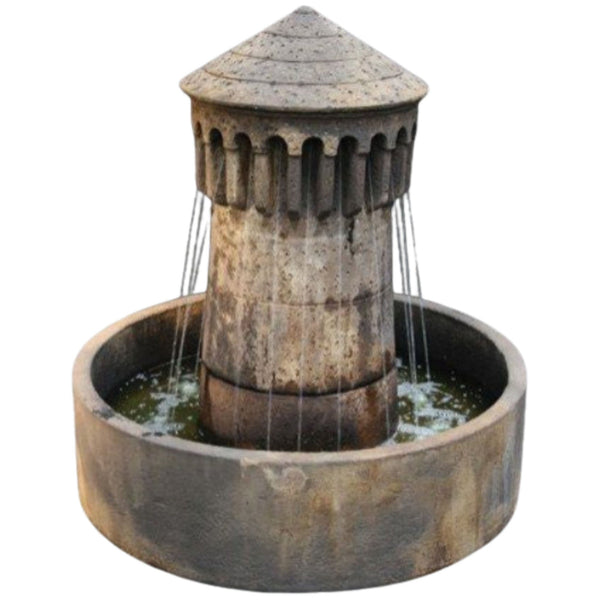
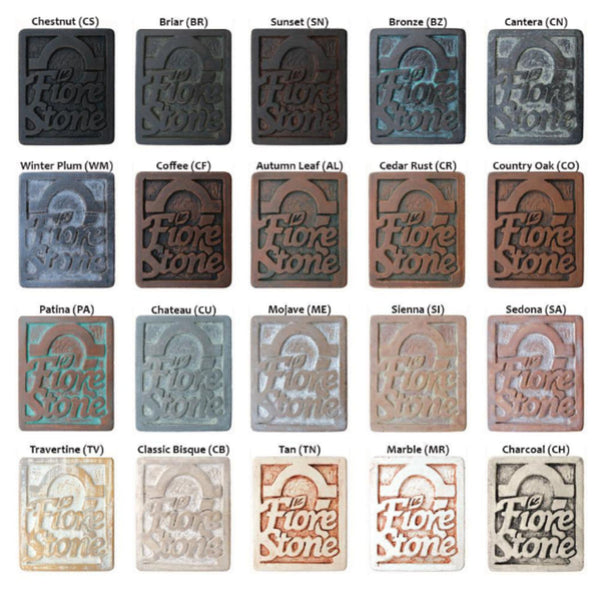
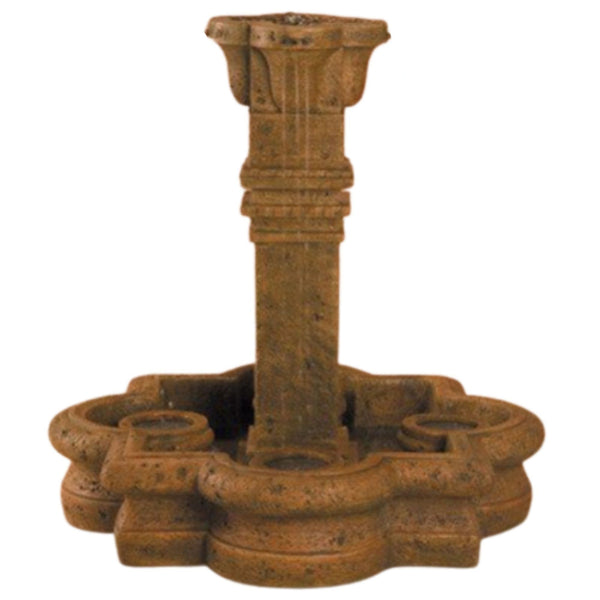
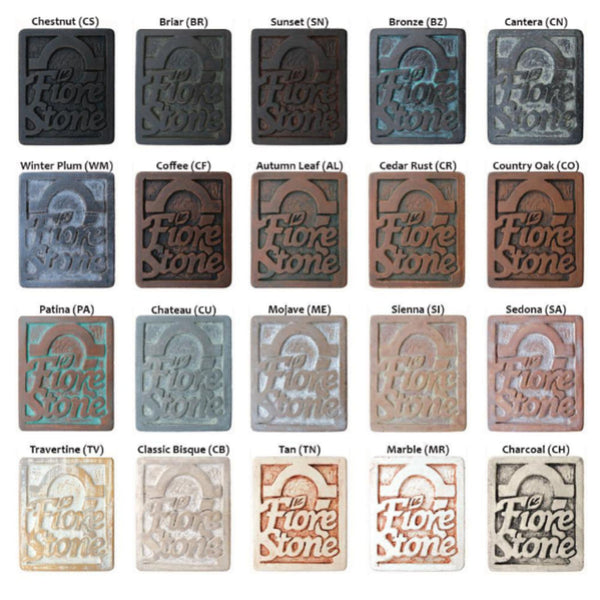
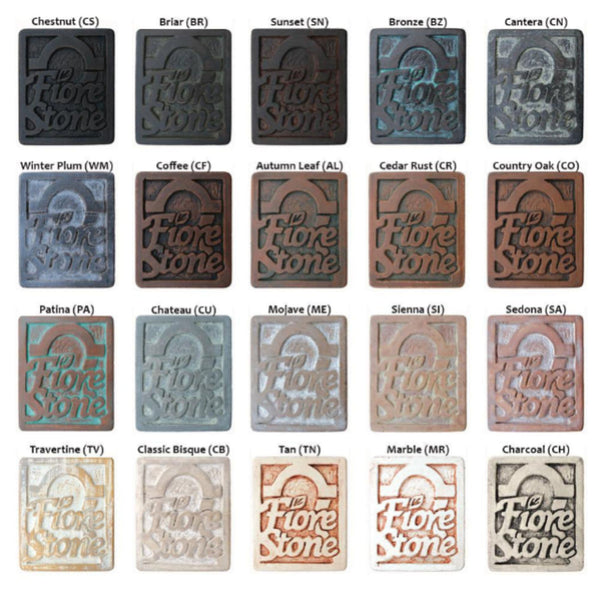
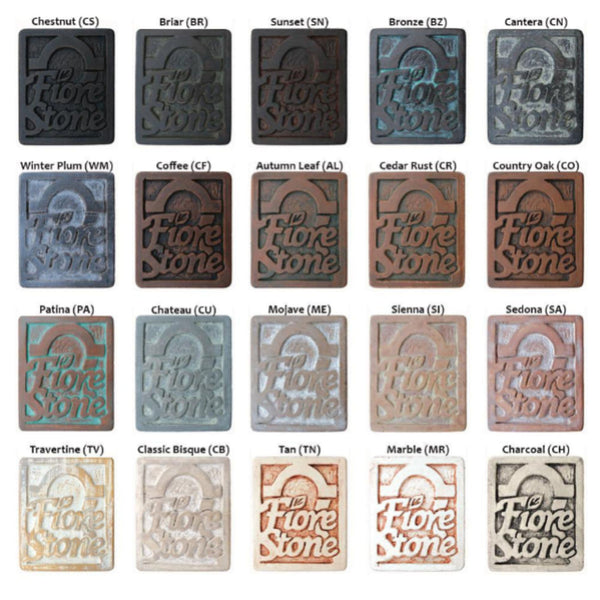
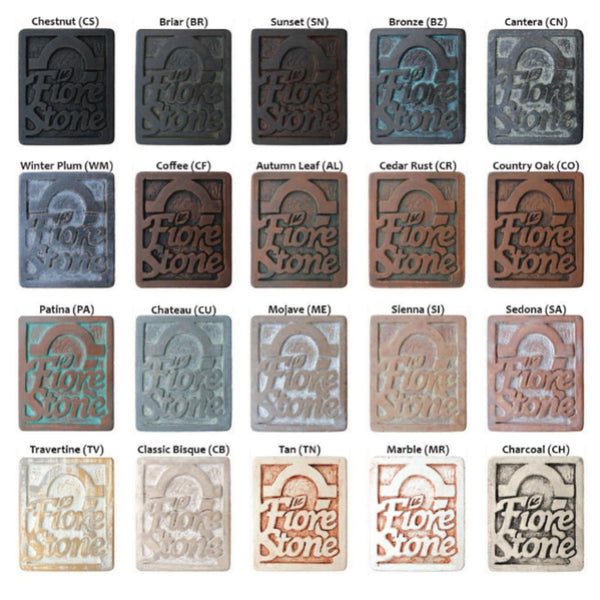
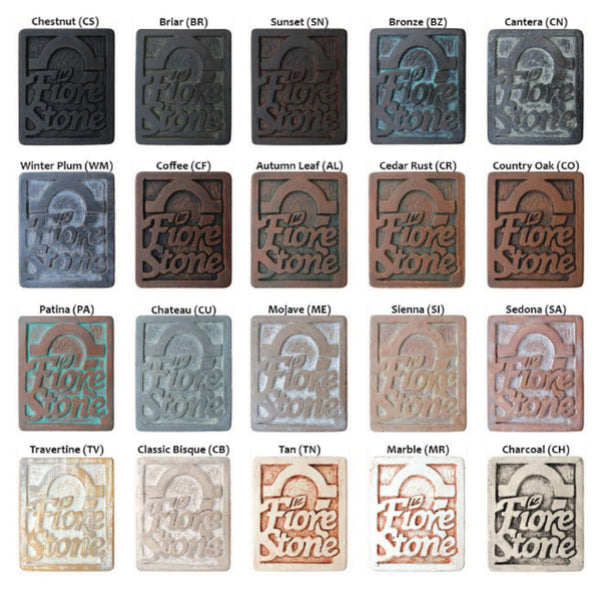
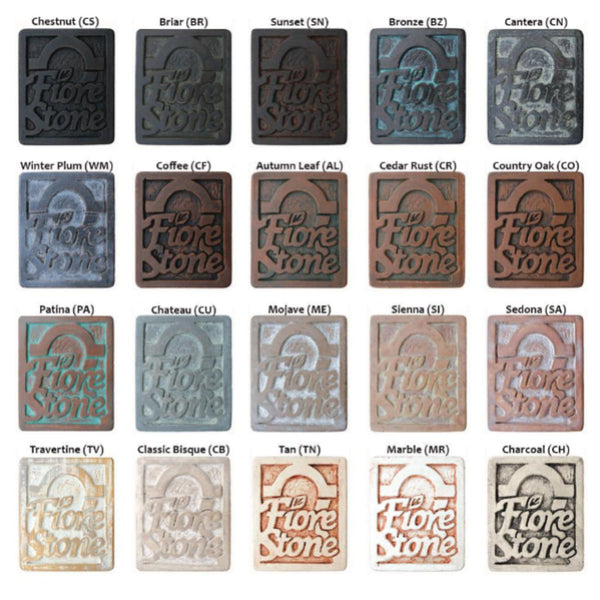
- Finish choices on selected models, with the Fiore Stone Small Dijon offered in 40 artisan finishes
Not sure which one you need?
Send PondHaven the size of your space, the surface the fountain will sit on, where power comes from, and how much water sound you want. We will look at the options with you and point to the models that fit.
No page change, it expands right here
Frequently asked questions
Quick answers to the most common questions about our small outdoor fountains.
How loud is a small fountain, and will it splash on patio furniture?
It depends on the type and the model. Bubblers give a soft trickle, while tiered fountains with several drops are louder and carry farther. Check the product page for how water moves on the piece you like, and think about how close it will sit to furniture.
Do I need a plumber or a water line to install one?
No. These fountains recirculate their own water, so you fill the basin with a hose and top it off as it evaporates. The GIST Mini Rubix, for example, comes with hardware, tubing, and step-by-step instructions.
What power source does a fountain need?
A pump keeps the water moving, so plan the placement around access to an outdoor power source and check the product page for the details of the model you choose.
Can I put a cast stone or GFRC fountain on a wooden deck or balcony?
Only if the surface is level and strong enough to hold the weight. Cast stone pieces are heavy and are generally not suited to unreinforced decks or balconies, while GFRC is lighter and easier to handle.
What does "small" mean for these fountains?
Check the listed basin width and height rather than the name. Sizes in this group run from compact boulder fountains around 22 inches to tiered pieces with 46-inch basins. If you would like a second opinion, send us the size of the space, the surface it will sit on, and where power comes from, and we will help you compare the options.
Need expert help finding the right setup?
Contact Pond Haven Support