

Outdoor Wall Fountains
Guide & FAQ
How to choose the right wall fountain
- 3 min overview
- Types, mounting & sound
- 5 common questions
Why put a fountain on a wall
A wall fountain uses a surface that most patios leave empty, and it brings moving water where a freestanding basin would block foot traffic. That is the main reason people choose one over a ground-level piece.
It also helps with the sound around a patio or room. Falling and trickling water can cover up traffic hum, an air conditioning unit, or a close neighbor.
Where it tends to earn its place:
- narrow patios and balcony walls
- courtyard passages and entryways
- large blank brick, stucco, or stone walls
- seating areas that need masking sound
- interior accent walls, since several models work indoors
The main types, and when each fits
Sheet and panel wall fountains
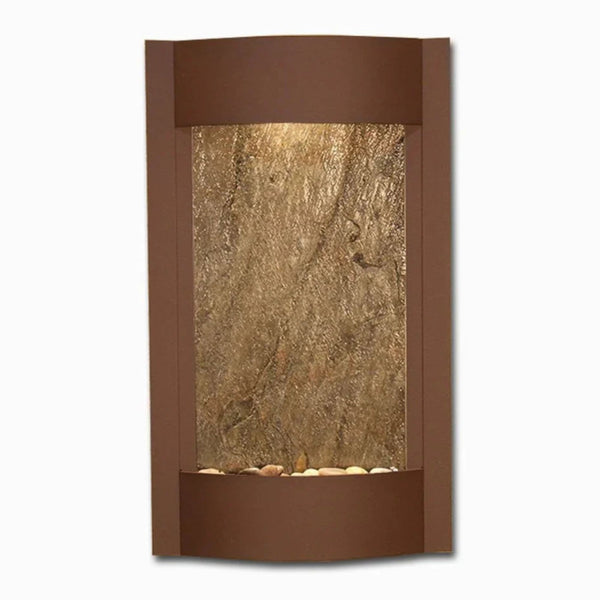
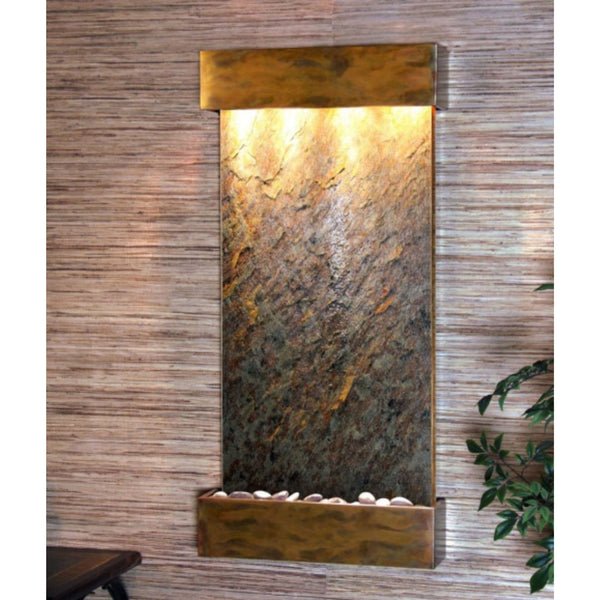
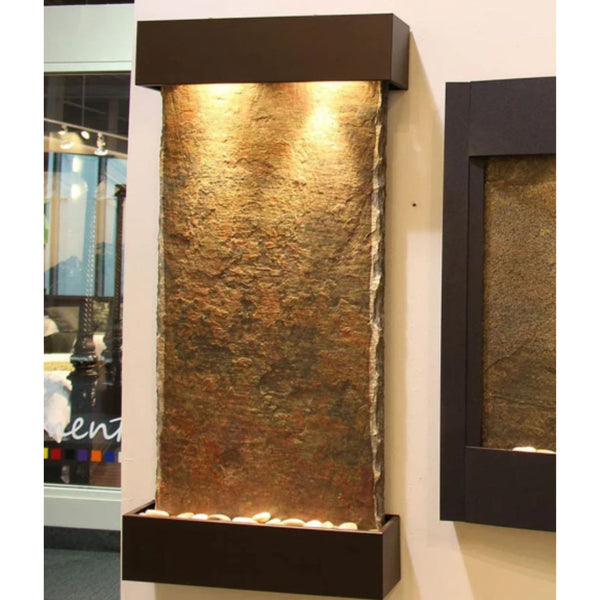
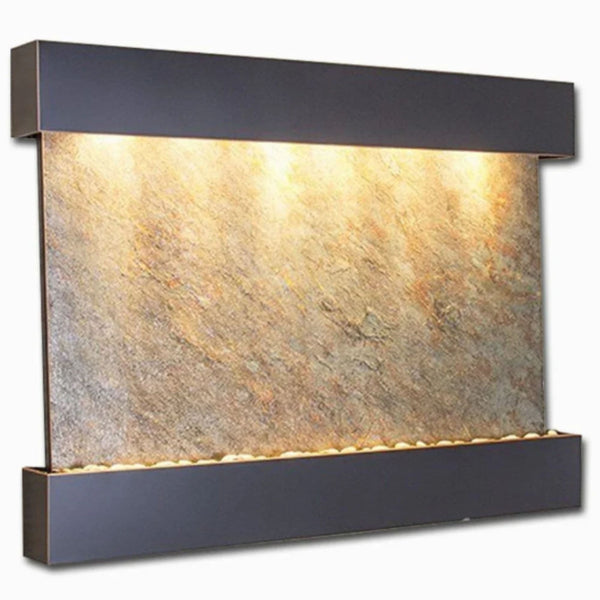
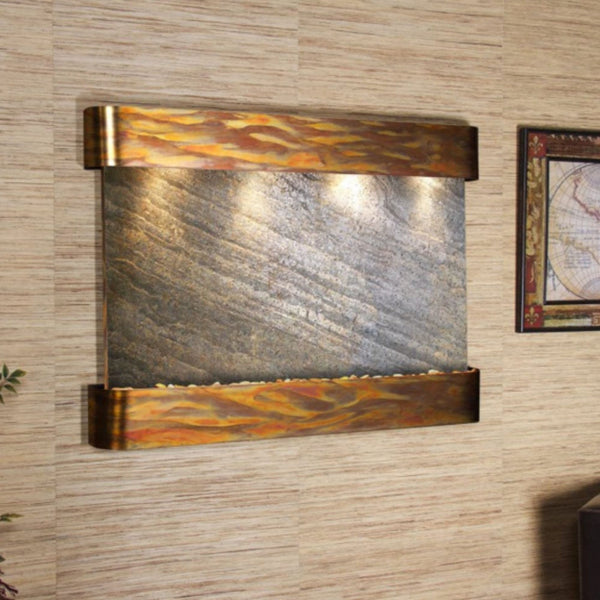
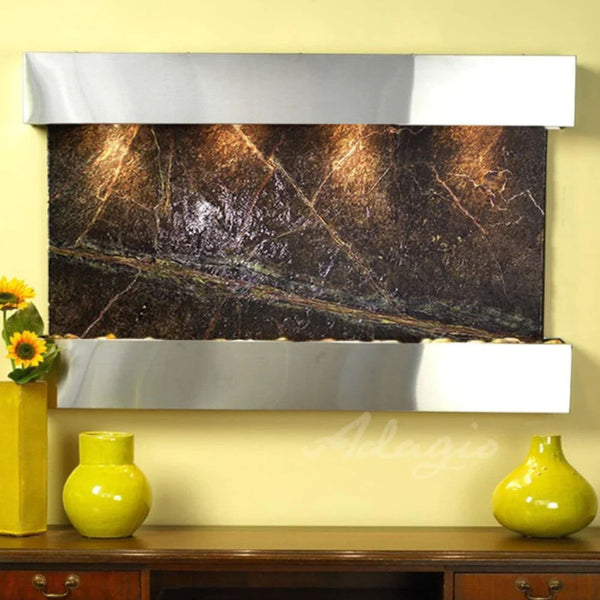
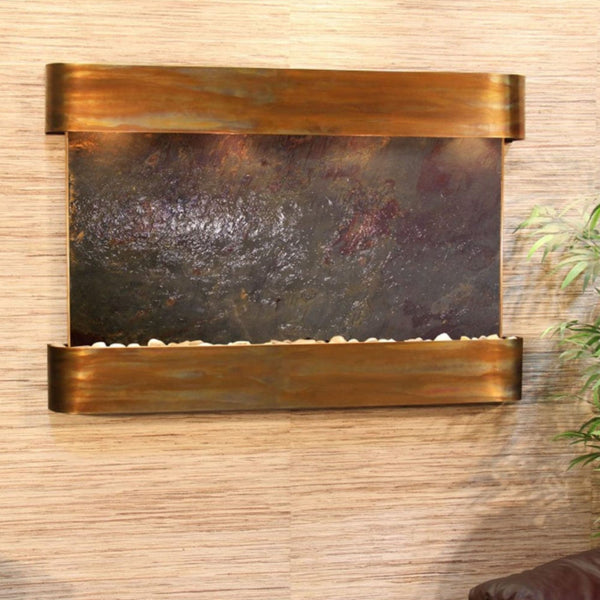
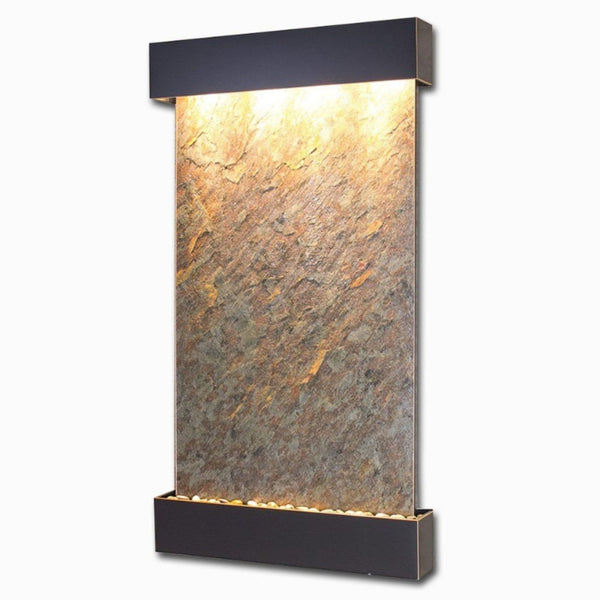
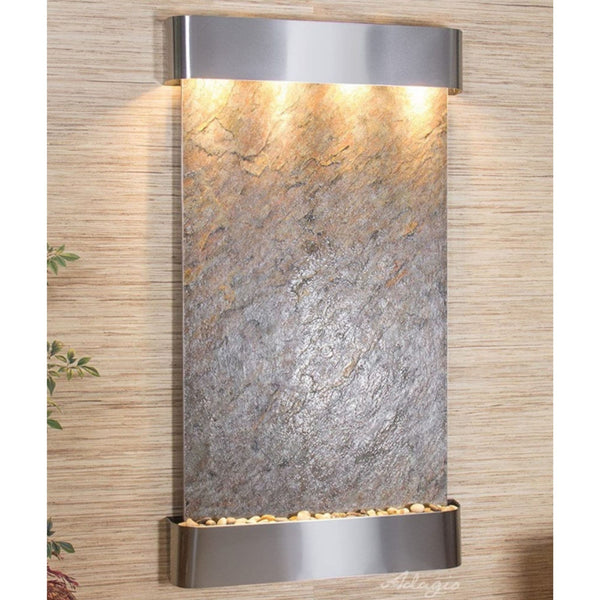
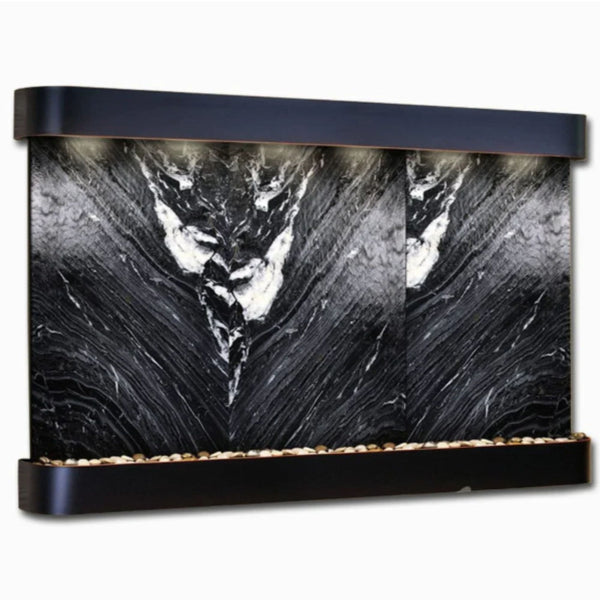
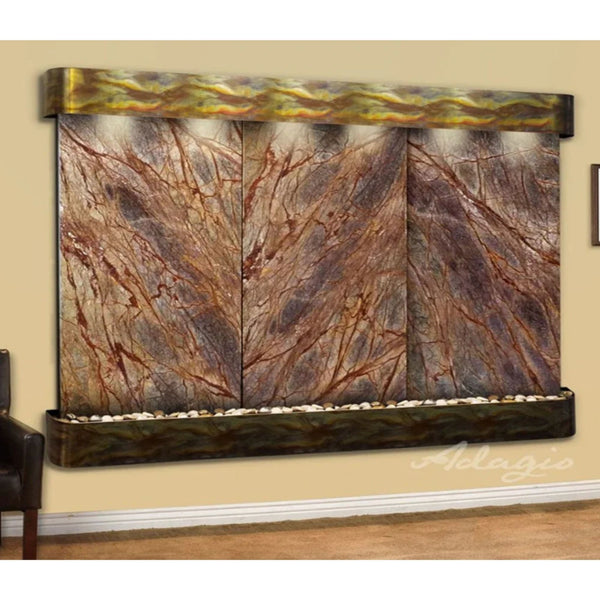
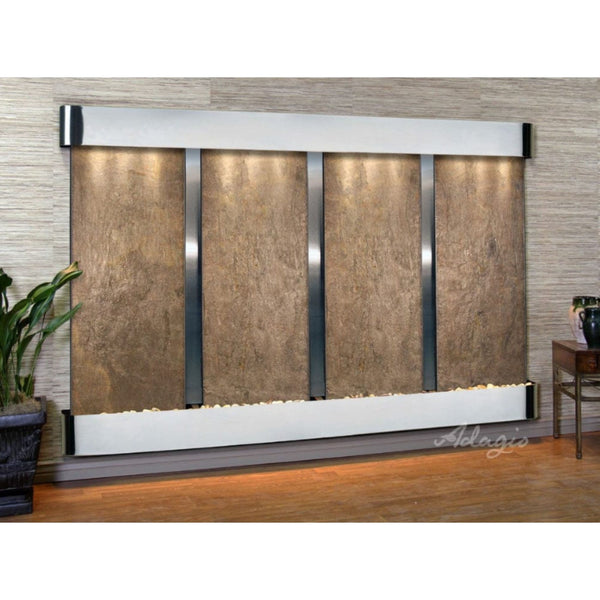
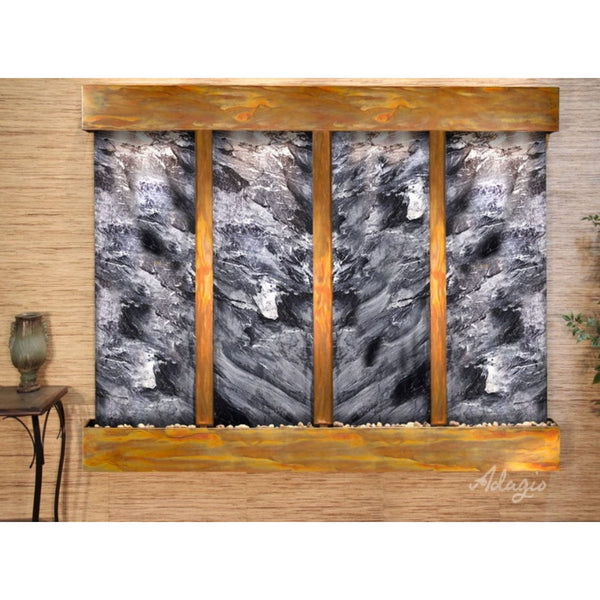
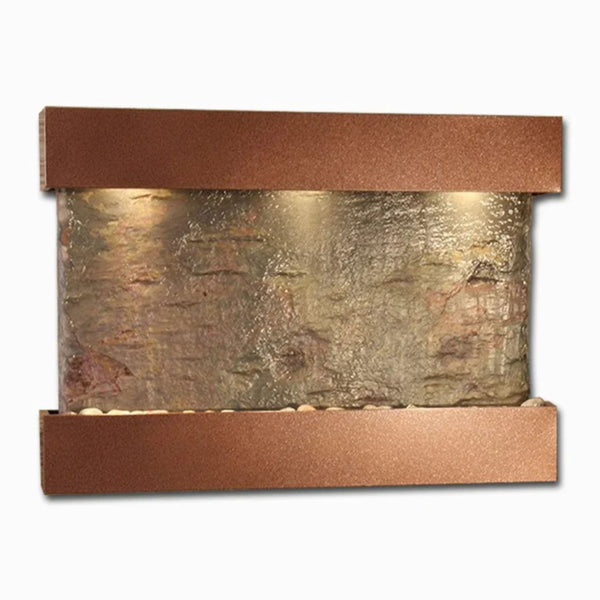
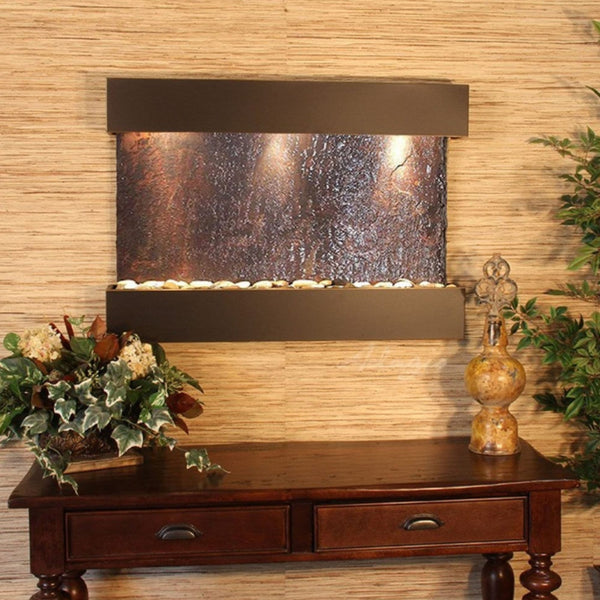
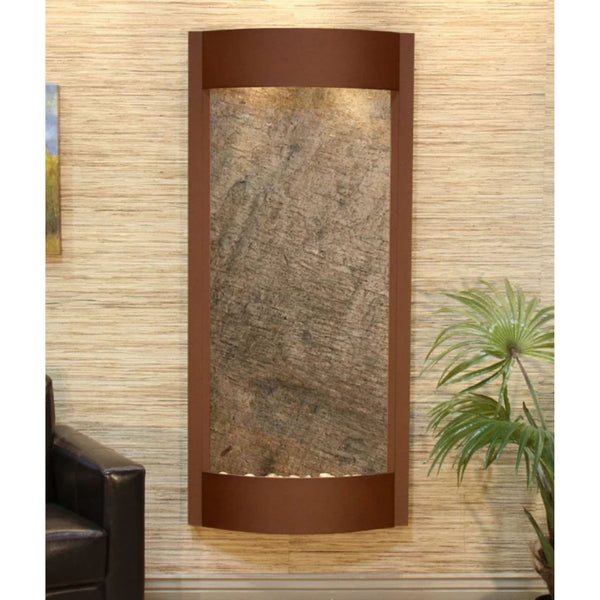
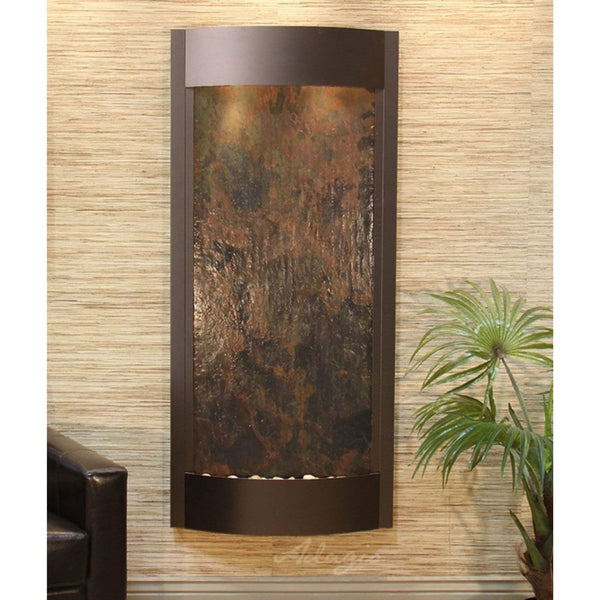
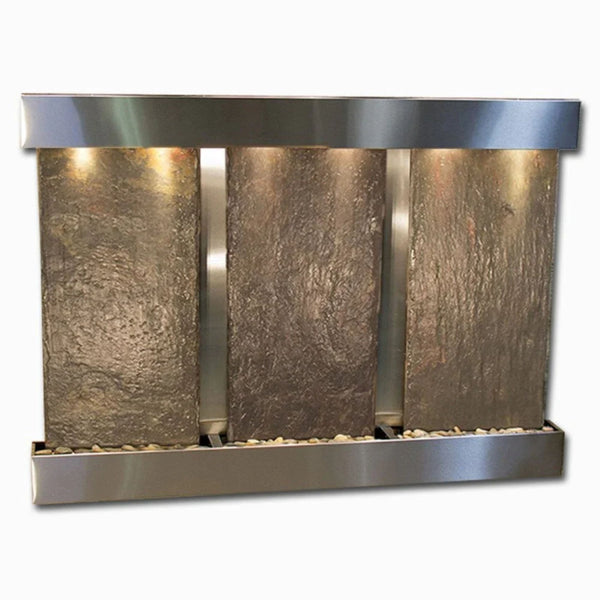
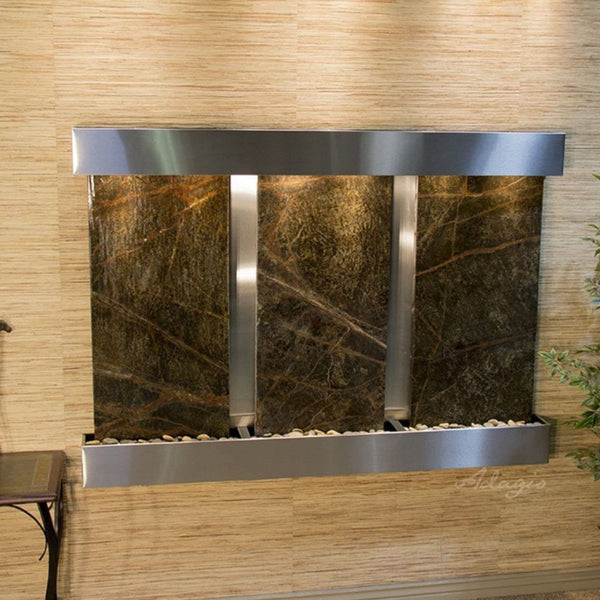
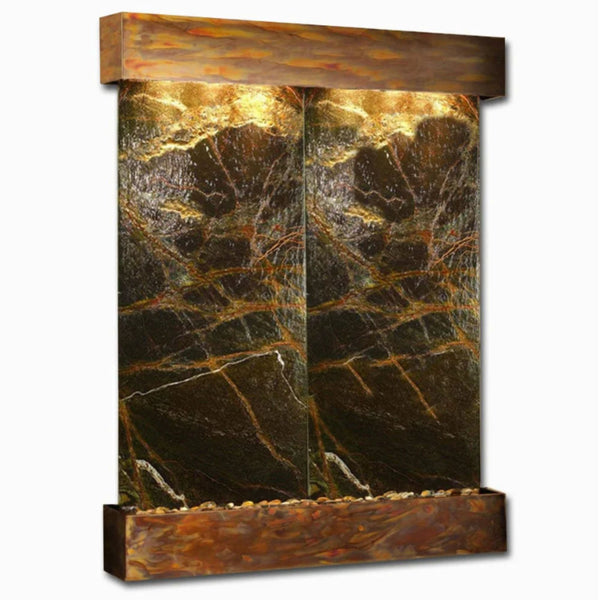
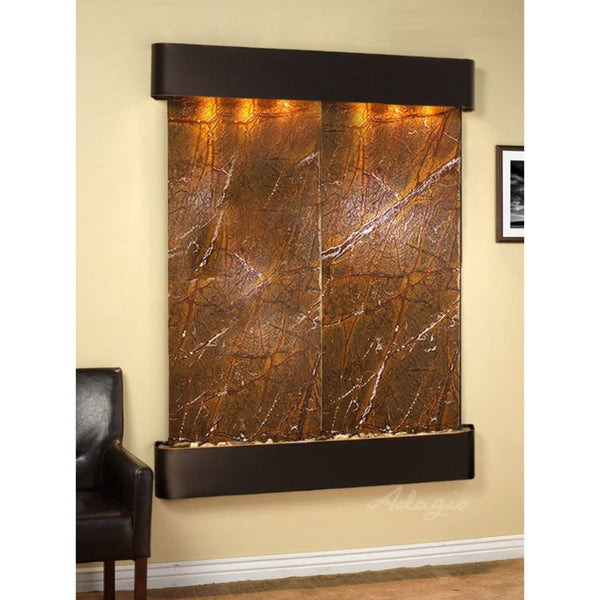
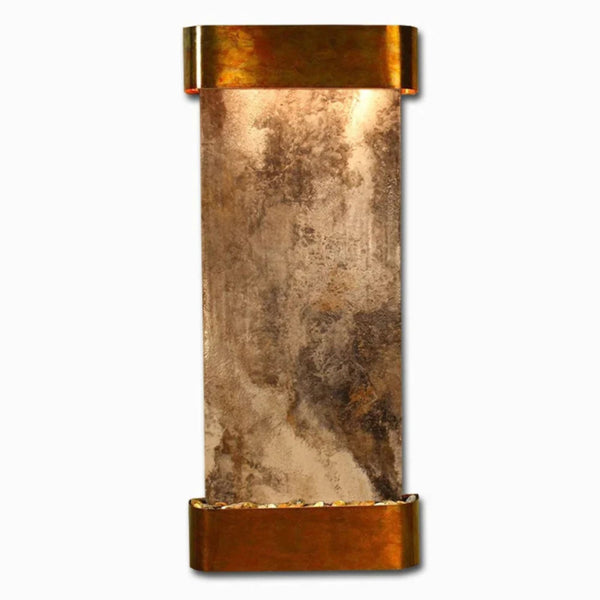
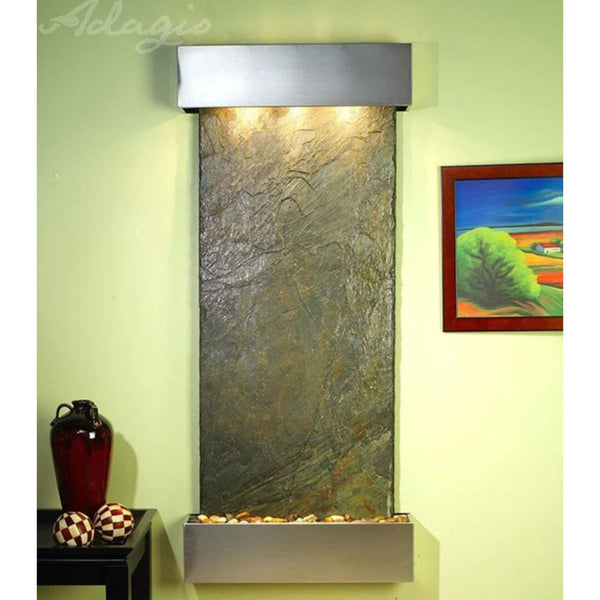
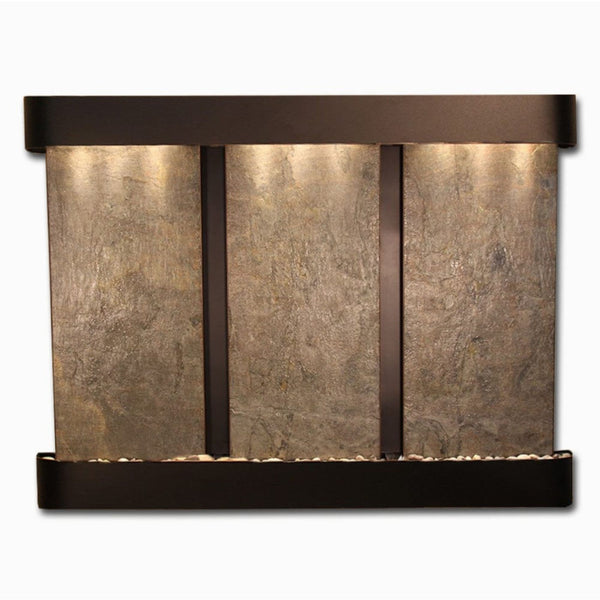
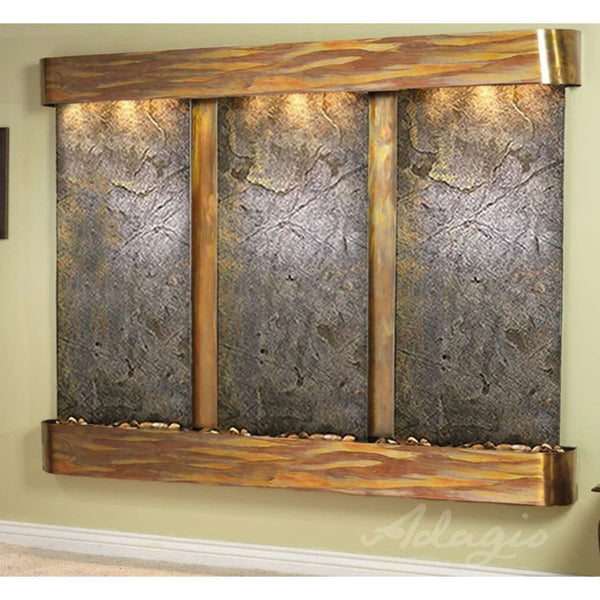
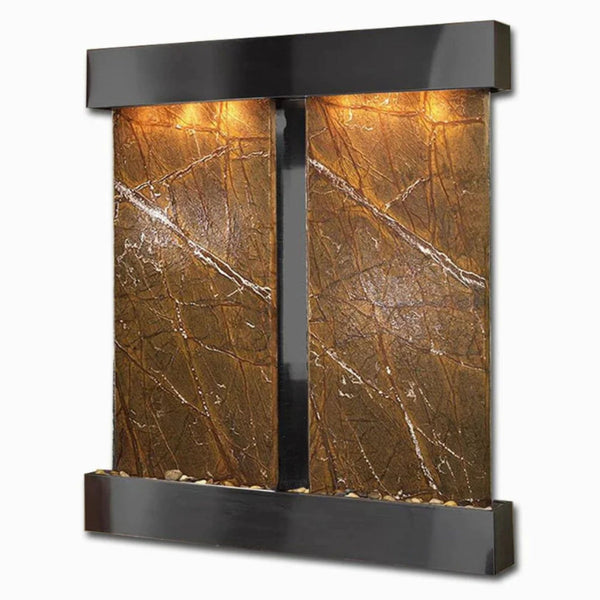
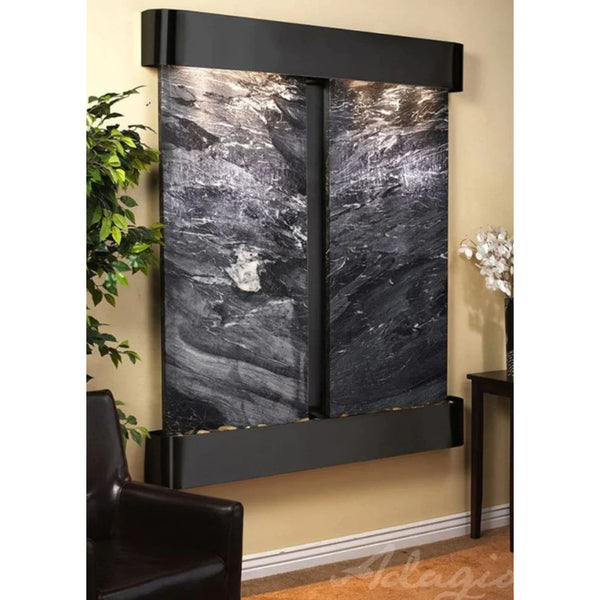
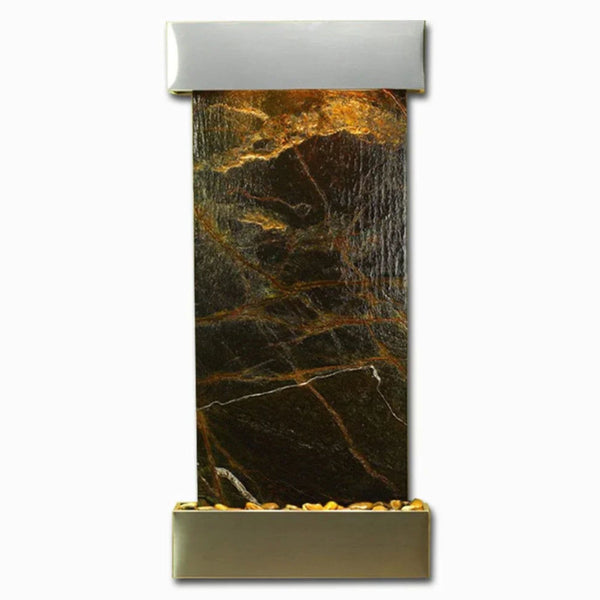
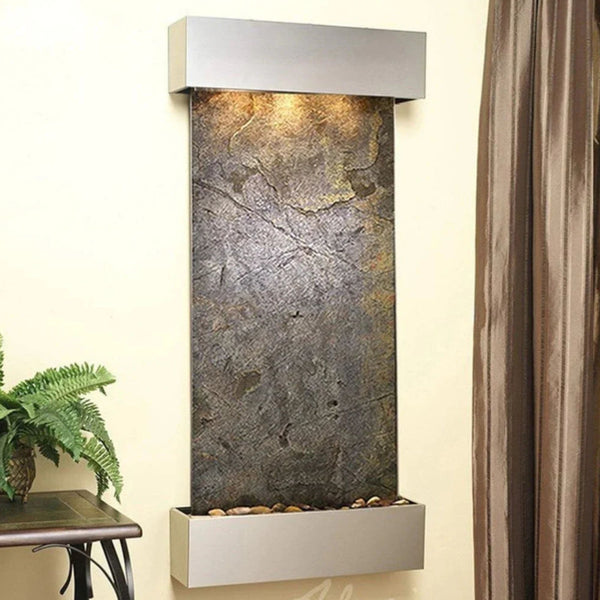
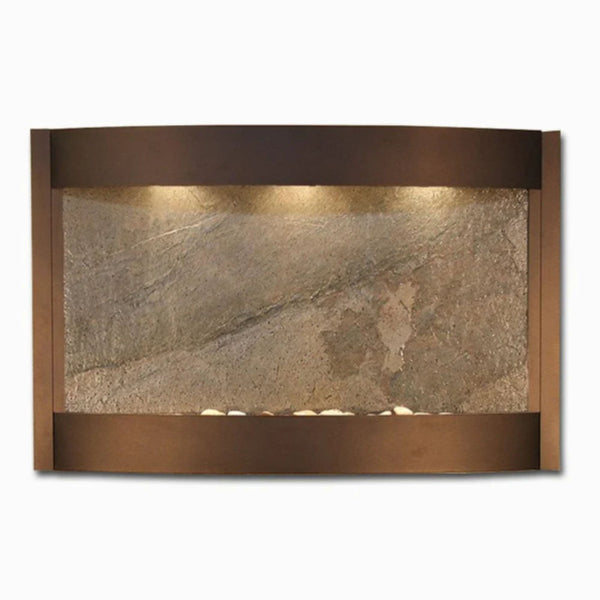
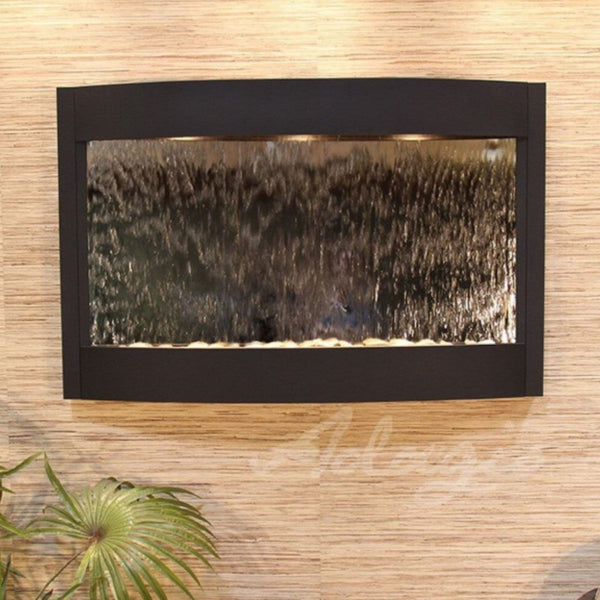
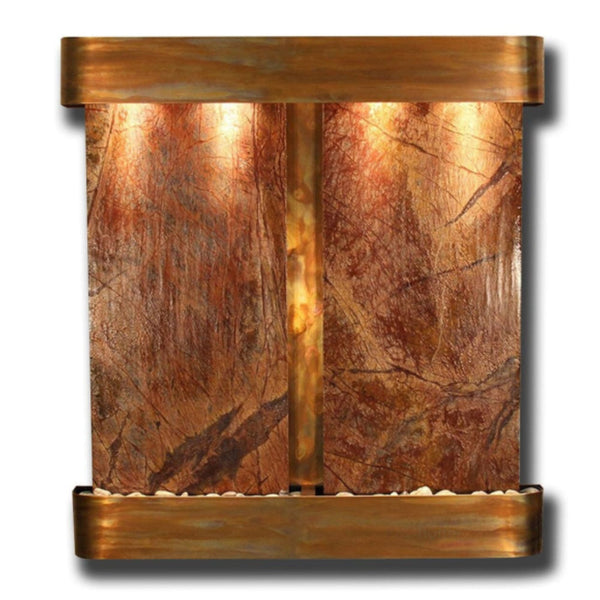
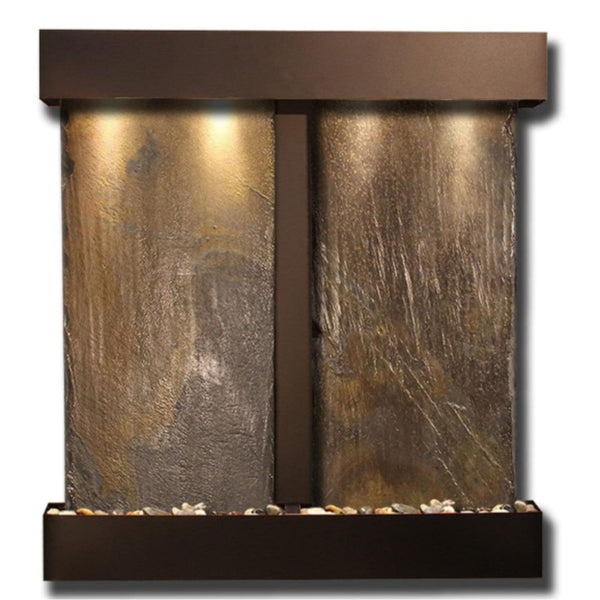
Water runs down a tall, flat face in a thin sheet, which keeps splash low. The Adagio Water Features panels work this way, such as Reflection Creek and Teton Falls.
Choose a panel when you want low splash and a quiet, steady sound, and when the wall needs to stay walkable. For clean lines like these, compare our modern outdoor fountains as well.
Cast stone wall and basin fountains
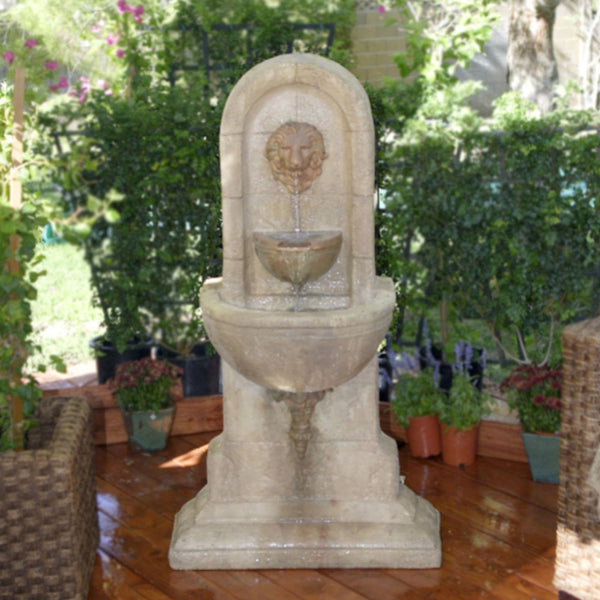
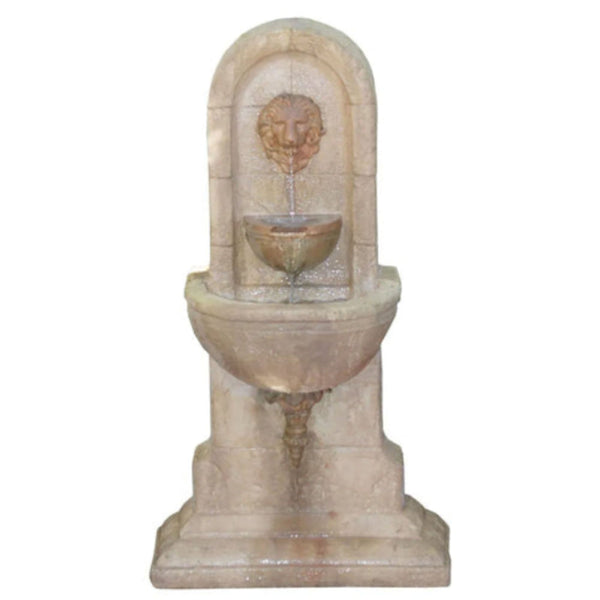
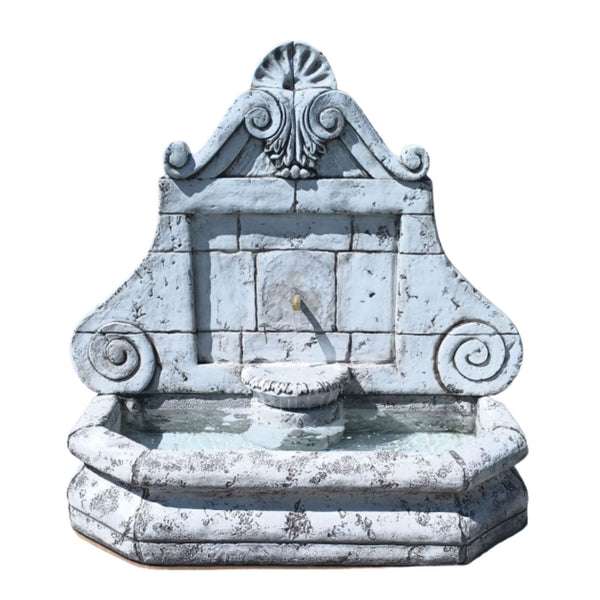
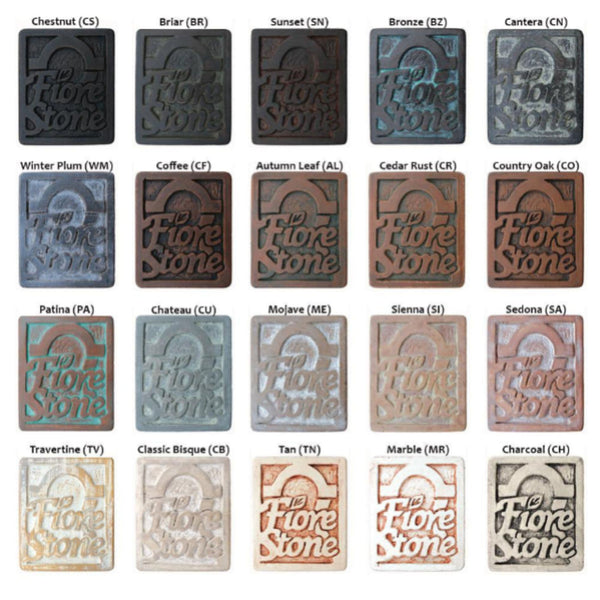
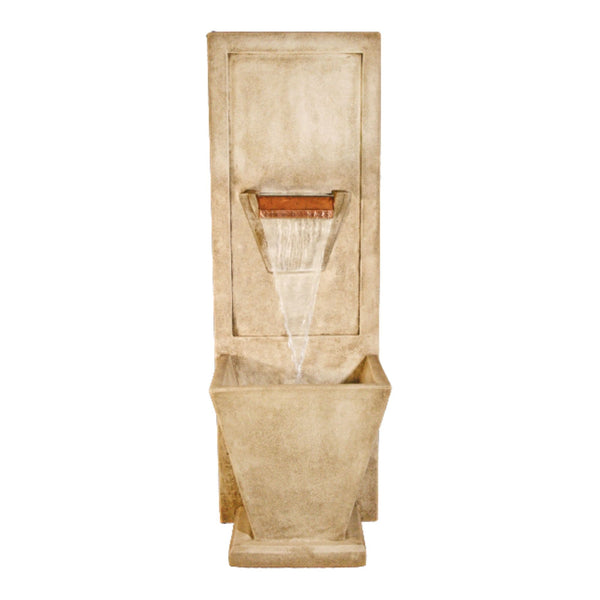
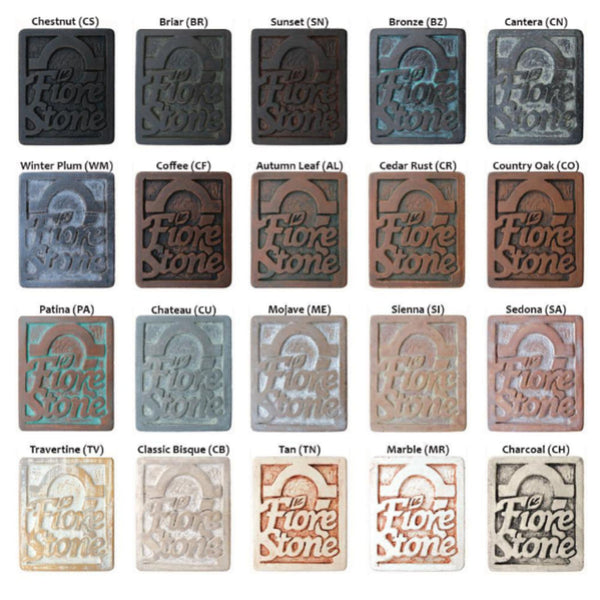
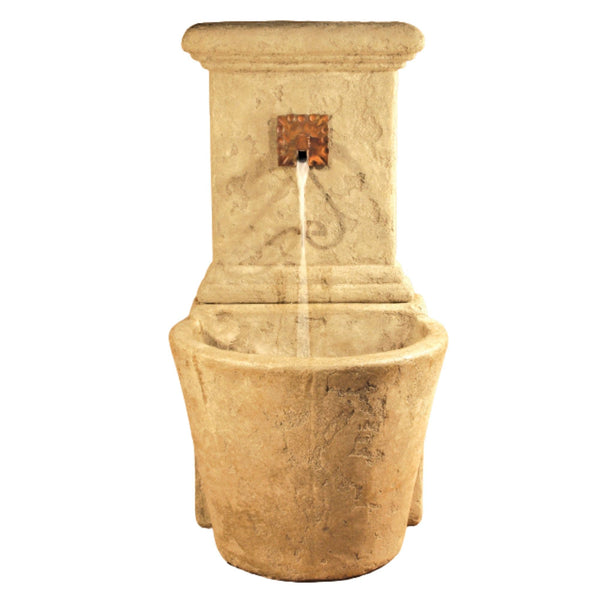
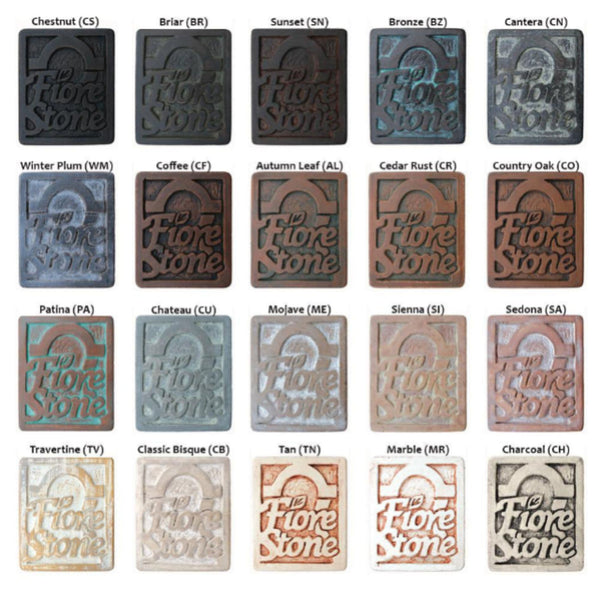
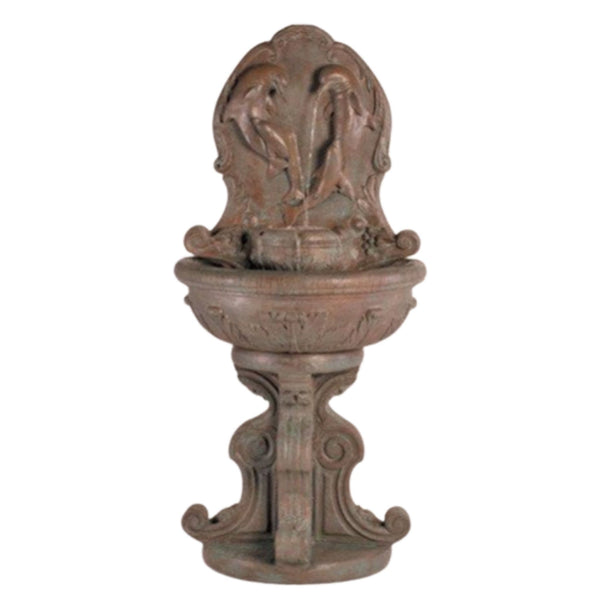
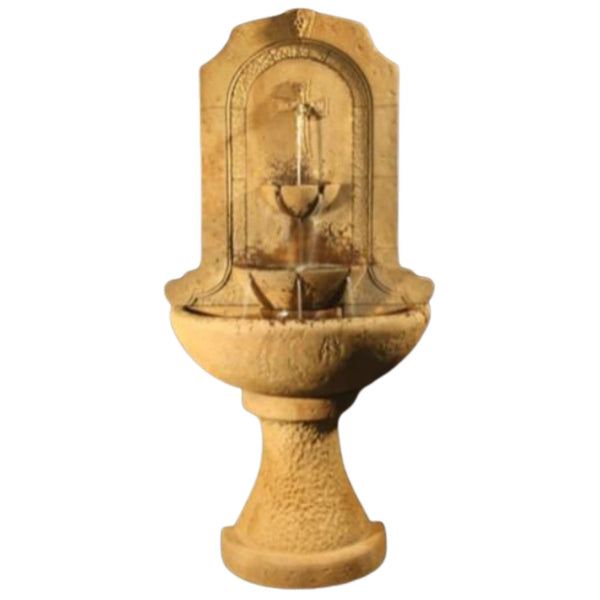
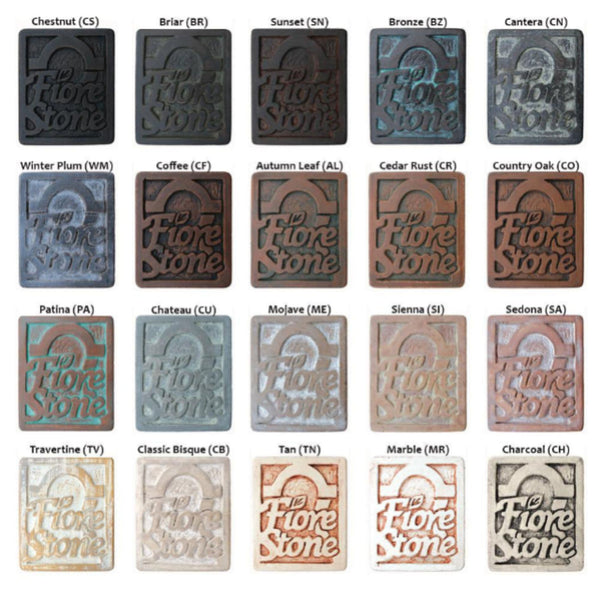
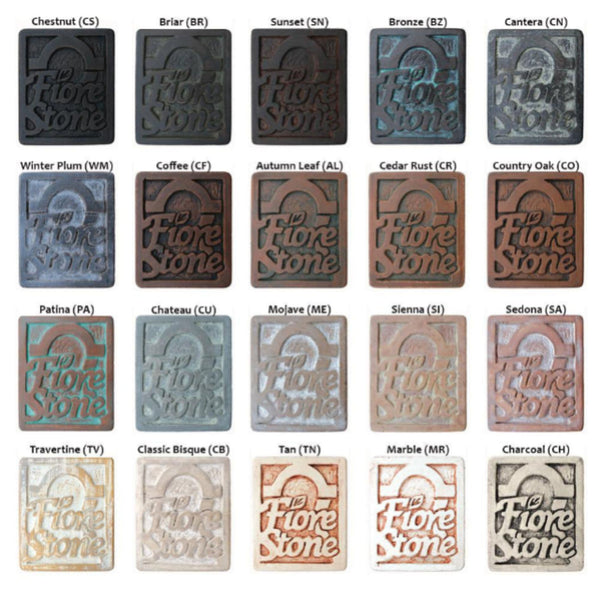
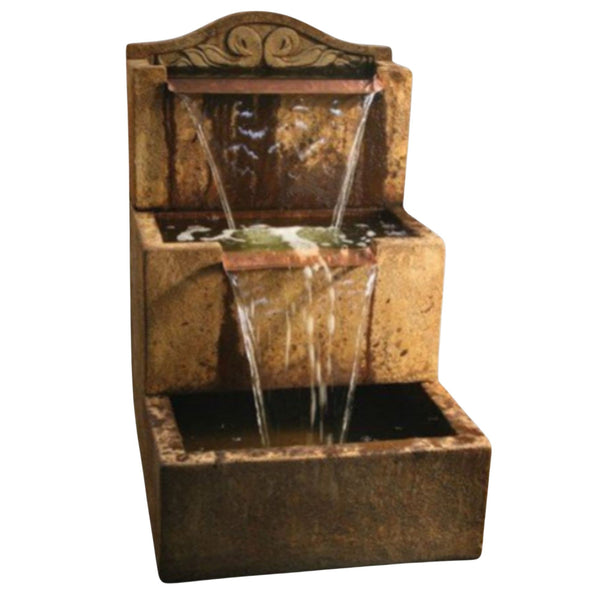
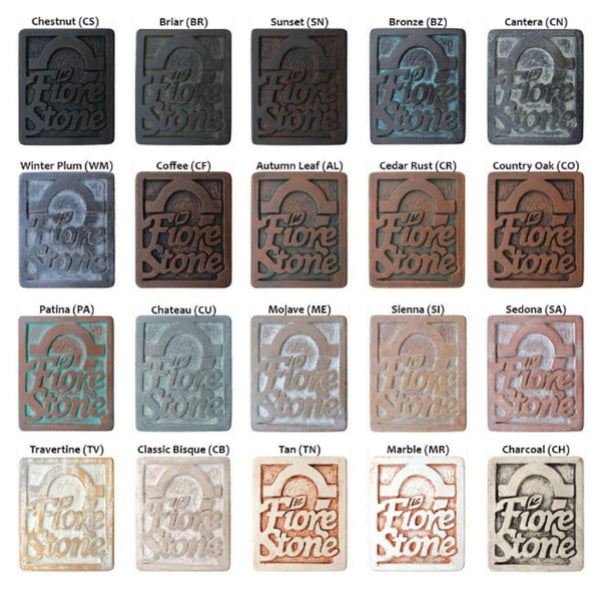
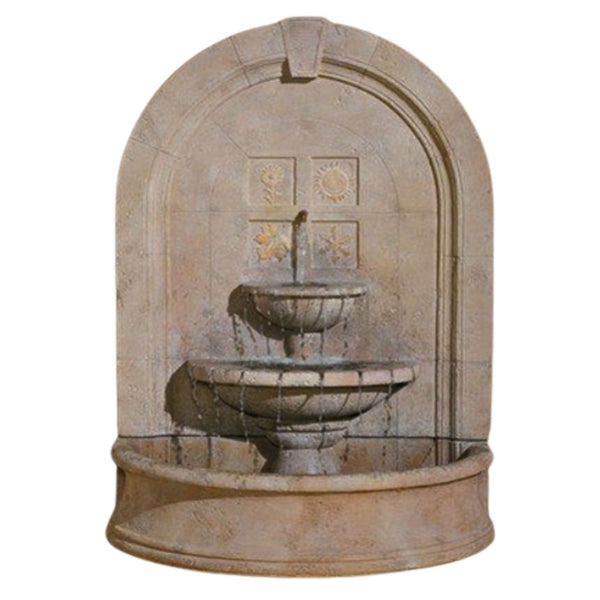
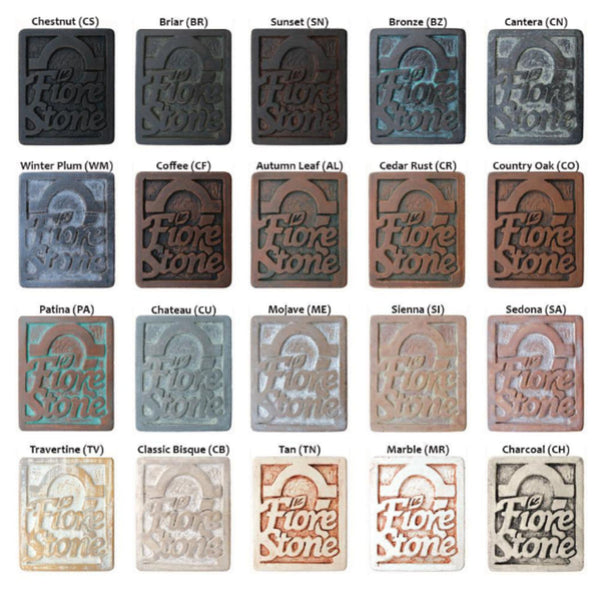
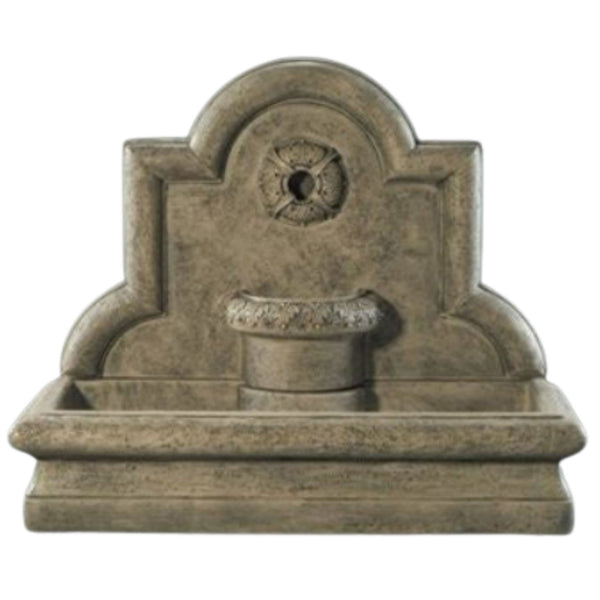
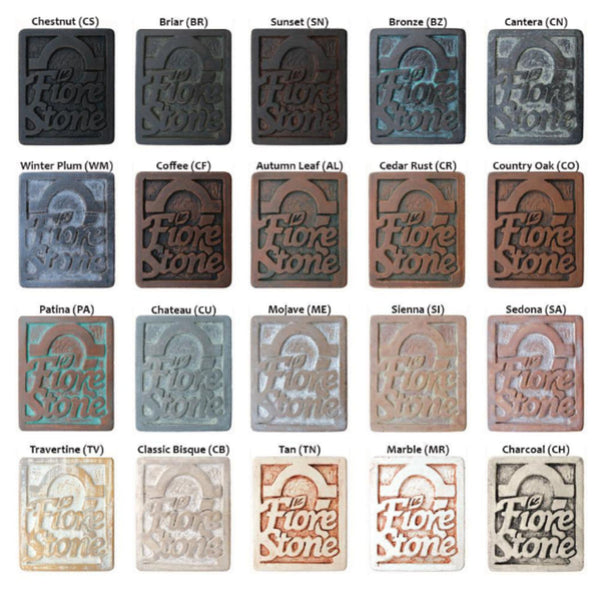
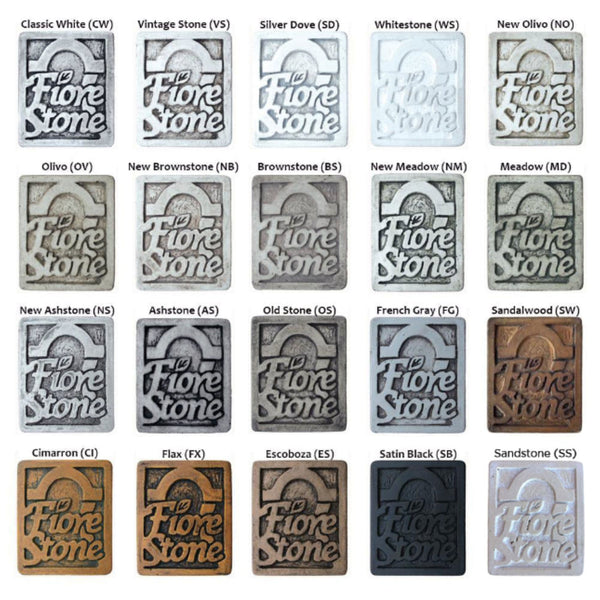
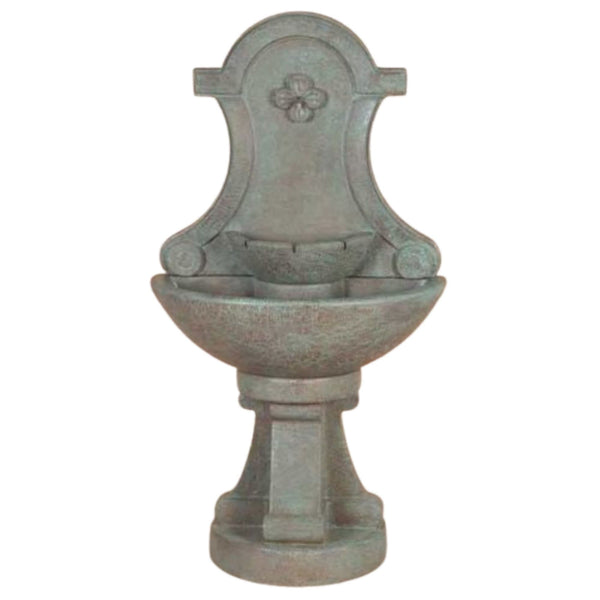
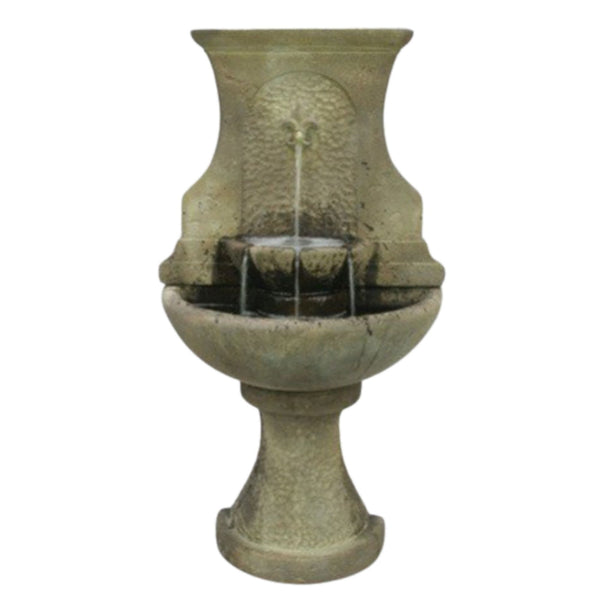
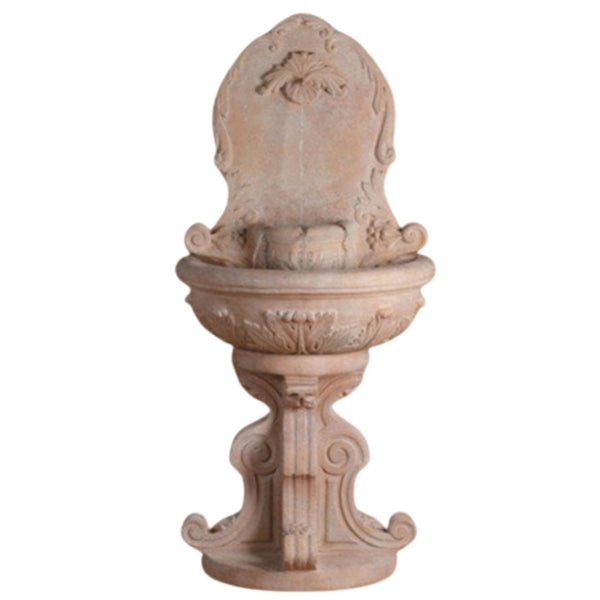
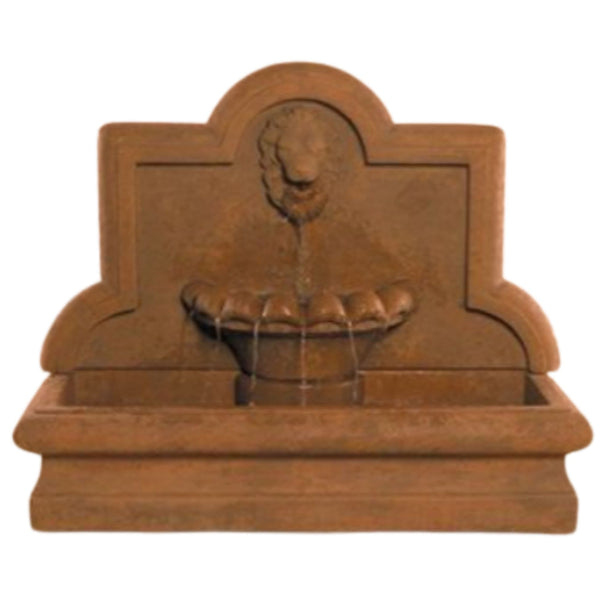
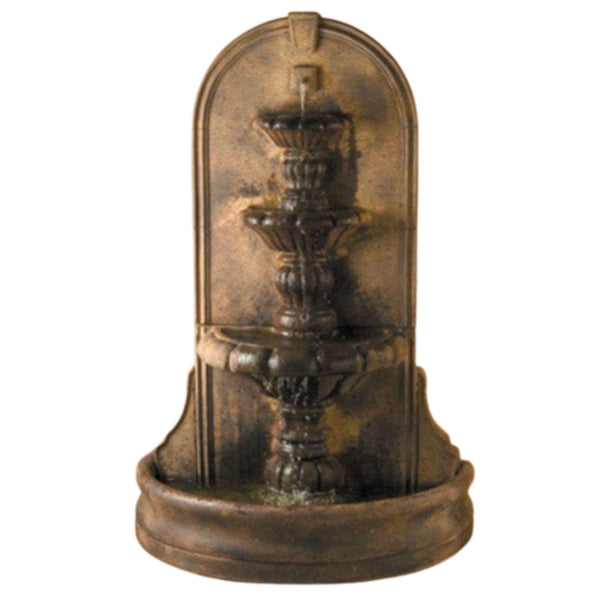
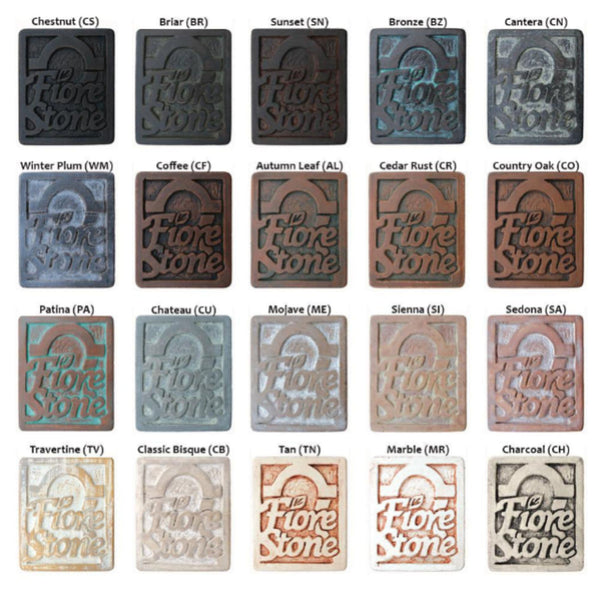
Fiore Stone models sit with a flat back against the wall, often on a patio surface, with water dropping into a tier or a basin at the base. Designs run from classic European looks such as the Provincial and Barcelona models to simpler pieces like the Fiore Wall Outdoor Fountain.
Choose cast stone when you want more sound and a garden look, and when there is room in front of the wall for the basin.
Statue and sculptural reliefs
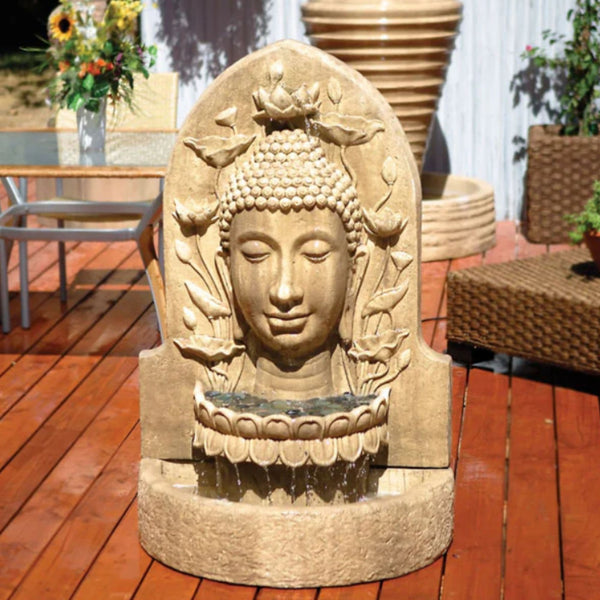
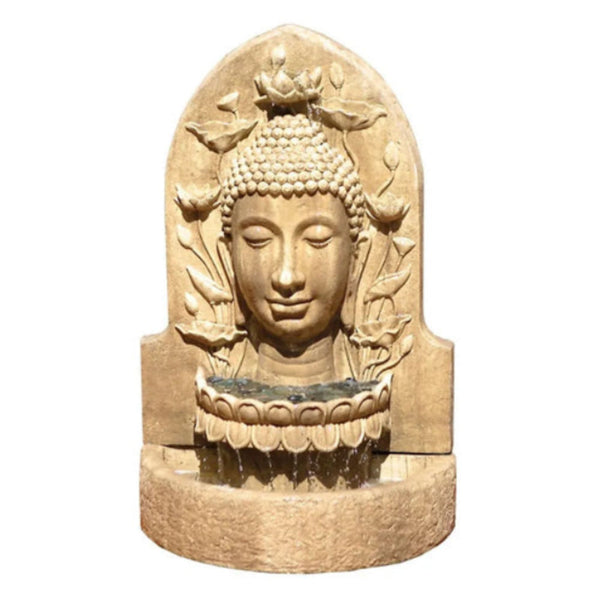
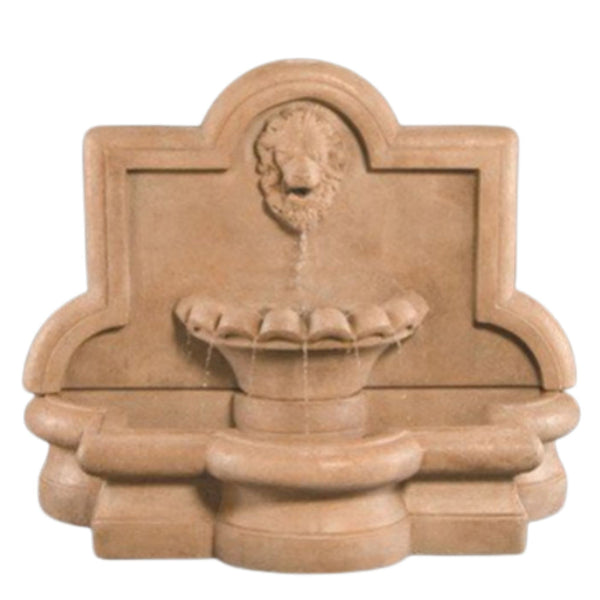
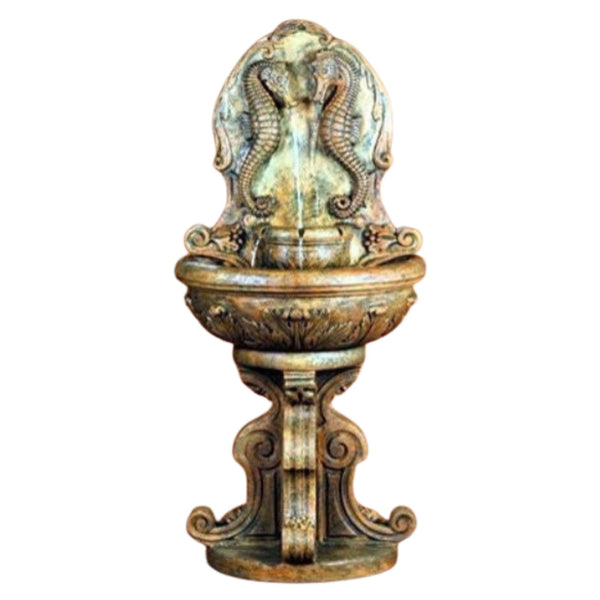
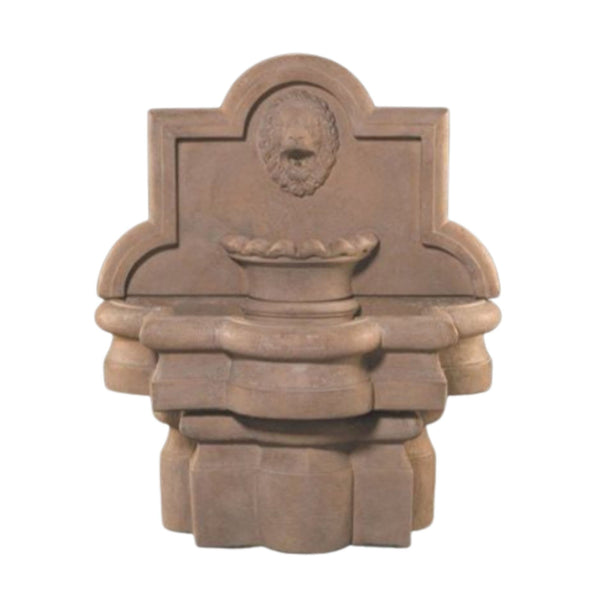
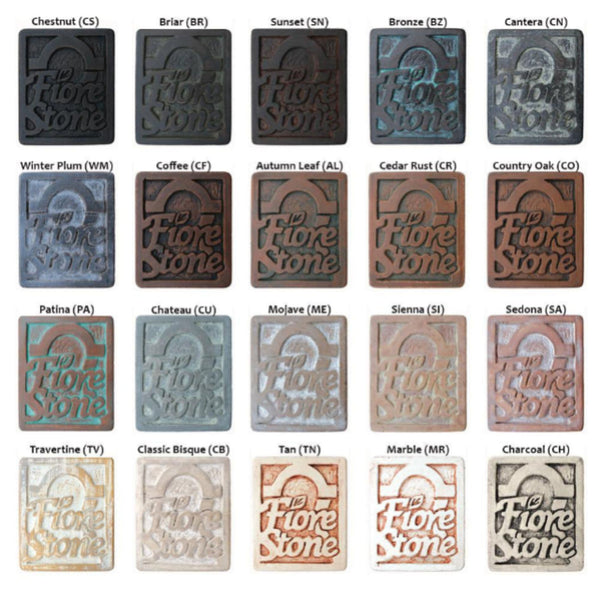
Lion heads, cherubs, dolphins, seahorses, and Buddha faces pour water into a tier below. GIST and Fiore Stone both make wall models in this style.
Choose a sculptural piece when the motif matters as much as the water, such as a Mediterranean, classical, or garden setting.
Corner wall fountains
Models like the Fiore Stone Mateo Corner and Iris Corner are shaped to sit in a 90 degree angle. Compare our corner outdoor fountains for more options built for that spot.
Choose a corner model when the only free surface is an inside angle where two walls meet.
Wall spouts mortared into custom masonry and plumbed to a water line are a separate style, and you will not find that kind of built-in spout here.
How to choose the right size or model
Start with the wall itself, then with the space in front of it.
- Wall width and height. Leave some margin around the piece. A fountain that fills the wall edge to edge tends to look crowded once it is up.
- Projection. A panel hangs close to the wall. A cast stone basin reaches out into the patio and into your walking or seating area.
- Sound. A thin sheet of water over a flat face is gentle. Taller drops through tiers make noticeably more sound, which some people want and others do not.
- Look. Clean vertical panels read as modern. Sculpted cast stone with a classic finish reads as a garden piece.
Our how to choose an outdoor fountain guide covers these points in more detail.
Installation, power and placement
Wall fountains of this kind run on a pump that circulates the water, so plan for power near the spot before you mount anything. Check the electrical and setup details on each product page.
Hanging panels need a wall that can carry the piece. Look at the wall construction and the mounting notes on the product page before you order, and ask a builder if the wall is uncertain.
Ground-supported models want a flat, level surface such as a concrete pad or pavers so the weight settles evenly. Also think about splash: tiered spillways can drift water in wind, so keep them away from wood siding or a doorway.
Not sure which one you need?
Send PondHaven the wall width and height, what the wall is made of, how much room sits in front of it, and where the nearest outlet is. We can point you to the models that fit those conditions.
No page change, it expands right here
Frequently asked questions
Quick answers to the most common questions about our outdoor wall fountains.
Do wall fountains need a plumbing line or permanent water supply?
No, none of the models on this page are built-in spouts meant to be mortared into masonry and connected to a household water line. Check the individual product page for how each one holds and moves its water before you plan the install.
What kind of wall can support a hanging panel?
A wall built to carry the piece, which usually means solid masonry or framing that the mounting can anchor into. Read the mounting notes on the product page, and confirm the wall can carry the fountain both dry and while it is running, since moving water adds weight.
How loud is the water sound?
It depends on how far the water falls. A thin sheet running down a flat panel is quiet and gentle, while water dropping through two or three tiers into a basin is much more audible. If your goal is masking street or neighbor noise, look at the tiered and basin models.
How do I protect a cast stone wall fountain in freezing weather?
Drain the basin before the first freeze and cover the piece with something breathable. Water left inside stone can freeze and crack it, so a fully drained fountain overwinters far better.
What information helps you pick the right model?
Send PondHaven your wall width and height, the wall material, how much room sits in front of it, and the nearest power location. Those four details let us point you to the models that fit.
Need expert help finding the right setup?
Contact Pond Haven Support