

Rain Outdoor Fountains


Guide & FAQ
How to choose the right rain fountain
- 3 min overview
- Flow style, scale & sound
- 5 common questions
Why people buy a rain fountain
Most people buy one for the sound. A steady fall of water can help cover traffic, air conditioners, and neighborhood noise with a continuous rain-like pattern.
It also gives a courtyard, driveway, garden clearing, or large patio a strong focal point. The water drops in a controlled vertical sheet, so the effect reads as rain rather than a splashing spout.
They tend to suit:
- yards where street or neighbor noise carries in
- large open areas that need a focal point
- anyone who wants moving water without aggressive splashing
Curtain or center: which flow style
The two styles move water differently, and each one suits a different placement.
Curtain rain fountains
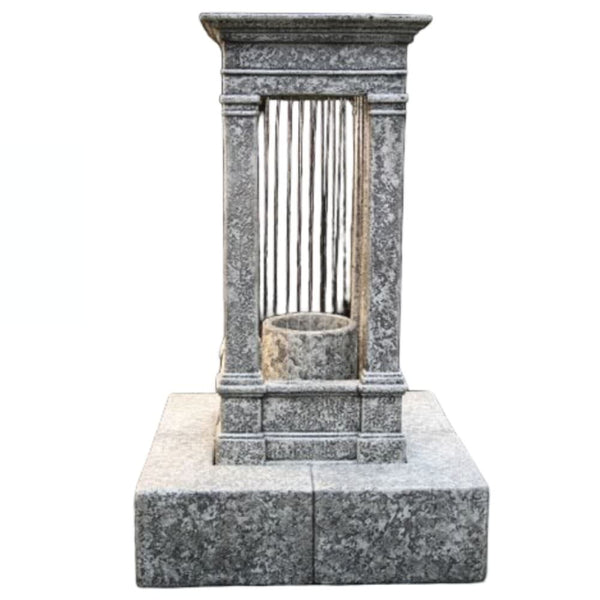
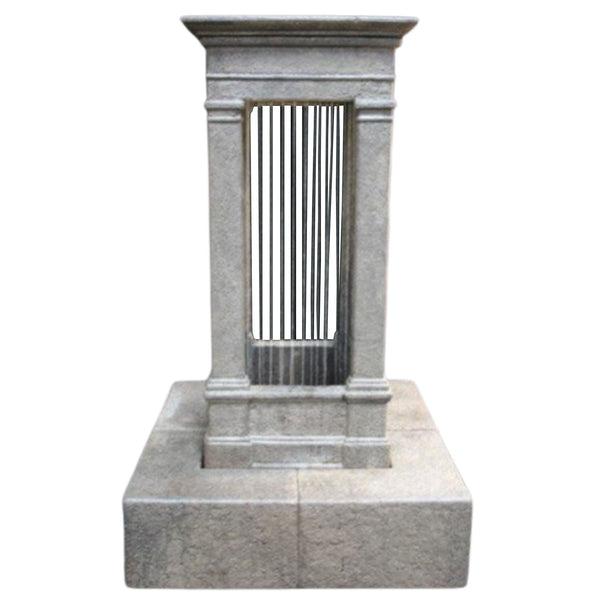
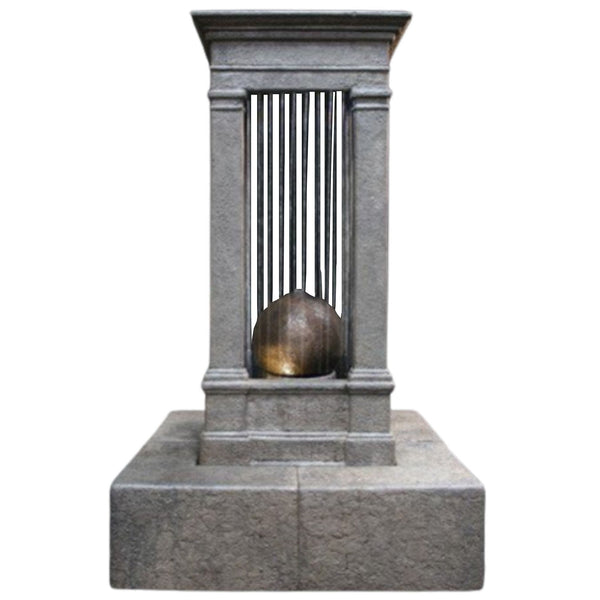
Water releases along a wide, flat beam and falls as a broad sheet. Choose a curtain when you want a backdrop, a wide sightline, or a screen of water that divides one part of a garden from another. The Old World Curtain and Smooth Curtain models fall in this group.
Center rain fountains
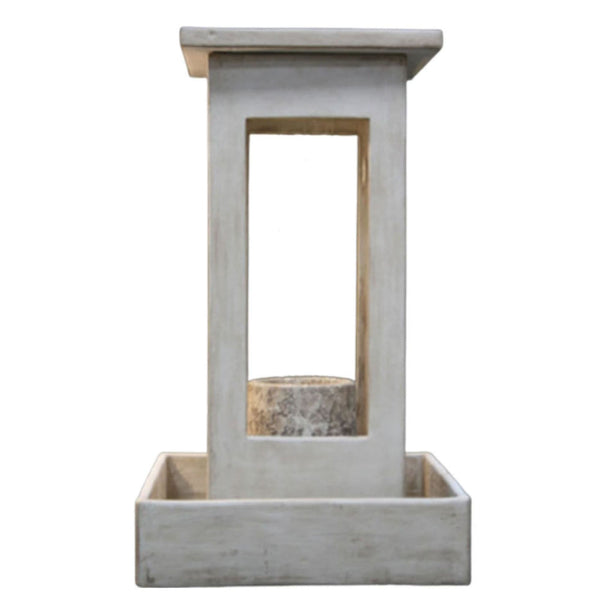
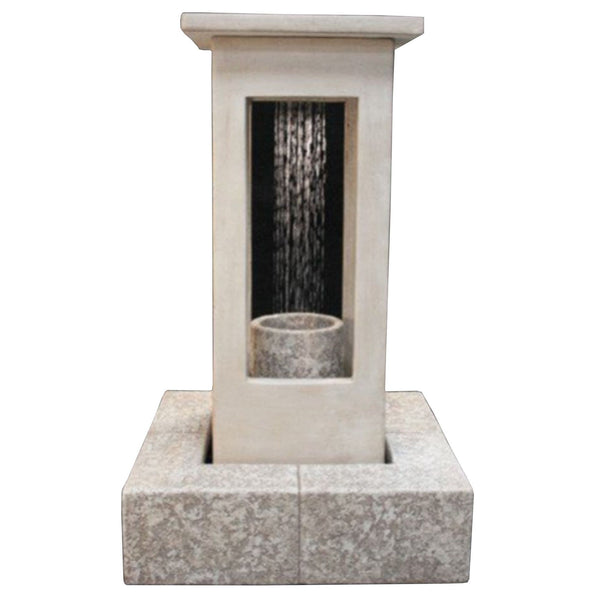
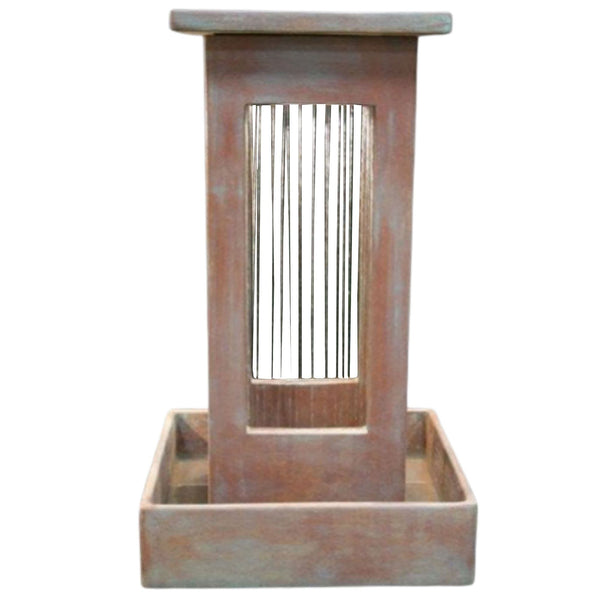
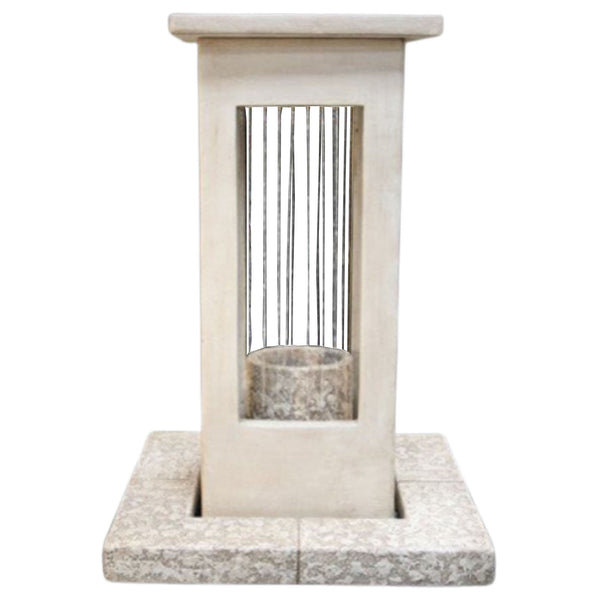
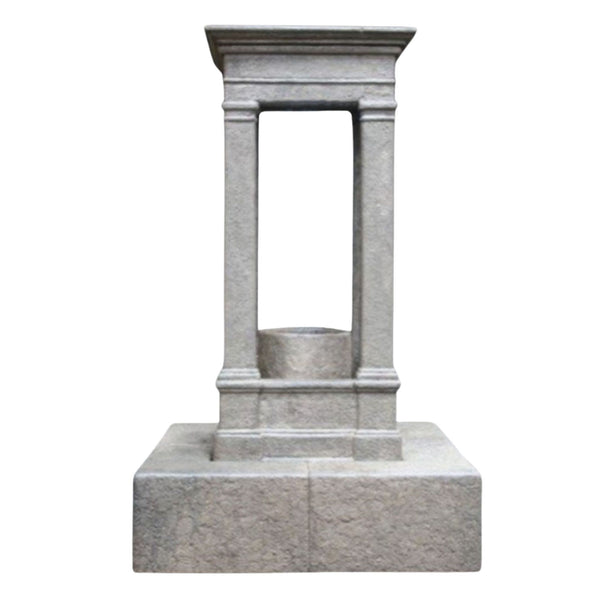
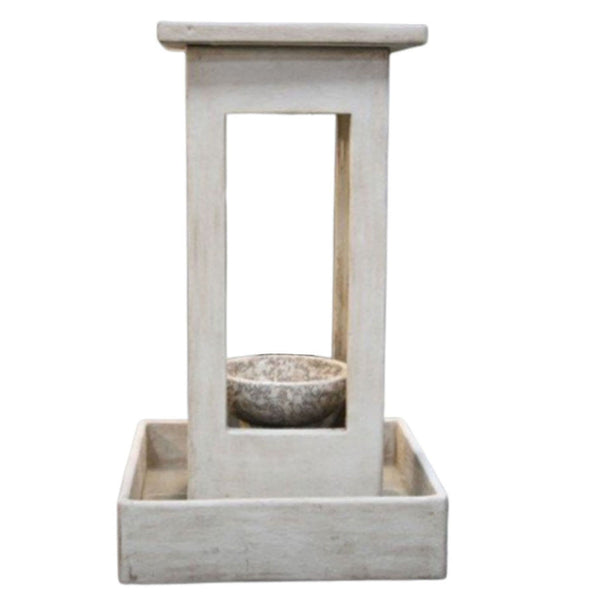
Water drops from a raised column, bowl, or canopy into the basin below, and the piece reads well from every side. Choose a center model when the fountain stands on its own in a circular driveway, square courtyard, or open area where people walk around it.
If you want water moving flat against a structural wall, compare our outdoor wall fountains instead.
Height, scale and how loud it gets
Height decides how much space the piece takes up and how far the water falls. Models here run from patio-scale pieces up to tall estate-scale columns, so match the height to the area it will stand in.
Sound
These sit at the louder end of outdoor fountains, which is usually why people buy them. The vertical drop into a stone basin gives a full, steady sound, and a taller piece with a larger basin generally makes more of it.
Base, power and placement
Cast stone pieces at this scale are heavy, so plan where the fountain will stand before you order.
- Set it on a level, solid base that can carry the weight, such as a poured concrete pad or compacted pavers.
- Plan for an outdoor-rated GFCI outlet near the spot. The fountain recirculates its own water, so no permanent plumbing line is needed.
- Leave some room around the piece. A downward rain pattern can drift onto nearby paving when the wind picks up.
- In freeze-thaw climates, drain and cover the basin over winter so ice does not crack the stone.
For placement and sizing advice, see our guide to choosing an outdoor fountain.
Material, finish and what comes with it
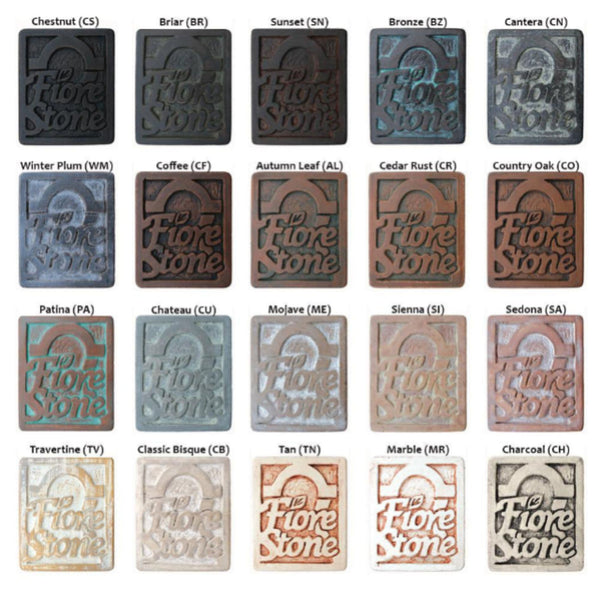
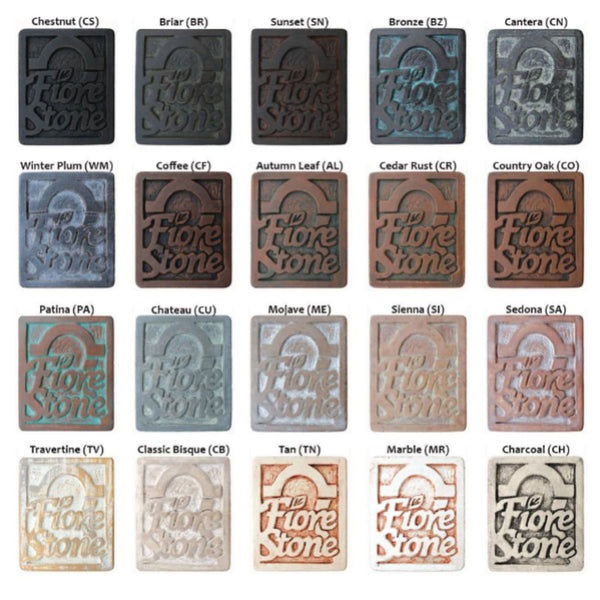
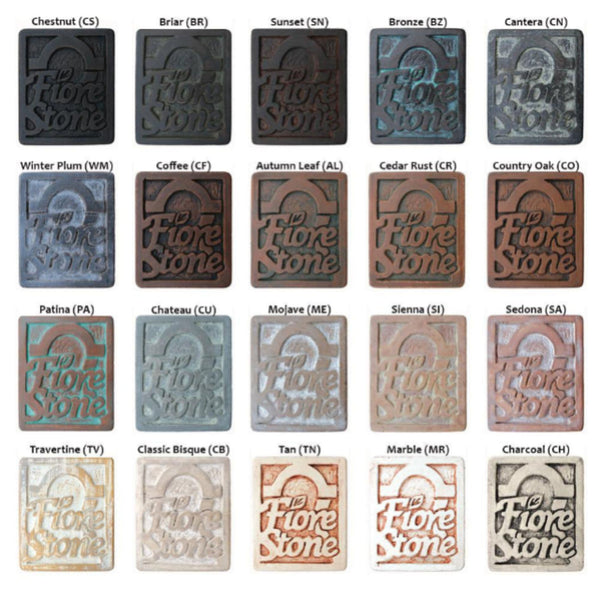
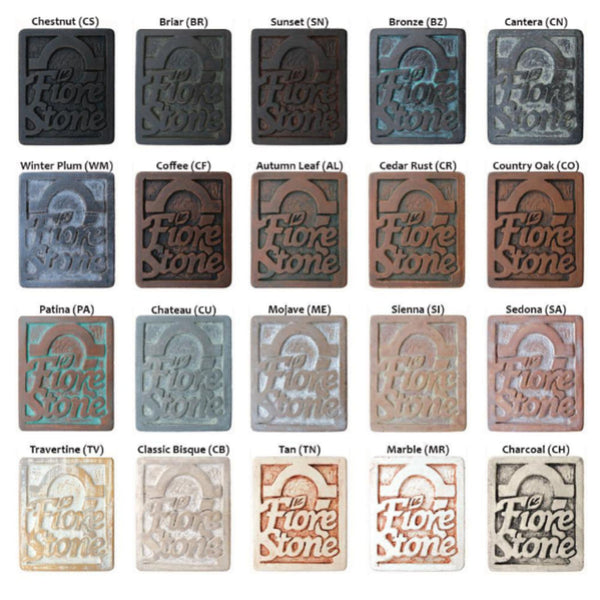
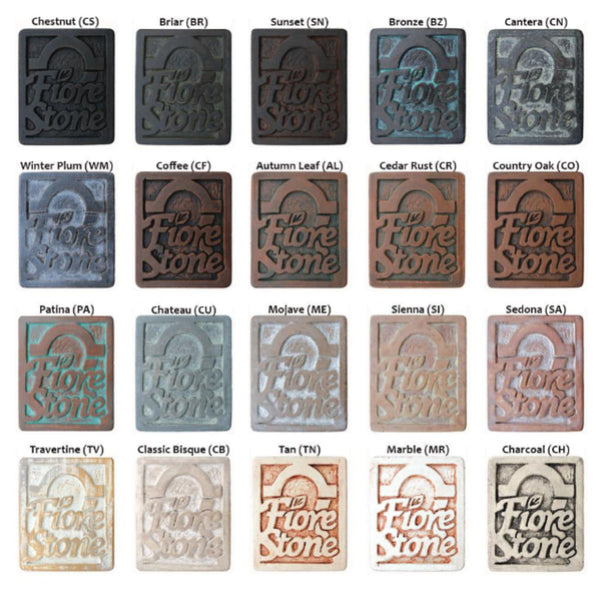
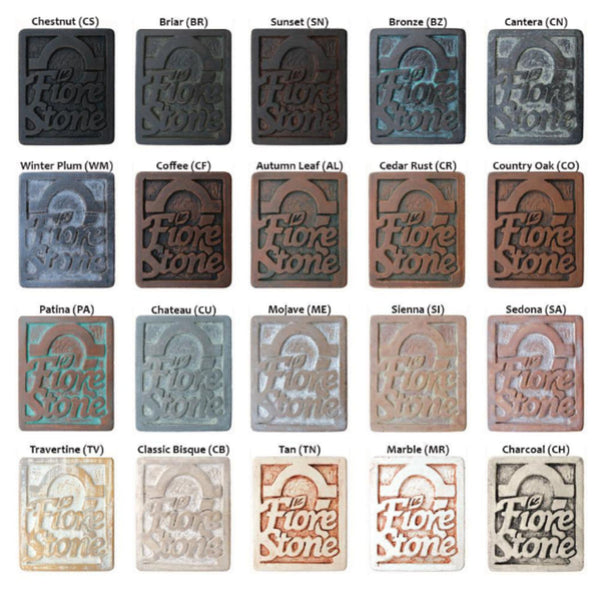
Every piece here is handcrafted cast stone from Fiore Stone, in traditional Old World detailing or clean modern lines. More than 40 finishes are available, so the color can be matched to existing stone or paving.
Most models come with a pool or basin as part of the fountain, and one short curtain model does not. Check the individual product page for the parts list before you order.
Not sure which one you need?
Send us a few details and we can point you to the right model: the size of the area, the viewing distance and angle, how much sound you want, and if the fountain will be seen from one side or all around.
No page change, it expands right here
Frequently asked questions
Quick answers to the most common questions about our rain outdoor fountains.
What is the difference between a curtain rain fountain and a center rain fountain?
A curtain model releases water along a wide beam so it falls as a broad sheet, while a center model drops water from a raised column or canopy into the basin below. Choose a curtain for a backdrop or screen, and a center model for a piece viewed from all sides.
Are these fountains loud enough to help cover street and neighborhood noise?
They can help, and they sit at the louder end of outdoor fountains. The water falls as a continuous sheet into a stone basin, which gives a steady, masking sound rather than a light trickle.
Do these fountains need a permanent plumbing line?
No, they recirculate their own water, so no plumbed water line is needed. They do need power nearby, so plan for an outdoor-rated GFCI outlet within reach of the fountain.
What kind of base do they need?
A level, solid base that can hold a heavy cast stone piece, such as a poured concrete pad or compacted pavers. An uneven base can let water spill over one edge.
What should I send you to get a recommendation?
Send the size of the area, the viewing distance and angle, how much sound you want, and if the fountain will be seen from one side or all around. We can use those details to narrow this group to a few models that fit.
Need expert help finding the right setup?
Contact Pond Haven Support