

Vase Outdoor Fountains









 View product



Guide & FAQ
How to choose the right urn fountain
- 3 min overview
- Types, basins, sound and placement
- 5 common questions
Why add an urn fountain?
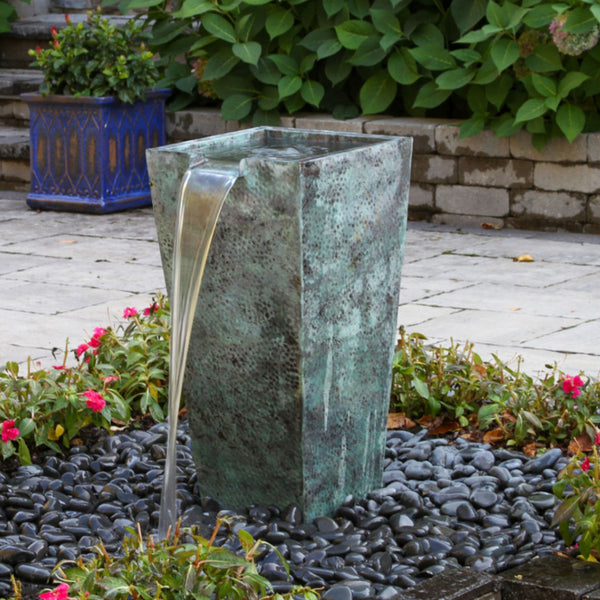
An urn fountain gives a patio, garden bed, or courtyard a standing focal point with height, water movement, and sound. Because the vessel stands upright, it brings that presence without taking up much ground space.
That compact footprint suits entryways, walkway ends, and small seating areas where a wide fountain would not fit. The steady sound can also help cover street and neighborhood noise around outdoor seating.
The main types, and when to choose each
Urn fountains come in a few formats. The real difference is where the water lands and how much open water you want to see.
Urns in an open basin
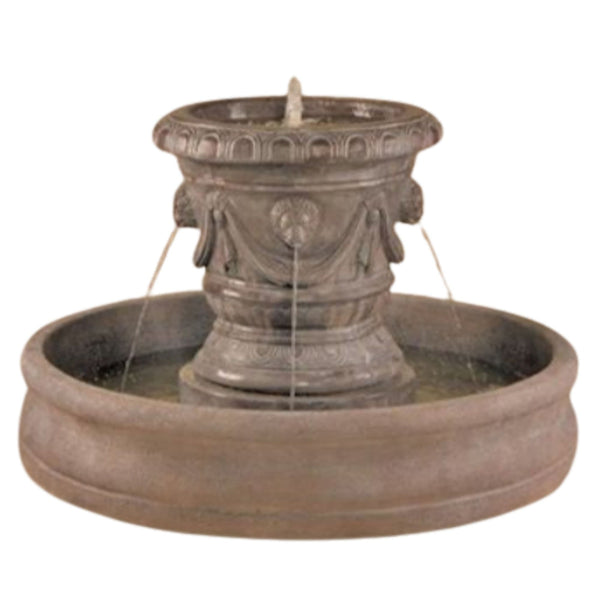
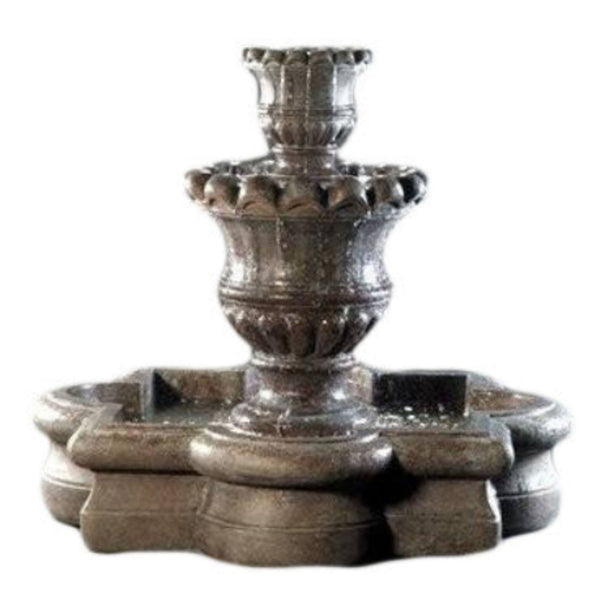
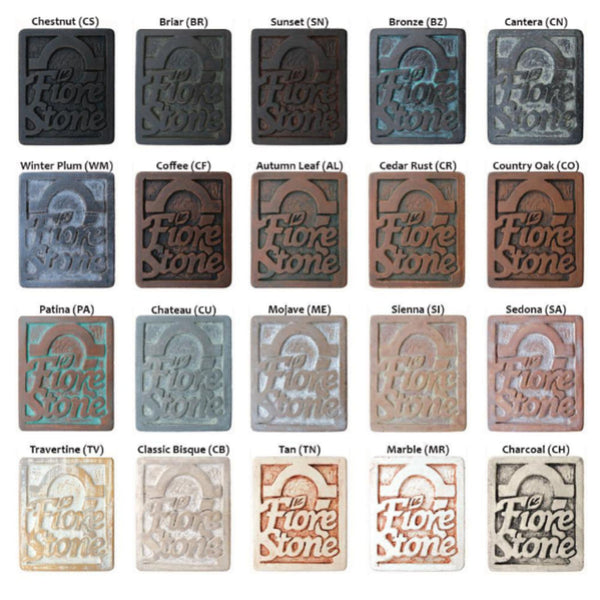
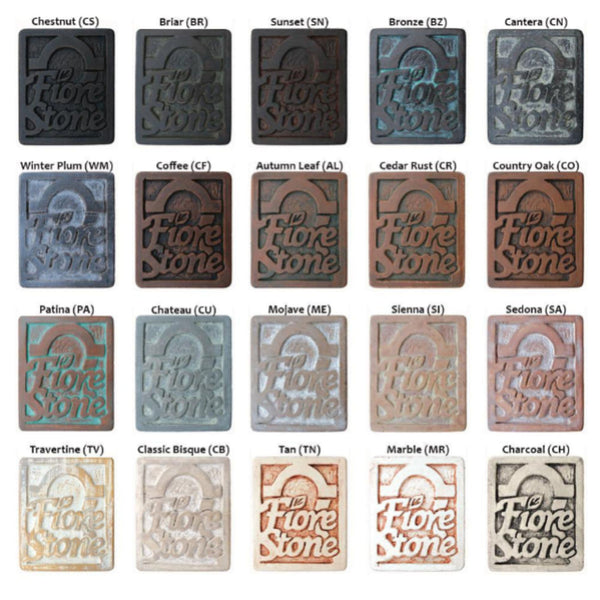
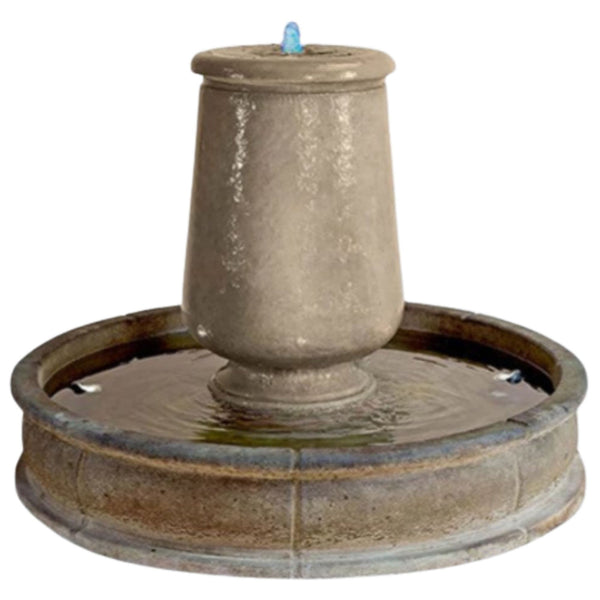
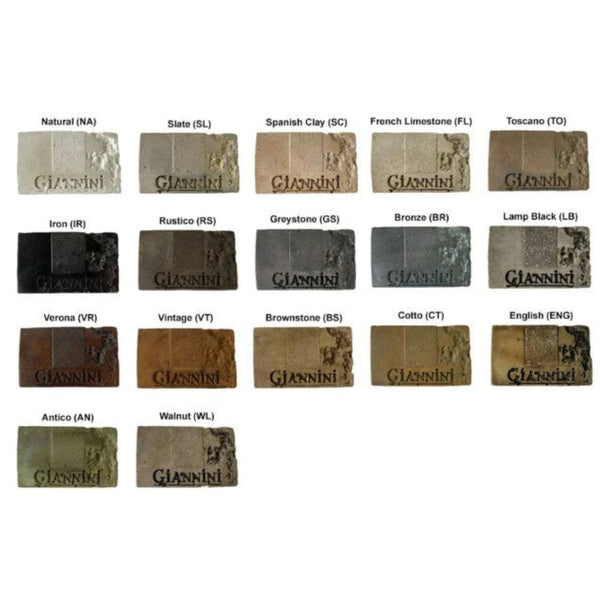
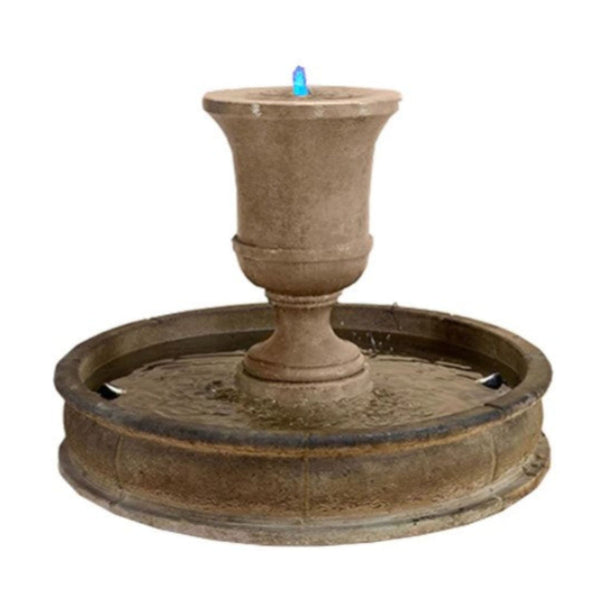
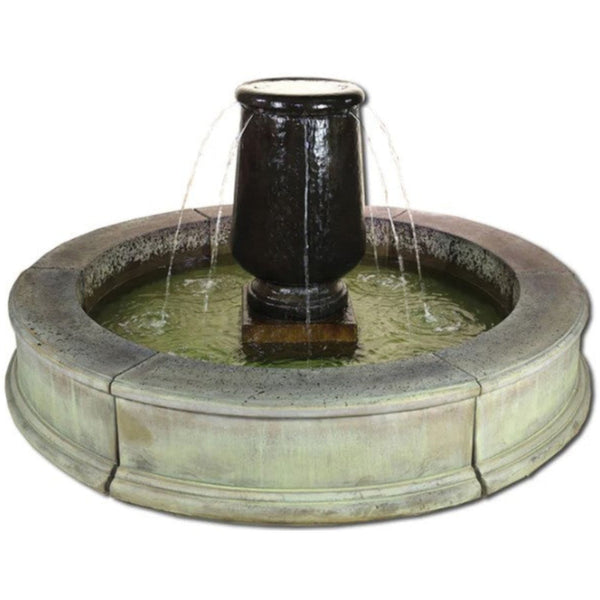
Choose an open basin when visible standing water and reflections should be part of the display. Fiore Stone pairs urns with round and quatrefoil basins, and Giannini Garden offers urns with 51 inch ponds.
The tradeoff is space and upkeep. A wide basin wants more ground clearance, and the water surface will collect leaves and debris.
Self-contained and pondless urns
Choose a self-contained urn when you would rather not keep an open pool of water around. Fiore Stone builds some urns over a 2 foot reservoir, and several Blue Thumb models are listed without a pool or basin.
With no open pool to skim, these are a sensible choice where standing water is a concern around small children or pets. They also suit gravel beds and tight spots where a wide basin would not fit.
Multi-urn groupings
Choose a triple urn when you want a wider display and more sound. Blue Thumb's triple stone urns are graduated at 24, 30, and 36 inches, and its triple Corten steel fountain uses spouted urns in a similar grouping.
Wall-mounted urns
Choose a wall urn when ground space is tight. Giannini Garden's Etruria urn wall fountains sit flat against an exterior wall, with or without a spout, and suit narrow walkways and small patios.
If your spot needs a tighter fit, compare our outdoor corner fountains. For water that starts at the top and falls downward, see our rain outdoor fountains.
How to choose the right size, material and sound
Three things settle most of the decision. Match them to the space rather than to the fountain you like the look of.
- Scale. Small urns sit well along a patio edge. Urns in 46 or 55 inch basins are built for open areas such as a driveway island or a broad courtyard.
- Material and weight. Cast stone and stone pieces are heavy and hold their place in wind and weather. Brass brings a hand-applied aqua patina, and Corten steel weathers to a naturally rusted, aged finish.
- Sound and flow. A top bubbler gives a gentle trickle that suits quiet seating areas. Spouts, tiered cascades, and multi-urn sets move more water and produce fuller sound for masking traffic noise.
Not sure which end of that scale you need? Browse vase outdoor fountains for slimmer shapes, or outdoor bubbler fountains if gentle sound is the main goal.
Placement and power
Stone and cast stone pieces are heavy, so plan on a level, stable base such as compacted gravel or a poured pad. An unlevel or soft base leads to settling, which shows up as uneven flow over the lip.
Wide basins splash, so leave room between the fountain and nearby paths, seating, and furniture.
Like most outdoor water features, these run on a recirculating pump that plugs into an outdoor outlet, so having power near the spot matters. A GFCI-protected outlet is standard practice near water. Check each product page for what is included with that fountain and what its pump needs.
Not sure which one you need?
Send PondHaven the size of your space, how much open water you want, the sound level you prefer, and where power is available. We can point you to the pieces that fit.
For broader sizing help, read our how to choose an outdoor fountain guide.
No page change, it expands right here
Frequently asked questions
Quick answers to the most common questions about our vase outdoor fountains.
Does an urn fountain need a continuous water line?
No. It recirculates the same water with a pump, so you fill it once and top it up as evaporation lowers the level. Check the individual product page for what is included with each model and what its pump requires.
What is the difference between an open basin and a pondless urn fountain?
An open basin holds visible standing water in a round, quatrefoil, or pond-style pool beneath the urn. A pondless or self-contained urn keeps the water out of an open pool instead, which takes less space and leaves less to skim. Fiore Stone offers pieces with a 2 foot reservoir, and several Blue Thumb models are listed without a pool or basin.
What foundation does a cast stone urn fountain need?
A flat, level base such as compacted gravel or a poured pad. Cast stone and stone pieces are heavy, and a base that settles or sits unevenly shows up as lopsided water flow over the lip.
How loud is an urn fountain?
Flow style drives the sound. A small top bubbler gives a gentle trickle, while spouts, tiered cascades, and multi-urn sets move more water and make more noise. If you want the sound to cover traffic noise, look at spouted or multi-urn designs and check the product page for the flow details listed there.
What information helps you narrow down the right urn?
Send us your space dimensions, how much open water you want, your preferred sound level, and where power is available. Those four details are usually enough for us to point you to a few good fits.
Need expert help finding the right setup?
Contact Pond Haven Support