

Waterfall / Cascading Fountains
Create a soothing, natural flow with our outdoor waterfall fountains - where movement meets tranquillity. These elegant cascading designs add sound, style, and serenity to your garden or patio. Shop the collection and let your landscape come to life.

Guide & FAQ
Everything to know before choosing a waterfall fountain
- 3 min overview
- Sound, size & placement
- 7 common questions
Start with the kind of water movement you like
Not all waterfall fountains create the same effect.
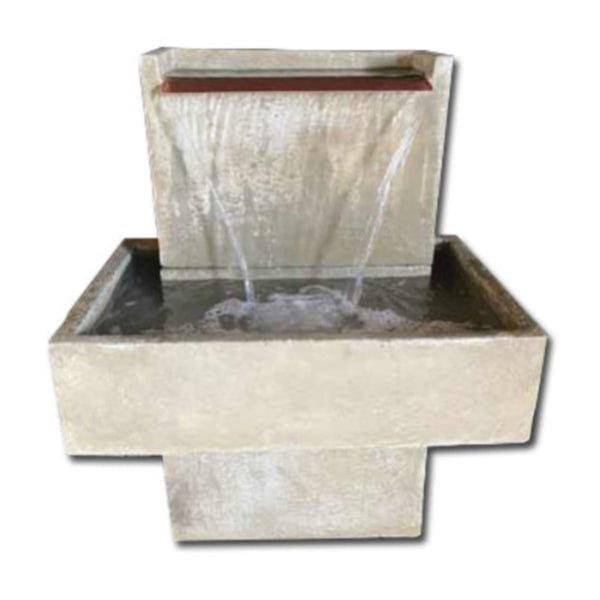
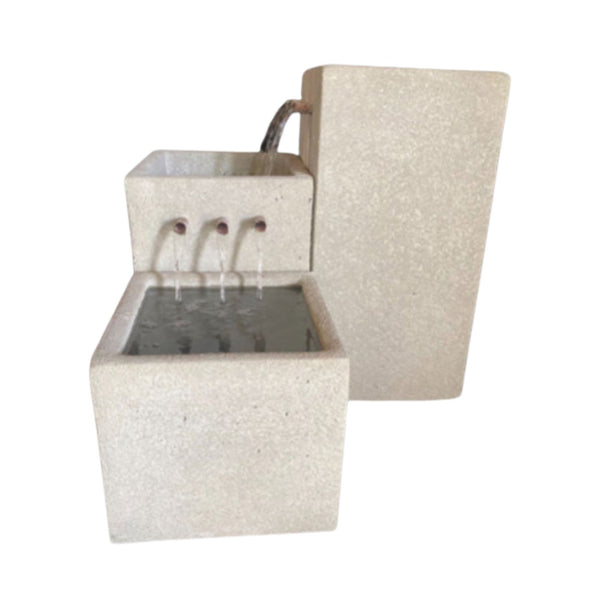
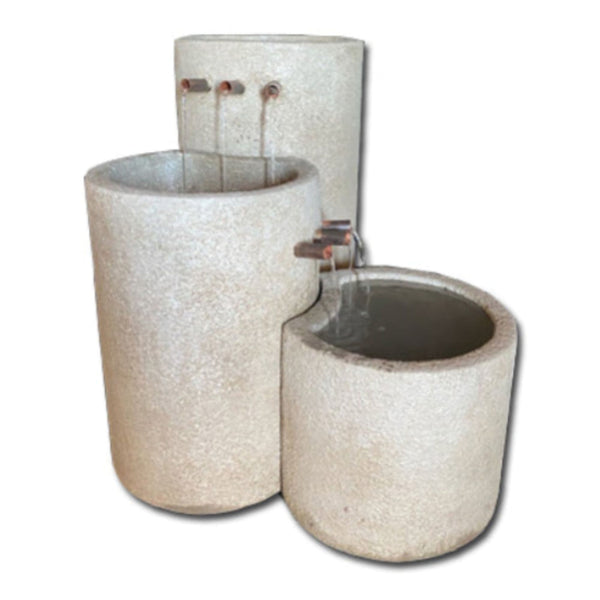
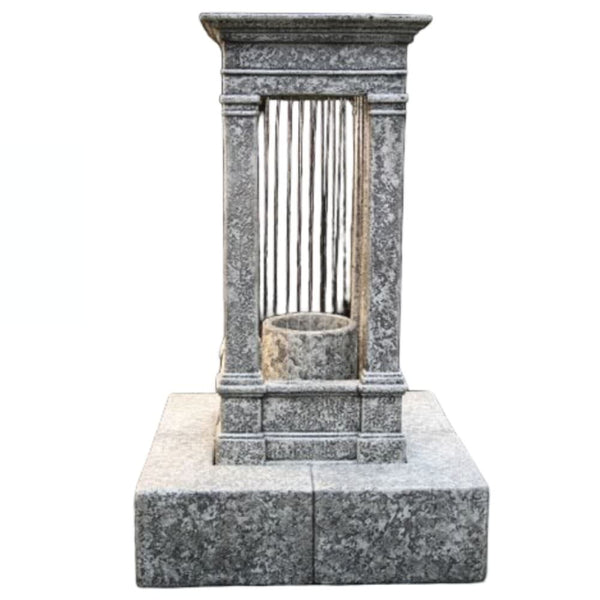
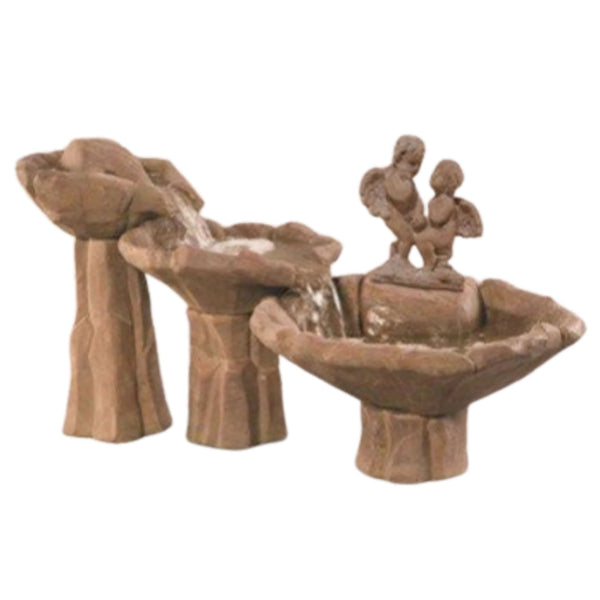
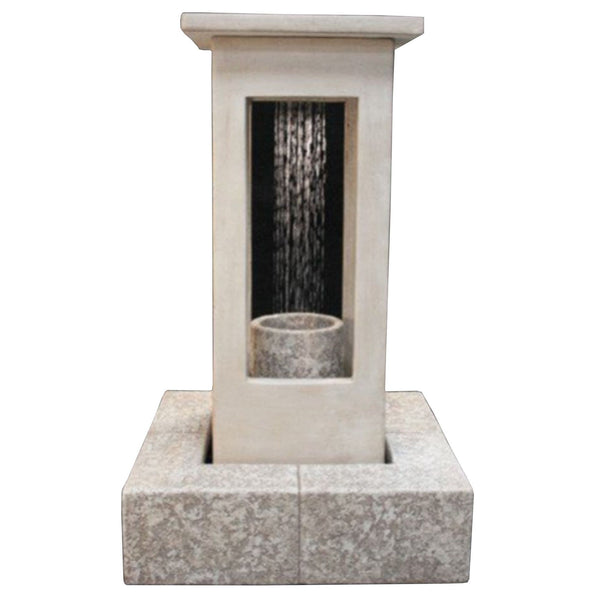
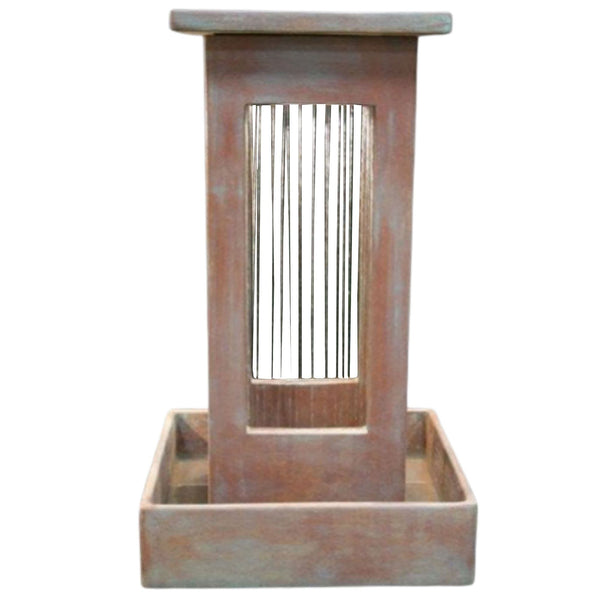
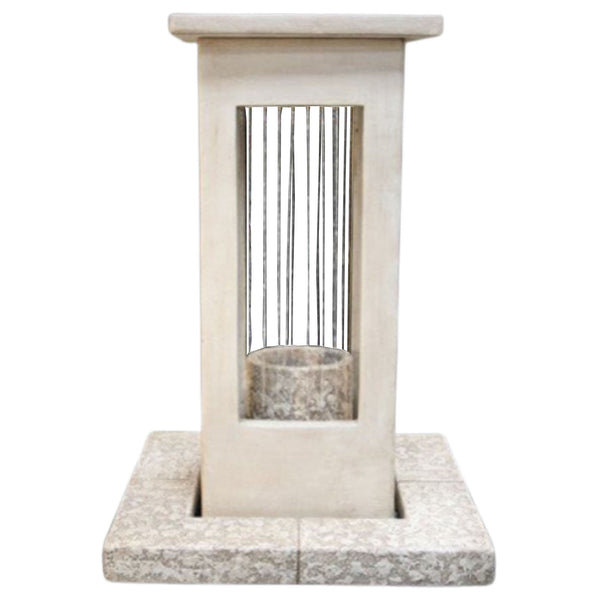
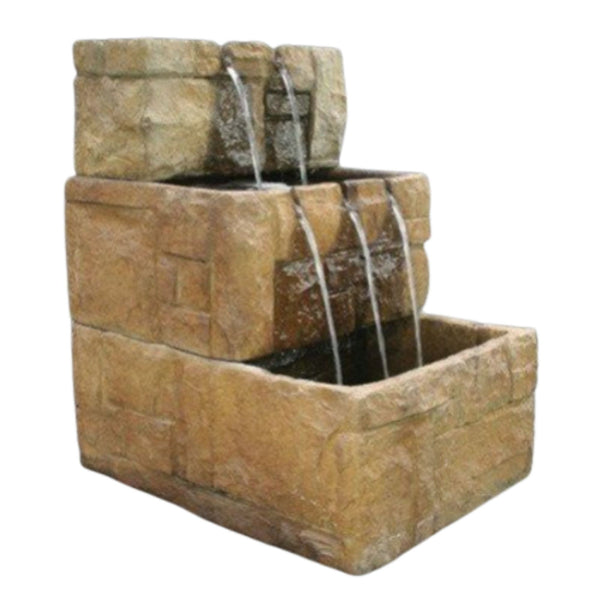
Some send water smoothly over a broad stone edge, creating a gentle sheet of water. Others use several separate streams for a livelier, more textured look. Taller designs can create a curtain of falling water that becomes a much stronger visual and acoustic feature.
There is no single best option. It really comes down to what you want the fountain to do in your space.
If you are creating a quiet seating area, a softer cascade is usually easier to live with. If the fountain will sit further away, perhaps at the end of a garden or against a boundary wall, a taller fall can create more presence.
Think about sound, not just appearance
It is easy to choose a fountain from a photograph and forget that you will hear it every day.
As a general rule, water that stays close to the stone surface tends to produce a softer sound. Separate streams create more splashing and variation, while water falling from greater height into an open basin will usually sound stronger.
For a patio, courtyard or seating area, we would normally lean toward a gentler flow. For a larger garden where you want the fountain to be noticeable from a distance, a stronger waterfall effect can work beautifully.
Choose a size that suits the space around it
A fountain needs enough room around it to feel intentional.
In a smaller courtyard, an oversized fountain can quickly dominate the space. In a large garden, the opposite can happen and a small feature may disappear into the landscaping.
Before ordering, check the overall height, width and depth of the fountain rather than judging scale from the product photographs alone. It is also worth marking the dimensions on the ground with tape or cardboard so you can see how much room the fountain will actually occupy.
Freestanding or against a wall?
This is an important detail because similar-looking fountains can be designed very differently.
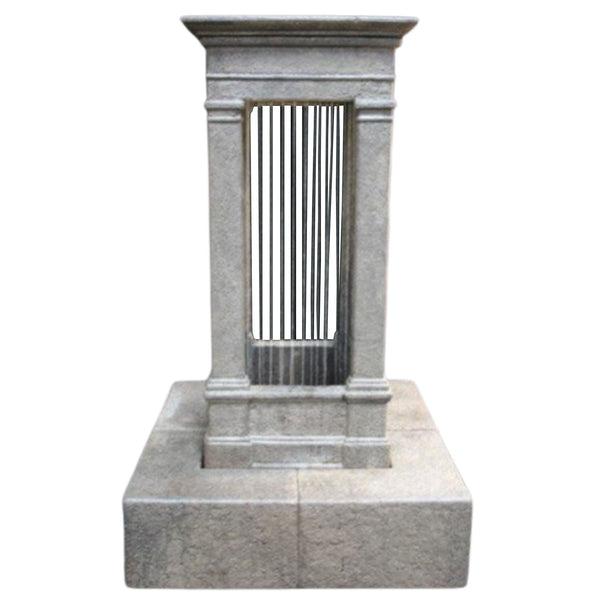
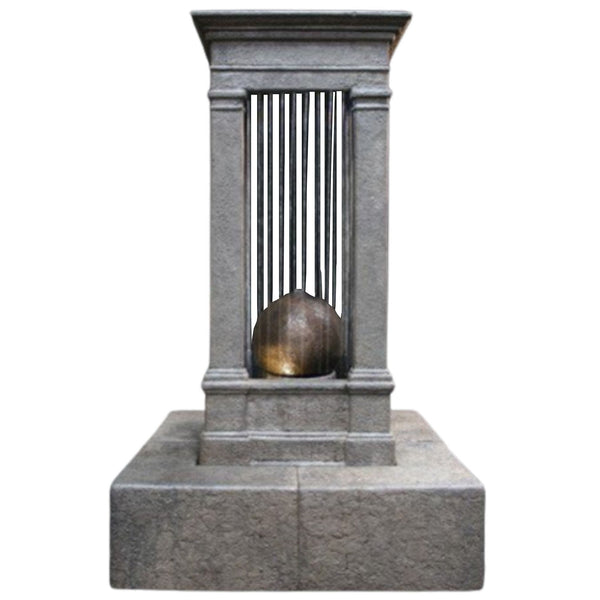
A freestanding waterfall fountain can become a focal point in an open garden, courtyard or patio. Wall fountains work particularly well where floor space is limited or where you want the water feature to become part of an existing architectural backdrop.
Some designs in this collection are available in both configurations, so check the individual product description before ordering.
If you are specifically looking for water that falls from an overhead frame, browse our rain outdoor fountains. For simpler architectural shapes and cleaner lines, explore our modern outdoor fountains.
Outdoor waterfall fountains that bring a space to life
A well-placed fountain adds something a planter, sculpture or piece of furniture cannot: movement.
Even a simple cascade constantly changes as light catches the water. The sound can soften nearby traffic, conversations and other background noise, while the water itself gives the garden a more relaxed atmosphere.
Waterfall fountains work especially well beside patios, near entrances, among planting or at the end of a sightline where they naturally draw the eye.
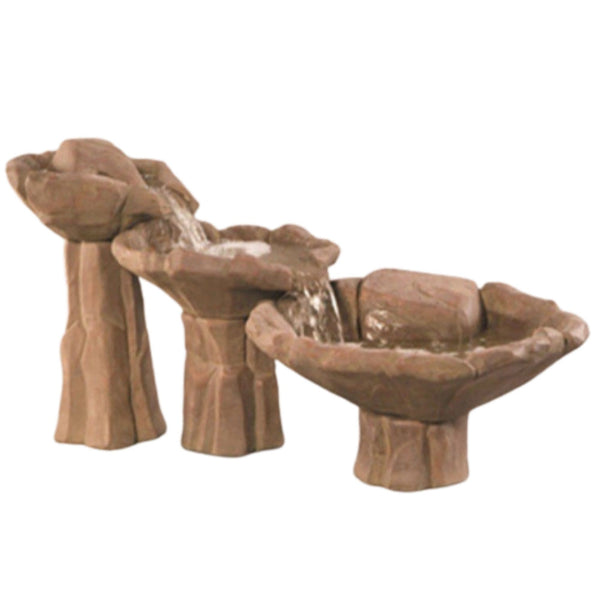
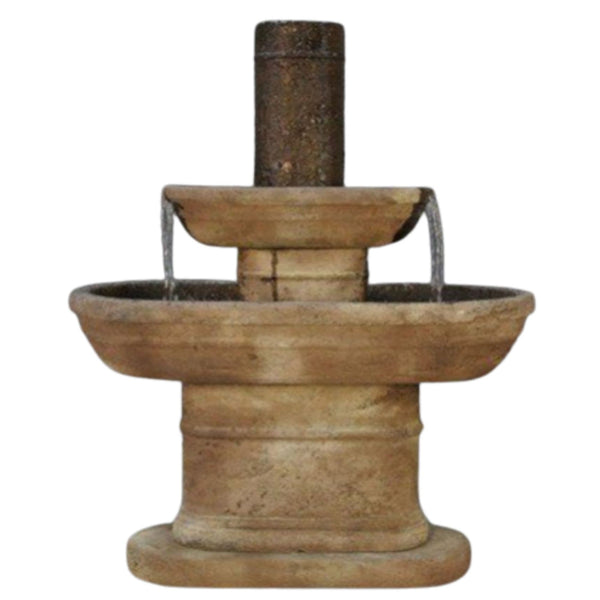
If you prefer water flowing through several levels rather than one main drop, take a look at our tiered outdoor water fountains.
What makes a good outdoor waterfall fountain?
The best fountain is one that suits the way you actually use your outdoor space.
A few things are particularly worth considering:
- The sound of the water: Gentle sheets of water are more subtle, while taller drops and multiple streams create a stronger presence.
- The proportions: Check the actual dimensions and make sure the fountain has enough visual breathing room around it.
- The viewing angle: Think about where you will normally see the fountain from, not just where it physically fits.
- The installation position: Some designs are made to stand independently, while others are intended to sit against a wall.
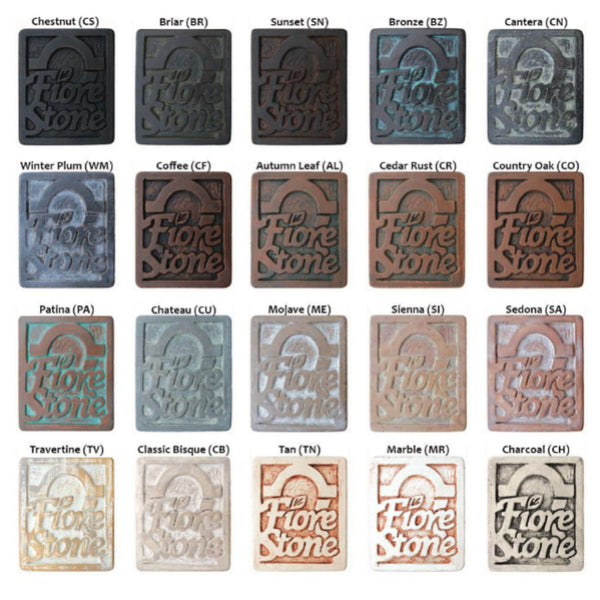
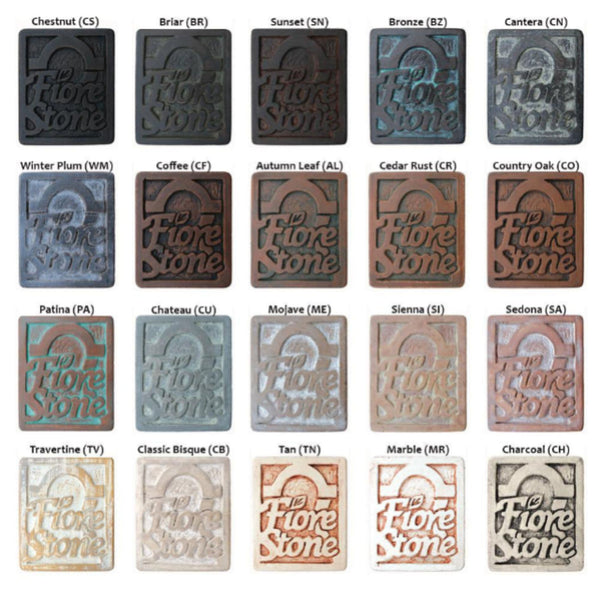
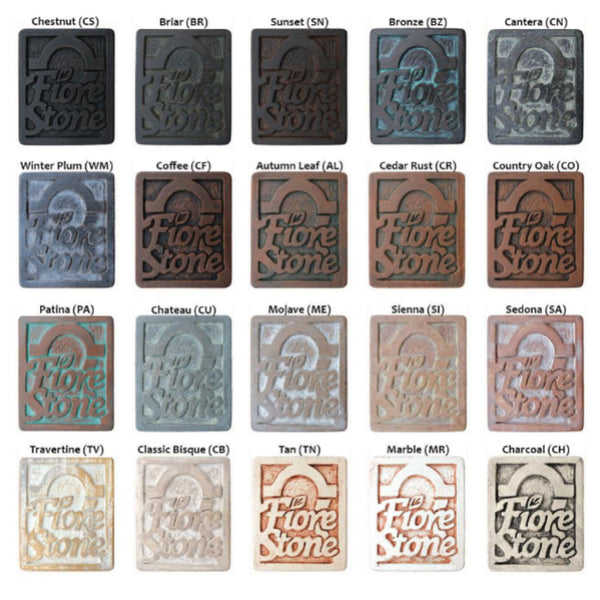
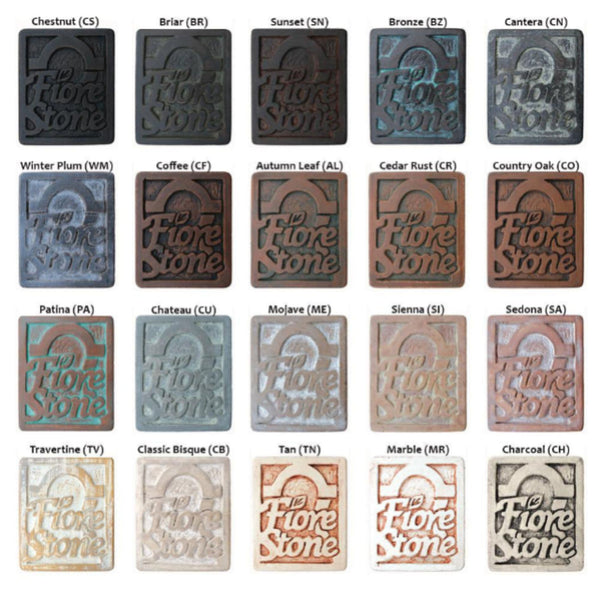
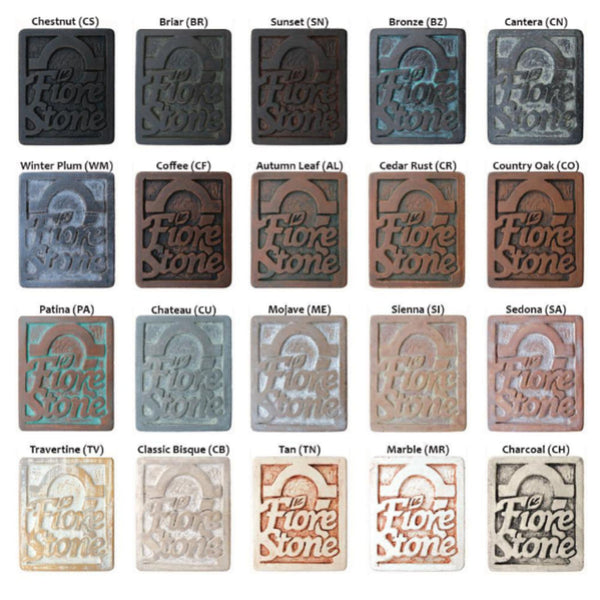
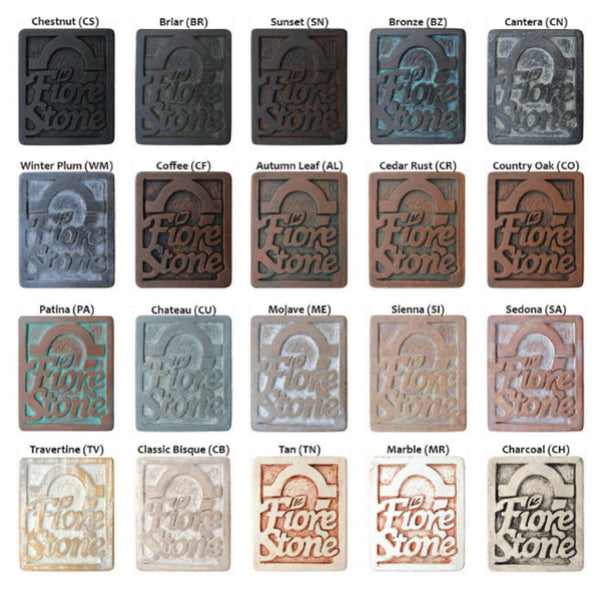
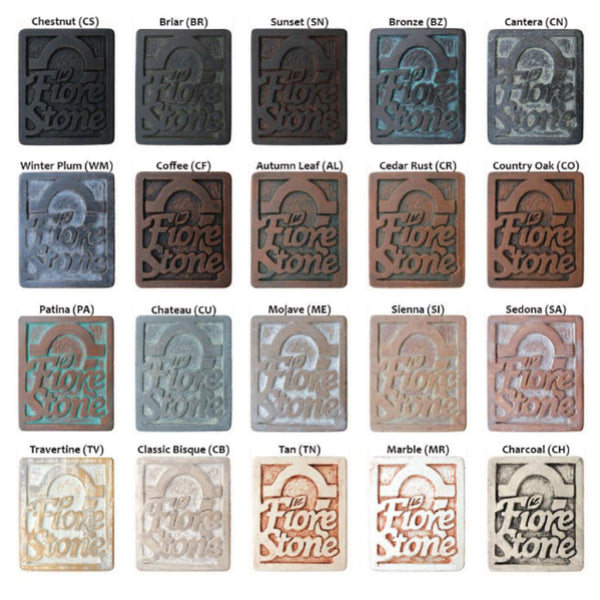
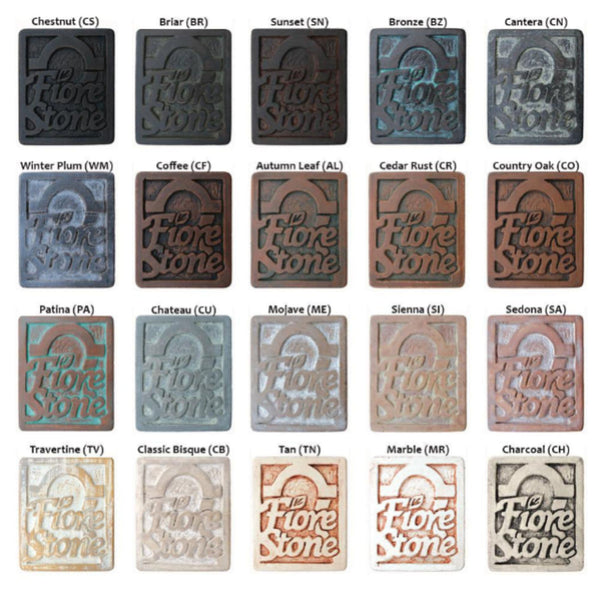
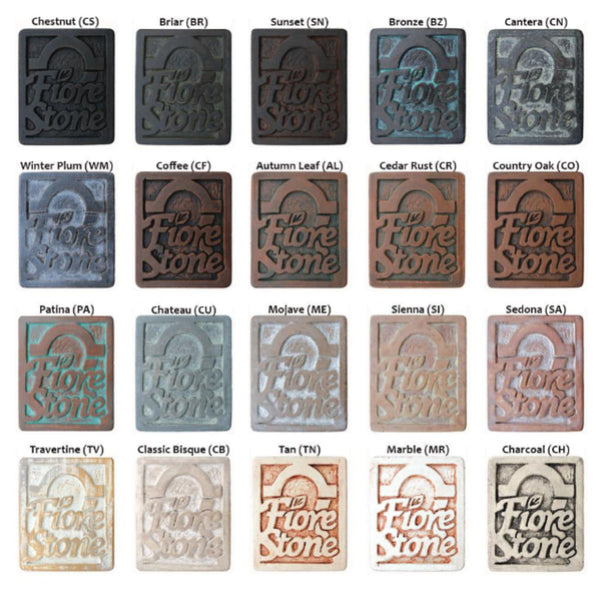
- The finish: Stone textures and finishes can look very different outdoors once they are surrounded by paving, planting and natural light.
- Access for maintenance: Leave enough room to reach the pump, basin and water reservoir comfortably.
For more help with positioning, scale and installation, read our guide on how to choose an outdoor fountain.
No page change, it expands right here
Frequently asked questions
Quick answers to the most common questions about our waterfall / cascading fountains.
What is a cascading fountain?
A cascading fountain is a water feature where water flows downward over an edge, surface or series of levels rather than being sprayed upward from a jet. Some create a smooth sheet of water, others use several individual streams, and some allow water to fall freely into a basin below. Each creates a slightly different look and sound.
How much does a cascading waterfall fountain cost?
The fountains in this collection currently range from $1,768.50 to $6,351.50, with many designs falling between roughly $2,600 and $4,000. Price usually varies with the size of the fountain, the amount of material used and the complexity of the design.
Which type of cascading fountain is the quietest?
Fountains where the water flows closely over a broad surface tend to be the gentlest. Designs with several individual streams create a little more texture and splashing, while taller curtains of water falling into a basin usually produce the strongest sound. If you plan to place the fountain beside a dining or seating area, a softer cascade is often the more comfortable choice.
Can these fountains be placed against a wall?
Some can. The Stone Courtyard Cascade, for example, is available in both freestanding and wall-style configurations. Because the two versions have different placement requirements, check the product title, dimensions and installation information before ordering. For wall fountains, also make sure there is enough clearance around the fountain for installation and future maintenance.
What are these waterfall fountains made from?
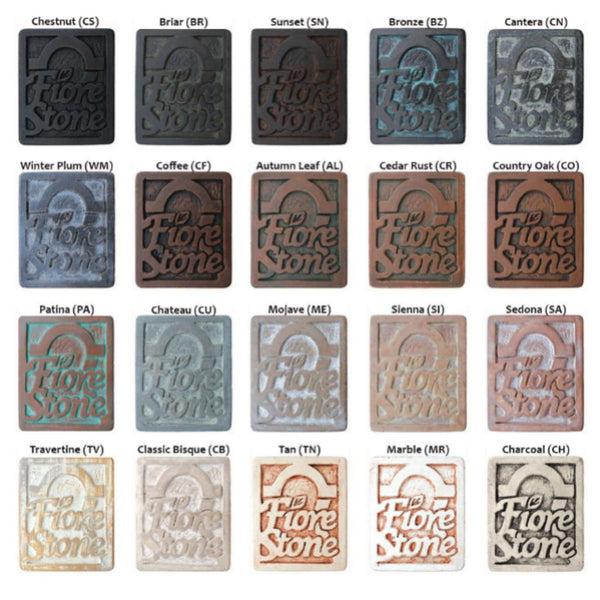
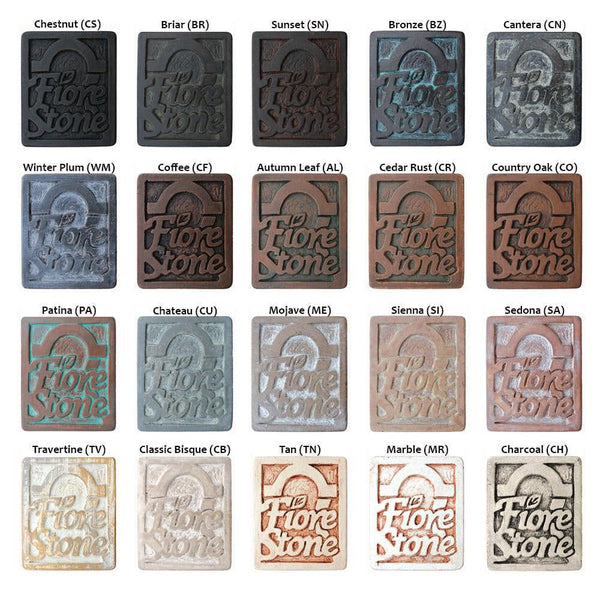
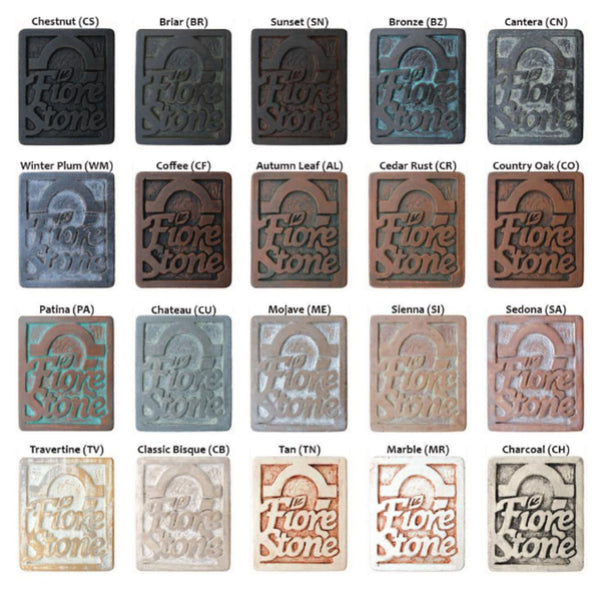
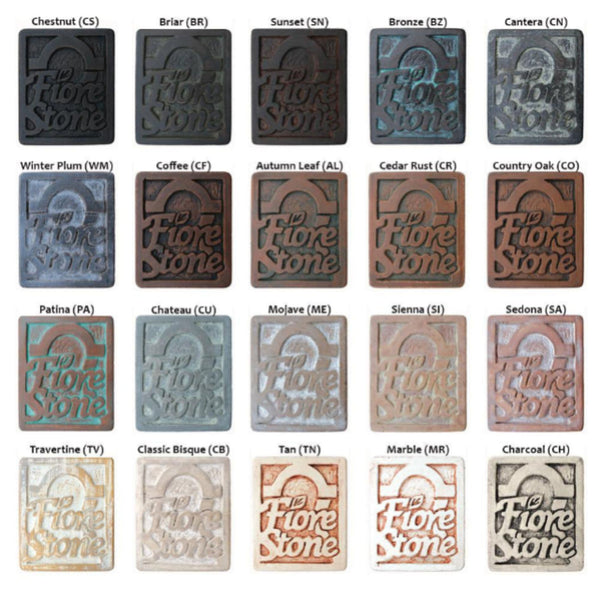
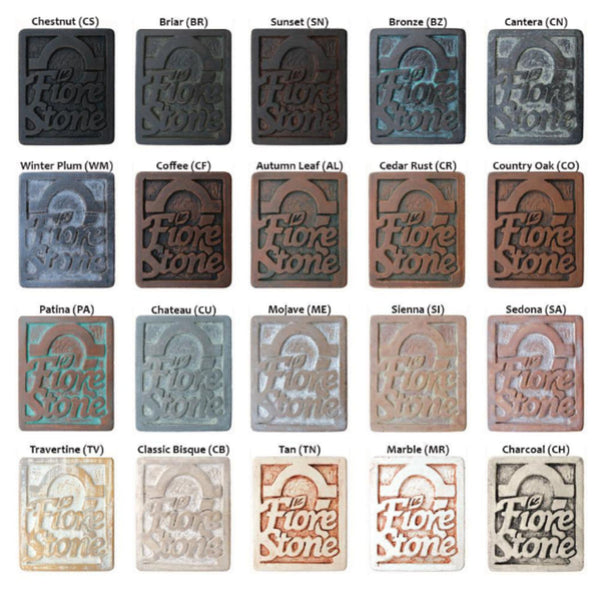
The fountains in this collection are made by Fiore Stone using cast stone, with finishes ranging from clean contemporary surfaces to more traditional, aged-looking textures. Because finish options can vary by model, check the individual product page before choosing your colour or texture.
Are waterfall fountains difficult to maintain?
They are generally straightforward to look after, but they do need occasional attention. You will usually need to keep the water topped up, remove leaves or debris, clean the pump periodically and watch for mineral buildup. How often you do this depends on the fountain, your local weather and the quality of the water you use.
Where should I place an outdoor waterfall fountain?
Choose somewhere the fountain can be seen and heard without getting in the way of everyday movement. Good locations include beside a patio, at the end of a garden path, against a courtyard wall or among planting where the water can become part of the landscape.
Need expert help finding the right setup?
Contact Pond Haven Support