

Commercial Pond Aerators
 View product

 View product
 View product
 View product
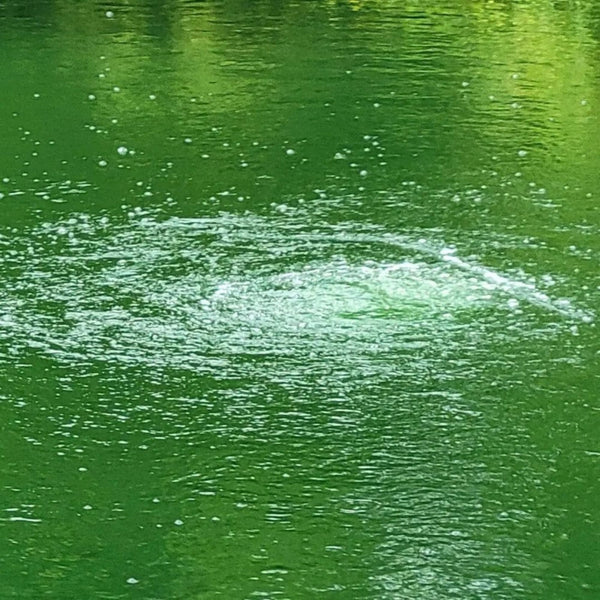

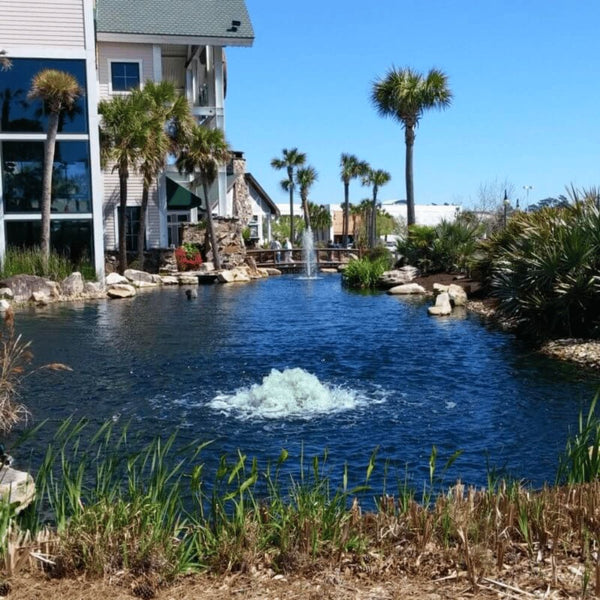
 View product
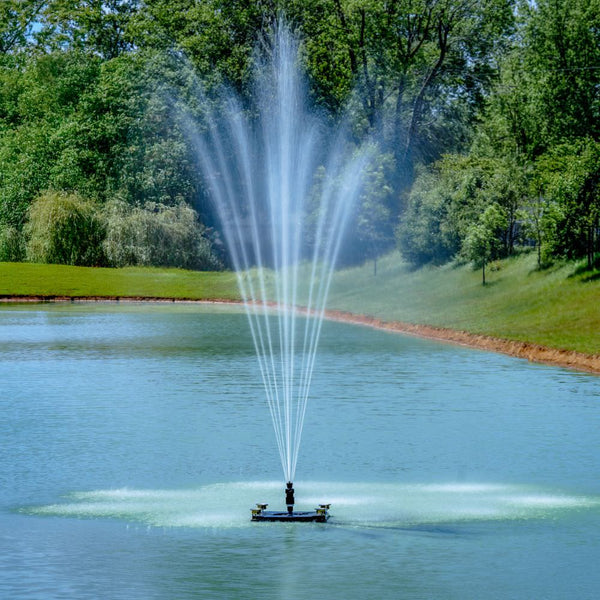


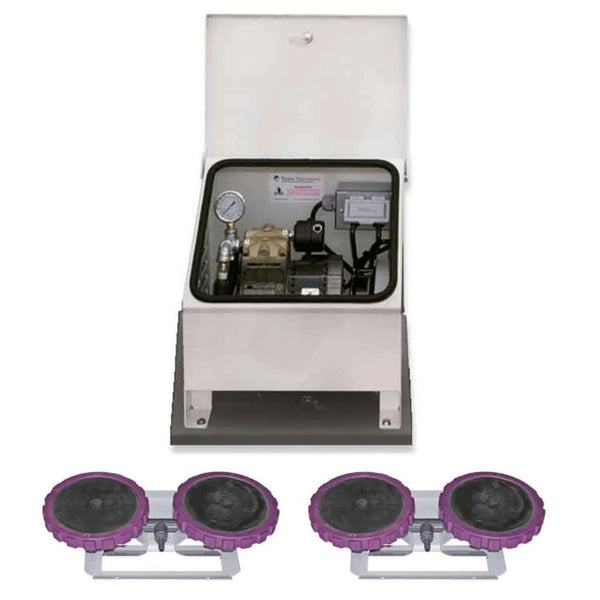
 View product
 View product
 View product
 View product

 View product
 View product

Guide & FAQ
How to choose the right aerator for a large pond or lake
- 4 min overview
- Types, sizing & power
- 5 common questions
Why a large pond needs aeration
Still water in a big pond can develop low-oxygen areas, and the deeper water is usually where the trouble starts. Warm surface water separates from cooler bottom water, and the lower layer gets little oxygen.
Without circulation, organic matter settles and breaks down, which is what produces the sulfuric smell at the bank. Aeration keeps the pond mixing and helps in a few practical ways:
- it moves oxygen down into the deeper layers
- it lets trapped gases vent off at the surface
- it keeps the water mixed so it is less likely to stratify
- it supports the bacteria that digest settled muck
That can reduce odor and help limit heavy algae growth. It is one part of managing a large pond, not a fix for every water quality issue on its own.
The main types, and when to choose each
There are four formats in this group, and they move water in very different ways.
Bottom-diffused aeration systems
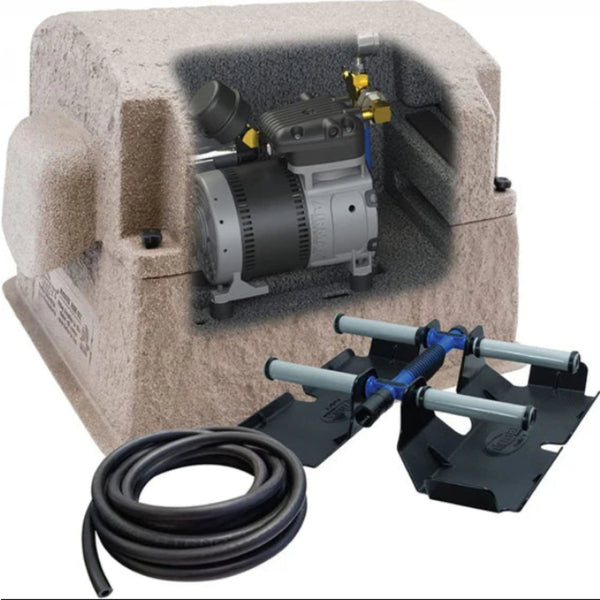
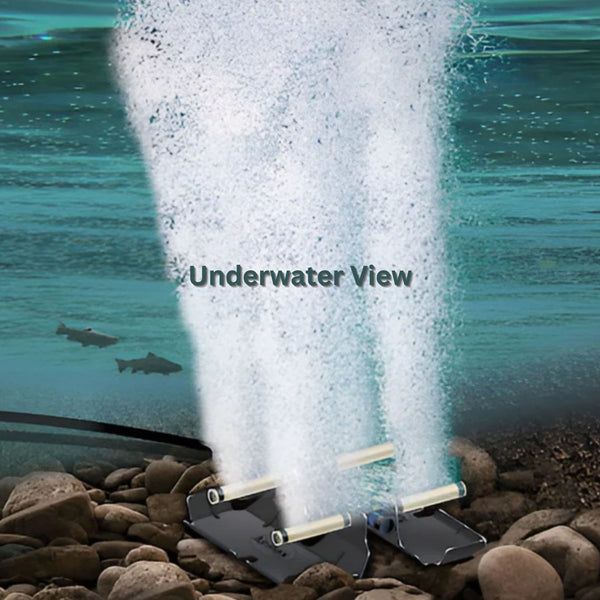
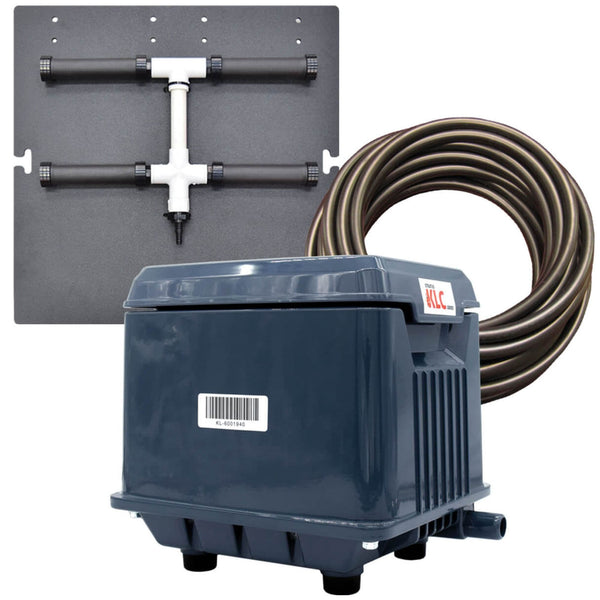
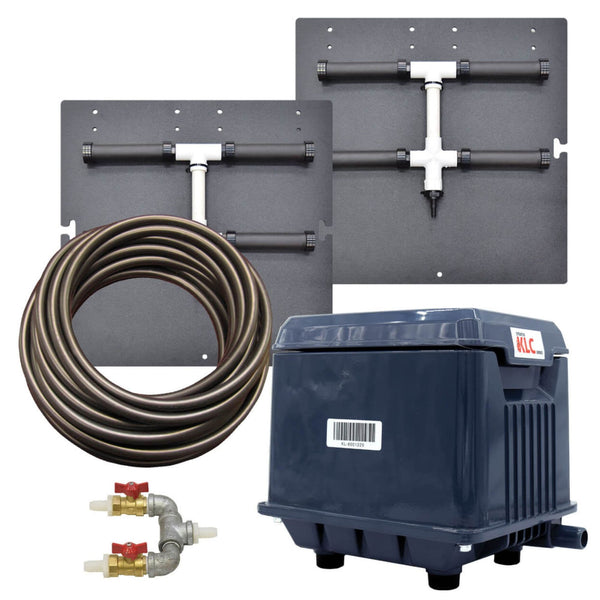
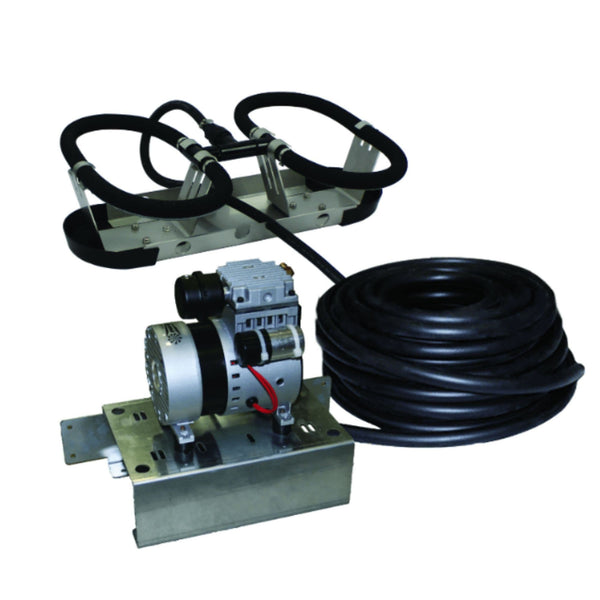
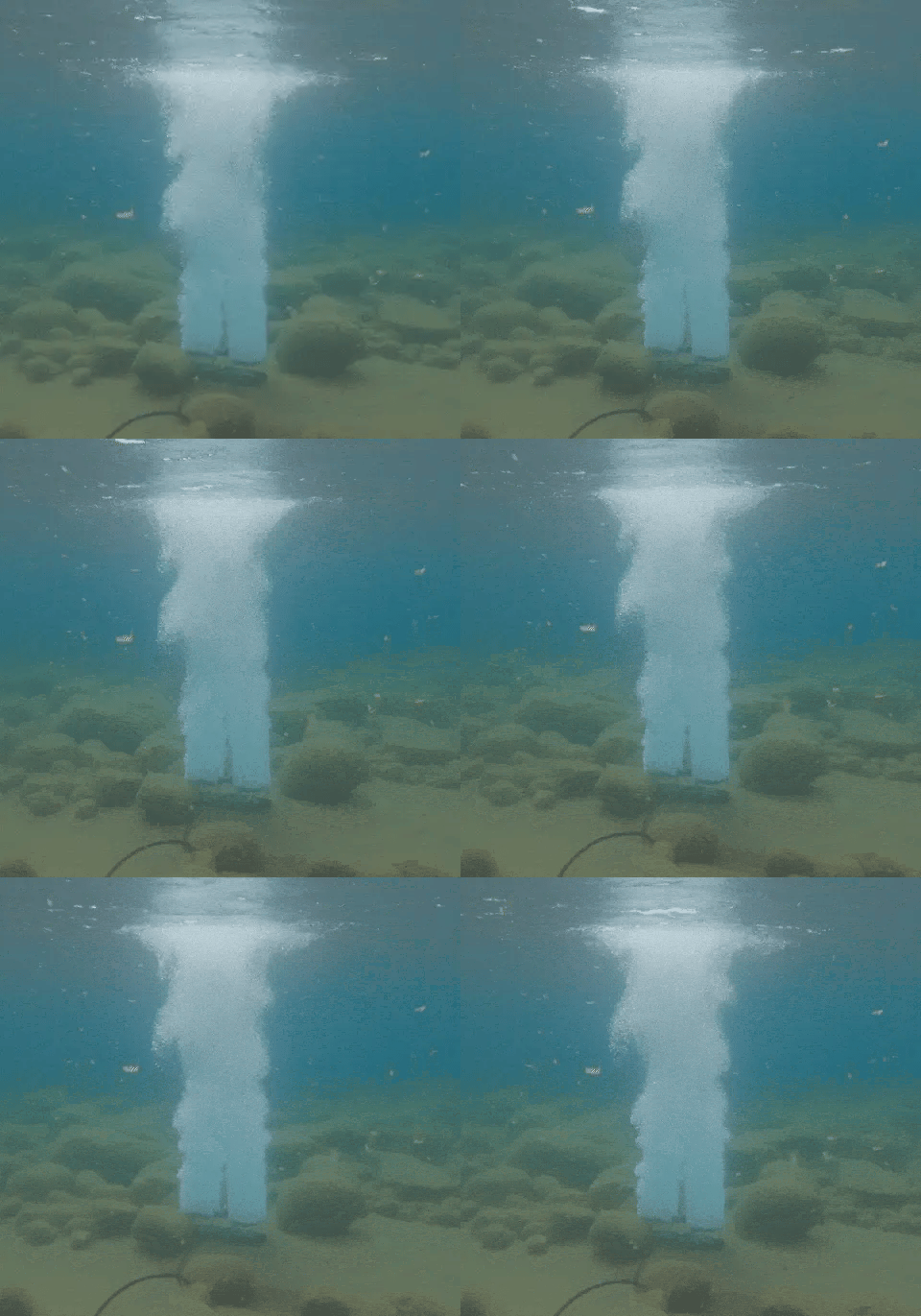
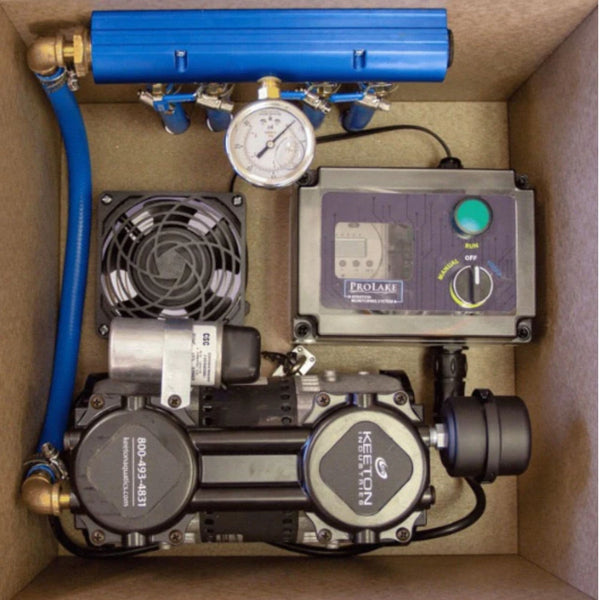
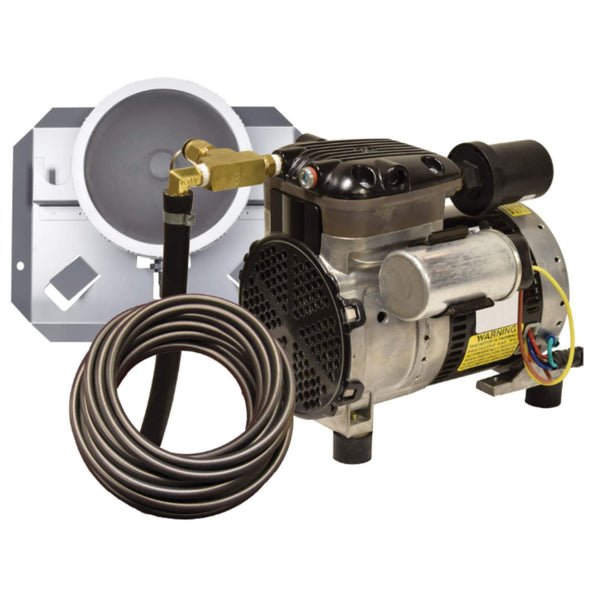
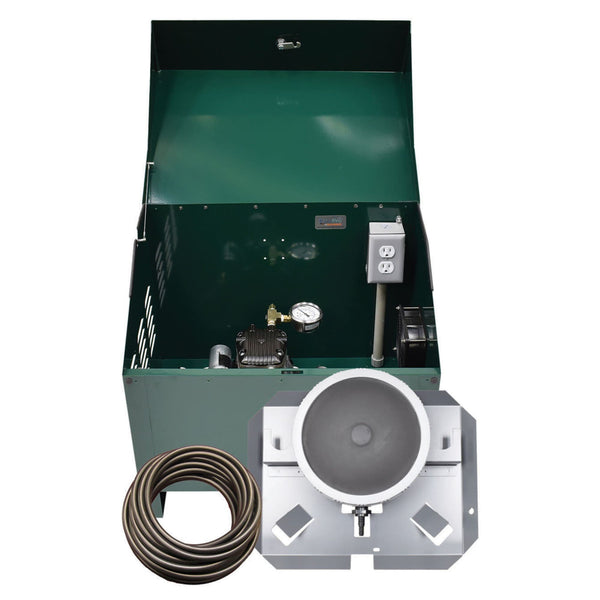
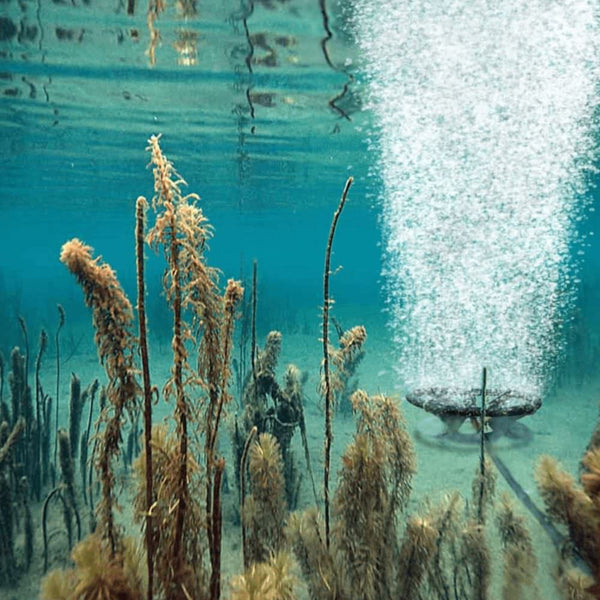
A compressor on shore pushes air through weighted airline to diffusers sitting on the pond floor. The rising bubbles pull deep water toward the surface.
Choose bottom-diffused when the pond is deeper than about 6 to 8 feet and circulation and oxygenation are the priority. It is also a good fit when you want no spray on the surface.
PondHaven carries diffused systems from Keeton Industries, EasyPro, Vertex Aquatic Solutions, Kasco Marine, and Airmax. See our pond aerators for the full set.
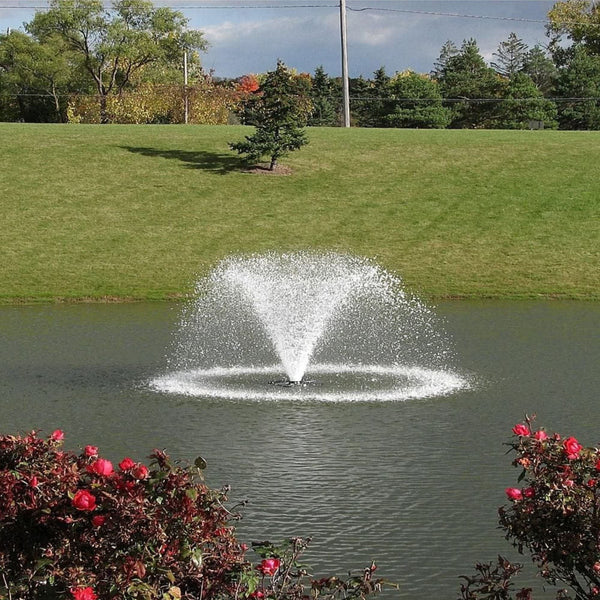
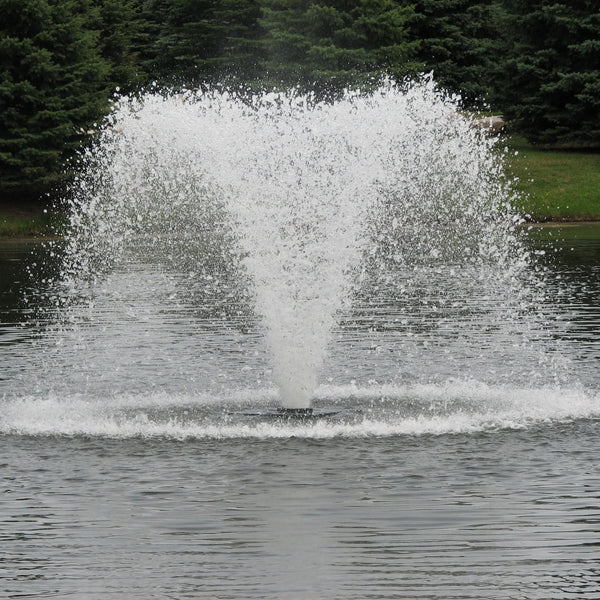
Surface aerators and aerating fountains
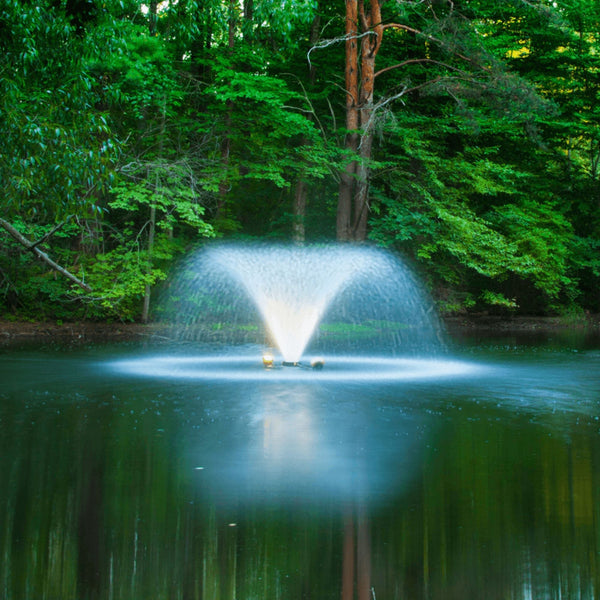
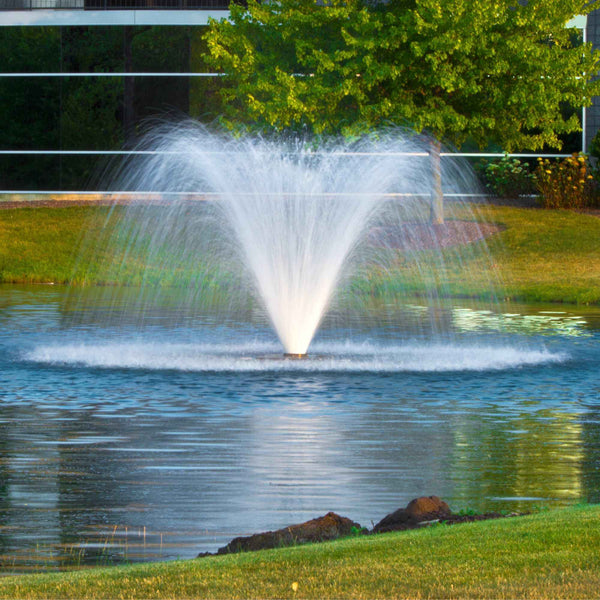
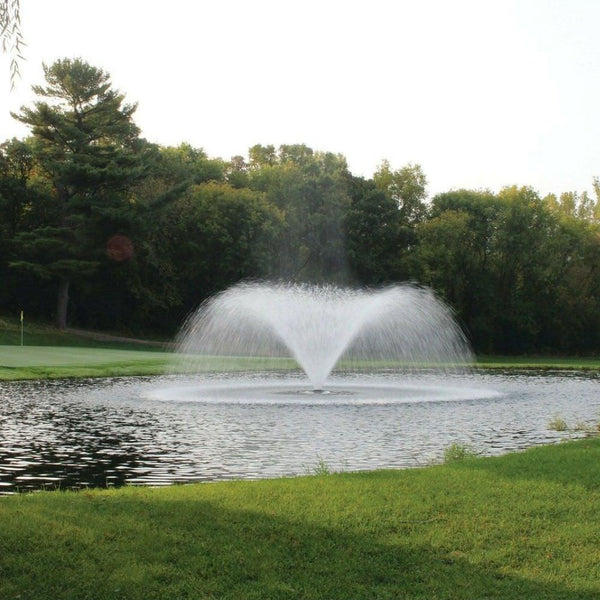
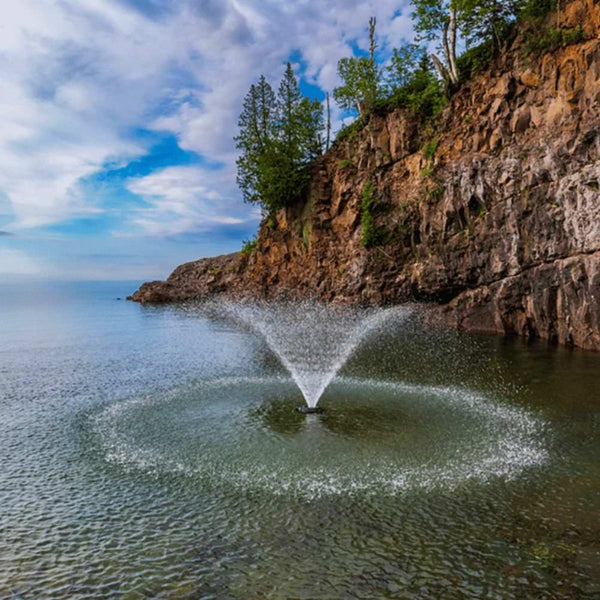
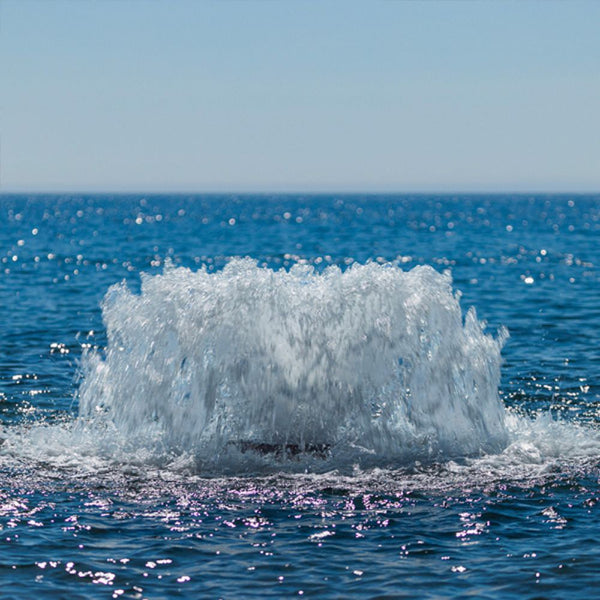
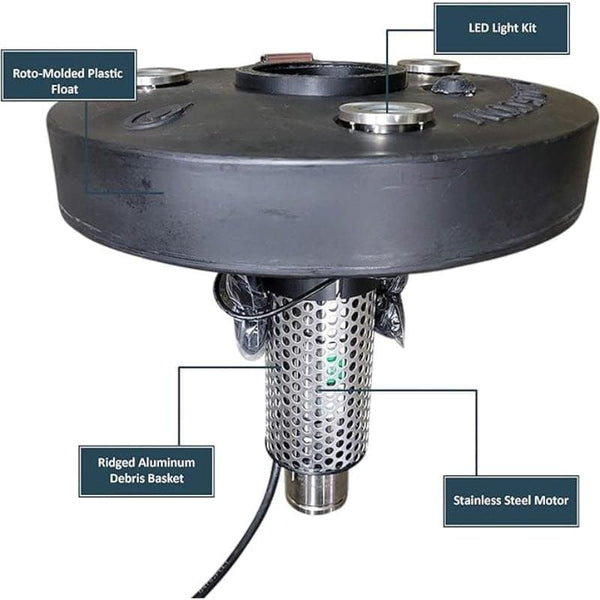
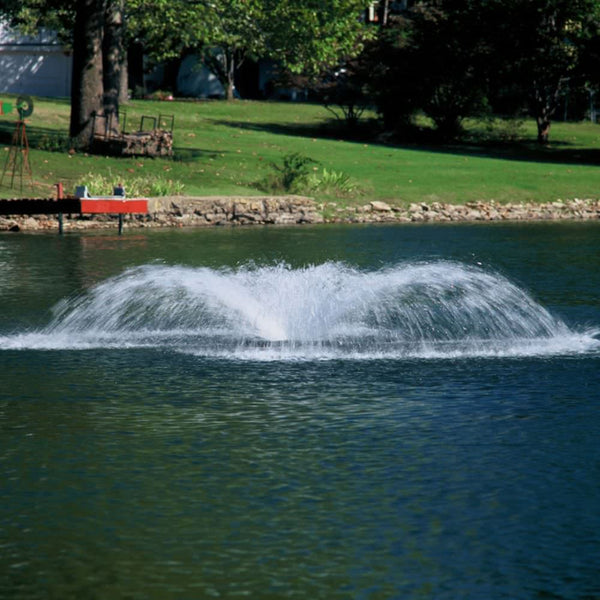
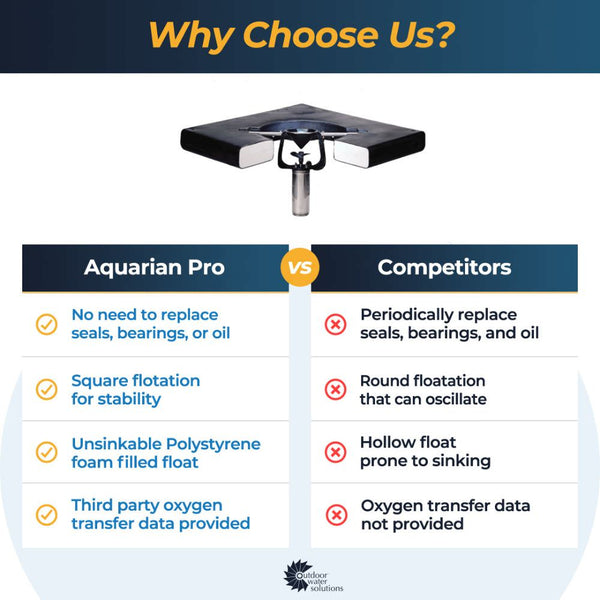
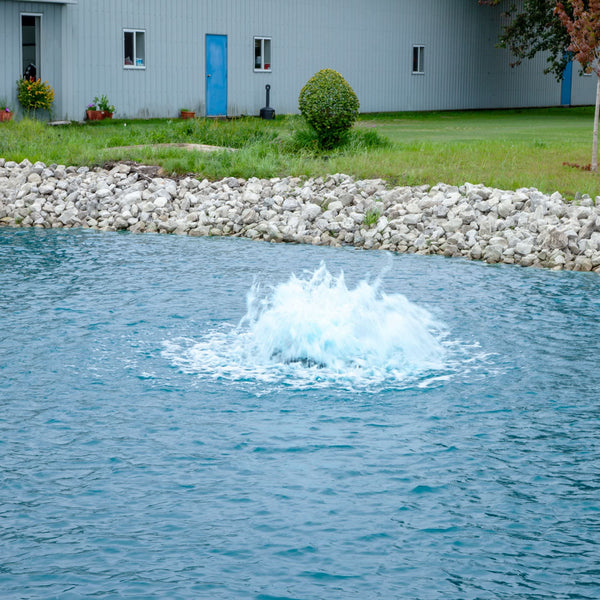
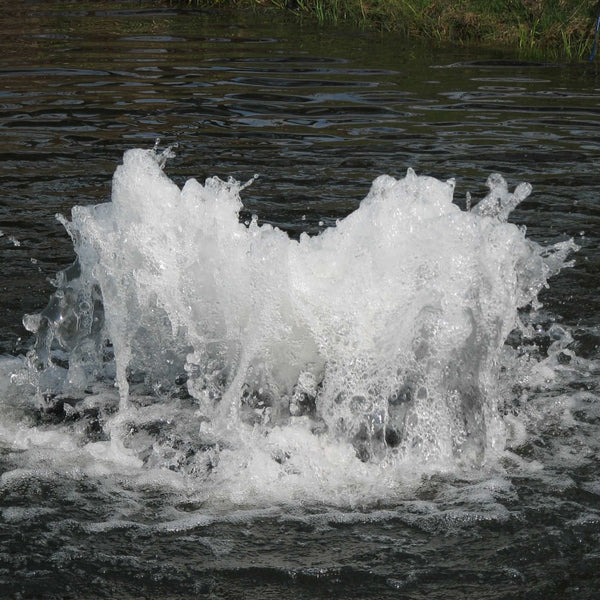
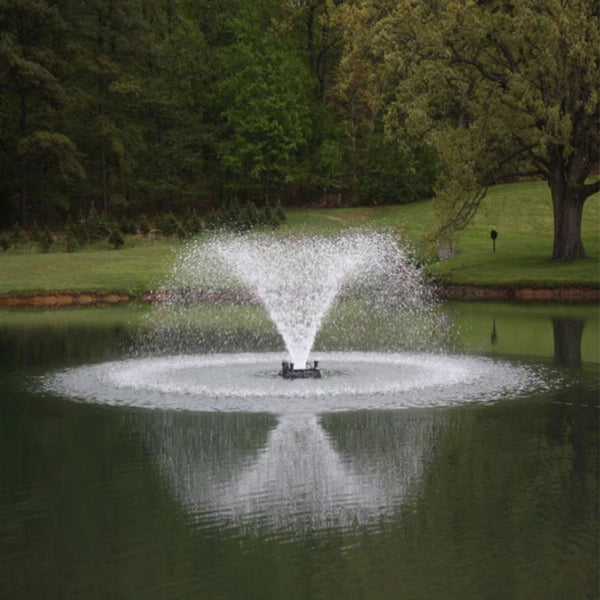
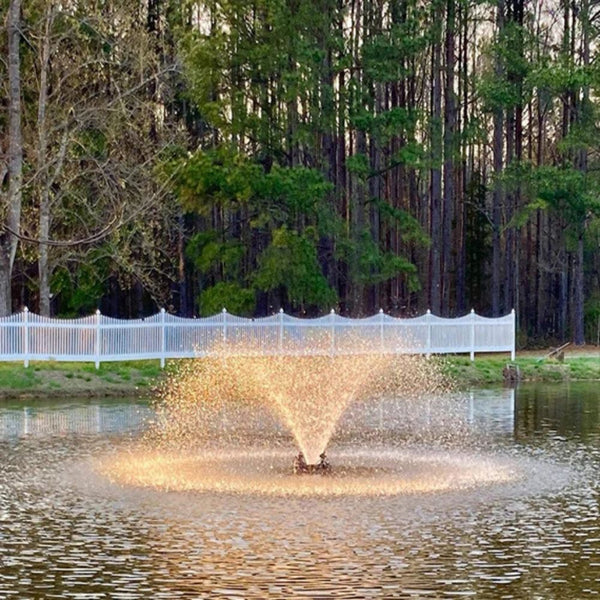
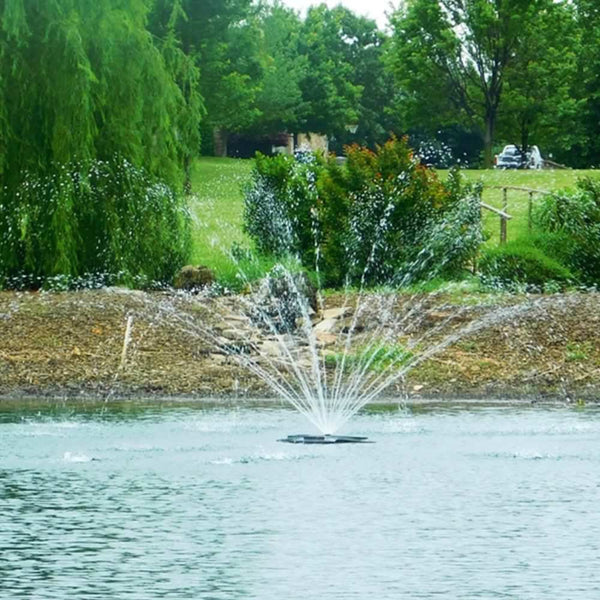
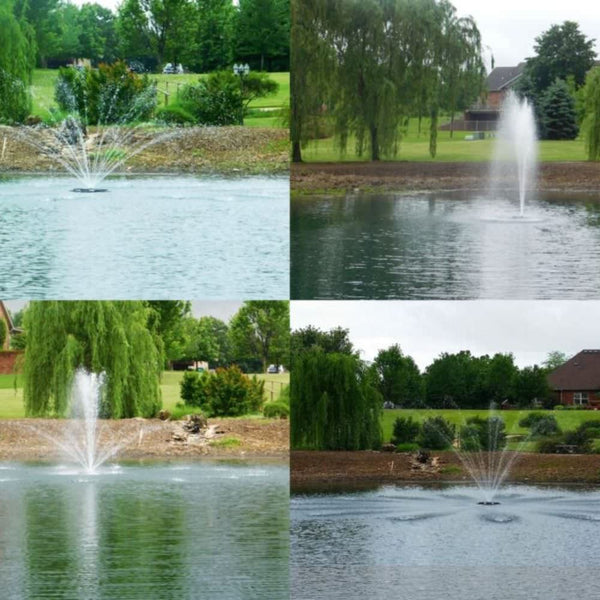
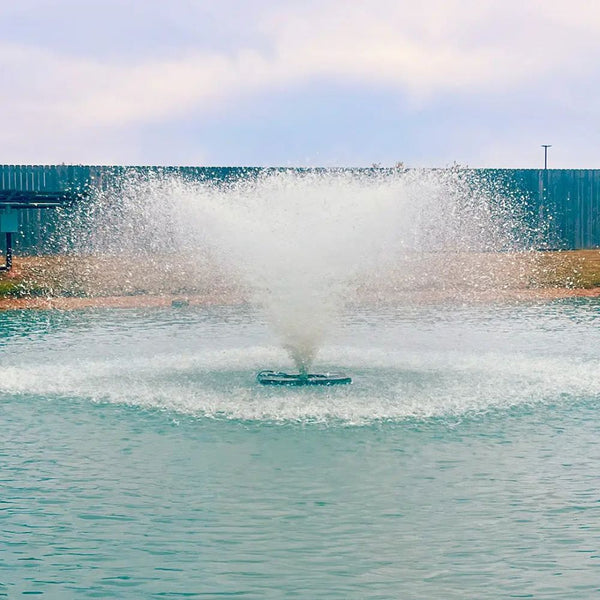
These use a floating or submerged pump to throw water into the air or churn it at the surface, where it picks up oxygen before falling back.
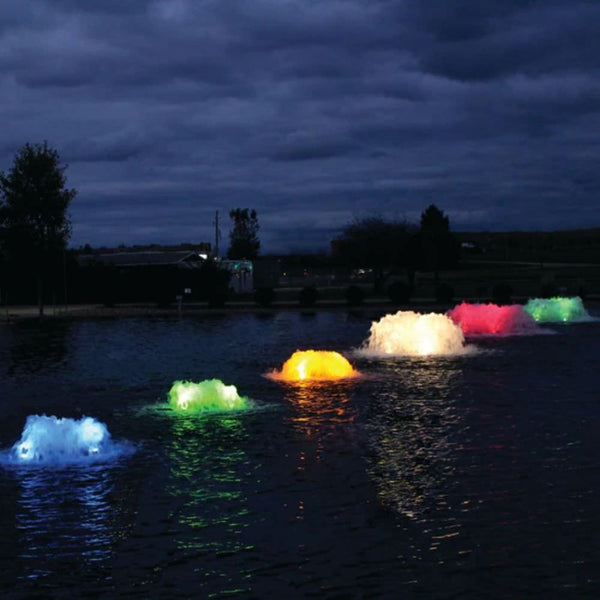
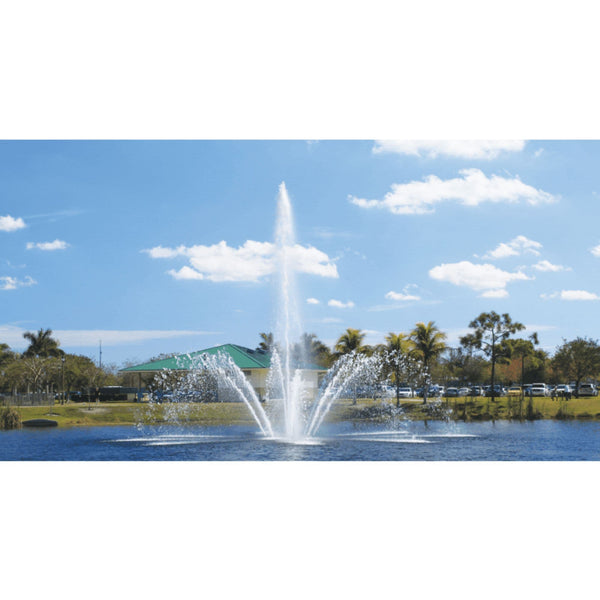
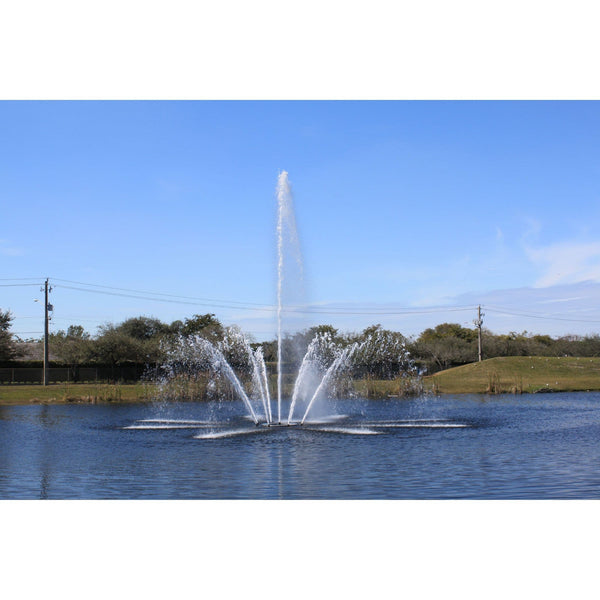
Choose a surface aerator when the pond is shallow, usually under about 6 feet, and you want fast, high-volume mixing near the top. Choose an aerating fountain when a visible spray matters as much as aeration.
Compare these in our surface aerators.
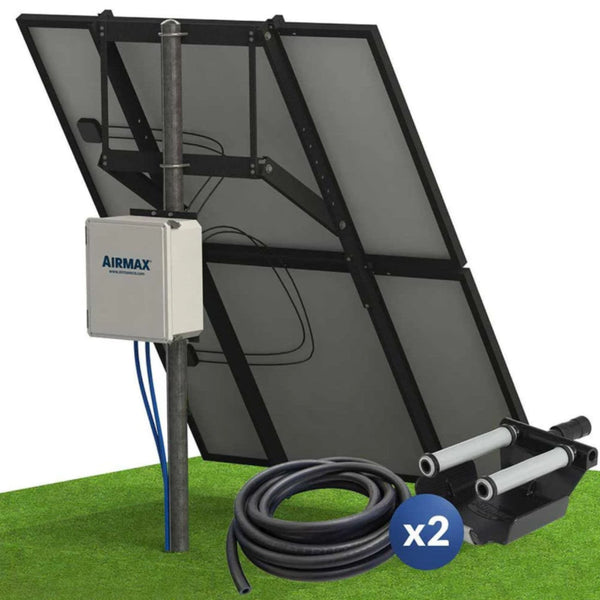
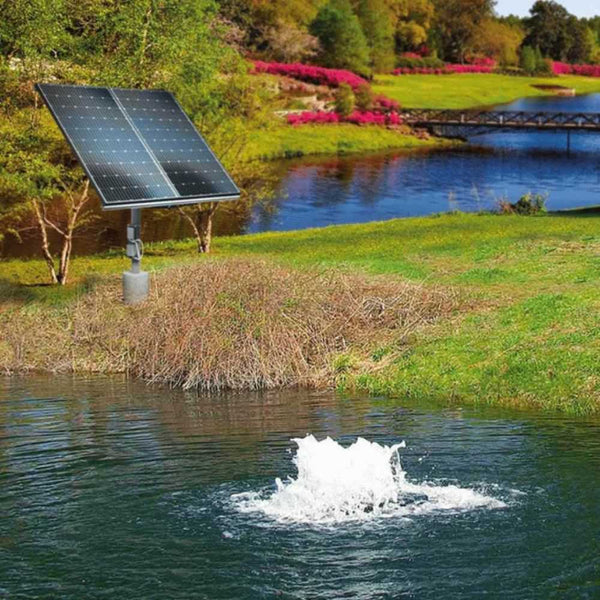
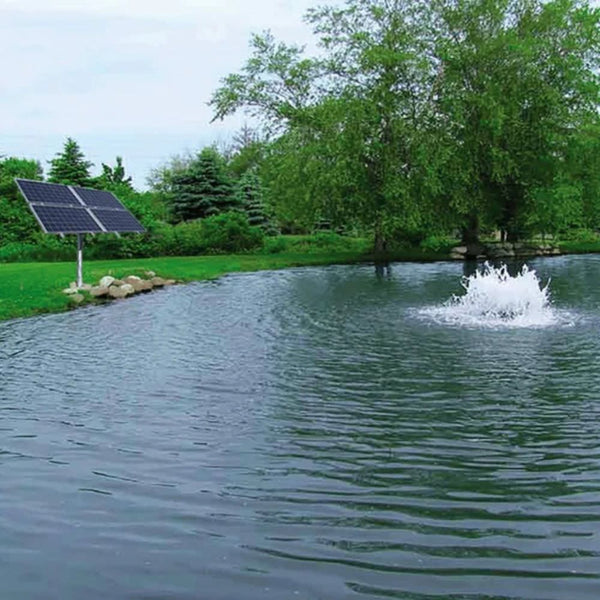
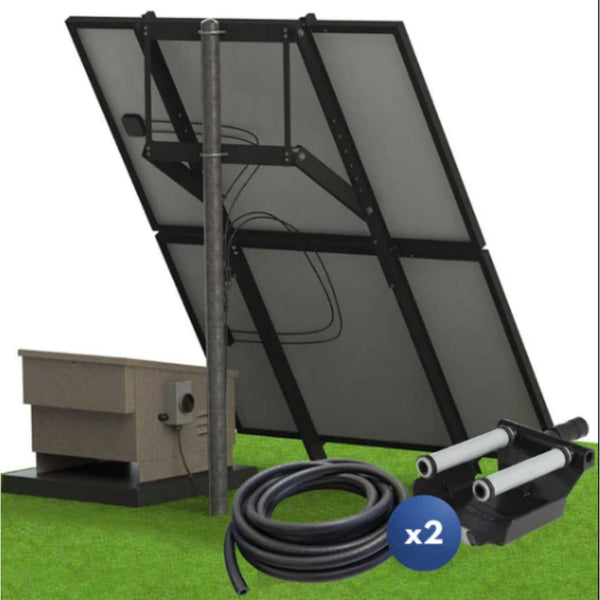
Solar pond aerators
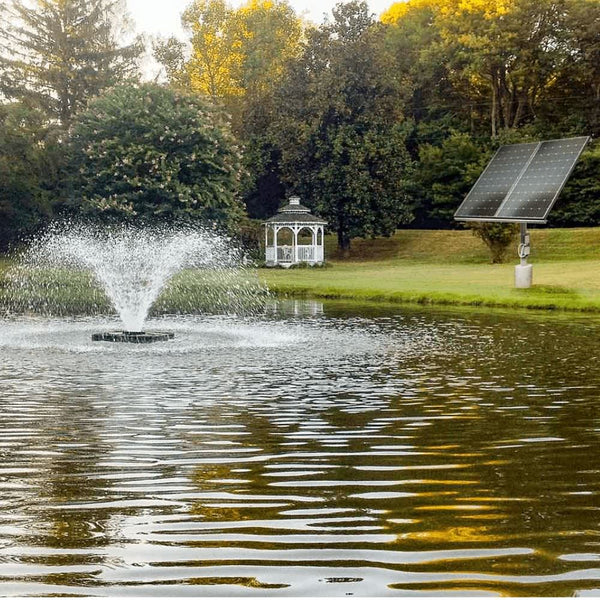
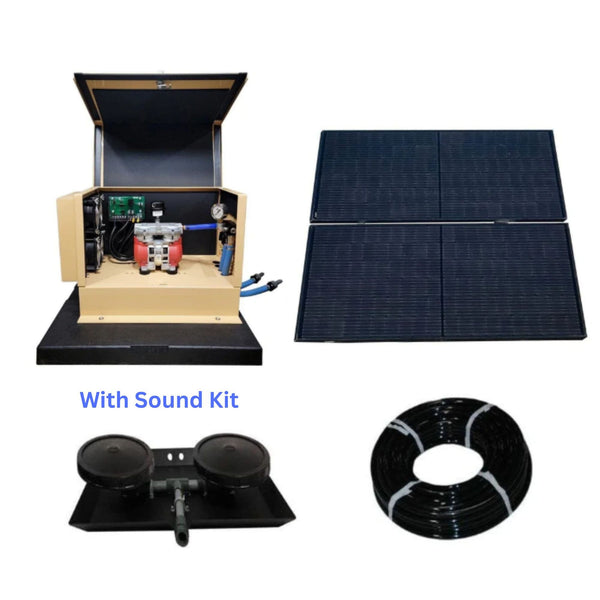
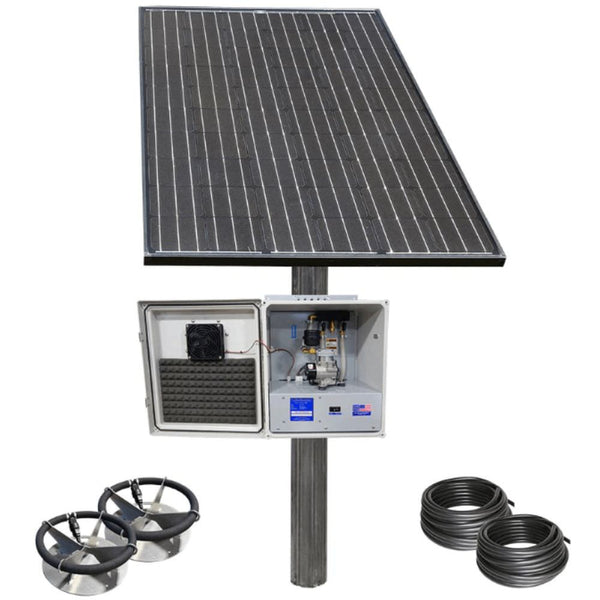
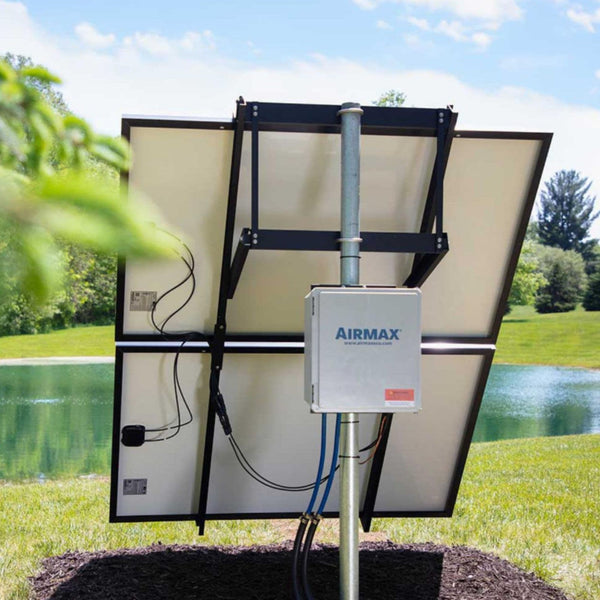
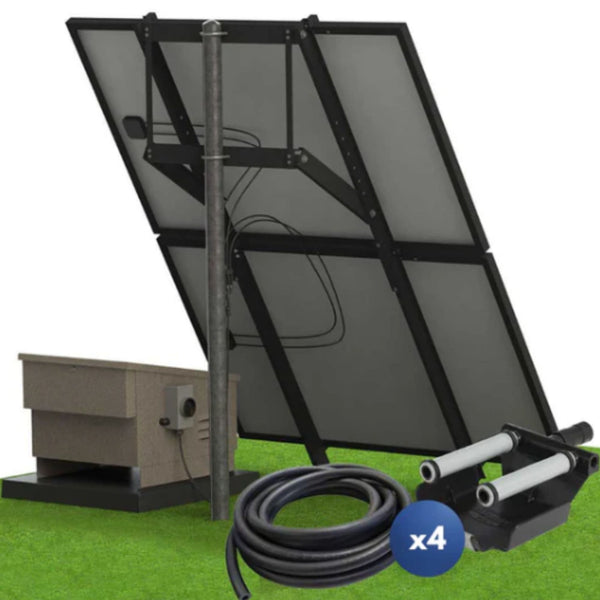
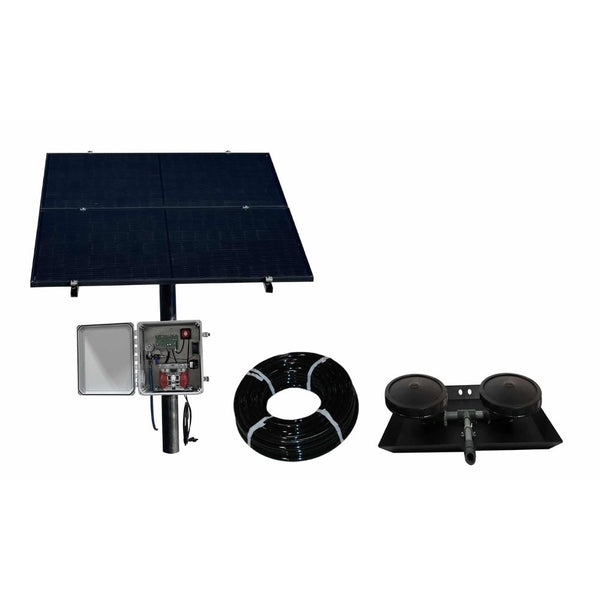
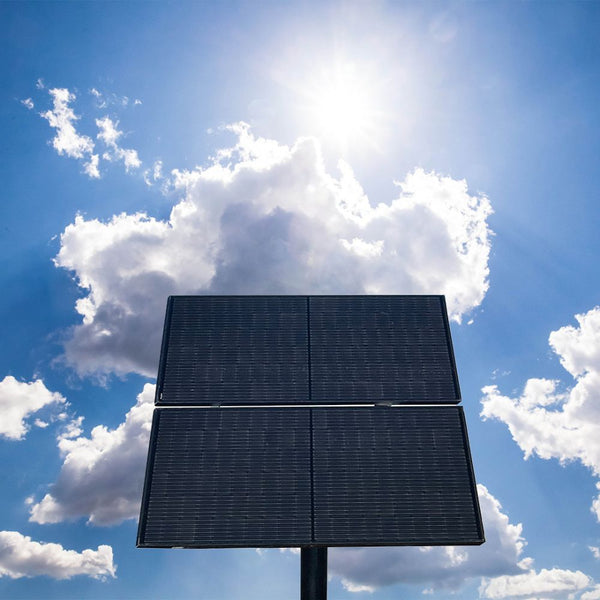
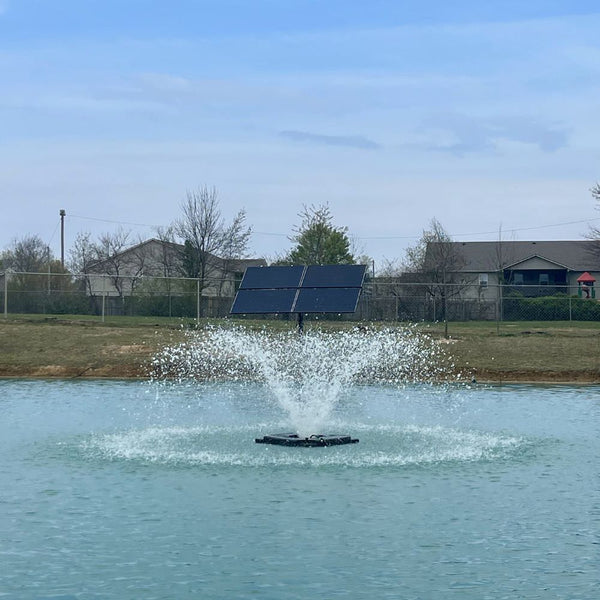
Solar systems run a diffused or surface setup from photovoltaic panels, so no electrical line reaches the pond.
Choose solar when the site is remote and running service to the water would be costly or impractical. Direct-drive models work while the sun is on the panels, and battery backup models store power for low light and overnight, when dissolved oxygen usually sits at its lowest.
Windmill aerators
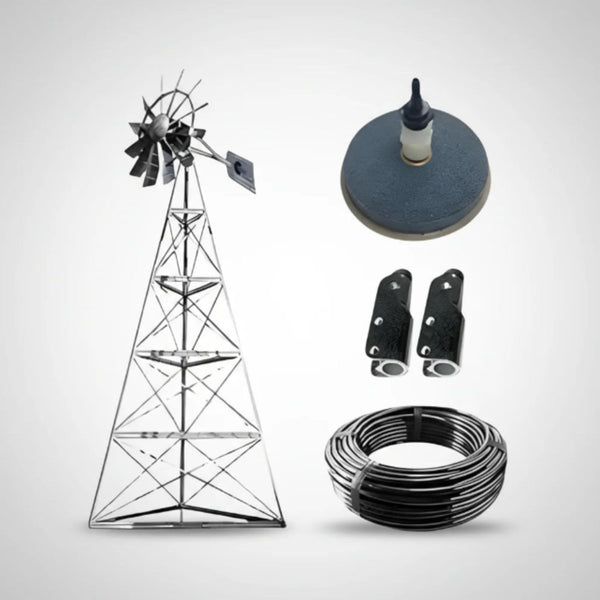
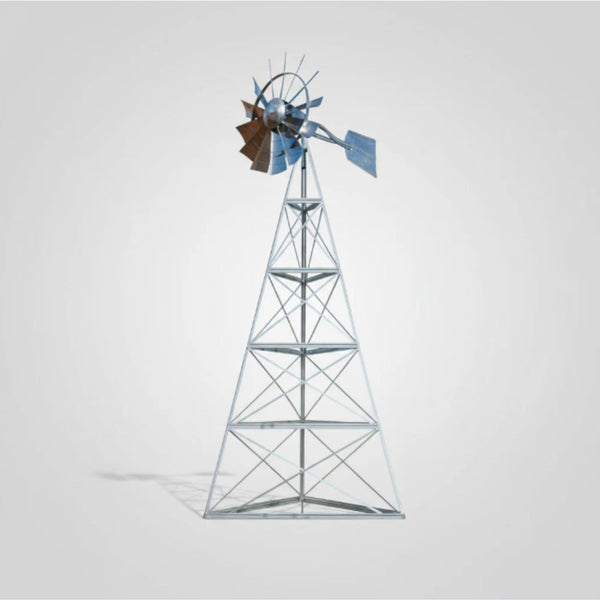
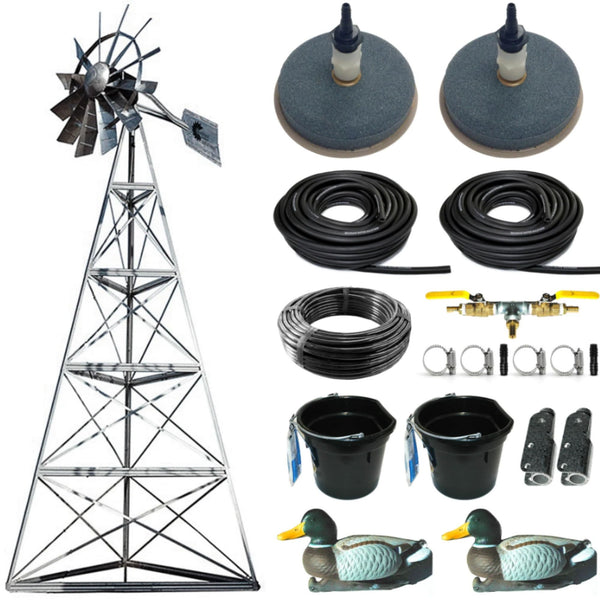
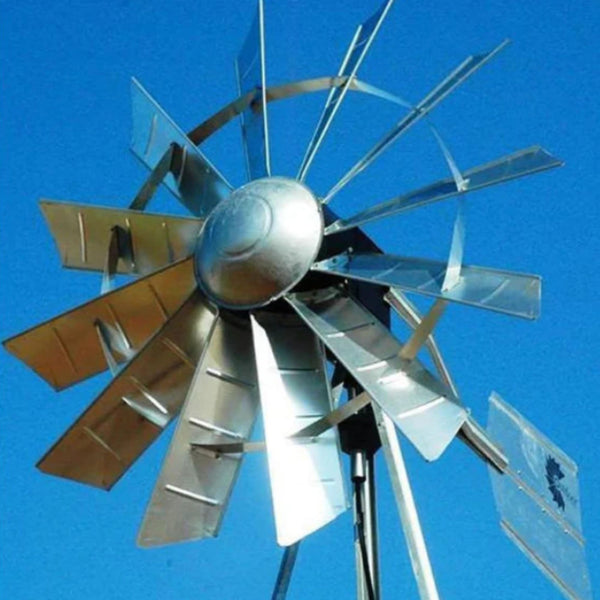
A tower-mounted wind system compresses air for a diffuser on the pond floor, with no electricity and no panels.
Choose a windmill when the acreage is modest, the site is open with a steady wind path, and neither electric nor solar is a good fit.
How to choose the right size or model
Depth comes first. A shallow two-acre pond and a deep two-acre pond can need very different equipment.
Work through these in order:
- Average and maximum depth. Depth sets the type of system and the layout on the pond floor.
- Surface acreage. This sets how much motor or compressor capacity the pond needs.
- Shape. Coves, islands, channels, and long narrow basins usually need multiple diffusers instead of one central unit.
- Display. Some buyers want a visible spray. Others want the equipment out of sight.
PondHaven stocks everything from compact shallow kits up to multi-diffuser packages for large lakes. Send us your numbers and we will look at the layout with you.
Power, placement and winter use
A few practical points affect what you can order.
- Power at the pond. Electric systems need a service near the water. Solar and windmill models are built for sites where no power reaches the pond.
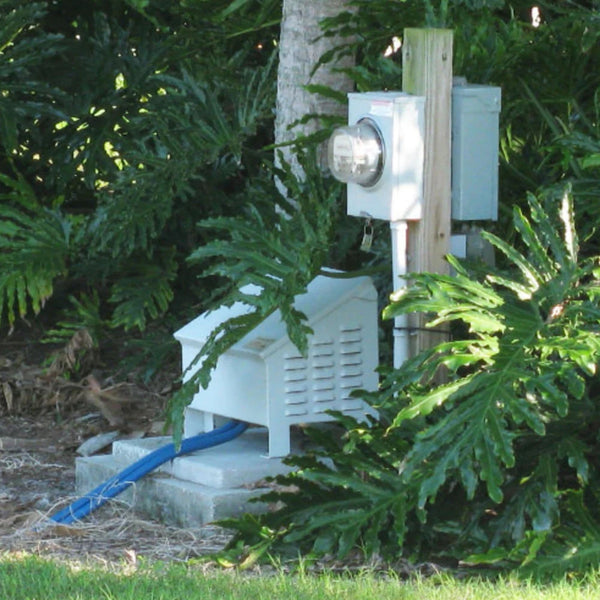
- Compressor placement. Shoreline systems need a level, ventilated spot for the enclosure, close enough to keep the airline run reasonable.
- Solar and wind placement. Panels need clear, unshaded ground. Windmills need open terrain with nothing blocking the wind.
- Winter. Floating surface aerators and fountains are normally removed before a hard freeze. Bottom-diffused systems can run in cold weather, but set the diffusers so the moving water does not chill the deep area fish use as a winter refuge.
Check the requirements listed on the product page before you order.
What normally comes with a system
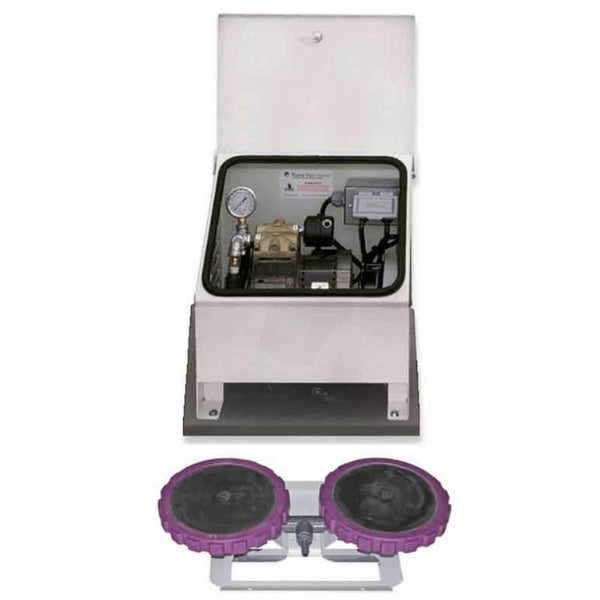
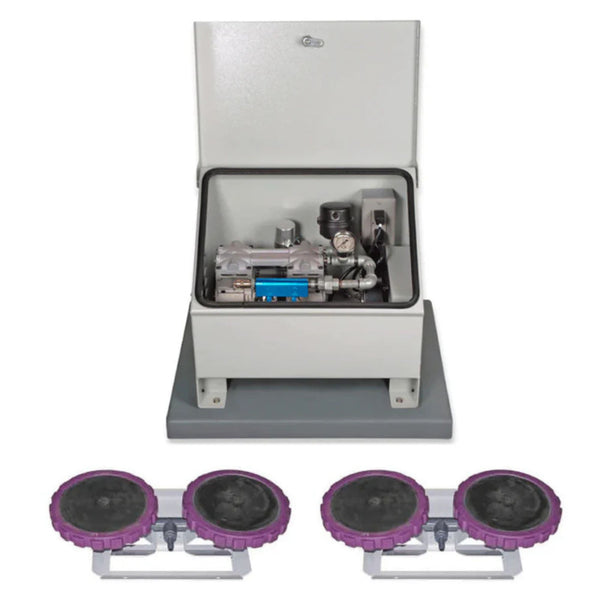
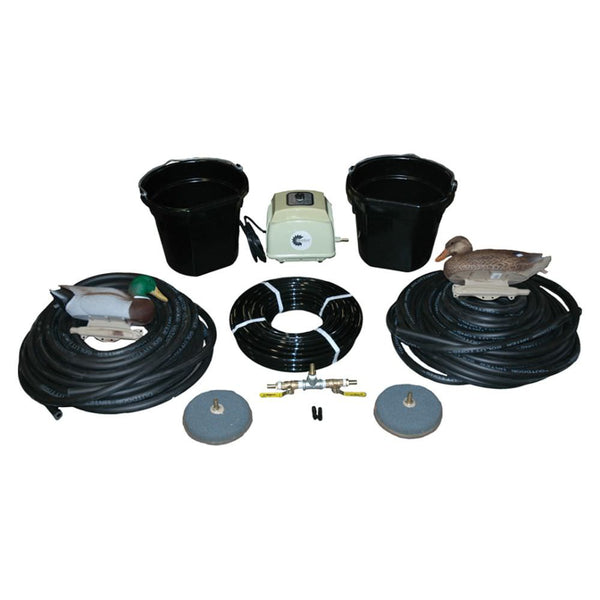
Bottom-diffused kits are usually sold as complete packages rather than loose components. They commonly include:
- an air compressor
- one or more diffuser assemblies
- weighted airline
- fittings and connectors
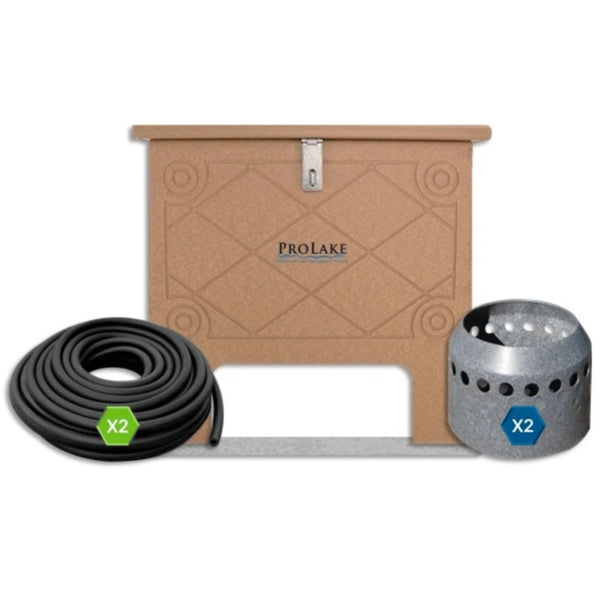
- a cabinet or enclosure on selected models
Exact contents, airline lengths, and diffuser counts vary by product, so check the individual product page before you order.
Not sure which one you need?
Send PondHaven these details and we can point you to the right type and size:
- pond surface area
- average and maximum depth
- distance from a power source to the pond
- how many separate deep areas or basins the pond has
- if a visible display matters, or if you would rather keep the system out of sight
That is usually enough to narrow it down to two or three options.
No page change, it expands right here
Frequently asked questions
Quick answers to the most common questions about our commercial pond aerators.
How do I know if I need a surface aerator or a bottom-diffused system?
Depth is the deciding factor. Ponds deeper than about 6 to 8 feet usually get better results from a bottom-diffused system that moves the lower water up, while shallow ponds under about 6 feet are better served by a surface aerator that churns the top of the water hard.
Should I choose a direct-drive solar aerator or one with battery backup?
Choose direct-drive when daytime aeration is enough and the budget matters. Choose a battery backup model when the pond needs oxygen around the clock, since oxygen levels tend to sit lowest overnight and in the early morning and a direct-drive system produces nothing without sun.
Can commercial aerators run through freezing winter weather?
Yes, but it depends on the type. Surface aerators and fountains are normally pulled out before a hard freeze, because ice can damage the float and motor. Bottom-diffused systems can run in winter if the diffuser placement keeps the moving water from cooling the deep area fish rely on.
Do these systems need power at the pond?
Electric models need a power source near the water, while solar and windmill aerators are made for sites where no service reaches the pond. Requirements differ by model, so check the product page before ordering.
How do I size one for my pond?
Start with average and maximum depth, then surface acreage, then shape. Depth sets the type of system, acreage sets the capacity, and an irregular shape usually means extra diffusers. Give us those three things and we can narrow the options quickly.
Need expert help finding the right setup?
Contact Pond Haven Support