

Surface Aerators


 View product


 View product

 View product
 View product

 View product

Guide & FAQ
How to choose the right surface aerator
- 3 min overview
- Types, depth, power & placement
- 5 common questions
Why pond owners run a surface aerator
Hot, still weather can strip oxygen from the water faster than nature replaces it, and that is when fish run short. A floating aerator keeps the upper water moving and mixes oxygen back in through the day.
It also does the quiet work that makes a pond easier to live with:
- breaking up floating scum and algae blankets that sit on the surface
- reducing the sour smells that come from decaying matter in stagnant water
- keeping shallow and farm ponds mixed, where a bottom diffuser has little depth to work with
- moving water in wastewater lagoons and industrial ponds where odor is the main complaint
Circulation supports fish and beneficial bacteria. It will not fix every water quality problem on its own.
The main types, and when to choose each
Dedicated surface aerators
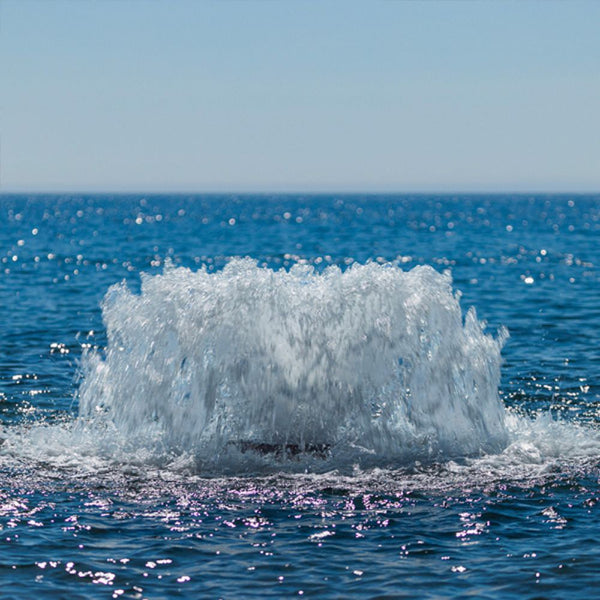
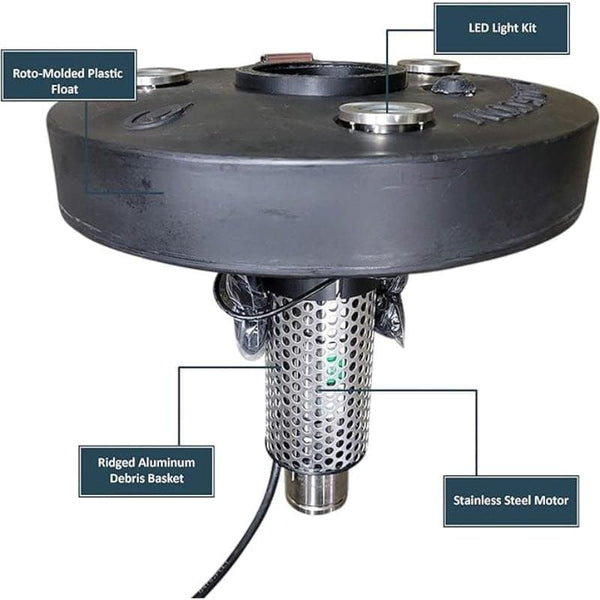
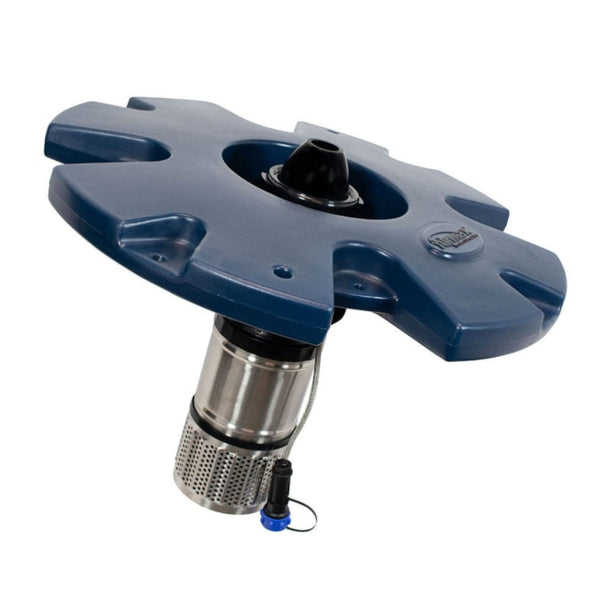
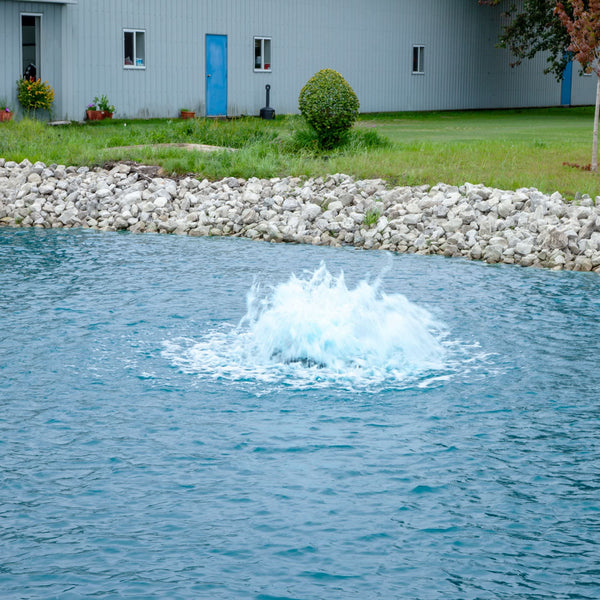
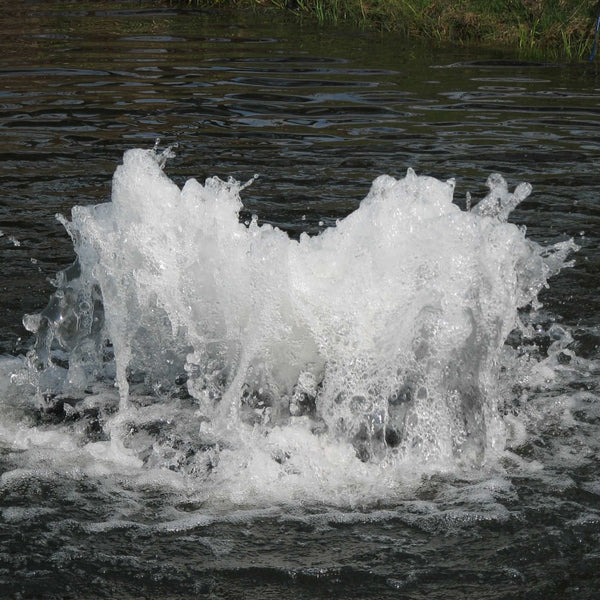
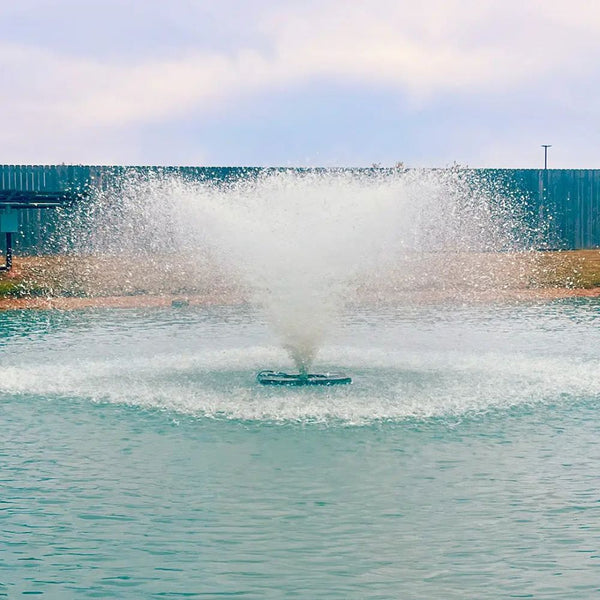
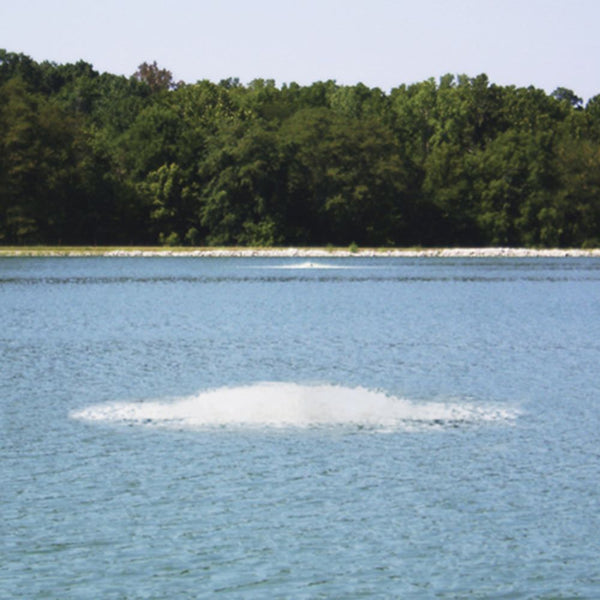
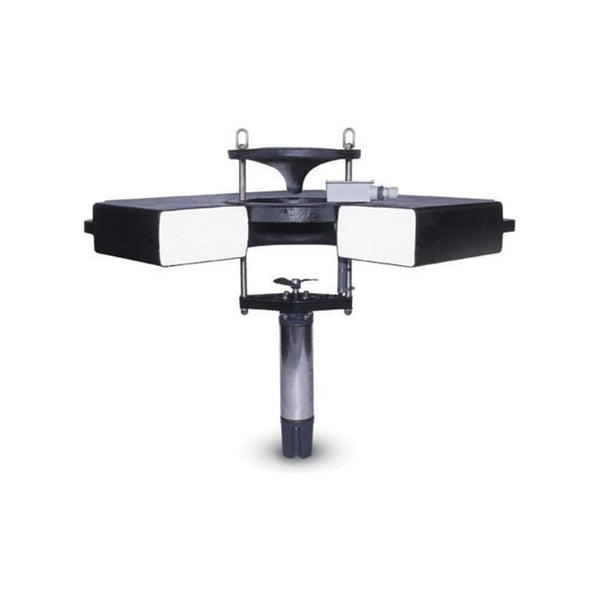
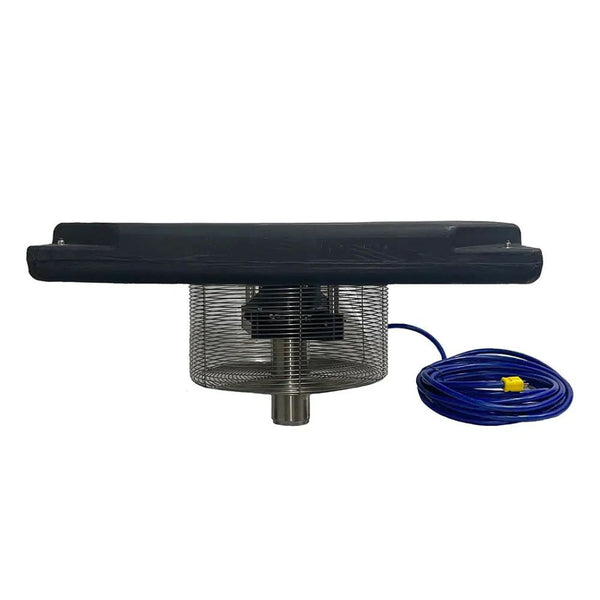
Units like the Kasco Surface Aerator, the Scott Aerator Boilermaker, the Bearon Aquatics Power House, and the OWS Air-O-Lator line are built mainly for water movement and oxygen transfer.
Choose one when oxygen and circulation matter more than looks, such as fish ponds, farm ponds, lagoons, or ponds with heavy odor and muck.
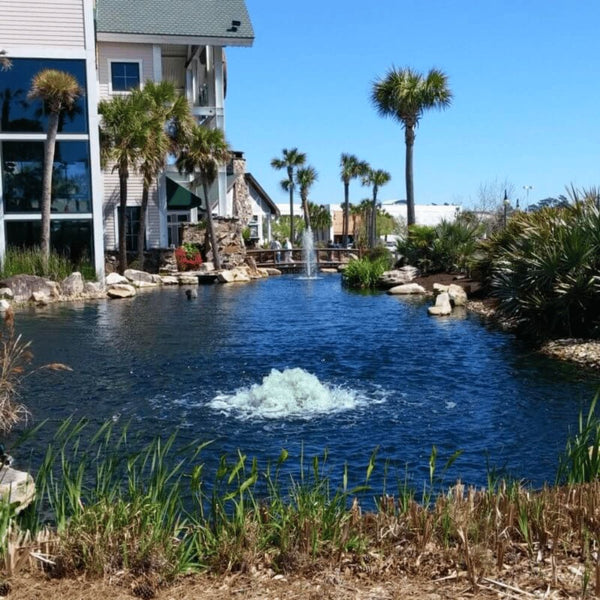
Aerating fountains
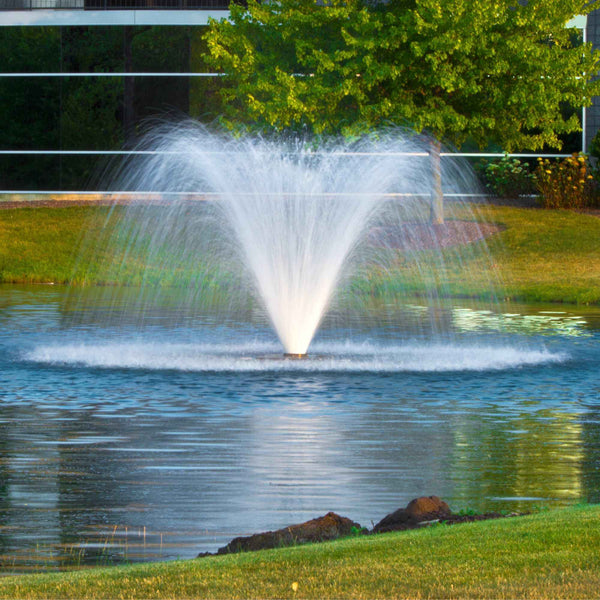
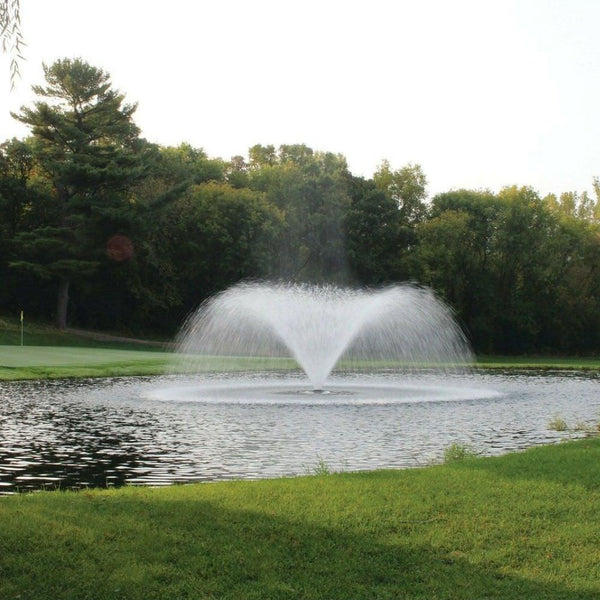
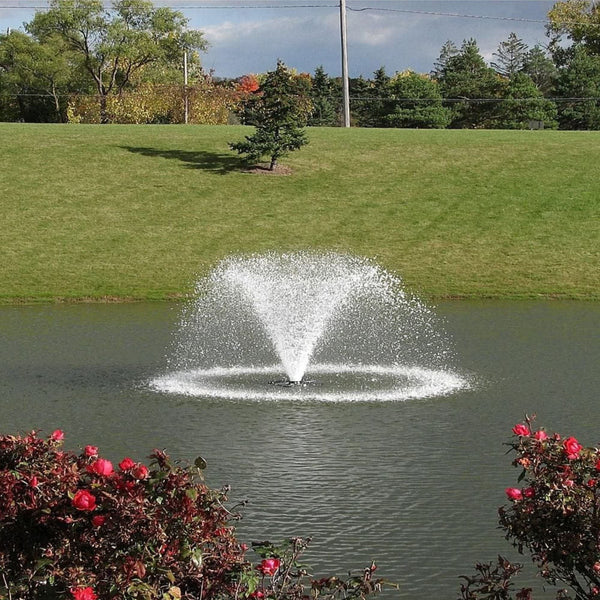
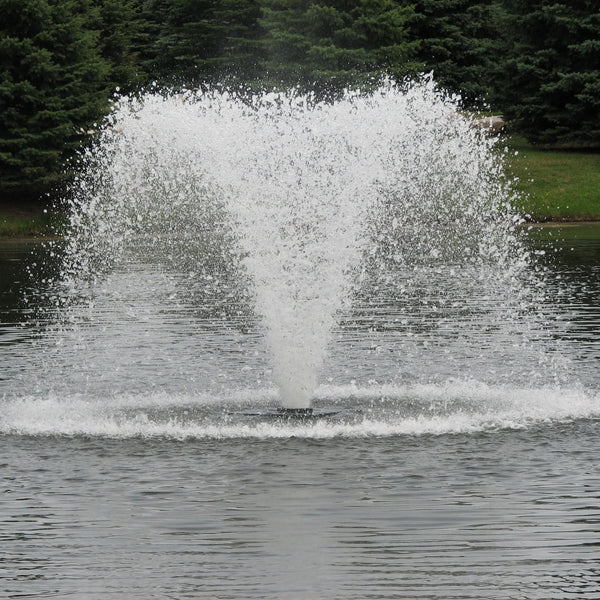
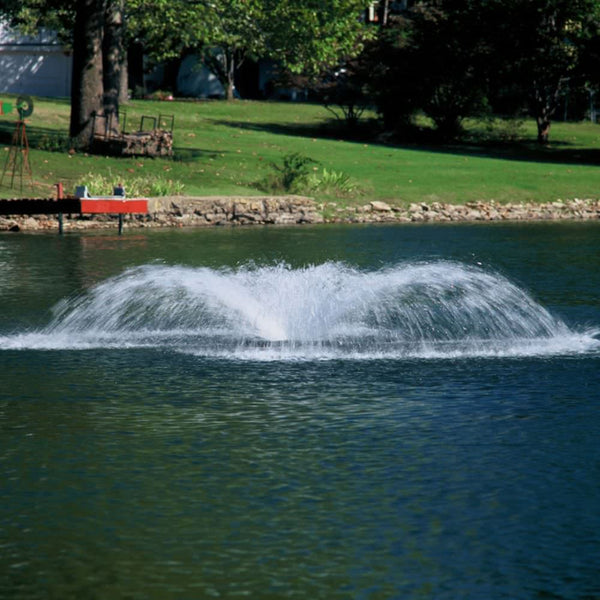
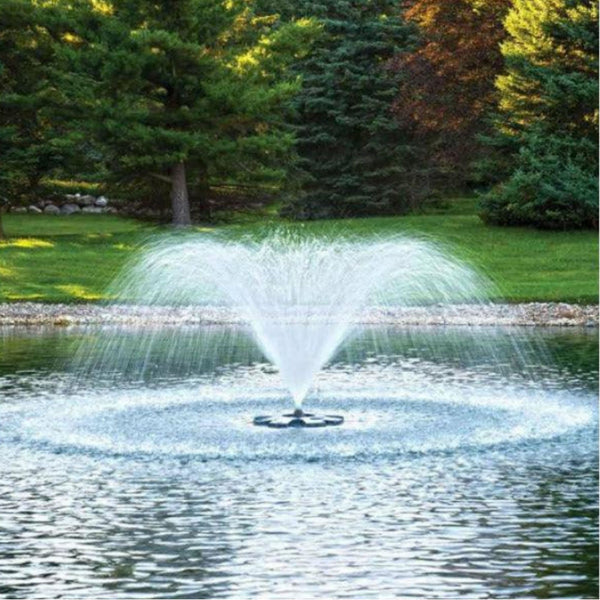
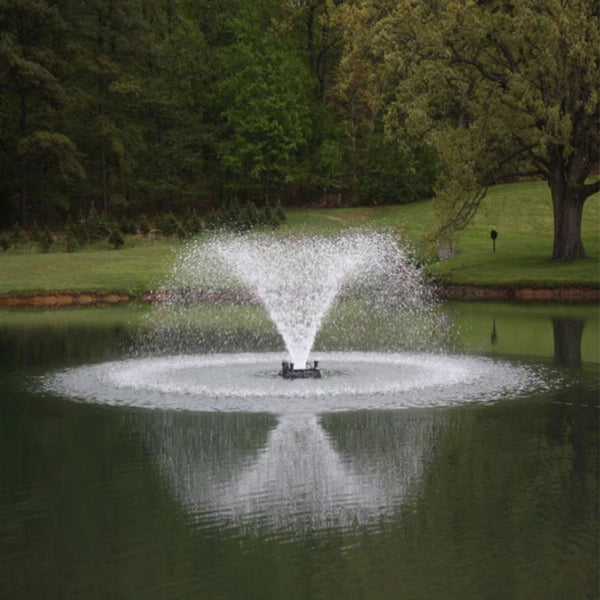
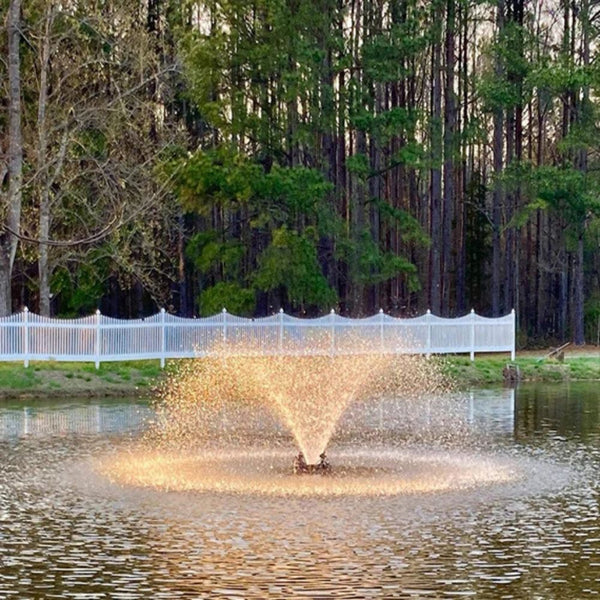
Models such as the Kasco VFX, the Scott DA-20 and North Star, the Vanguard Typhoon, the Airmax EcoSeries, and the OWS Classic Series split the work between aeration and a visible spray pattern.
Choose one when the pond sits in view of a house, a fairway, or a front entrance and you want a display as well as moving water.
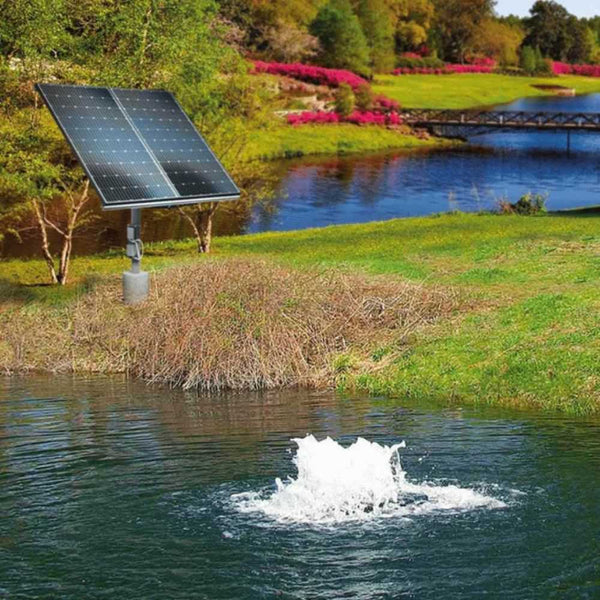
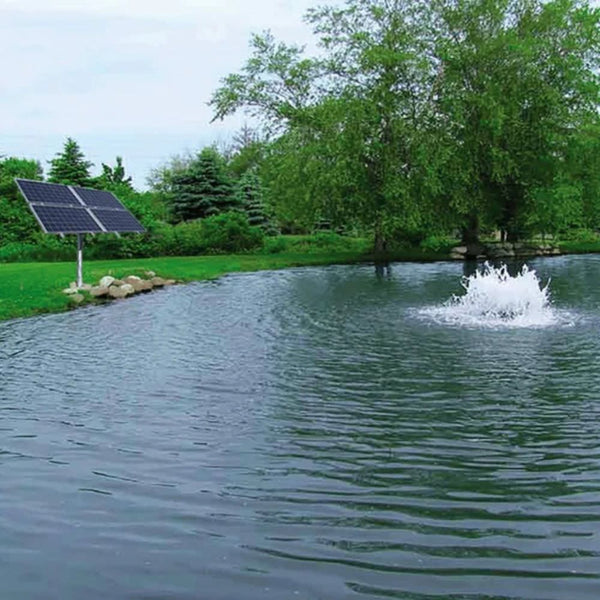
Solar aerators
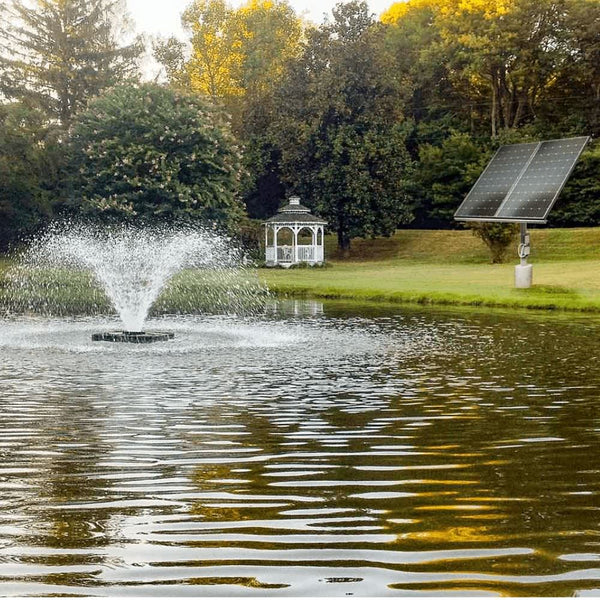
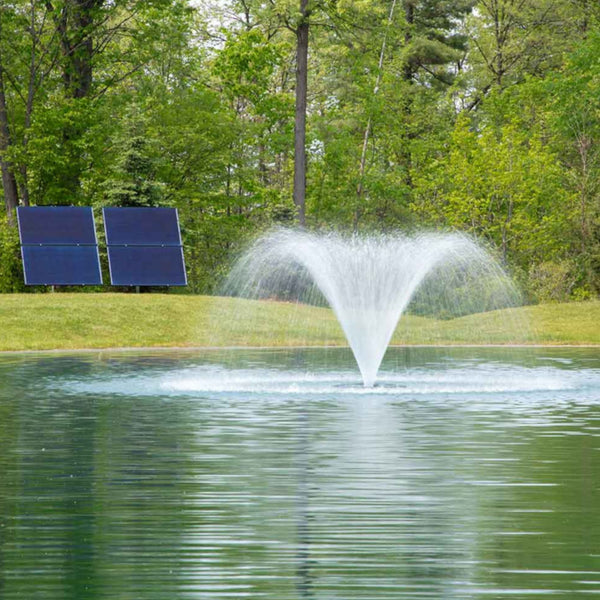
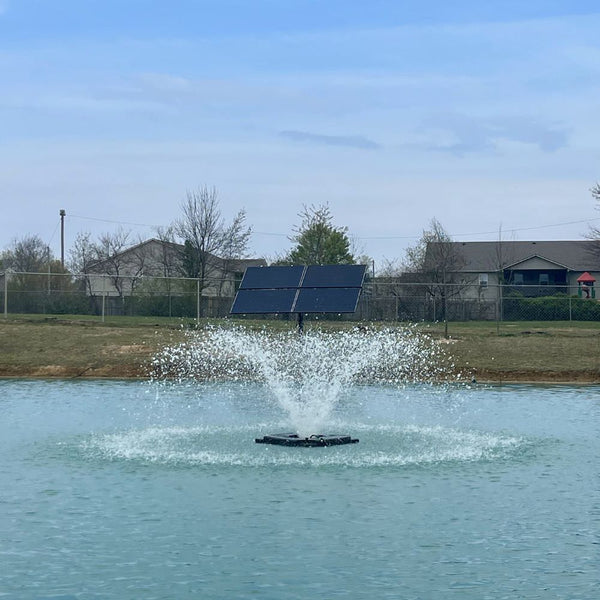
The Scott DA-20 Solar, the Scott Boilermaker Solar, the Airmax SolarSeries, and the OWS Aerify Solar run on panels instead of shore power.
Choose one when the pond is a long way from electricity and trenching a line would cost more than the equipment. Our solar pond aerators page goes deeper on that setup.
Aerator and de-icer combinations
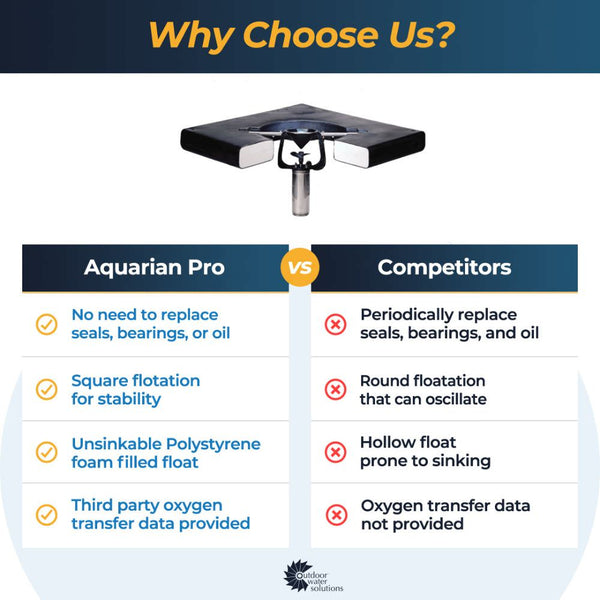
The Vanguard Pond Spa works as an aerator in warm weather and as a de-icer in winter. The OWS Air-O-Lator Aquarian Pro takes an optional Sling Rope De-Icing Kit for the same job.
Choose one when keeping ice open around a dock, a livestock access point, or a fish area matters as much as summer circulation.
For ponds deeper than about 8 to 10 feet, where mixing the lower water is the real goal, compare our subsurface pond air diffusers and aerators instead. Our full pond aerators page shows both approaches side by side.
How to choose the right size or model
Start with the water you have, then match the equipment to it.
- Pond size. Acreage is the first filter. Horsepower here reaches up to 20 HP on the largest commercial aerators.
- Depth. Surface units do their work near the top. A shallow ornamental pond and a deep farm pond rarely take the same model.
- Shape and organic load. Irregular ponds with coves, or ponds carrying leaves and feed, usually need more water movement than a clean pond of the same size.
- Power. Shore power gives you the most models to choose from. No power nearby points you toward solar.
Flow ratings vary accordingly, from roughly 500 gallons per minute on the OWS Aerify to several thousand gallons per minute on the largest OWS Air-O-Lator units.
Depth, power and placement requirements
These points decide which models will work before you ever plug anything in.
Minimum water depth
Every floating aerator needs clearance under its intake. Too shallow and the unit can pull bottom silt and damage the impeller.
- OWS Aerify electric: as little as 18 inches
- Bearon Aquatics Power House Aerating Fountain: as little as 14 to 18 inches
- Airmax EcoSeries: runs in 24 inches of water
- OWS Aerify Solar: as little as 24 inches
Each model states its own minimum, so check the product page before you order.
Power and cabling
Electric models run from shore power, and the supply each unit needs is not the same across the line. Confirm what your pond has before you run cable. Longer runs from the meter to the water are worth planning with heavier cord to avoid voltage drop.
Sun exposure and anchoring
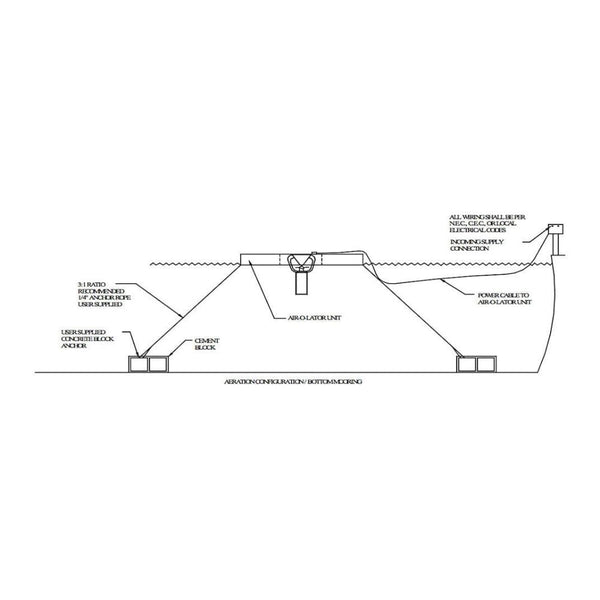
Solar models want an unshaded site with good southern exposure, and their output follows the light available that day. Every unit here needs anchoring or a dock mount so wind does not drift it across the pond.
Not sure which one you need?
Send PondHaven your pond size, average depth, and power access. Add a note on the spray pattern you have in mind, and we can point you to the models that fit.
No page change, it expands right here
Frequently asked questions
Quick answers to the most common questions about our surface aerators.
How deep does my pond need to be to run a surface aerator?
It depends on the model, and you should never run a floating unit in water shallower than its intake. The OWS Aerify electric works in as little as 18 inches, the Bearon Aquatics Power House Aerating Fountain in as little as 14 to 18 inches, and both the Airmax EcoSeries and the OWS Aerify Solar in 24 inches. Check the product page for the minimum on any other model.
What is the difference between a surface aerator and an aerating fountain?
A dedicated surface aerator is built mainly to move water and add oxygen, while an aerating fountain divides its effort between aeration and a decorative spray pattern. Choose the fountain when the pond is on display, and choose the dedicated aerator when water quality is the only job.
Does a surface aerator mix the bottom of a deep pond?
Not really. Surface units circulate the upper water, which helps in ponds up to roughly 6 to 8 feet deep. In deeper ponds, mixing the lower water is better handled by a subsurface aeration system.
Can I leave a surface aerator in the pond during winter?
Only if the model is built for it. The Vanguard Pond Spa is designed to work as a de-icer in cold weather, and the OWS Air-O-Lator Aquarian Pro takes an optional Sling Rope De-Icing Kit to keep water open around docks and livestock access points.
Will a solar surface aerator run at night?
It depends on the model and its battery setup. The Scott Boilermaker Solar needs no batteries, so its output follows daylight rather than stored power. Ask us about your site if overnight operation matters.
Need expert help finding the right setup?
Contact Pond Haven Support