

Self-Contained Fountains
Guide & FAQ
How to choose the right self-contained fountain
- 3 min overview
- Types, sizing & sound
- 5 common questions
Why a self-contained fountain works well
Moving water gives an empty corner of the yard something to build around, and it does some useful work at the same time. Most people choose one for a few practical reasons:
- Sound to cover traffic or air-conditioner noise. Falling water masks background hum from the street or a nearby unit.
- A center point for an empty spot. A fountain gives a courtyard, patio, driveway island, or garden bed a clear focal point.
- Moving water for birds and pollinators. Flowing water draws wildlife and keeps water from sitting still.
The main types, and when to choose each
The fountains here differ mostly in how the water sits and falls, and each type suits a different setting and sound level.
Tiered fountains with a basin
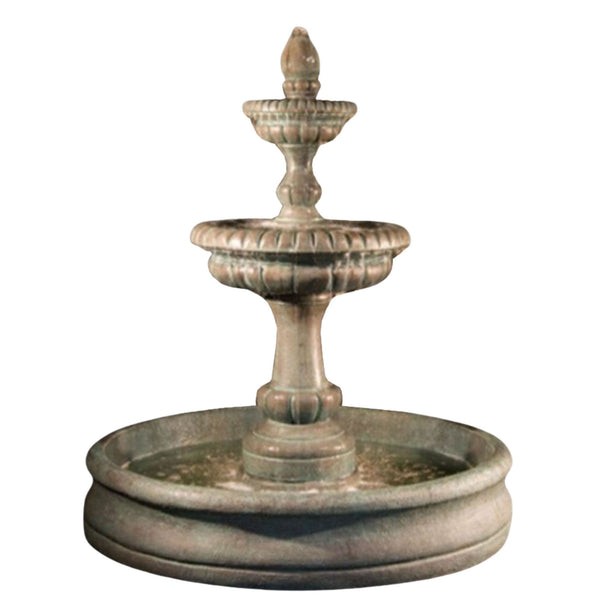
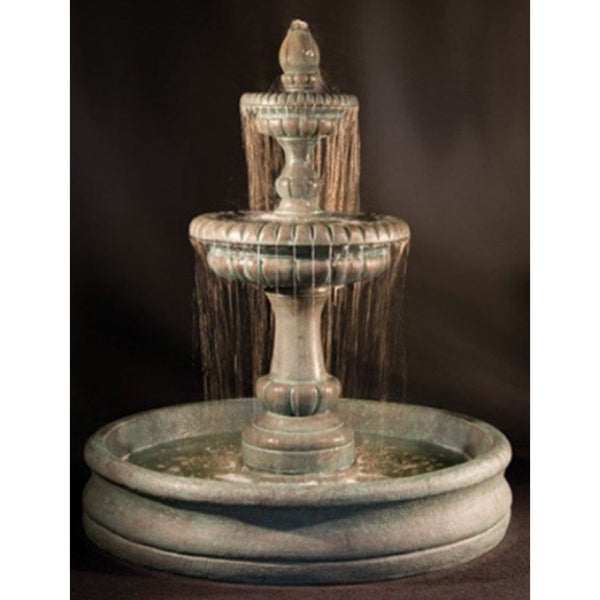
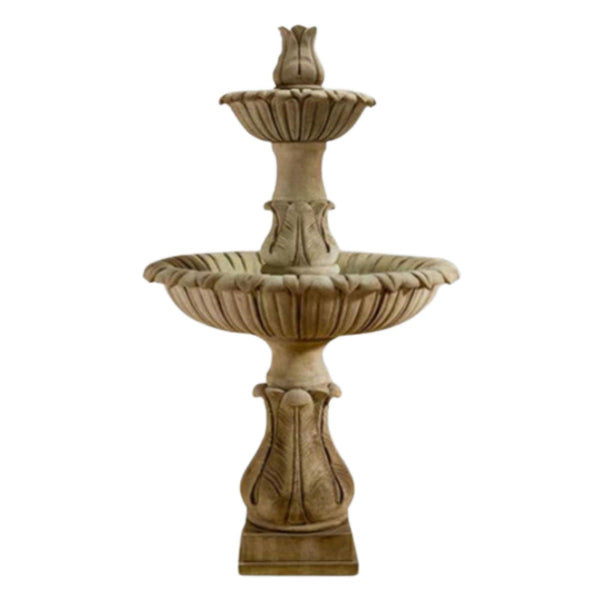
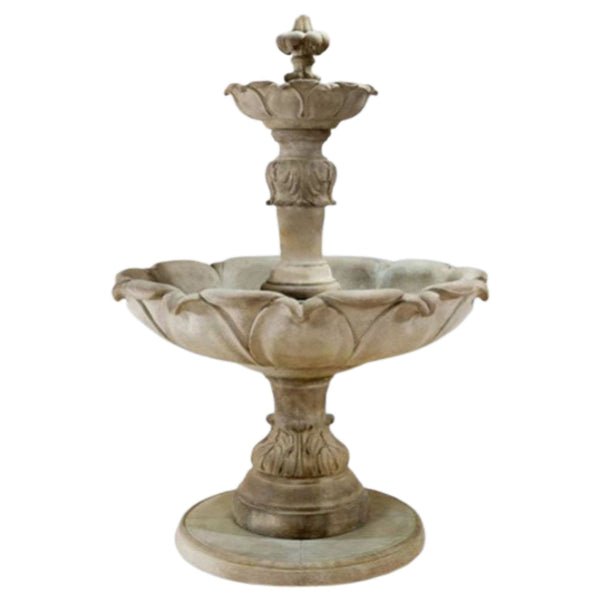
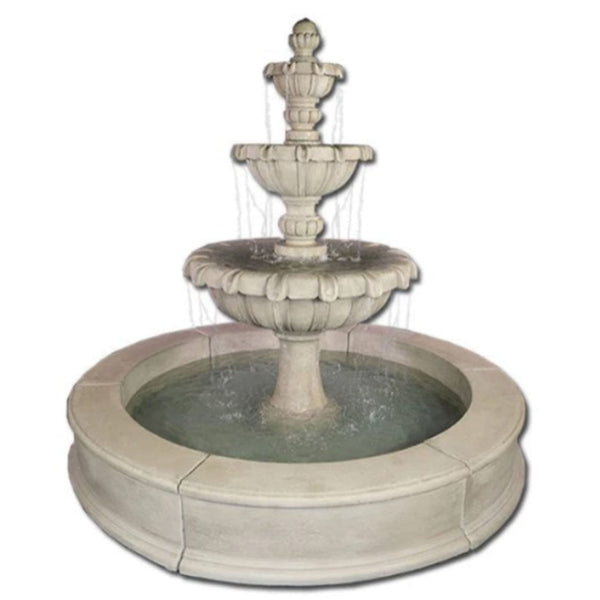
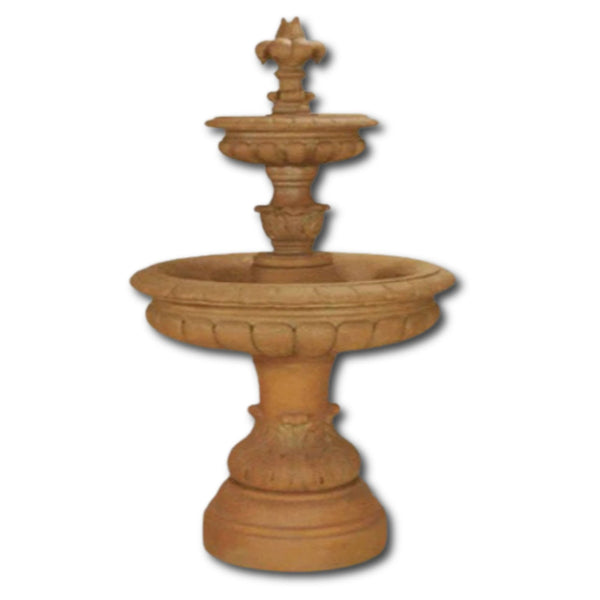
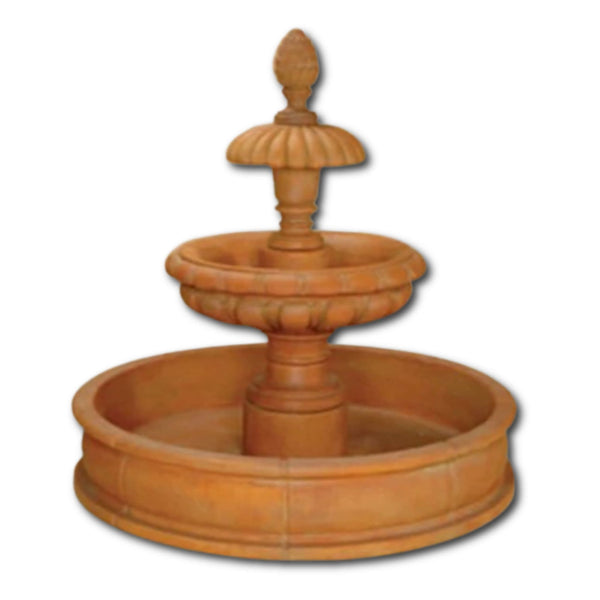
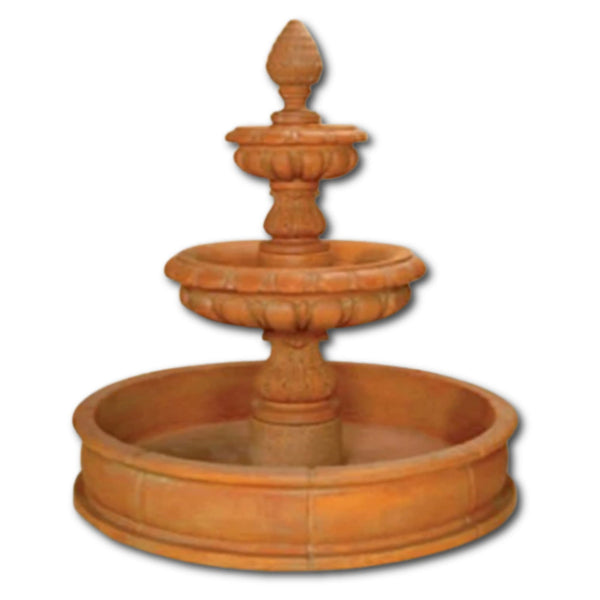
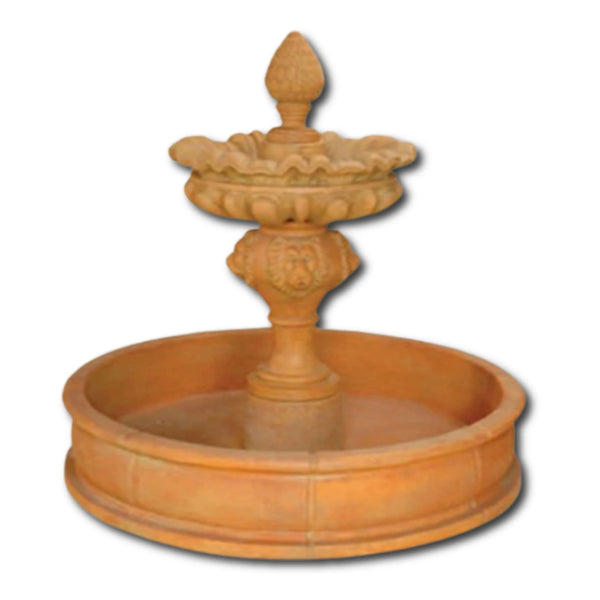
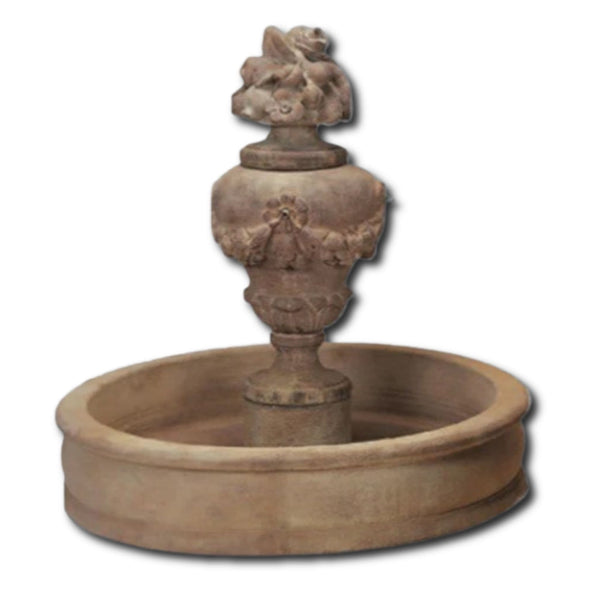
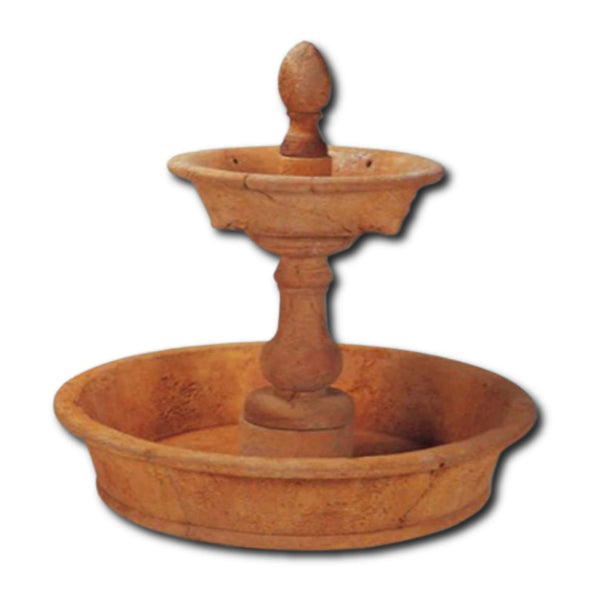
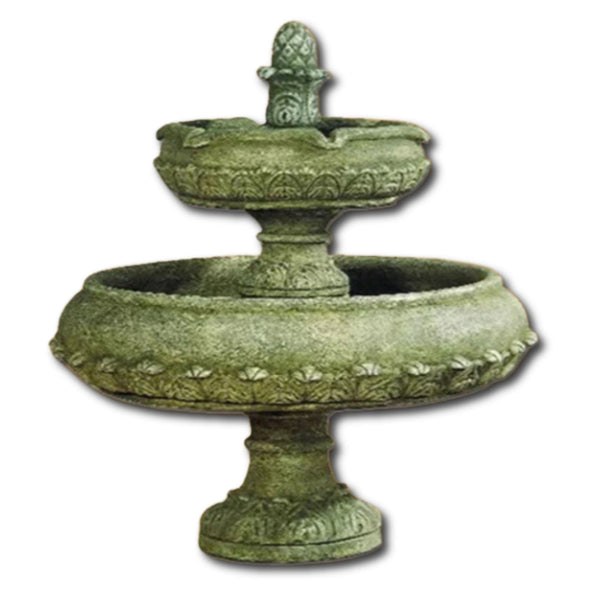
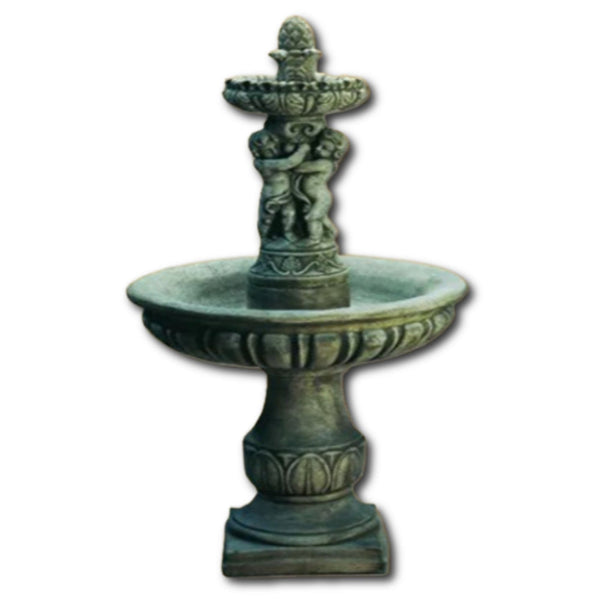
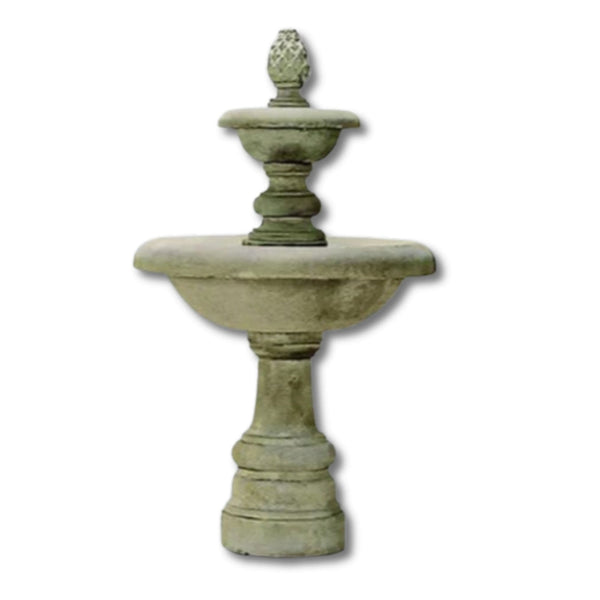
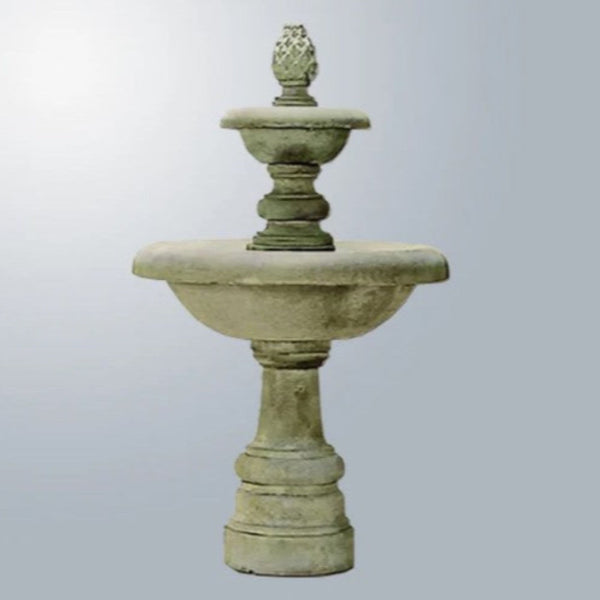
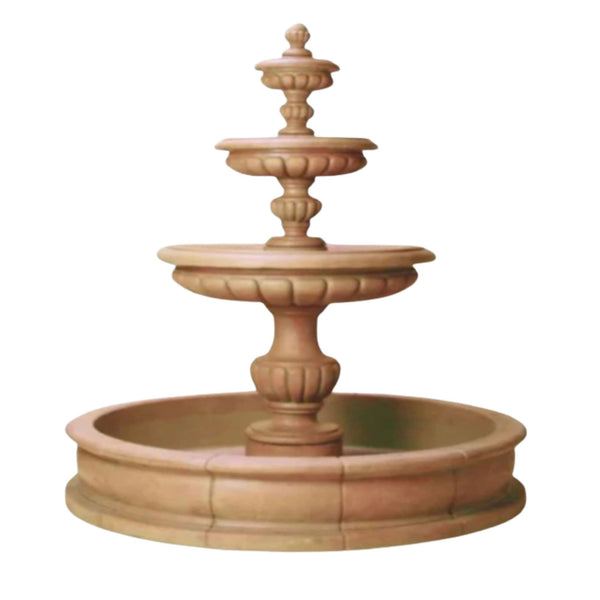
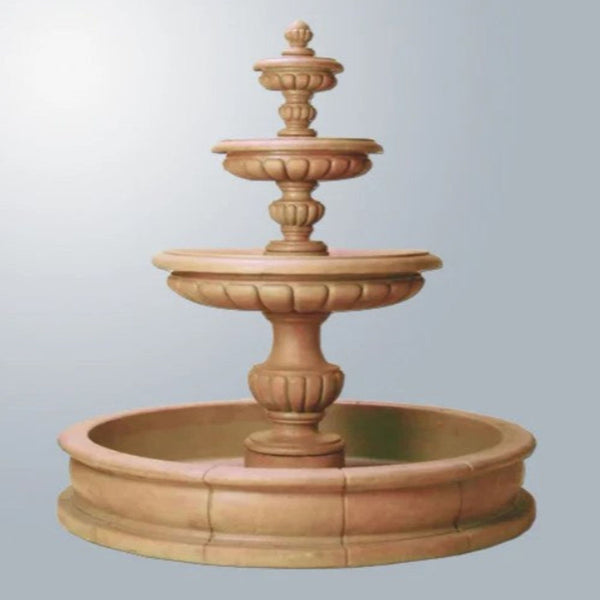
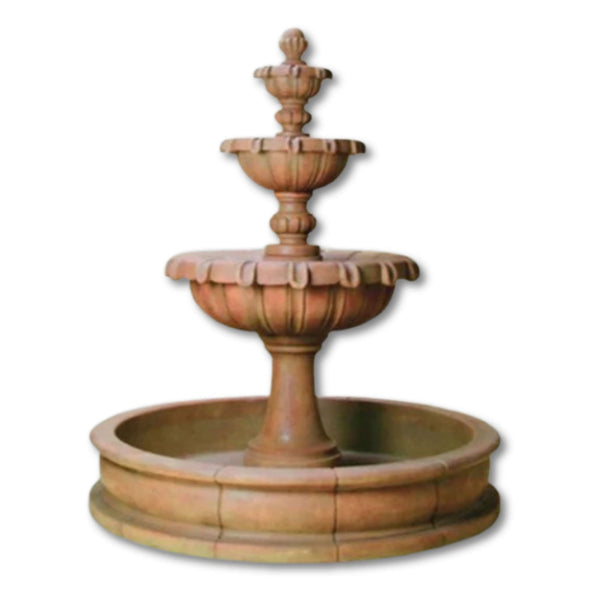
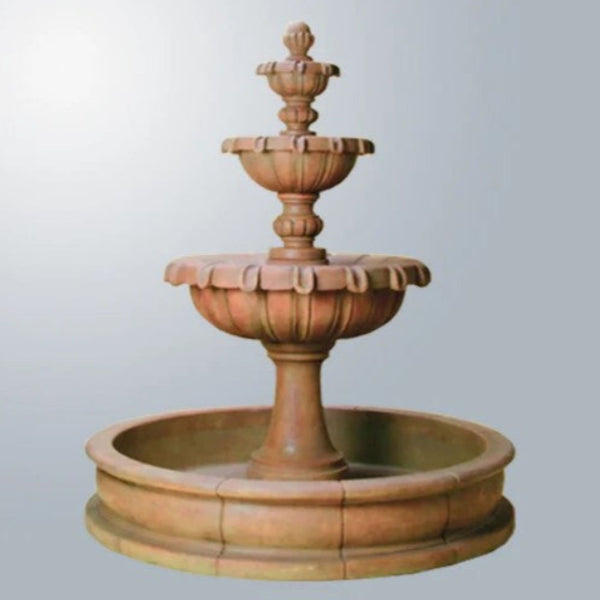
Two or three levels fall into a pool at the base. Choose a tiered fountain when you want visible height and a fuller water sound in a courtyard, along a driveway, or at the center of a garden bed. The Fiore Stone Pioggia is a cast stone two-tier design with a 55" basin, and Giannini Garden's Giglio, Calanthia, and Chateau pieces sit in this group.
For more traditional multi-level designs, see our tiered outdoor fountains.
Pond-style fountains
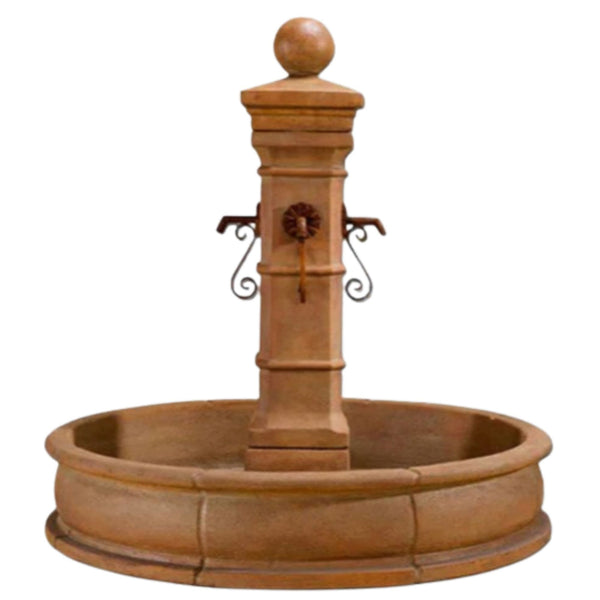
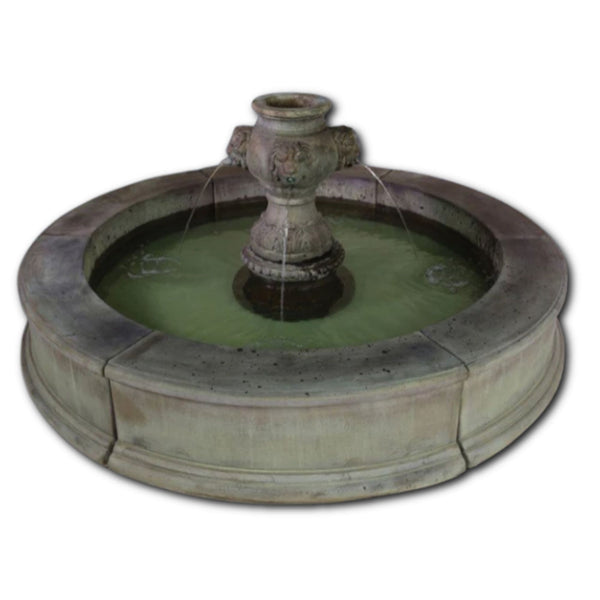
Wide, low basins with a tiered center or spouts above them. Choose a pond-style fountain when you want a broad water surface with reflections and have open lawn or a large courtyard to fill. Giannini Garden's Fortino and Amelia have 51" pond basins, the Appia Pond stands 43" high and 48" wide, and the Laguna sits in this group as well.
Modern pillar and circular fountains
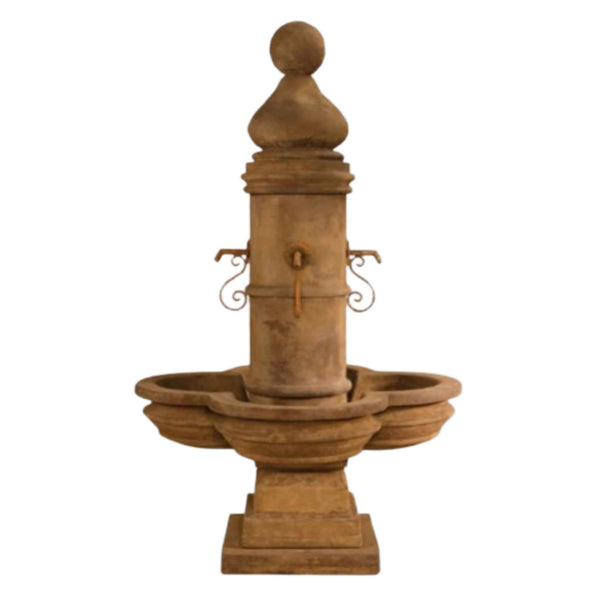
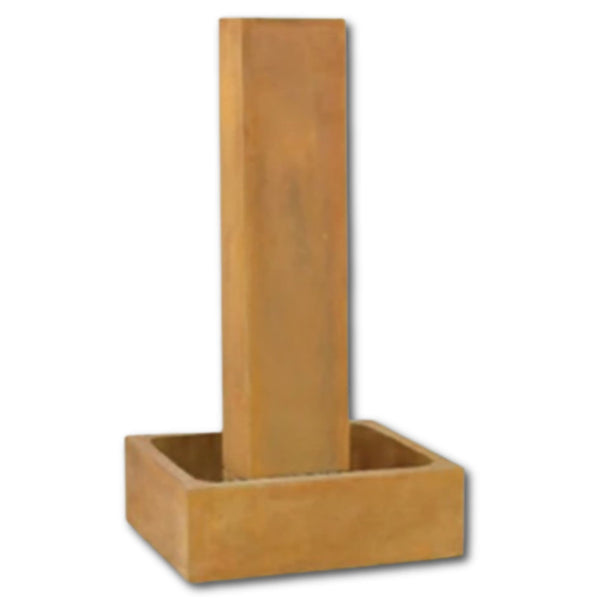
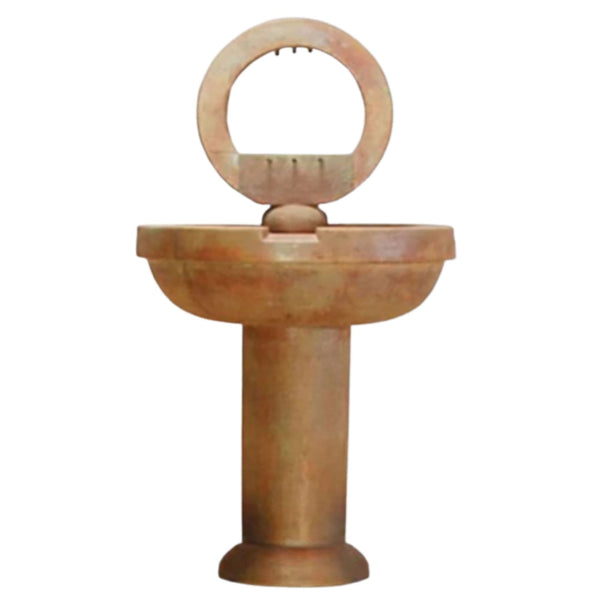
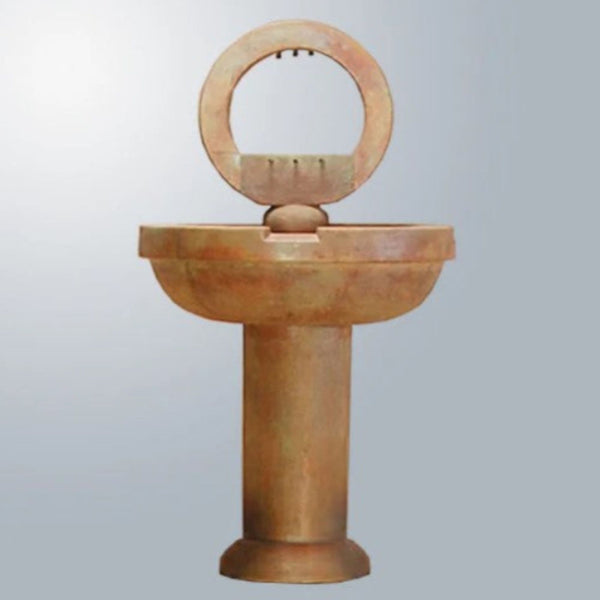
Clean vertical columns and circular flow with little ornament. Choose one of these when the setting is modern or the footprint is narrow. Giannini Garden's Acqua is a low-profile piece for patios and entryways, the Smooth Pilar Tall is a clean ball-free column, and the Contempo uses a soft circular flow.
Sculptural and jug fountains
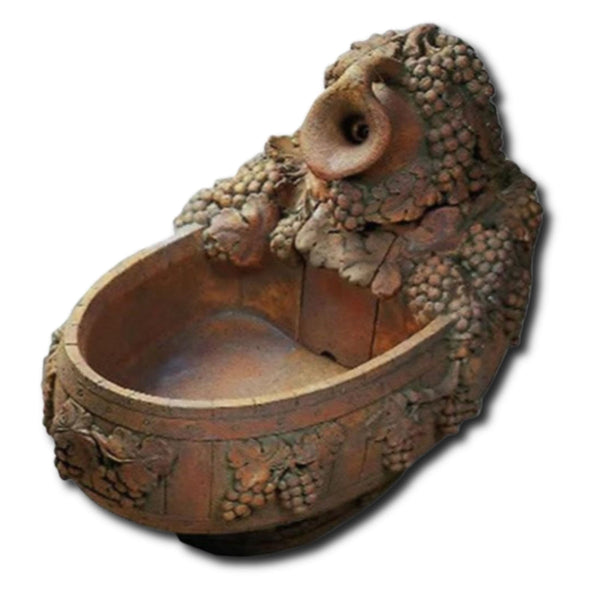
Statue and vessel forms where the shape is the point. Choose one of these when you want an accent for a garden nook or patio corner rather than a large water display. The Giannini Garden Wine Jug measures 30" high, 21" wide, and 36" long, and the Putti is a classical statue piece.
Wall-mounted, tabletop, and solar-powered fountains are not part of this group. For other formats, browse outdoor fountains.
How to choose the right size and sound level
Start with the spot where the fountain will stand and how close people sit to it. Size and sound are the two things worth matching before you settle on a style.
- Footprint. Leave walking clearance around the piece. The wider designs, such as the Appia Pond at 48" across or the Pioggia with its 55" basin, need room on all sides.
- Height. A vertical piece like the Giglio at 61" or the Smooth Pilar Tall gives you height in a narrow spot.
- Sound. Two or three tiers dropping into a wide basin generally make more sound than a single smooth stream or a circular flow like the Contempo. Match that to how near the seating sits.
- Setting. Driveway, courtyard, garden bed, and patio each call for a different scale. Note what surrounds the fountain before you settle on a size.
Power, placement and delivery
A self-contained fountain needs a level place to stand and power for the water to move. Both are worth checking before you order.
Power
Plan on a standard GFCI-protected outlet within reach of the spot you have chosen. Check the product page for the electrical details of any model you are considering.
Placement
Cast stone is heavy, so it needs a flat, level, compacted surface that will not settle or crack, such as a concrete pad, pavers, or reinforced decking. Leave walking room around the fountain and think about where the sound will carry.
Getting it into place and winter care
Plan how the fountain will reach its spot and who will move it. Three Giannini Garden pieces here are marked forklift required: the Chateau Three Tier Easy Pond, the Parigi Pond, and the Chateau Pond.
Cast stone is porous and does not handle freezing water well. Before the first hard freeze, drain the fountain, dry it out, cover it, and bring the pump parts indoors.
Not sure which one you need?
Tell us where the fountain will go, roughly how large the area is, how much sound you want near seating, and how you plan to move it into place. We can help you compare the pieces that fit.
No page change, it expands right here
Frequently asked questions
Quick answers to the most common questions about our self-contained fountains.
Does a self-contained fountain need an underground water line?
No. You fill it with a hose instead of connecting a supply line, and the water circulates on its own.
How do I get a heavy cast stone fountain into my backyard?
Plan the route and the lifting before it arrives, since these pieces are heavy and awkward to move. Three pieces in this group are marked forklift required: the Giannini Garden Chateau Three Tier Easy Pond, Parigi Pond, and Chateau Pond. Ask us about the handling needs of any model you are considering.
How do I keep a fountain from cracking in freezing weather?
Drain it before the first hard freeze, dry it out, cover it, and store the pump parts indoors. Water left inside expands as it freezes and can crack porous cast stone.
How often do I need to add water?
As evaporation requires. Check the water level weekly in hot or windy weather and top it up whenever it drops.
What should I tell PondHaven if I need help choosing?
Send us the size of the spot, how close seating sits, how much sound you want, and how the piece will get into place. We can compare the options that fit and help you decide.
Need expert help finding the right setup?
Contact Pond Haven Support