

Retention Pond Fountains
Designed for stormwater and retention basins, retention pond fountains improve surface circulation while enhancing property appearance. These systems help reduce stagnation and support cleaner water conditions. Available with optional LED lighting and sized for various pond dimensions.








Retention Pond Fountains buying guide
Design and Aesthetics of Retention Pond Fountains
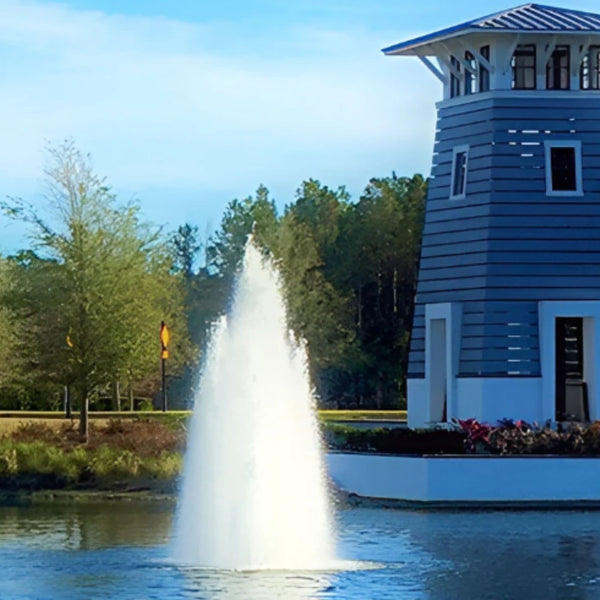
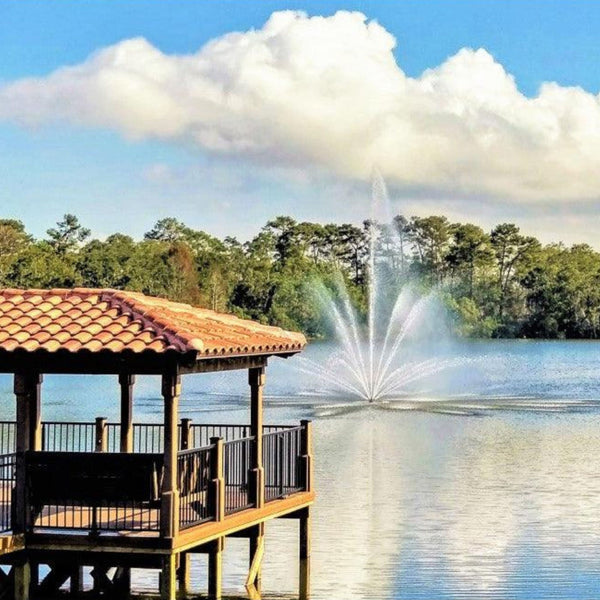
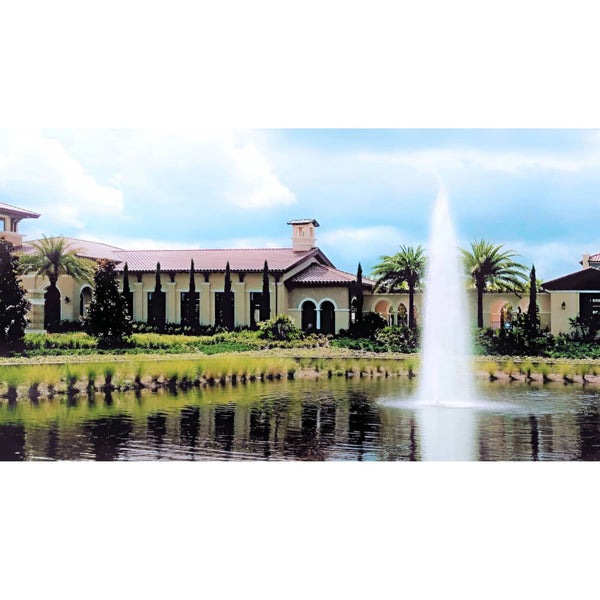
Retention pond fountains do more than aerate. They also shape the look of a commercial site, park or residential landscape, and they help the pond serve as a visual asset rather than a plain utility.
Types of Fountains and Their Functions
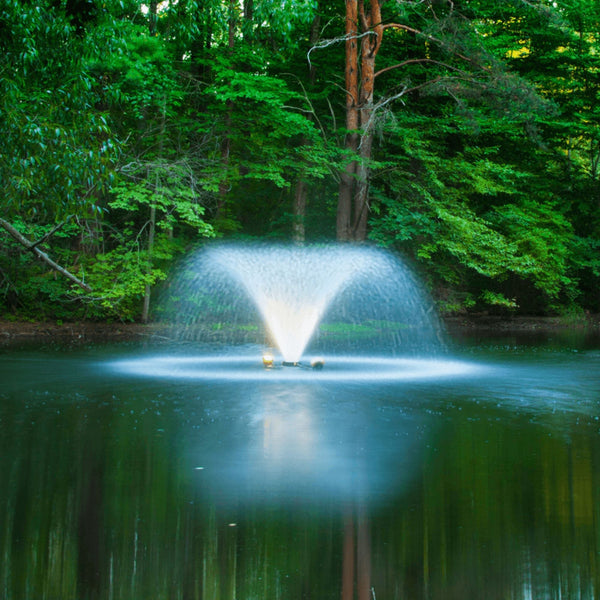
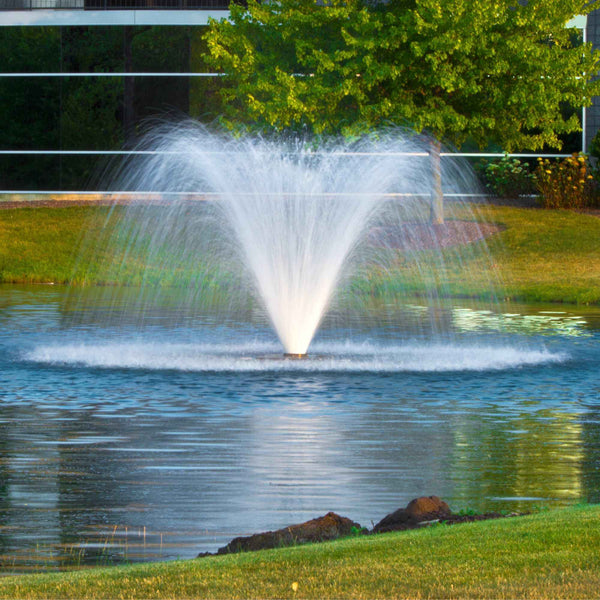
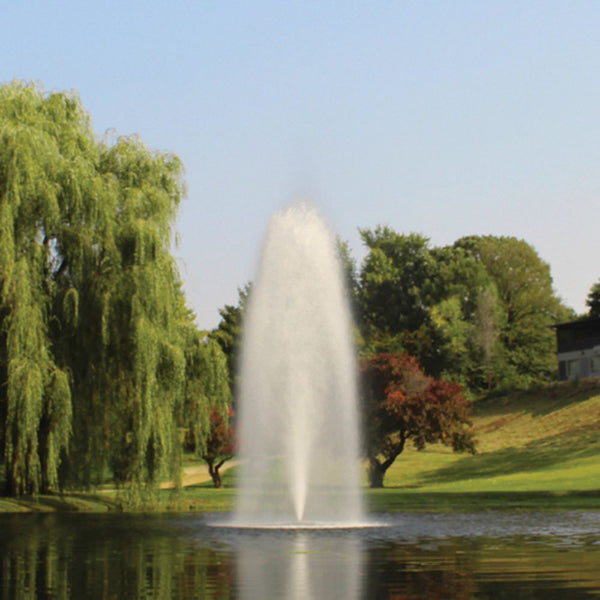
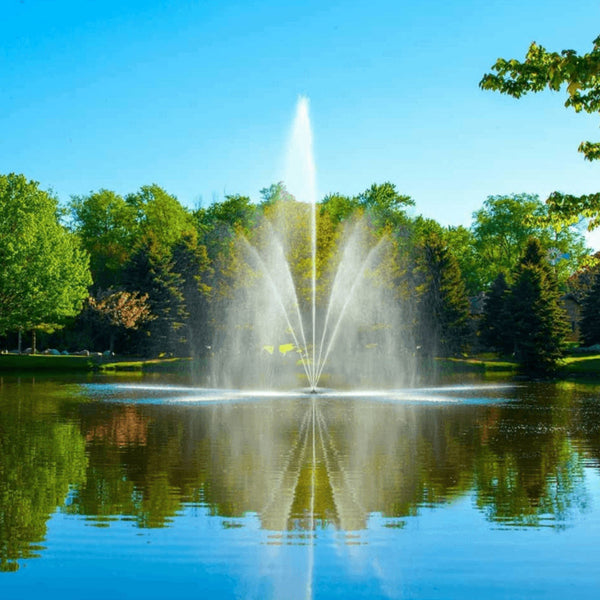
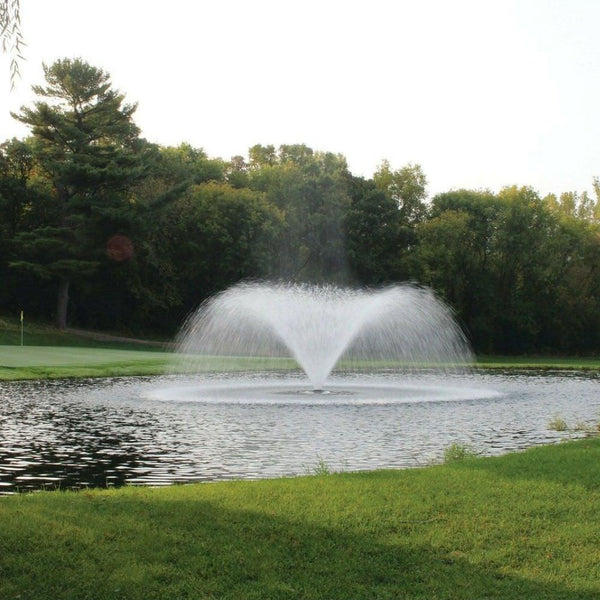
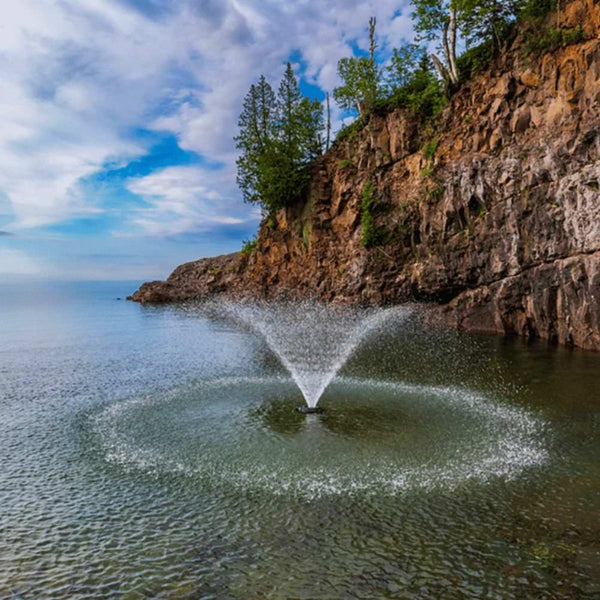
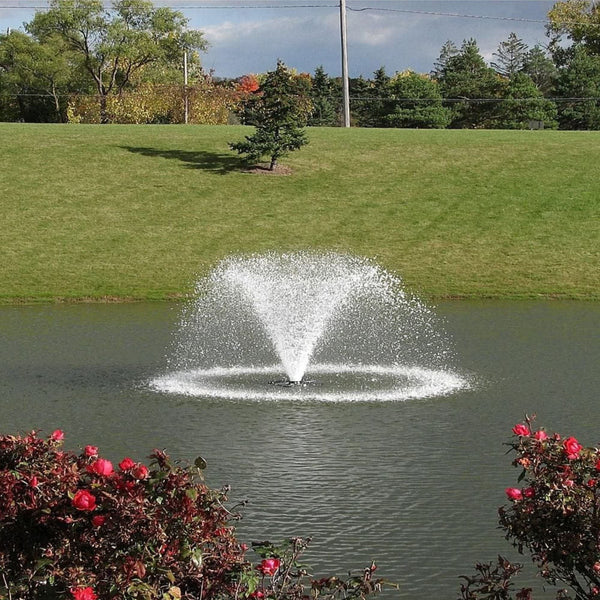
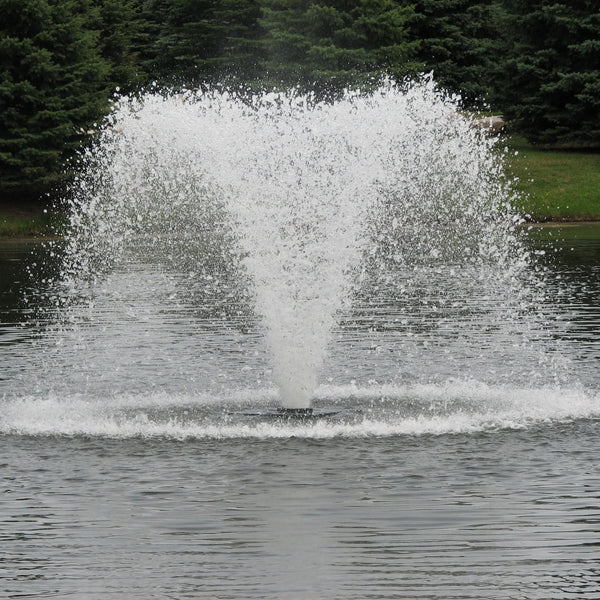
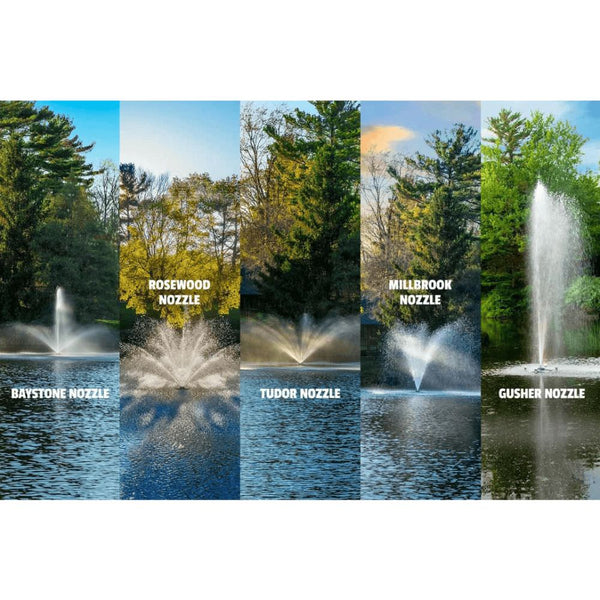
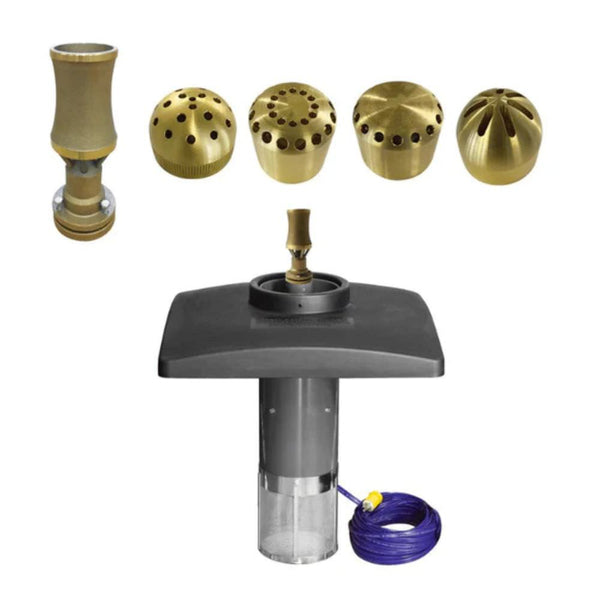
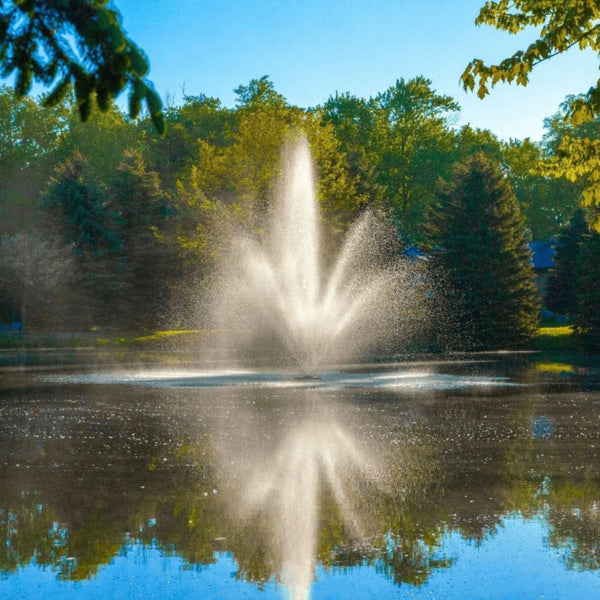
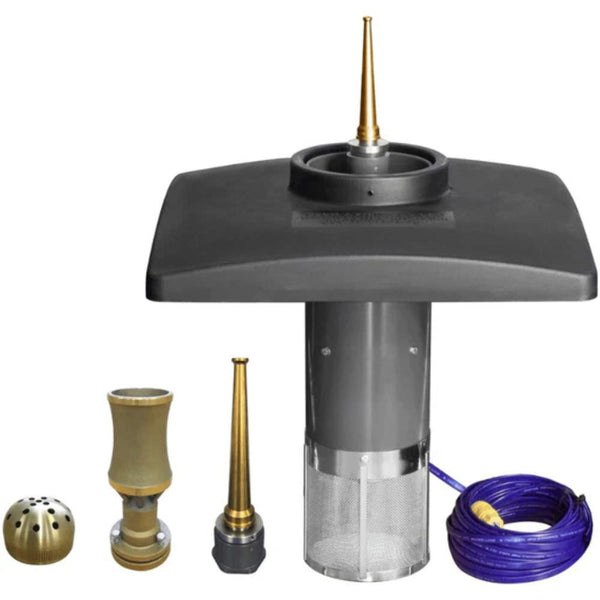
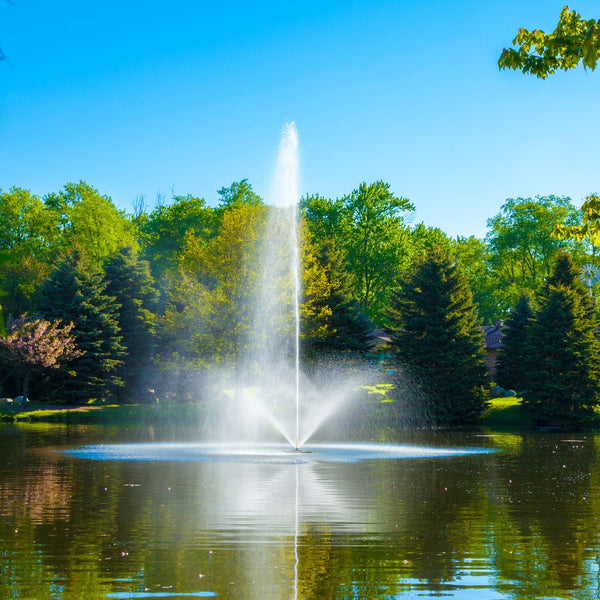
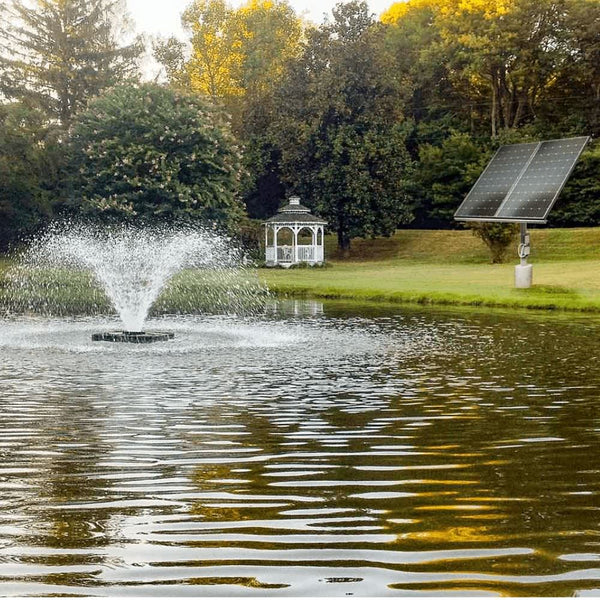
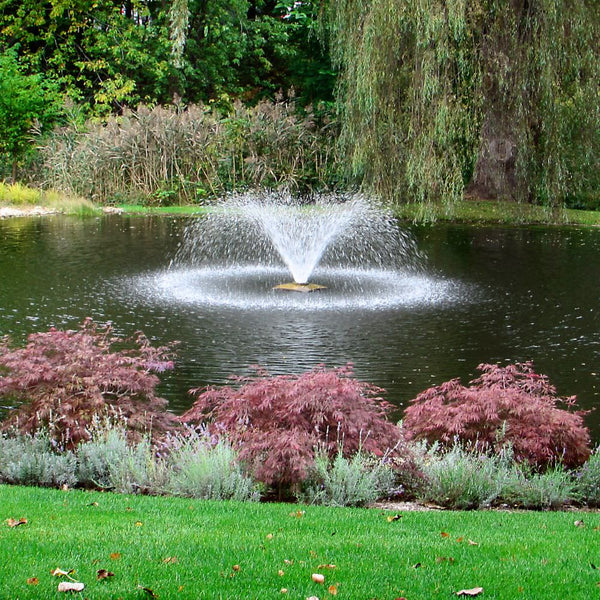
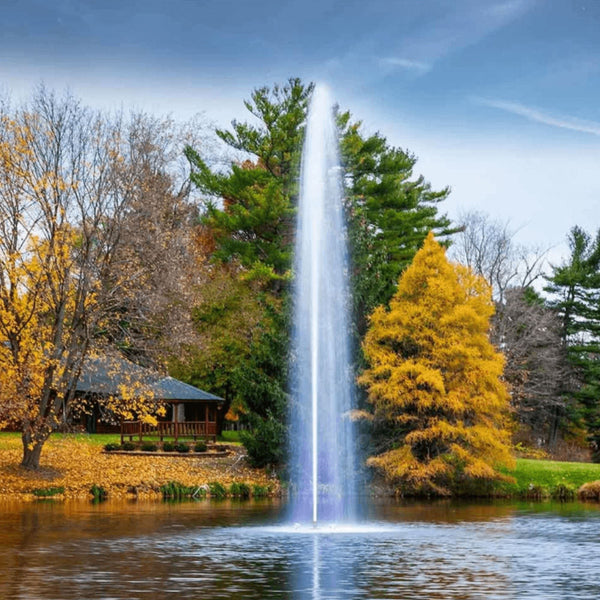
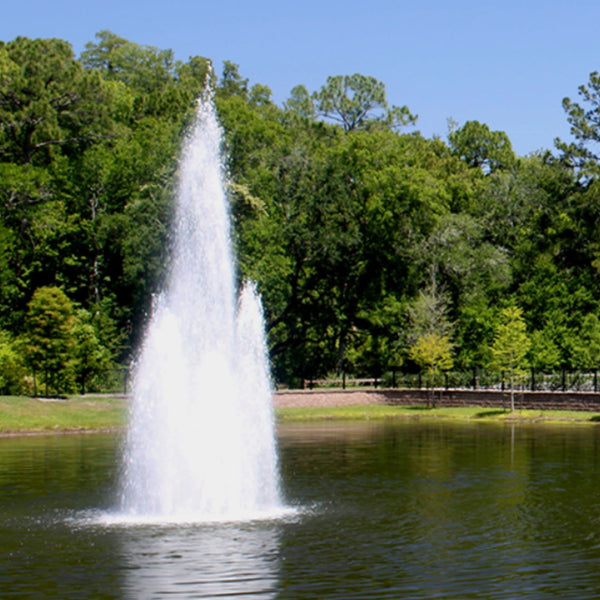
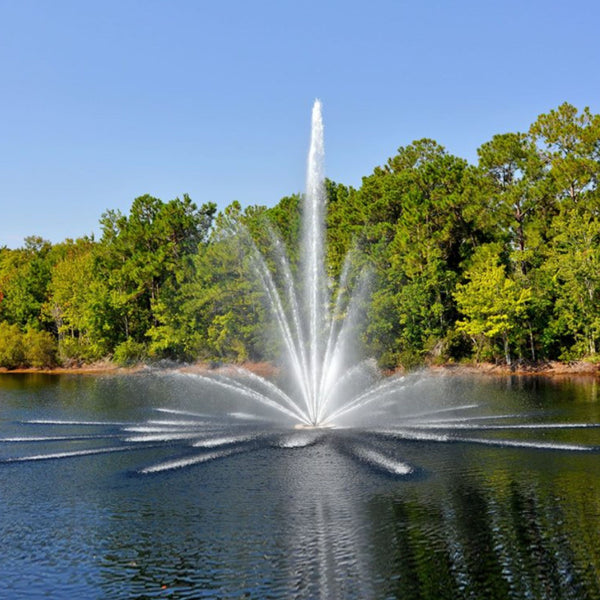
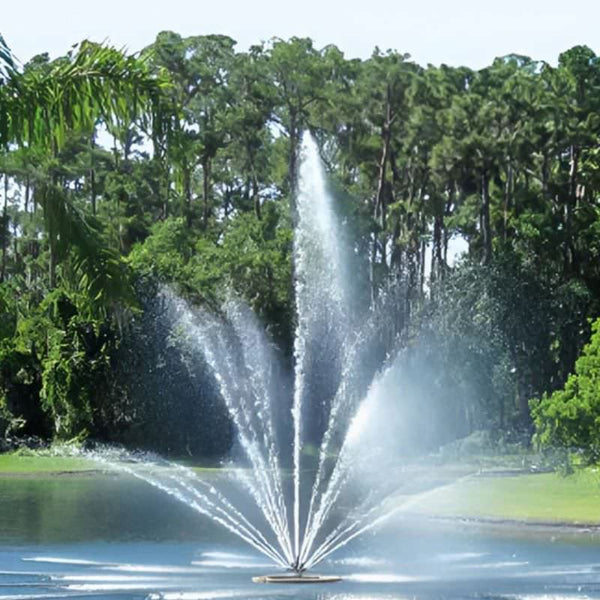
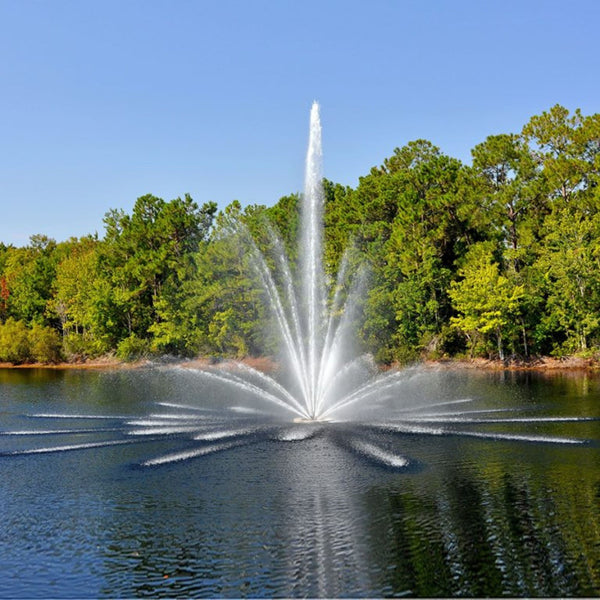
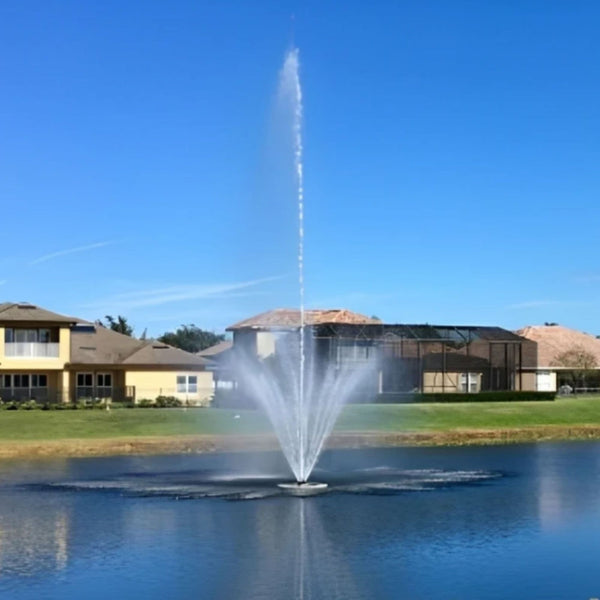
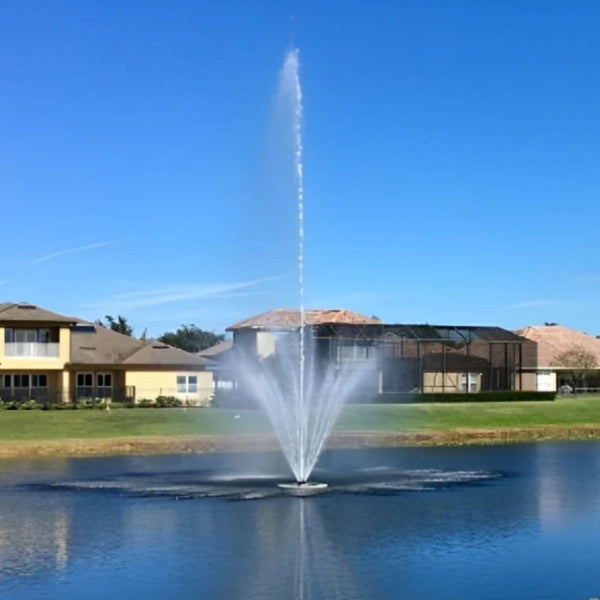
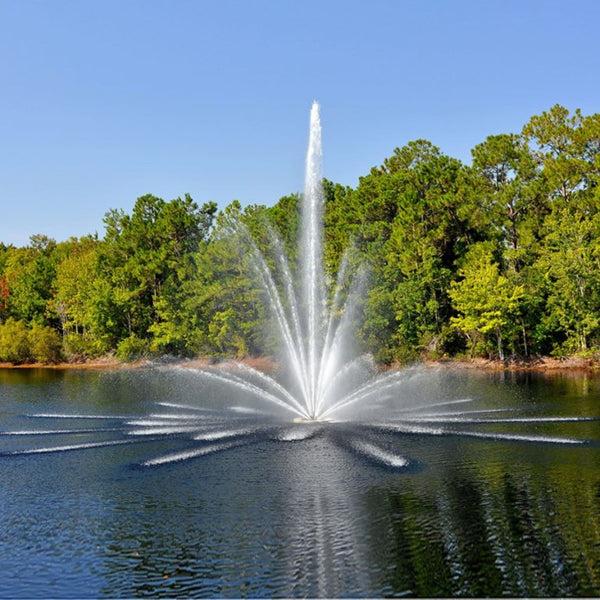
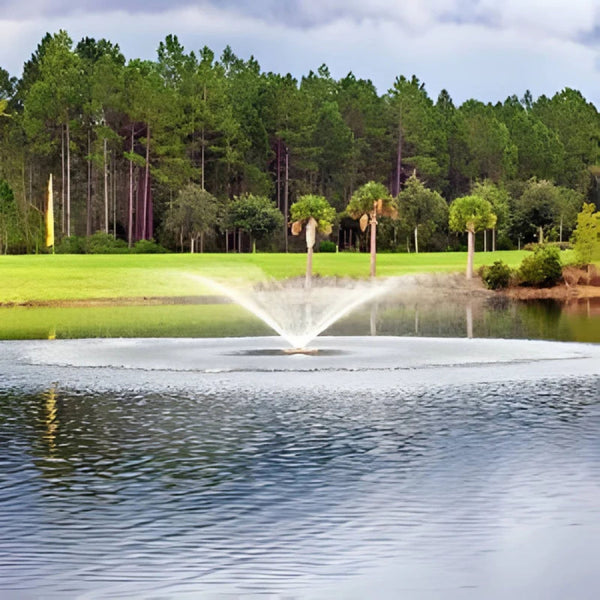
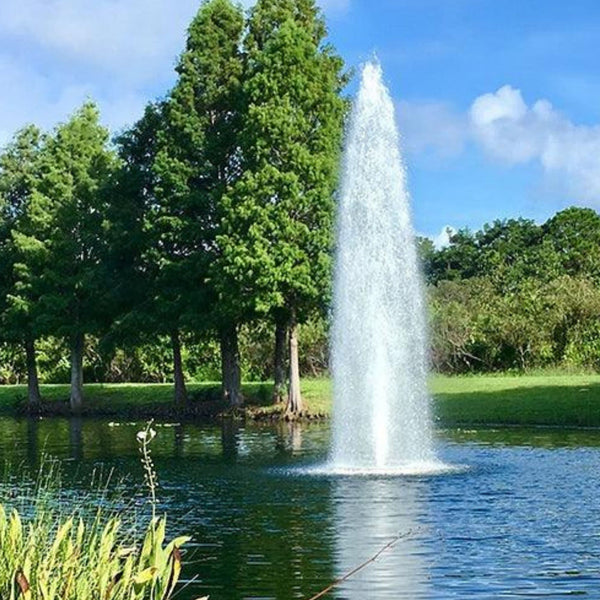
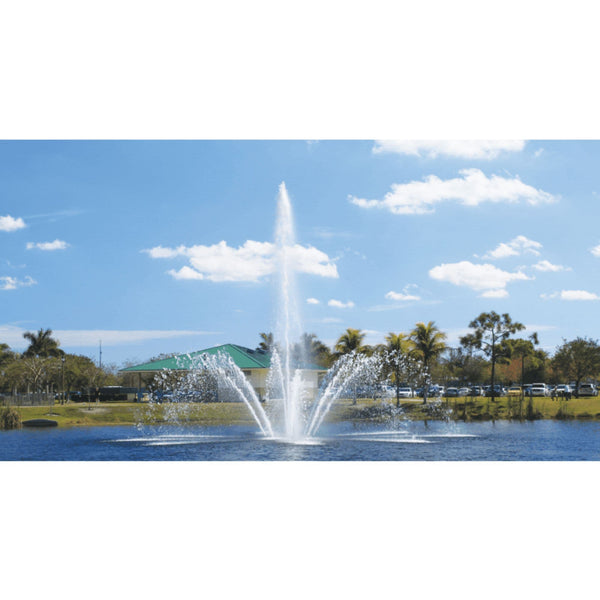
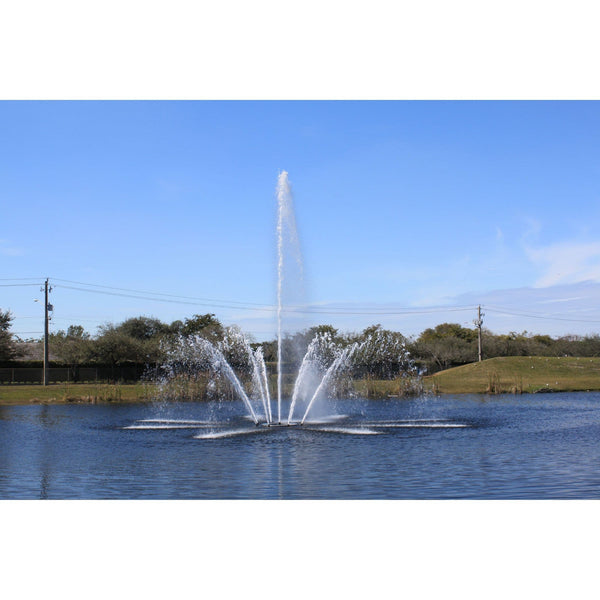
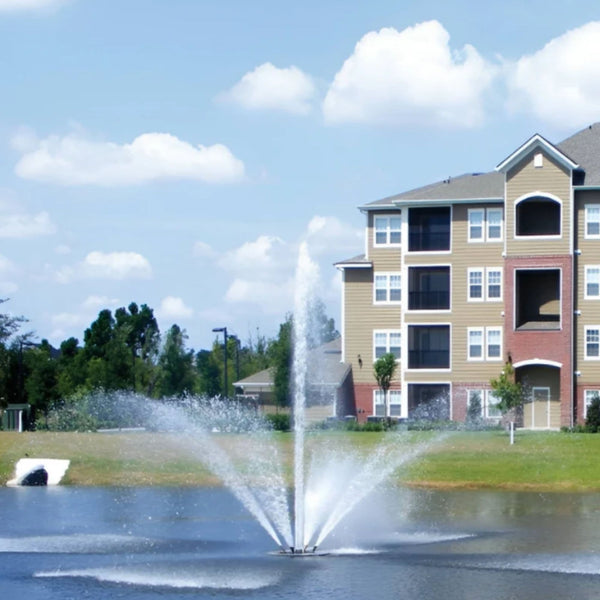
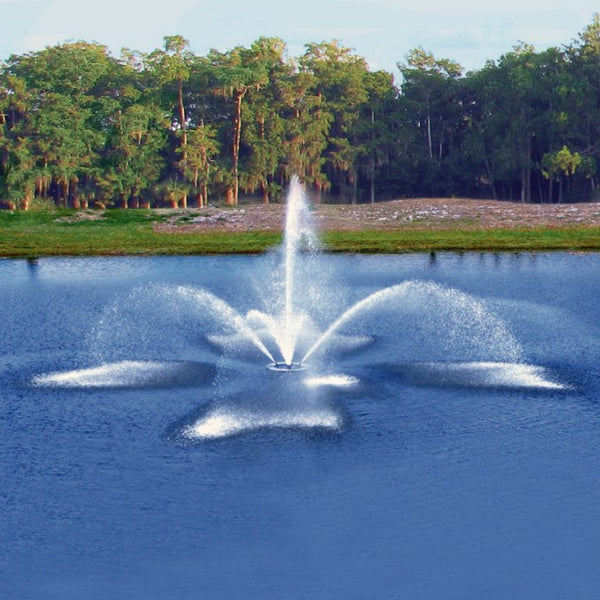
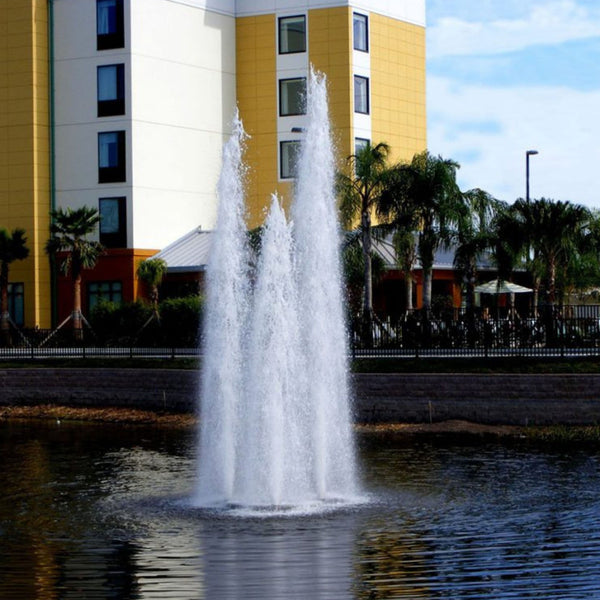
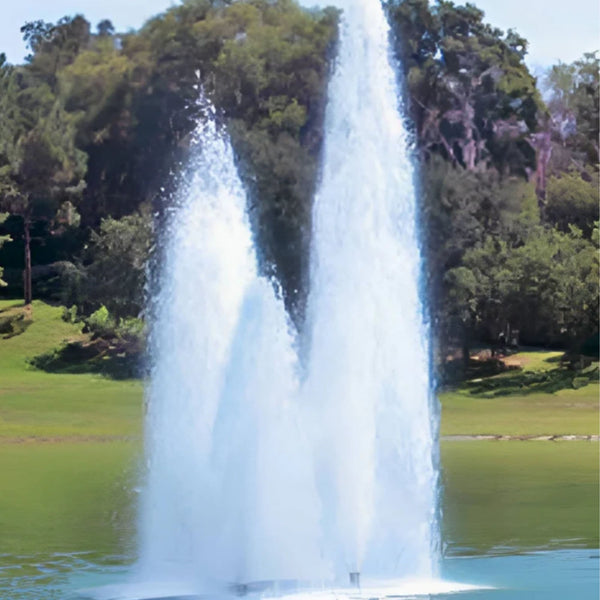
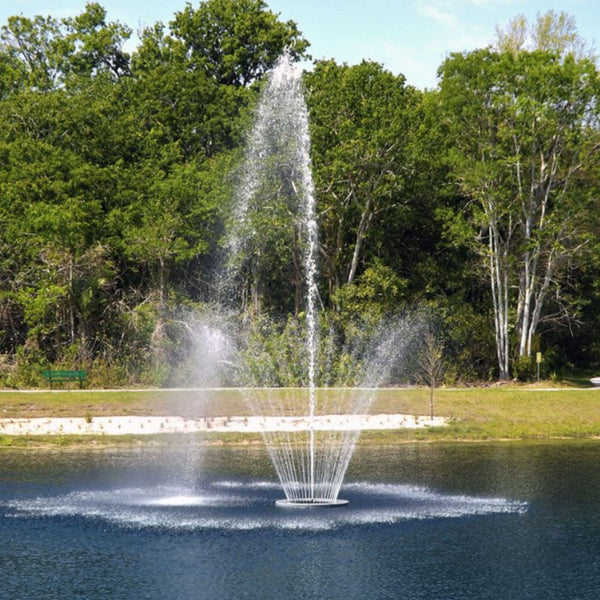
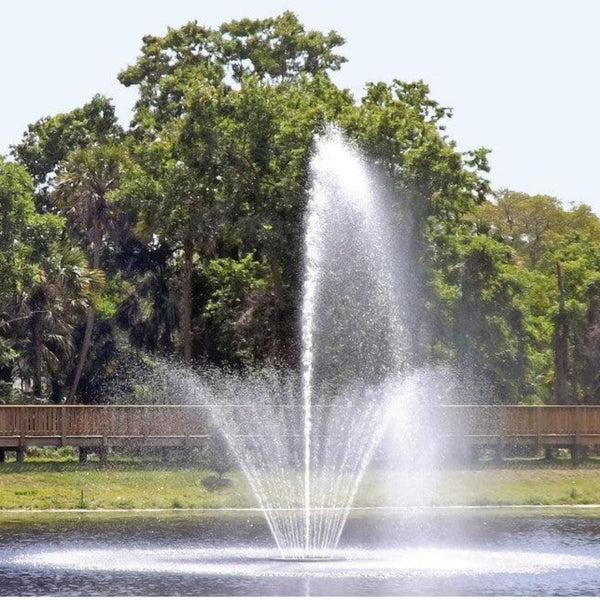
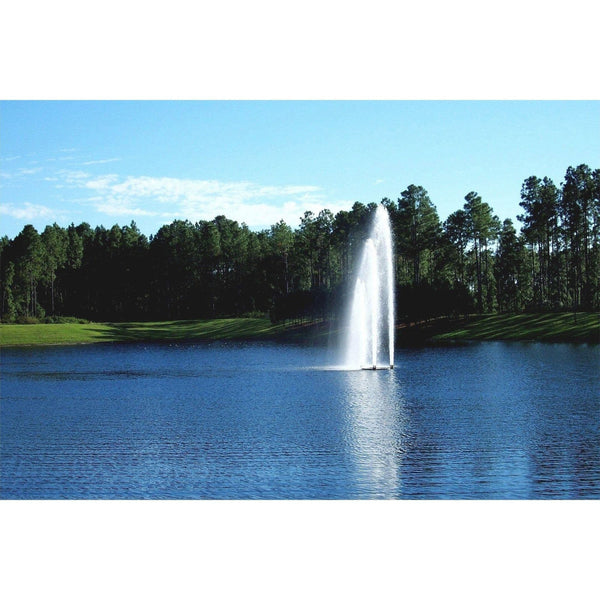
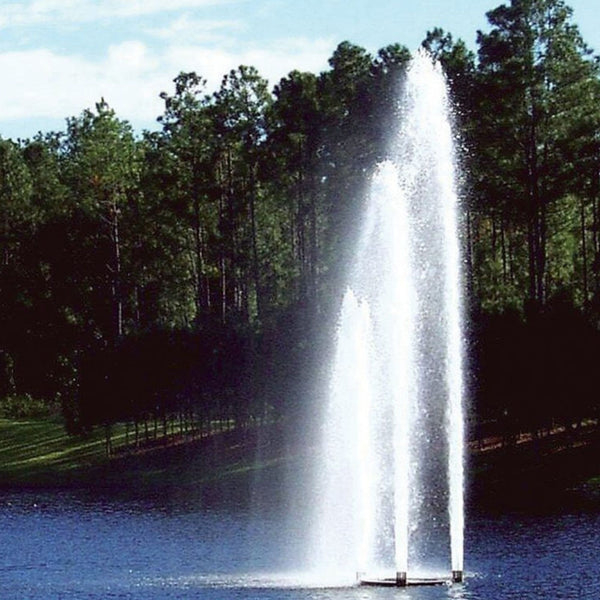
Floating fountains are popular for their adaptability and ease of installation. They come in many spray patterns, from simple jets to elaborate tiered designs. They oxygenate the water and create a dynamic visual focal point during the day.
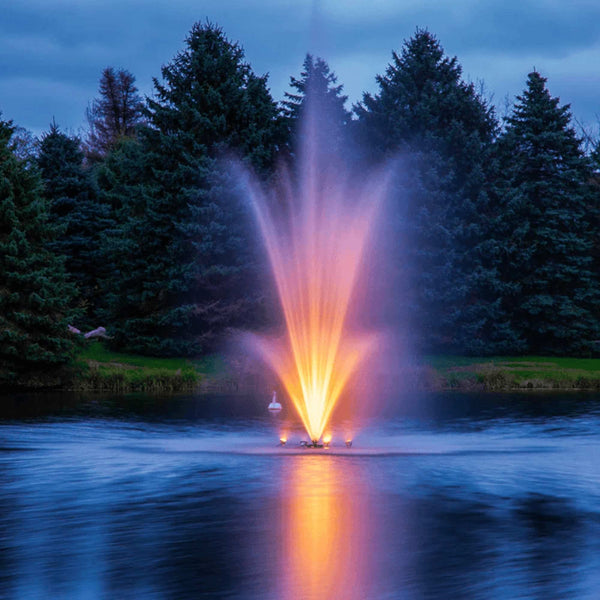
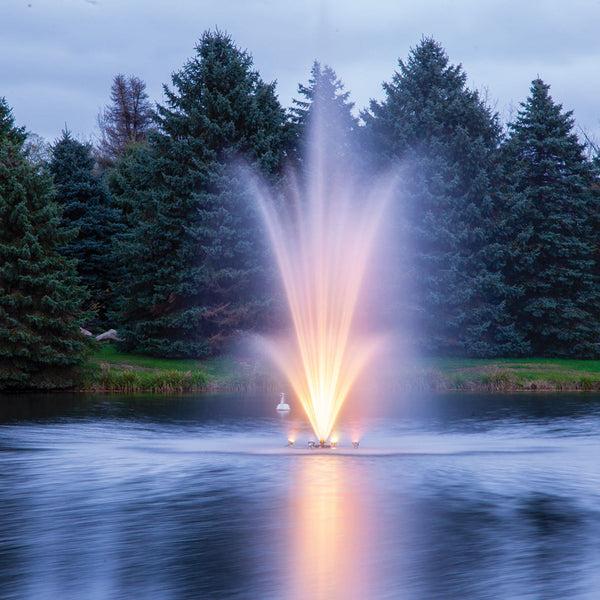
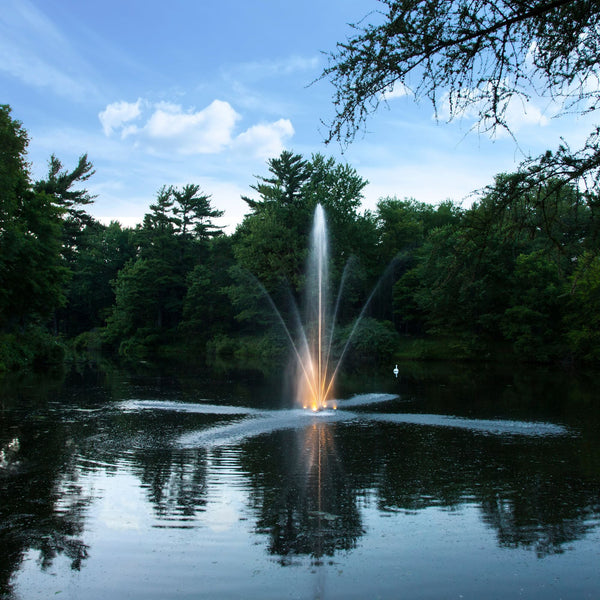
Stationary fountains are often constructed as part of the pond's original design. They can include features like LED focused beam projection lighting systems that illuminate the water and turn the fountain into a luminous spectacle at night. The right choice depends on the pond's size, the look you want and the aeration you need.
Incorporating Art and Landscape Features
Natural stone, sculptures and strategically placed flora can raise the visual appeal of a retention pond and create an inviting environment. Choose features that complement the fountain type and work with the water's movement and reflection.
Planned vegetation and art turn a retention pond into a point of interest rather than just a necessary stormwater feature. With the right layout, a retention pond can merge function with beauty and become a centerpiece for community spaces or corporate complexes.
Environmental and Ecological Impact
Retention pond fountains do more than look good in commercial, residential and park settings. They play a direct role in the ecological health of the pond by improving water quality and supporting wildlife and ecosystems.
Water Quality Improvement
Aeration raises the level of dissolved oxygen in the water, which is vital for a healthy aquatic environment. Higher oxygen levels reduce the accumulation of algae that causes the green water effect. Aeration also promotes the breakdown of organic matter, which decreases the nutrient loading that feeds excessive algae growth.
Circulation also diminishes sedimentation and prevents stagnation, which can worsen water quality by creating anoxic conditions. Proper aeration keeps pH levels balanced, making the water more suitable for aquatic life and reducing harmful pH swings.
Wildlife and Ecosystem Support
Fountains benefit local wildlife by providing a more habitable environment. Steady water movement maintains a dynamic ecosystem that sustains life forms from microorganisms to larger aquatic species, and good circulation distributes oxygen throughout the pond for fish and beneficial aquatic insects.
These features also create habitat for birds and small mammals, which supports local biodiversity. A well-maintained pond can become a focal point for ecosystem connectivity, attracting a wide range of species across an urban or rural landscape.
Installation and Maintenance
Good installation and consistent maintenance are crucial for the longevity of retention pond fountains, in both residential and commercial applications.
Choosing the Right Equipment
Match the equipment to the job. When installing a retention pond fountain, consider the full range of pond fountain supplies, including diffusers, pumps and aeration systems. For residential areas, prioritize the size and design of the fountain. For commercial applications, choose more robust systems such as Eagle Fountains for their larger capacity and durability. Size sump pumps and trash pumps to the expected water volume. Also consider soil type, the presence of boulders, and whether the layout will incorporate waterfalls or other features.
Equipment to consider:
- Diffusers: Promote oxygen distribution and support water quality.
- Sump Pumps: Necessary for water circulation, especially in areas with heavy rainfall.
- Trash Pumps: Remove debris and maintain clear water.
- Diffused Aeration: Produces fine bubbles that raise oxygen levels and minimize sludge build-up.
Routine Maintenance and Troubleshooting
Set a maintenance schedule of regular inspections and address repairs immediately as needed. The Environmental Protection Agency (EPA) recommends checks to maintain compliance with water quality standards. Dredging may be periodically required to remove sediment build-up, and planting native vegetation around the pond adds natural filtration and shore stabilization.
Maintenance checklist:
- Inspect filters regularly to ensure proper water circulation.
- Address repairs promptly to avoid further damage to liners or equipment.
- Trim plants periodically to promote healthy growth and reduce organic waste.
- Monitor water quality regularly to detect and correct imbalances.
Treat troubleshooting as an ongoing process, with particular attention to diffused aeration systems. If a fountain produces fewer bubbles than usual, the diffusers or aeration equipment may have a problem. Regular monitoring prevents larger issues and keeps the fountain operating efficiently.
Regulatory Compliance and Safety
Retention pond fountains help stormwater ponds meet environmental and safety standards. Compliance with Environmental Protection Agency (EPA) guidelines protects aquatic ecosystems and public safety.
Meeting EPA Standards
The EPA regulates stormwater management facilities across the United States, including retention ponds, to control runoff and prevent erosion and turbidity. Retention basins that incorporate fountains maintain water circulation, which helps meet EPA water quality standards by preventing stagnation and reducing the nutrients that lead to algae blooms.
- Erosion Control: Fountains reduce shoreline erosion by controlling the movement of water within the pond.
- Turbidity Management: Steady water movement helps particulate matter settle, reducing turbidity.
- Pollutant Reduction: Aeration enhances the breakdown of pollutants.
Property owners, including HOAs, colleges and golf courses, must meet these standards to mitigate flood risk and protect property value.
Ensuring Public Safety
Fountains also address public safety concerns tied to stagnant water, including the growth of harmful algae and the proliferation of mosquitoes, both of which pose health risks.
- Dam Integrity: Properly aerated ponds reduce the risk of water leakage and dam failure.
- Avoiding Hazards for Livestock and Wildlife: Aeration keeps water quality high, ensuring safety for livestock and wildlife.
- Flood Management: A healthy pond ecosystem supports flood prevention efforts.
Local governments, HOAs, educational institutions and private property owners are each responsible for keeping their retention pond fountains compliant with safety regulations to protect both the public and the environment.
Size to the acres, then check the power on site
Frequently Asked Questions
What size fountain does a retention pond need?
Do retention pond fountains improve water quality?
Can these fountains run on three phase power?
How is a floating fountain held in place on a basin?
Can the fountain be lit at night?
Need expert help finding the right setup?
Contact Pond Haven Support