

Pond Bead Filters
Filters
Filters
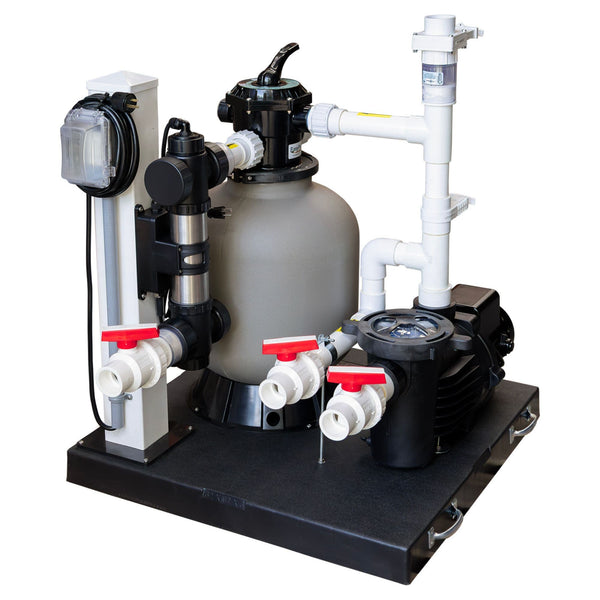
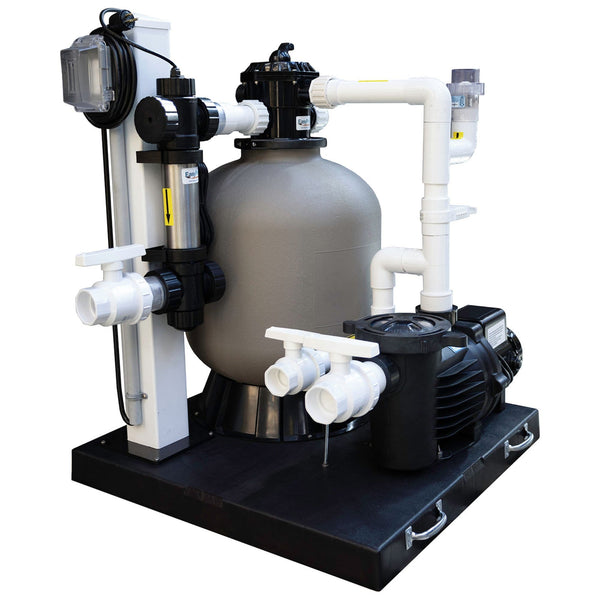
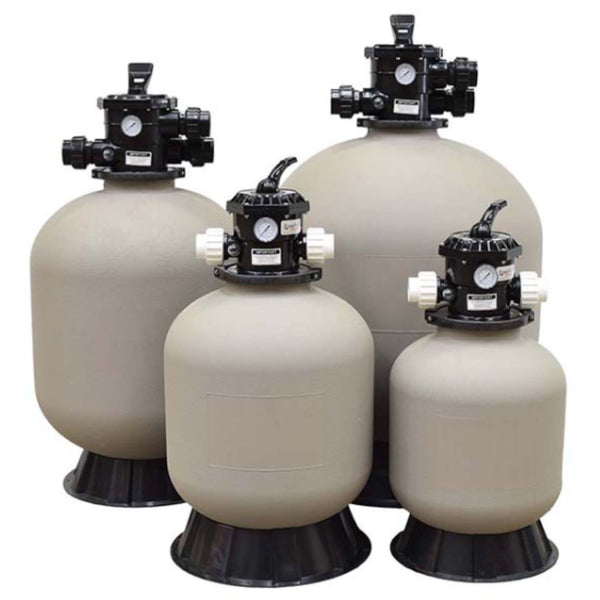
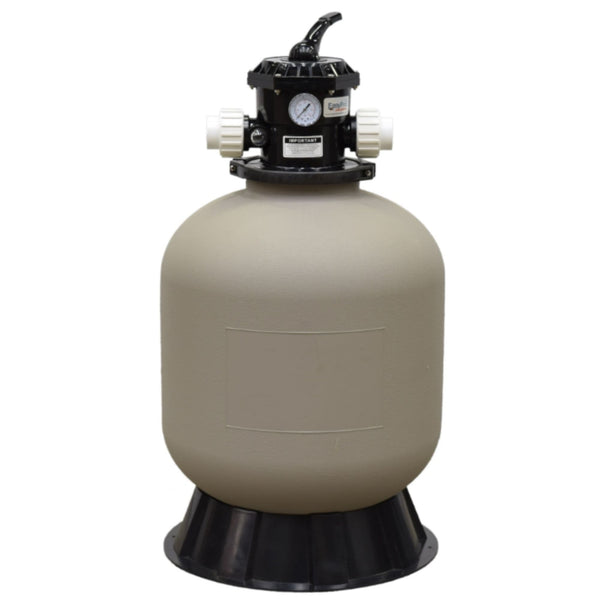

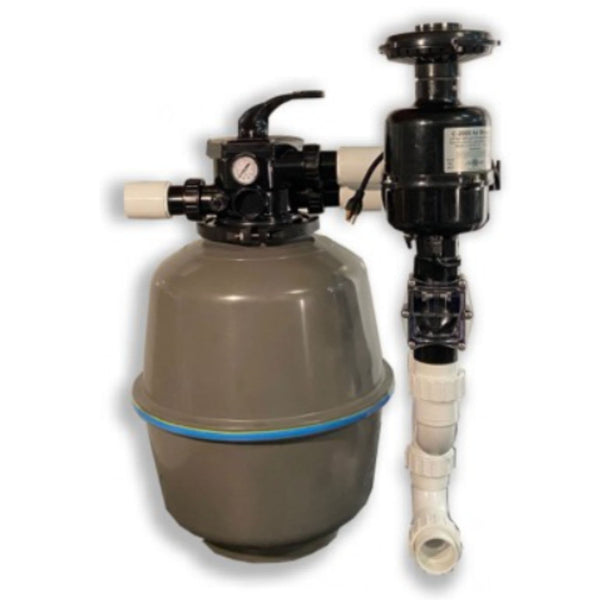
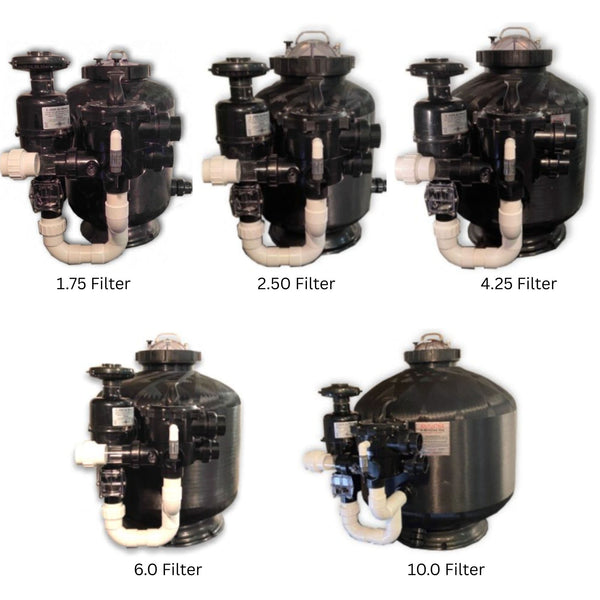
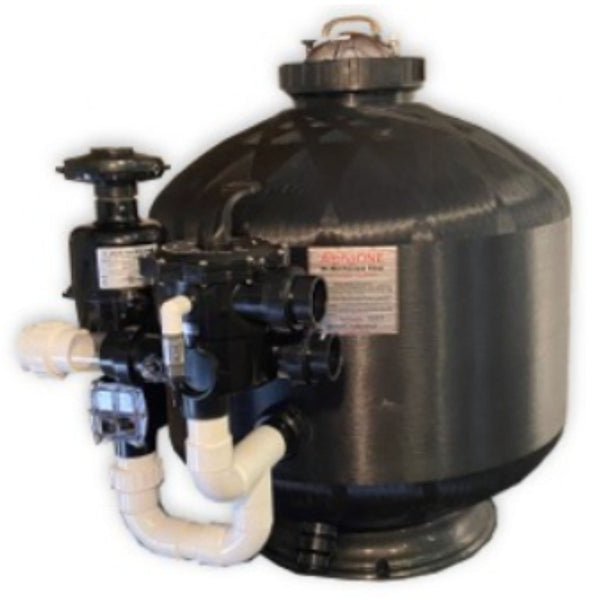
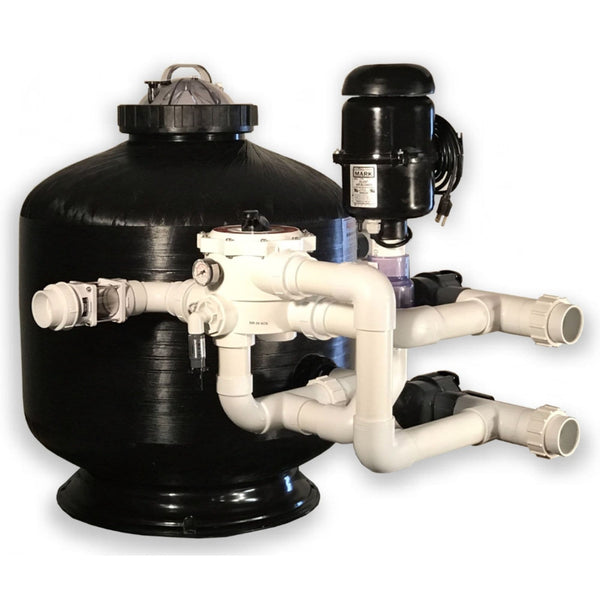

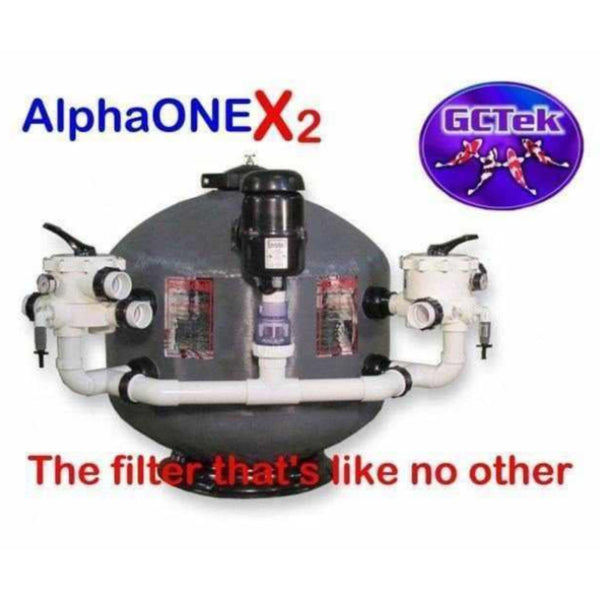


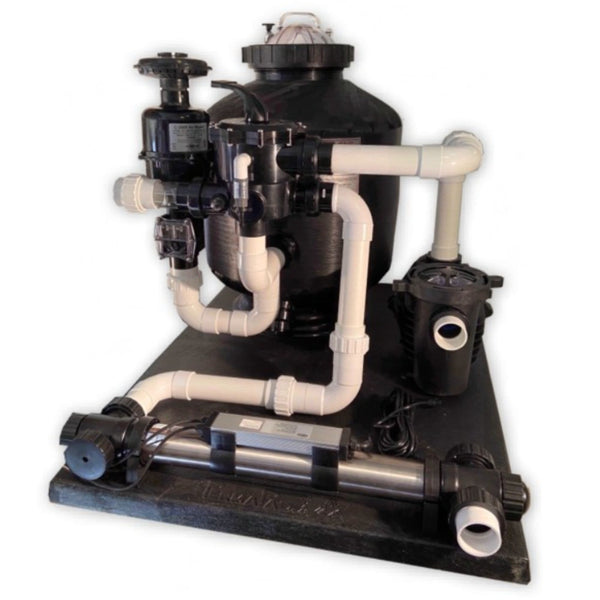
Bead filters for koi ponds
One chamber, two jobs, cleaned by backwashing
Frequently Asked Questions
How does a bead filter work?
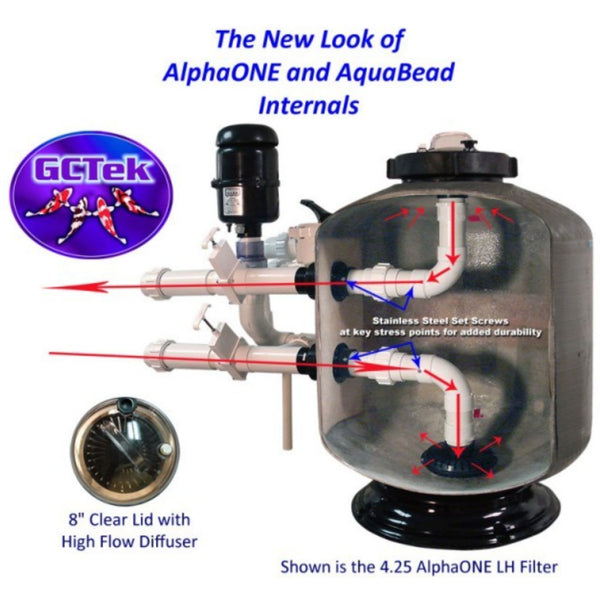
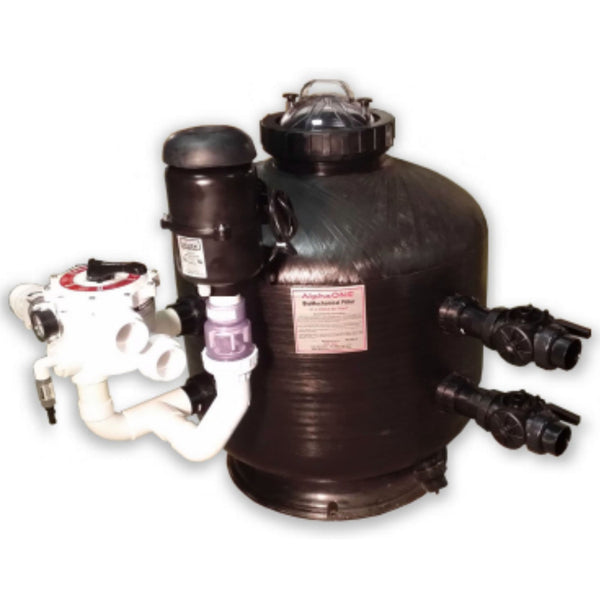
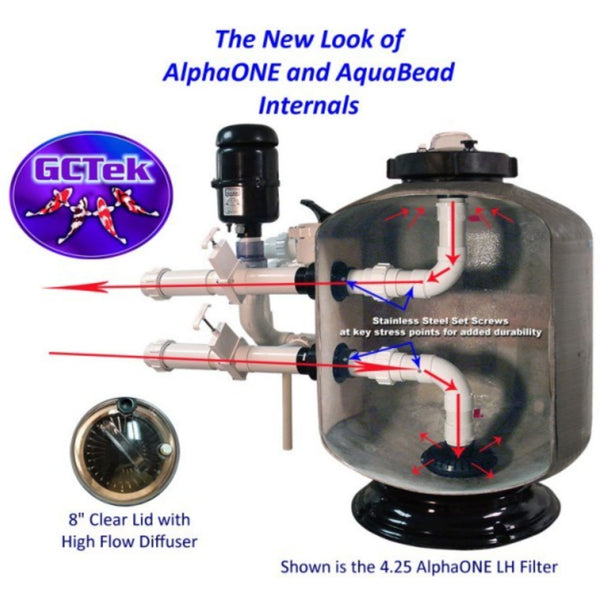
Water is pushed through a bed of small floating plastic beads that trap solids on the way past and host the bacteria that process ammonia. Because both jobs happen in the same chamber, one vessel does the work of a mechanical and a biological filter. The beads are never replaced in normal use, only cleaned.
How do you clean a bead filter?
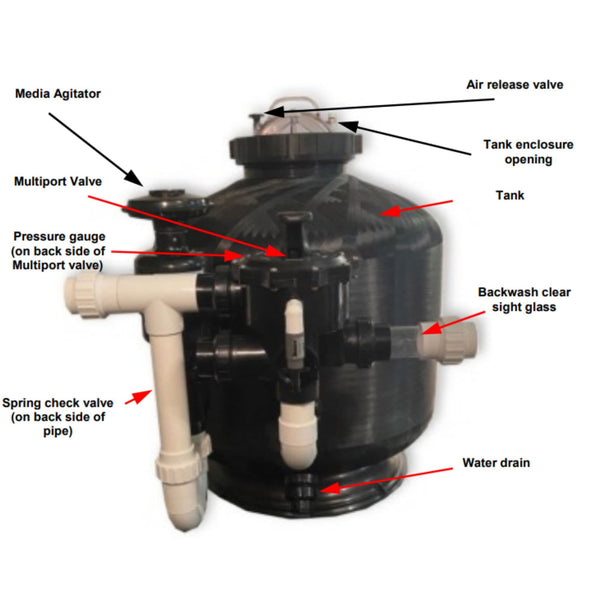
You backwash it, which reverses the flow so the bed lifts and the trapped waste flushes out through the waste port. Most koi ponds need this weekly through the growing season and less often in cold water. Backwashing takes a couple of minutes and does not disturb the bacteria the way replacing media would.
What size bead filter does a koi pond need?
Size the filter to your pond volume and then allow extra for the fish load, because koi produce far more waste than plants and a few goldfish. Choosing a unit rated above your current volume leaves margin as the fish grow. An undersized filter is the most common reason a heavily stocked pond never clears.
What is the difference between a pressurised and a low head bead filter?
A pressurised filter runs sealed and holds pressure, so it can sit above the water line and still feed a waterfall. A low head unit is designed for pumps that produce high flow at low pressure, which suits gravity style plumbing and saves energy. The pump you already own usually decides which one fits.
Do I still need a UV clarifier with a bead filter?
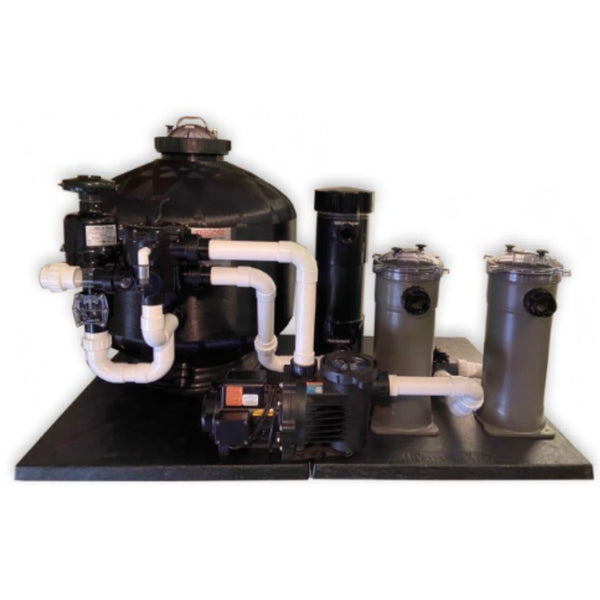
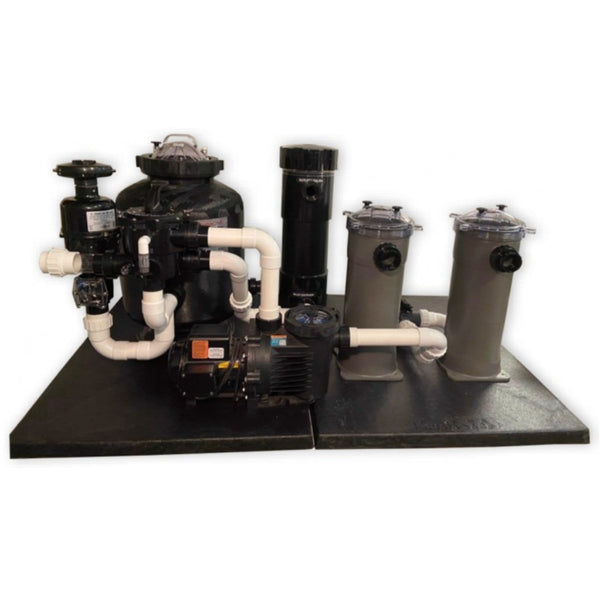
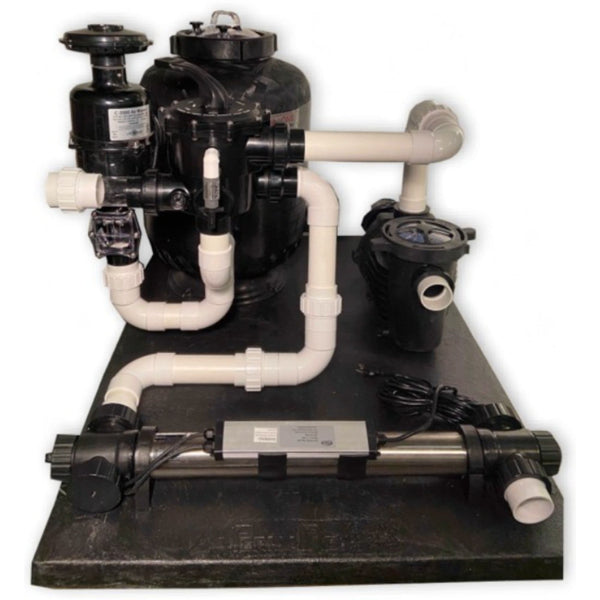
A bead filter removes solids and processes fish waste but does not kill the single celled algae that turns water green. A UV clarifier handles that part, and the two are commonly run together on koi ponds. If your water is clear but tinted green, the UV is the missing piece rather than a bigger filter.
Need expert help finding the right setup?
Contact Pond Haven Support