

Pond Skimmers




Guide & FAQ
How to choose the right pond skimmer
- 2 min overview
- Types, sizing & placement
- 5 common questions
Why use a pond skimmer?
Leaves, grass clippings, and pollen that sink to the pond floor break down into bottom muck and release nutrients that feed algae. A skimmer gathers that material at the surface into one basket you can lift out, before it reaches the bottom.
It also cuts down on daily hand netting and keeps sticks and other solids away from the pump impeller. For ponds with trees overhead or heavy surface debris, that is usually the main reason people fit one.
In-wall skimmer boxes
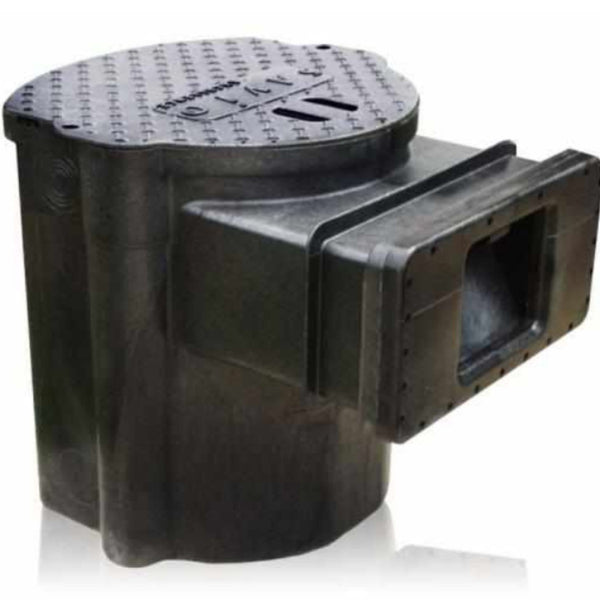
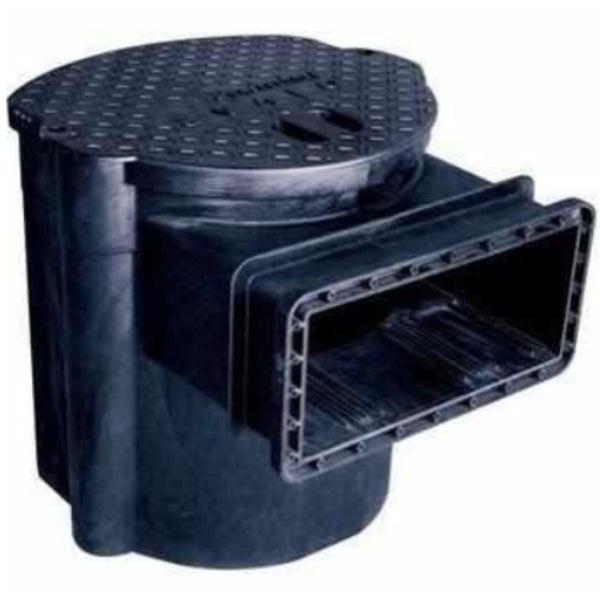
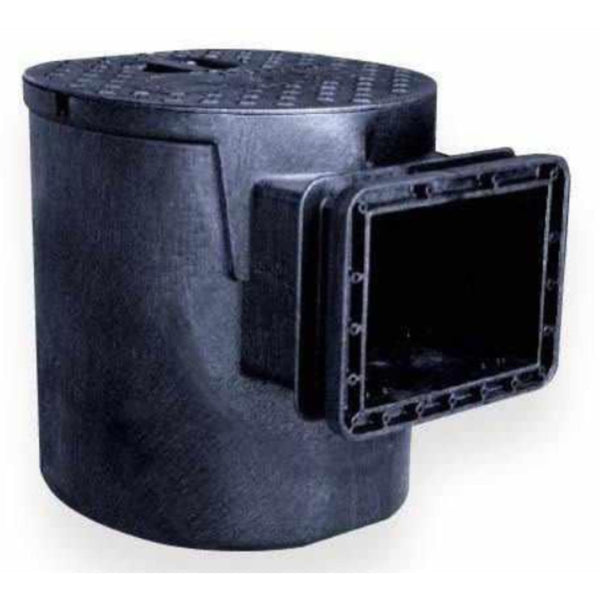
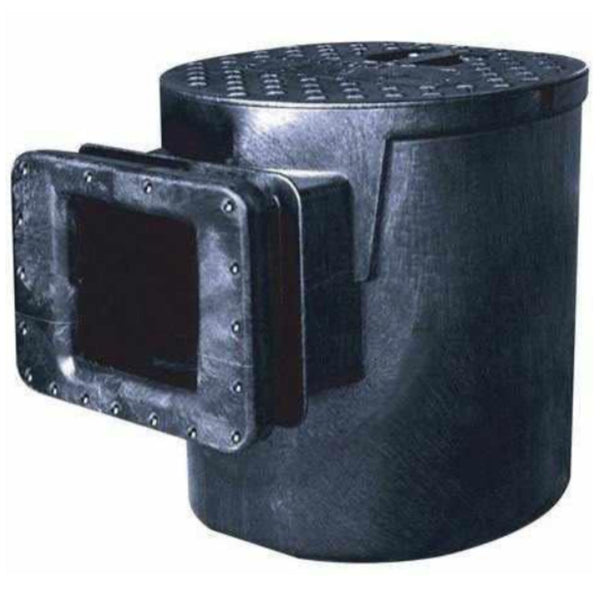
The skimmers here are in-wall boxes, set into a pit at the pond edge and bolted to the pond liner with a mechanical faceplate. The pump sits inside the chamber behind a debris basket and filter pad.
Choose an in-wall skimmer when you are building a new pond or rebuilding an edge. It hides the pump, gives you a larger basket, and leaves room for extra filtration stages in the skimmer body.
Choose a floating skimmer when you have an established pond and would rather not cut the liner. Floating models sit on the surface and handle lighter debris loads. PondHaven does not carry floating skimmers.
How to choose the right size or model
Start with the pump. The weir opening and the chamber inside the skimmer should suit the gallons per hour your pump moves, so the pump is neither starved for water nor pulling sluggishly at the surface.
Then look at the pond and the yard around it:
- surface area of the pond
- how much debris falls on the water each week
- skimming only, or skimming plus extra filtration stages in the skimmer body
PondHaven carries four models: the Blue Thumb DIY Pond Skimmer and Blue Thumb Elite Pond Skimmer, and the Savio Compact SkimmerFilter and Savio Standard Skimmerfilter.
Installation, power and placement
Placement matters as much as the model. Set the skimmer on the pond side the prevailing wind blows toward, so the breeze pushes debris toward the opening, and across from the waterfall or stream return so surface water travels the full pond.
Fitting an in-wall skimmer means cutting the liner and sealing the faceplate, which is far easier during the initial build than on a finished pond. If you are starting a new pond, compare our pond liners before you dig.
The pump needs a discharge hose back to your filter or water feature, so allow for that run when you plan the pit and the power supply.
Not sure which one you need?
Send PondHaven your pump flow rate, pond dimensions, and how much debris typically lands on the water. Those three details narrow the options quickly.
If you are still working out the layout, our pond blog covers pump sizing and plumbing planning in more detail.
No page change, it expands right here
Frequently asked questions
Quick answers to the most common questions about our pond skimmers.
Can I add a pond skimmer to an existing pond?
An in-wall skimmer can be added to an established pond, but it means cutting into the liner and sealing the faceplate, so it is a bigger job than fitting one during the initial build. If you would rather leave the liner alone, a floating skimmer is the easier retrofit.
How do I match a skimmer to my pump's GPH?
Match the skimmer's weir opening and chamber to the flow your pump moves. Too little room and the pump runs short of water; too much and the surface pull gets sluggish.
Does a pond skimmer replace a biological pond filter?
No. A skimmer is mechanical filtration. It removes floating debris at the surface, while a biological filter handles the dissolved waste that a skimmer cannot catch. Most ponds with fish need both.
Where should the skimmer go relative to my waterfall?
Place the skimmer across from the waterfall or stream return. That way the return pushes surface water toward the skimmer opening and the whole pond surface circulates. Facing it into the prevailing wind helps as well.
How often should the skimmer basket and filter pads be cleaned?
Empty the basket whenever it collects debris, which during leaf season may mean every few days. Rinse the filter pads at the same time and replace them once rinsing no longer restores flow. Check the weir door at the start of each season so it moves freely.
Pond School, keep reading
View all guidesNeed expert help finding the right setup?
Contact Pond Haven Support