

Ice Eaters for Duck Hunting
 View product

Guide & FAQ
How to choose the right ice eater
- 3 min overview
- Depth, mounting style & power
- 5 common questions
Why hunters run an ice eater
When shallow marshes and ponds freeze, ducks gather on whatever open water is left. Keeping a hole open gives birds a place to land, which is the point of running one of these units from a late-season blind.
A few things it does for a hunting setup:
- holds open water in the spot where you want birds to finish
- keeps decoys moving as the unit agitates the surface, so a spread looks less static
- helps keep boat lanes and access routes open between the ramp and the blind
- works after season around docks, pilings, and boat lifts, where ice expansion can damage structures
It helps with freeze-over and circulation. Water clarity and algae are separate problems with separate tools.
Frame-mounted stand or suspended unit?
This is the main choice here, and depth and how you deploy usually decide it.
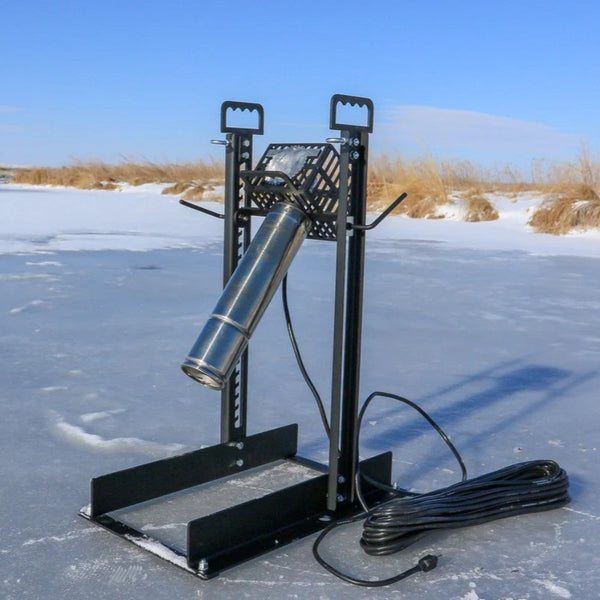
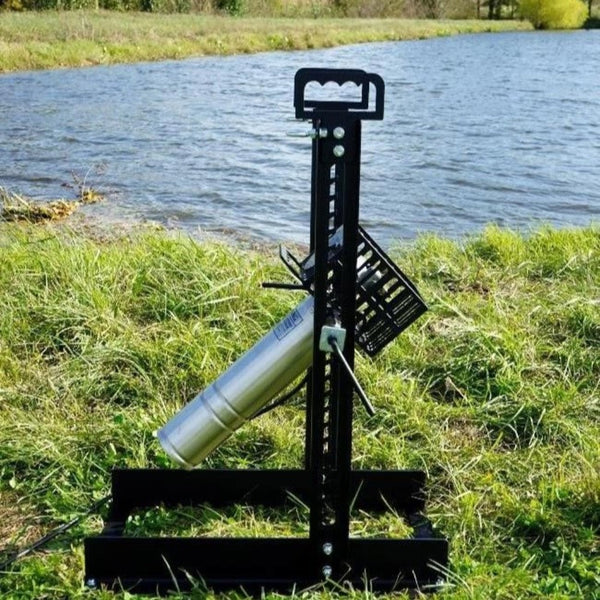
Frame-mounted stand units (J2 Outdoors Ice Ripper 1 HP)
The motor sits on an adjustable bottom frame and pushes water while standing in the pond. The Ice Ripper is designed to work in 1 to 8 feet of water.
Choose a stand unit when you are hunting shallow flats, marshes, impoundments, or flooded timber, where a hung propeller would sit in mud or vegetation.
Suspended units (Bearon Aquatics Ice-Eater By Power House)
This type hangs on suspension lines and pulls warmer subsurface water to the surface, which helps keep ice from forming and can melt what is already there.
Choose a suspended unit when you are working a dock, a boat slip, or a deeper channel, where hanging the unit above the bottom is easier than standing it on the floor.
Two other approaches exist for open water in winter: diffused air systems that lift water with a shore-based compressor, and small battery units for hike-in spots. PondHaven does not carry either here, so if one of those fits your situation, ask us and we will help you work out an approach. For other de-icer styles, see our pond de-icers, or read the PondHaven blog for more on pond care.
How to choose the right size and model
Start with four things.
- Depth and mounting style. Very shallow water calls for a frame-mounted unit so the propeller stays off the mud and away from vegetation. Deeper water or boat slips can use a hung unit.
- Motor power and flow. More horsepower moves more water, which matters when a hard freeze is closing in on a large spread. The Ice Ripper runs a 1 HP motor that moves 1,500 GPM and, under normal conditions, opens a 20 by 35 yard hole.
- Hole size you need. A small timber hole for one hunter is a different job from a wide landing area for a big decoy spread.
- Hardware. Marsh work means mud, ice, and hauling gear in and out. The Ice Ripper uses a powder-coated adjustable frame and corrosion-resistant hardware for that kind of use.
Power and placement
Work out how you will power a unit at your site before you buy, and check the electrical details on the product page for the model you are considering. If you hunt a remote spot, tell us what power you have available and we can help you match a unit to it.
For placement, a stand unit goes in the shallow water where you want the hole, and a suspended unit hangs on its suspension lines over the area you want to keep open. Both products are built for freezing conditions and are meant to stay in place while ice is forming.
What comes with an ice eater
The Bearon Aquatics Ice-Eater ships complete with suspension lines, so you can hang it and plug it in. The J2 Outdoors Ice Ripper is built around its powder-coated adjustable frame.
Beyond that, contents vary by model. Check the product page for the full list of what is in the box, or ask us and we will confirm.
Not sure which one you need?
Send PondHaven three details and we will narrow it down: the depth where you will run the unit, whether it stands on the bottom or hangs, and how you plan to power it. If you can add the size of the hole you want to hold open, that helps too.
No page change, it expands right here
Frequently asked questions
Quick answers to the most common questions about our ice eaters for duck hunting.
How shallow can an ice eater run without stirring up mud?
A stand-mounted unit is the one to use in shallow water, because it sits on the bottom instead of hanging, and the adjustable frame lets you set it for the water you are in. The J2 Outdoors Ice Ripper is designed for water from 1 to 8 feet deep. Near the shallow end of that range, place it over firmer bottom and away from soft mud and vegetation.
Can I run an ice eater off a portable generator in a remote blind?
Check the electrical details on the product page first and match them to the generator you plan to use. We can confirm what a given model needs if you tell us what you have on site, so ask before you buy.
How large an open hole will a 1 HP de-icer keep clear?
Under normal conditions, the J2 Outdoors Ice Ripper 1 HP opens a hole of about 20 by 35 yards. Severe cold, wind, and current all work against it, so treat that as a working figure rather than a fixed rule.
Can I use a duck hunting ice eater to protect my dock once the season ends?
Yes. The Bearon Aquatics Ice-Eater is built around that job, pulling warmer subsurface water up to help keep ice from forming and to melt what is already there around docks, pilings, and boats.
Does the motor come with suspension lines or a stand?
It depends on the model. The Bearon Aquatics Ice-Eater ships with suspension lines for a hang-and-plug-in setup, while the J2 Outdoors Ice Ripper is built around a powder-coated adjustable frame for standing in shallow water. Check the product page for the complete contents of either unit.
Pond School, keep reading
View all guidesNeed expert help finding the right setup?
Contact Pond Haven Support