

Duck Pond De Icers

 View product
Guide & FAQ
How to choose a duck pond de-icer
- 3 min overview
- Open water, depth, mounting & power
- 5 common questions
Why a de-icer helps in winter
Frozen water shuts ducks off from drinking and feeding, and ice pressing outward can damage duck houses, feeding docks, retaining walls, and pilings.
A de-icer keeps a zone of water moving so it stays open in cold weather. Moving water also allows gases from decomposing material to vent and brings oxygen in from the surface, which helps fish and other aquatic life through the winter.
A de-icer is worth considering for ponds with:
- domestic ducks or captive waterfowl
- wild birds using the pond in winter
- docks, duck houses, or pilings at risk from ice
- heavy organic matter on the bottom
- recurring ice damage in cold snaps
Circulators, diffused air systems, or a small heater?
Most duck pond work is handled by one type, but it helps to know the alternatives.
Propeller-driven circulators (ice eaters)
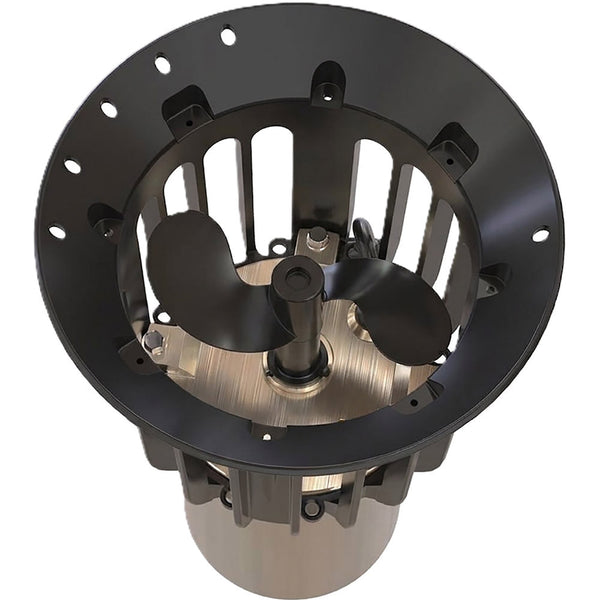
A submersible motor turns a propeller inside a shroud, drawing warmer water up from below and pushing it across the surface. The movement keeps ice from forming and can melt existing ice.
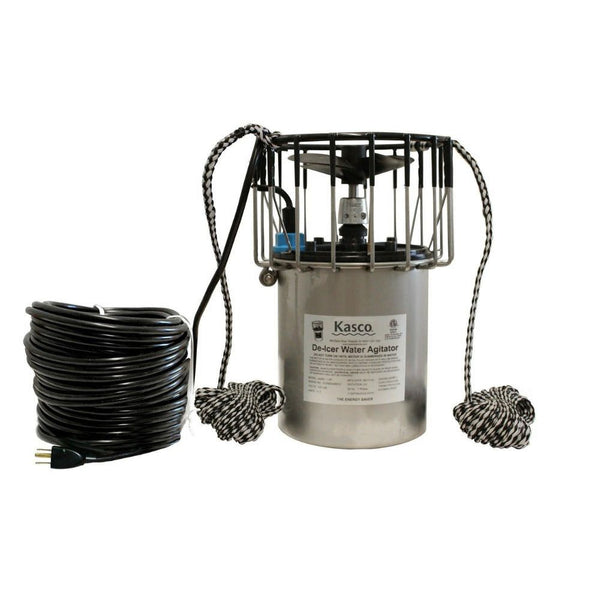
Choose a circulator when you need a usable opening in a duck pond, hunting hole, dock area, or boat route. Both units here, the Kasco De-Icer and the Bearon Aquatics Ice-Eater By Power House, work this way.
Diffused air systems
A compressor on shore pushes air to diffusers on the pond floor, and rising bubbles lift deeper water to the surface.
Choose diffused air when the water is deep or you want to move a long shoreline perimeter. PondHaven does not carry a diffused-air de-icer in this group, so ask us about the alternative if that describes your pond.
Floating heaters
These are small low-wattage units that melt a vent hole in a decorative garden pond.
Choose a heater only for a small ornamental pond. For duck ponds and open water, compare our pond de-icers instead.
How to choose the right size or model
Start with the opening you actually need to keep clear, not the whole pond.
- Target open area. A duck resting hole, a drinking area beside a duck house, and a boat path to a blind are very different jobs.
- Water depth. The unit needs clearance above the bottom so the propeller does not pull up silt, muck, and debris. Very shallow marsh edges usually need a stand or an angled mount rather than a straight hang.
- Mounting. Suspension from two posts or a dock is the common setup. Ponds with no structure nearby need a flotation or frame mount.
- Opening shape. Angling a suspended unit can stretch the open water into an elongated channel, which helps for hunting lanes and boat routes. A straight hang tends to produce a rounder opening.
Power and placement requirements
These units run on continuous power, so plan the electrical side before you order.
Check the voltage on the product page before running cable.
Use an outdoor-rated cord that is heavy enough for the distance from the outlet to the water. An undersized or overlong cord drops voltage, which can trip the motor's thermal protection and shut the unit down. A shoreline GFCI outlet is the usual setup.
You also need two solid attachment points for suspension lines, or a float or frame mount if the pond has no dock or posts.
What normally comes with a de-icer
The Bearon Aquatics Ice-Eater By Power House ships complete with suspension lines, so it hangs, plugs in, and runs. The Kasco De-Icer is a floating unit used to protect docks, boats, and pilings and to hold open water for wildlife.
What else is in the box, including cord length and mounting hardware, varies by model. Check the product page or ask PondHaven and we will confirm exactly what arrives.
Not sure which one you need?
Send us your pond size, the depth where the unit will hang, how big an opening you want to hold, and how far the power source is from the water. We can help you compare the Kasco and Bearon Aquatics units and match one to your setup.
No page change, it expands right here
Frequently asked questions
Quick answers to the most common questions about our duck pond de icers.
Will a de-icer suck in ducks or harm captive birds?
A properly hung de-icer is used around ducks and waterfowl as a way to keep water open, and the shroud around the propeller is part of the design. Hang the unit at the depth stated on its product page and keep loose lines and nets clear of it, and if you have concerns about a specific setup, send us a photo before running it.
How deep does my pond need to be to run a Kasco or Bearon Aquatics de-icer?
Depth needs vary by model and by how the unit is mounted, so check the product page for the unit you are considering. What matters is clearance above the pond floor, since a propeller too close to the bottom will pull up silt and debris. In shallow marsh edges, a stand or angled mount is the usual fix.
Can a de-icer run continuously all winter, or should it sit on a timer?
These units are built to circulate water during freezing conditions, and many owners run them through cold spells rather than switching them on and off. For controls, thermostats, and how a specific model is meant to be powered, follow the details on its product page or ask us before you set it up.
How large an ice-free opening will a de-icer maintain?
It depends on the unit, the weather, wind, and how the unit is mounted. Treat any coverage figure as a starting point in ordinary winter conditions, not a guarantee in a hard freeze.
Can I use one in a shallow duck blind or at a marsh edge?
Sometimes, but shallow water is where mounting matters most. A suspended unit needs room under it to draw water cleanly, so shallow spots usually call for a rigid stand, a frame, or horizontal angling. Tell us the depth at the spot you have in mind and we can suggest a mounting approach.
Need expert help finding the right setup?
Contact Pond Haven Support