

Submersible Water Pumps
Water movement issues can cause serious problems, from flooding and poor drainage to inefficient irrigation.
Submersible Water Pumps buying guide
Submersible water pumps are built to solve these problems. These underwater pumps operate quietly, work directly in the water, and never need priming.
Check out Pond Haven's collection of submersible water pumps below.
What Is a Submersible Water Pump?
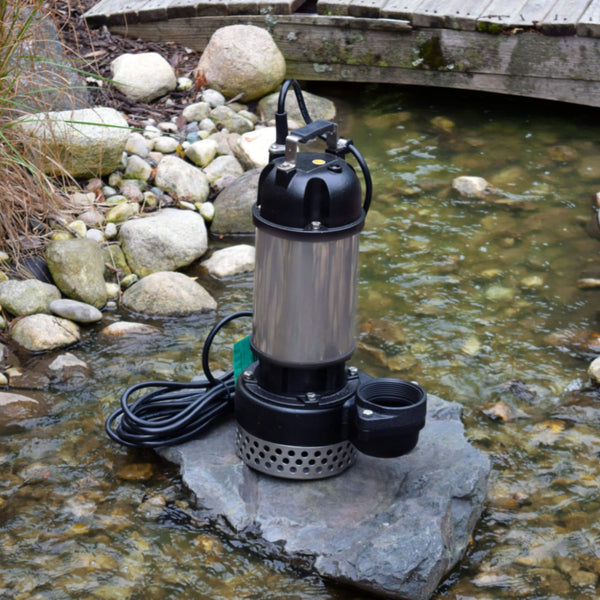
A submersible water pump is a fully sealed device designed to function wholly submerged. It moves water to the surface with an impeller-driven mechanism.
A submersible pond pump is a useful piece of pond equipment for keeping water features clean and well-aerated. The design reduces noise, prevents overheating, and keeps water flow consistent without manual priming.
Types of Submersible Water Pumps
Submersible pumps are categorized by their primary function. Knowing what each type does helps you pick the right pump.
Sump Pumps
Sump pumps are common in areas prone to heavy rainfall or high water tables. They are the standard choice for basement waterproofing and flood prevention.
Installed in sump pits, they detect rising groundwater and automatically pump excess water away from the foundation. This protects homes from water damage and structural issues.
Sewage Pumps
Sewage pumps handle solid waste and wastewater in residential and commercial properties. They move sewage from bathrooms, kitchens, and other plumbing to septic tanks or municipal sewer lines.
They process solids without clogging and are common in homes, apartment buildings, and industrial facilities.
Utility Pumps
Utility pumps are versatile, portable tools for removing unwanted water. They are often used to drain pools, empty water tanks, and clear flooded areas.
Their ease of use makes them popular for emergency water removal and general maintenance.
Well Pumps
Well pumps extract water from underground sources for residential, agricultural, and industrial use. They are essential in areas without municipal water access.
The right well pump depends on depth. Shallow wells need different specifications than deep wells to deliver a steady, reliable water supply.
Benefits of Using a Submersible Water Pump
- Energy Efficiency: Operating directly in the water reduces power consumption.
- Quiet Operation: The pump stays submerged, so noise stays low.
- No Cavitation: Unlike surface pumps, submersible water pumps do not suffer air blockages.
- Space-Saving Design: No above-ground installation, ideal for compact setups.
How to Choose the Right Submersible Water Pump
The right pump depends on a few key factors.
Consider the Pump's Flow Rate
Flow rate is measured in gallons per hour (GPH) or gallons per minute (GPM). A higher flow rate moves water faster, which suits large ponds or drainage.
A pond fountain pump may need only a moderate flow for circulation, while sump drainage demands a faster flow to prevent flooding.
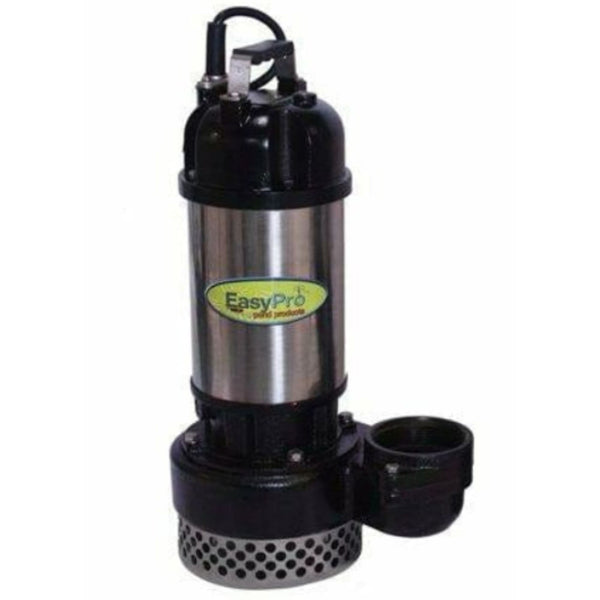
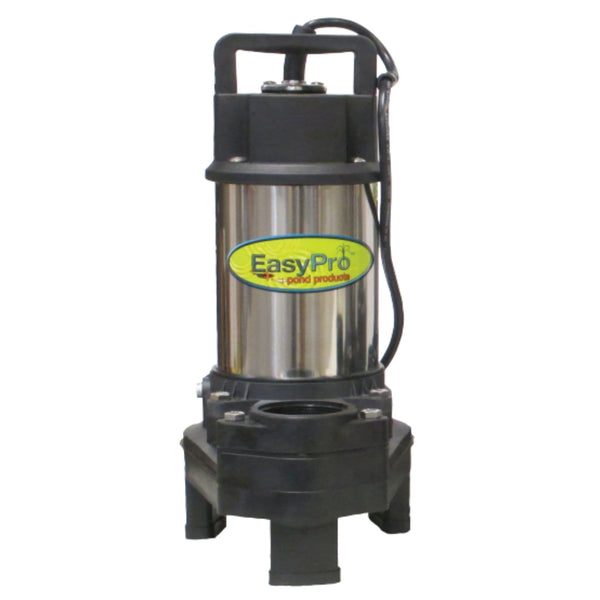
For high-volume needs, the EasyPro TM Series Submersible pond pump delivers up to 9,500 GPH.
Determine the Head Height and Lift Capacity
Head height is how high or far a pump can move water. The greater the distance, the more powerful the pump must be.
A low lift capacity may be enough for small ponds. Deeper wells or long-distance drainage need pumps rated for higher head heights. Always check the manufacturer's specifications.
Check the Power Requirements
Pumps operate on varying voltage and horsepower levels. Smaller pumps for ponds or pools may run on standard household voltage. Larger systems for irrigation or deep wells need more power.
The correct power level prevents overloading and supports long-term reliability.
Material and Durability
Material affects lifespan and performance. Corrosion-resistant materials like stainless steel or heavy-duty thermoplastics are essential for long-term use.
Non-corrosive components prevent damage in saltwater or chemically treated water and reduce maintenance over time.
Maintenance and Care for Submersible Water Pumps
- Regular Cleaning: Remove debris from the pump intake to prevent clogging.
- Inspect Seals and Cords: Check for wear or damage so the pump stays waterproof and safe.
- Avoid Dry Runs: Keep the pump submerged. Running without water causes overheating and internal damage.
Why Choose Submersible Water Pumps From Pond Haven
Pond Haven carries a curated selection of submersible water pumps built for performance and longevity. Each pump is tested for efficiency, durability, and reliability.
Our collection includes submersible pond pumps, fountain pond pumps, and underwater pumps, plus expert support to help you choose the right model.
We back our water movement solutions and other pond supplies with trusted expertise.
Key Takeaways On Submersible Water Pumps
Submersible water pumps are practical, low-maintenance solutions for moving water in ponds, drainage, and irrigation. Working underwater eliminates priming issues and reduces noise, and the compact design fits residential and commercial setups.
Pick the right model for your needs and you get long-lasting performance with minimal upkeep.
No priming, no plumbing, sized by flow and lift
Frequently Asked Questions
How long does a submersible pond pump last?
Can a submersible pump run continuously?
How do I stop a submersible pump from clogging?
Where should the pump sit in the pond?
Does a submersible pump need priming?
Need expert help finding the right setup?
Contact Pond Haven Support