

1 Acre Pond Aerators

 View product


 View product
 View product

Guide & FAQ
How to choose the right aerator for your pond
- 3 min overview
- Types, sizing & power
- 5 common questions
Why put an aerator on a pond?
Stagnant water can develop low-oxygen areas, and in warm months the surface and the bottom separate into layers with very different temperatures and oxygen levels. When a storm or cold front flips those layers quickly, fish can suffocate in the change.
Aeration keeps water circulating from bottom to top, which helps oxygen reach more of the water column and gives the bacteria that break down organic matter the oxygen they need. Owners usually add one for:
- fish ponds and fishing ponds
- heavy organic matter or muck on the bottom
- recurring algae growth
- winter ice cover that traps gases
- ponds with little natural inflow or circulation
Aeration alone will not fix every water-quality problem, but it addresses the low oxygen that sits behind many of them.
Surface aerator, bottom diffuser, or fountain?
There are three main types here, and the difference is where the water gets moved.
Bottom-diffused systems
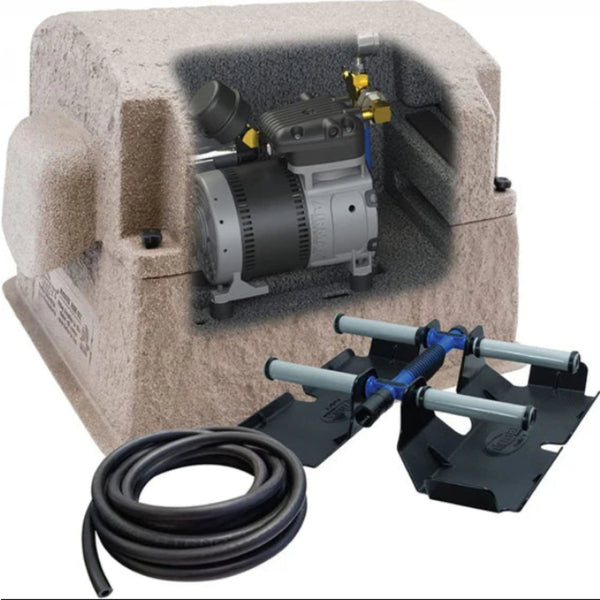
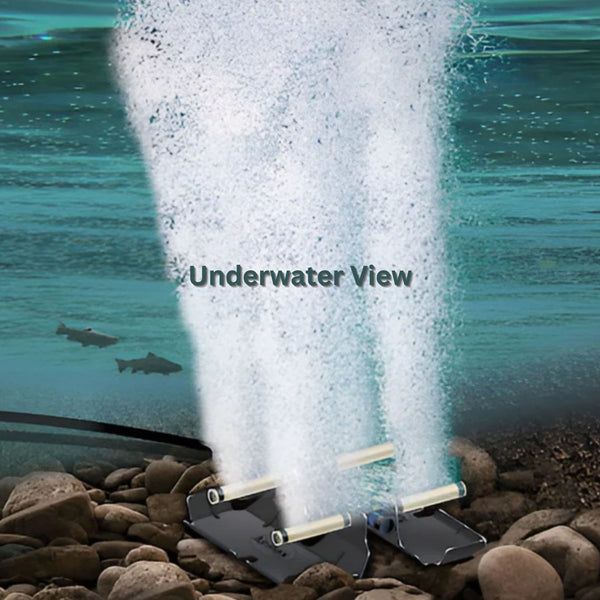
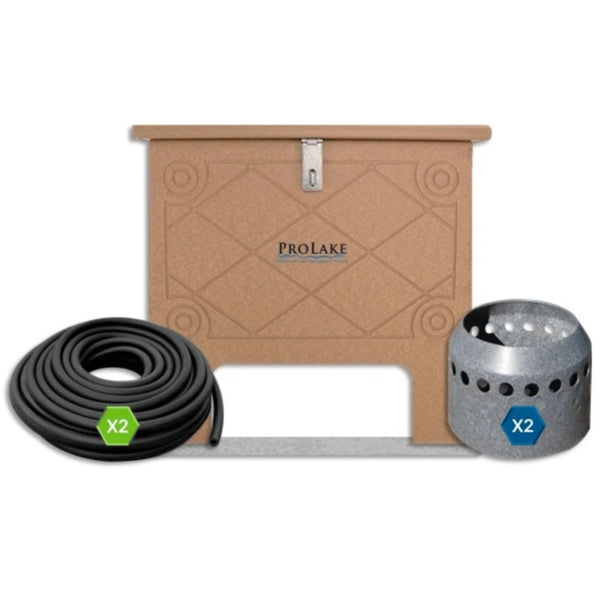
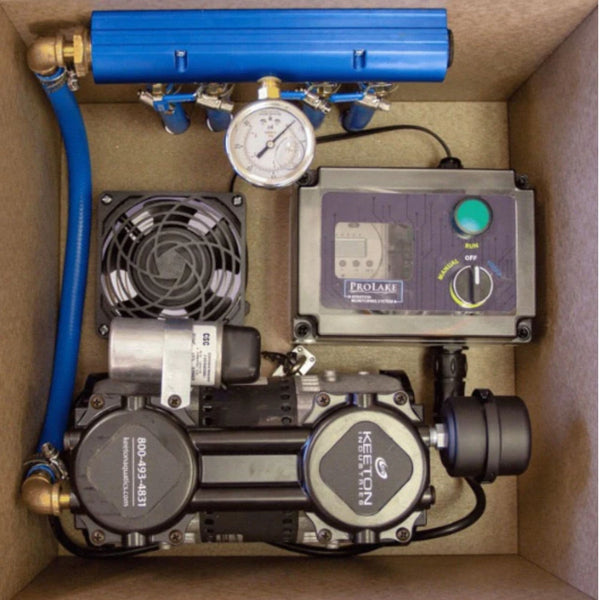
A compressor sits on shore and pushes air through weighted airline to diffusers resting on the pond floor. The rising bubbles lift deep water toward the surface and set up circulation through the whole column.
Choose a bottom-diffused system when the pond runs deeper and circulation and oxygen are the main goals. It is also the natural pick where you would rather not put a power cord in the water. PondHaven carries bottom-diffused systems from Airmax, Keeton Industries, Outdoor Water Solutions, and Vanguard.
Surface aerators and aerating fountains
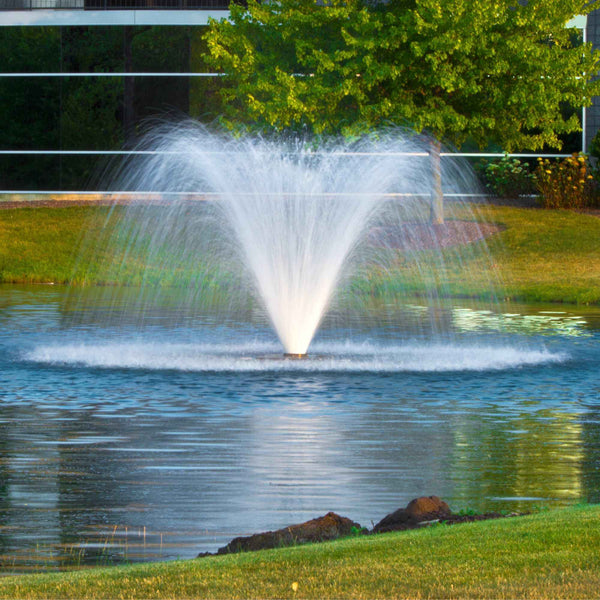
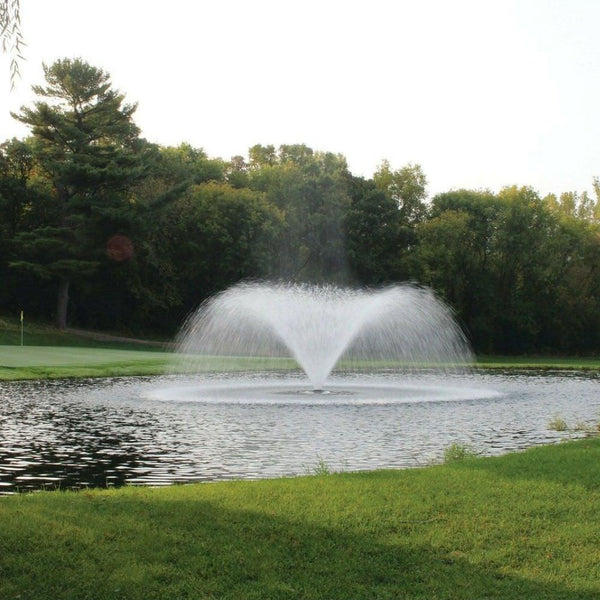
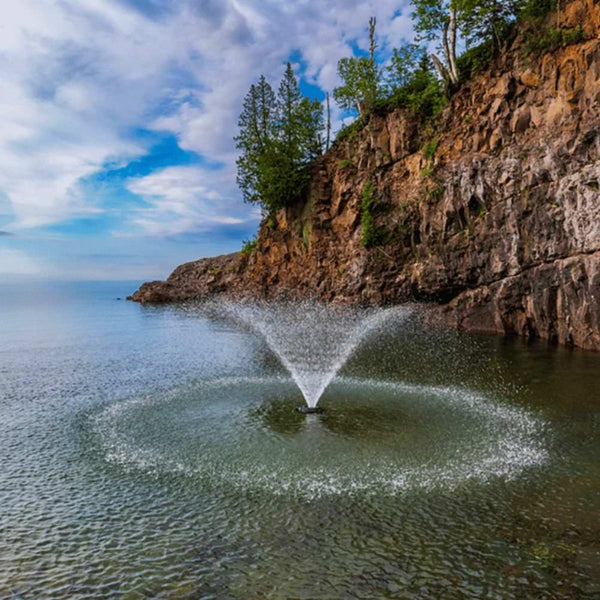
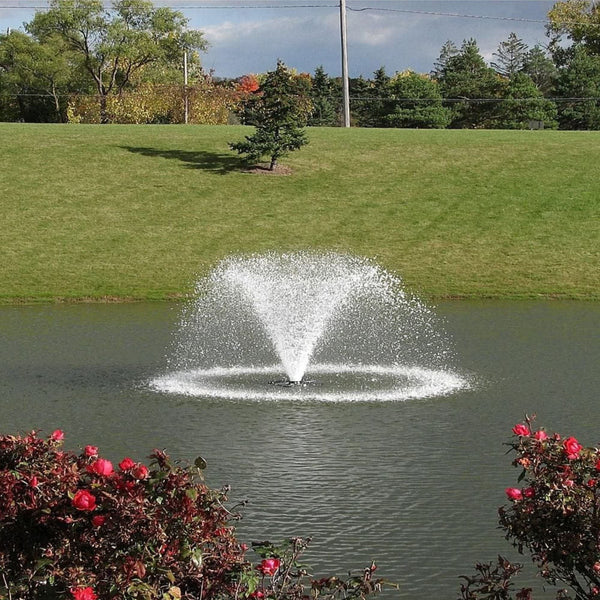
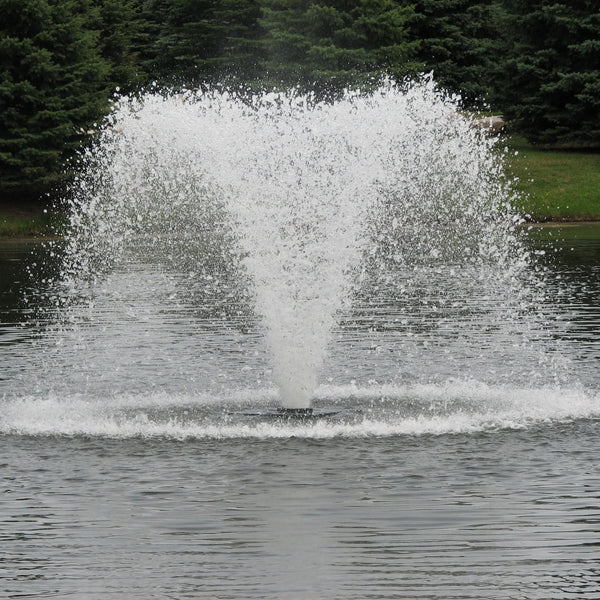
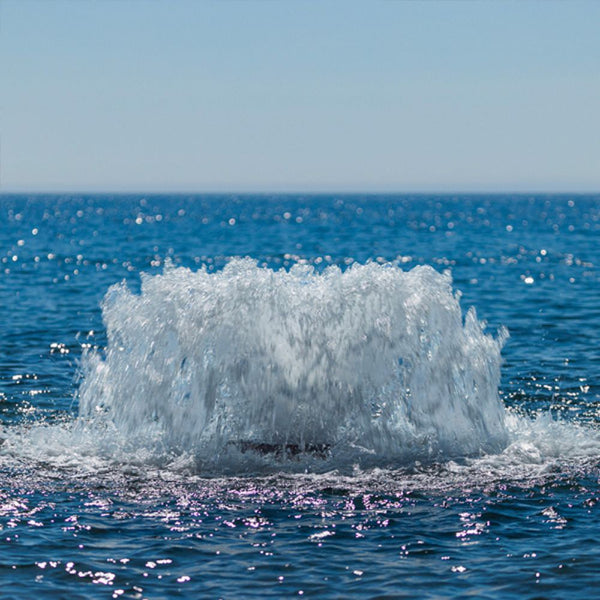
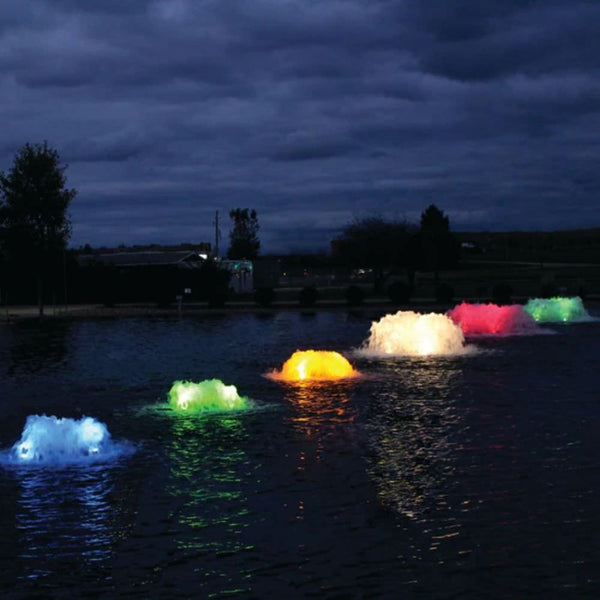
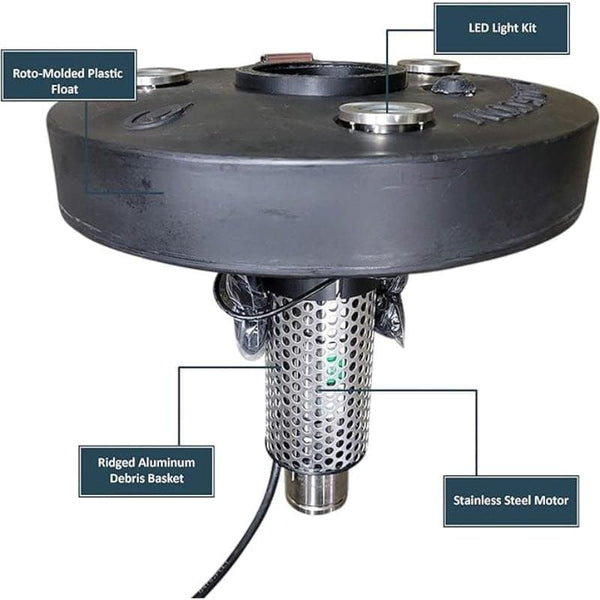
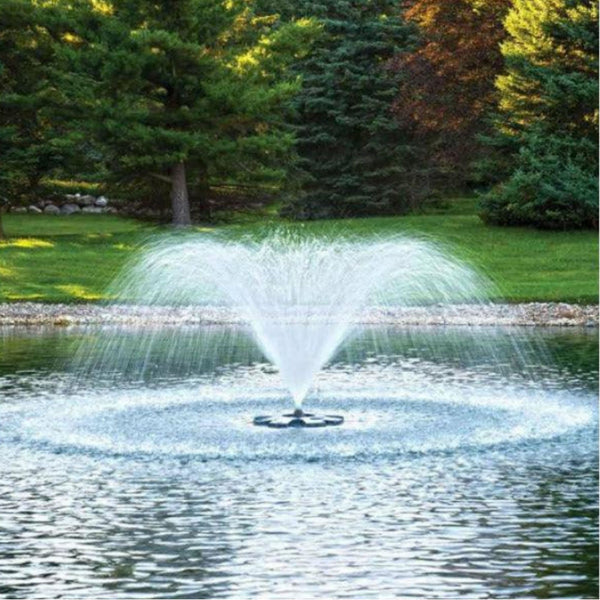
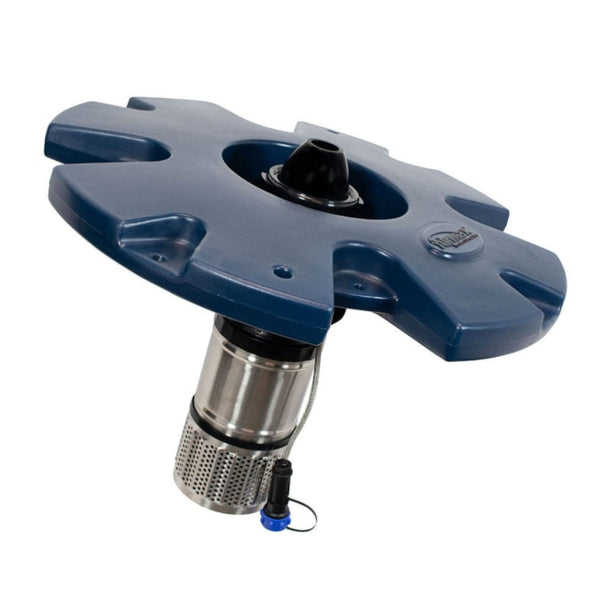
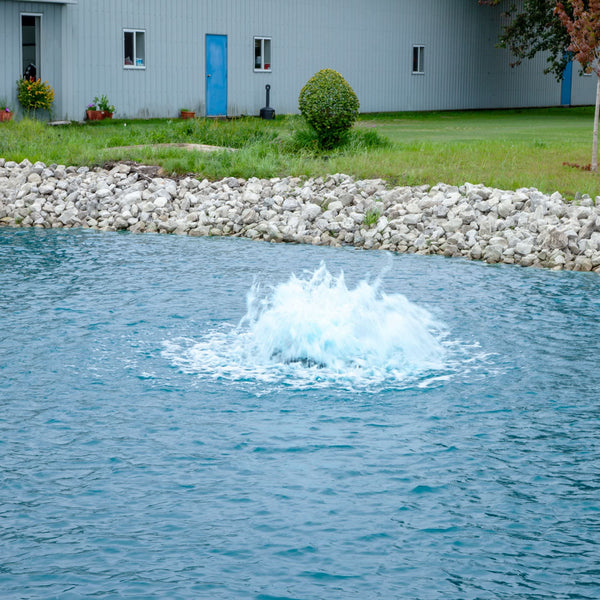
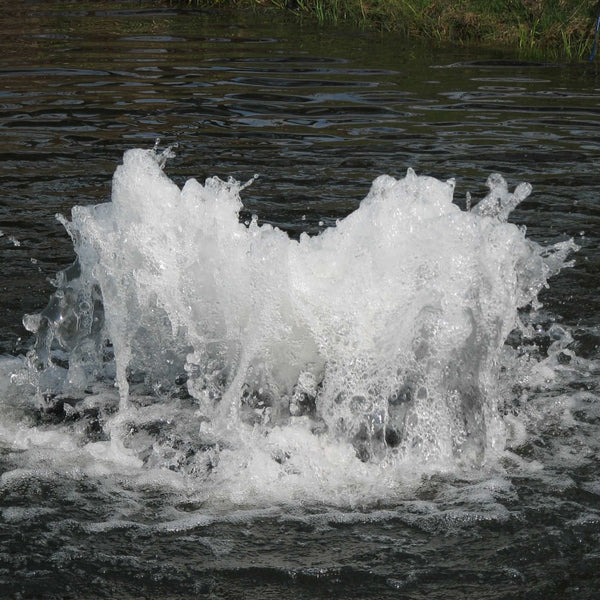
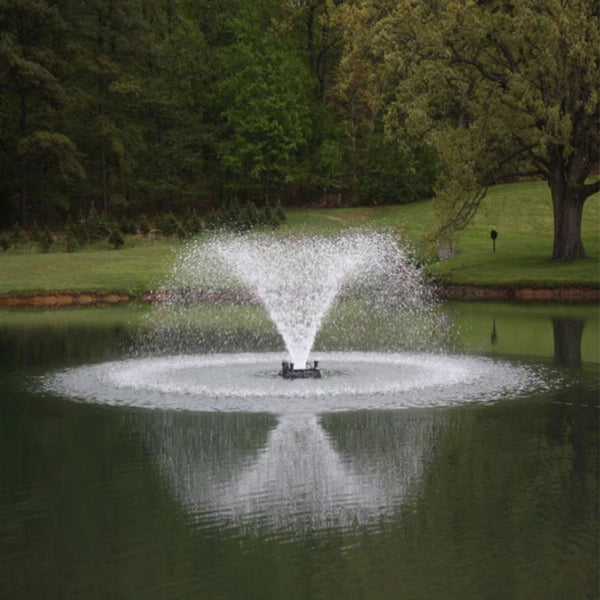
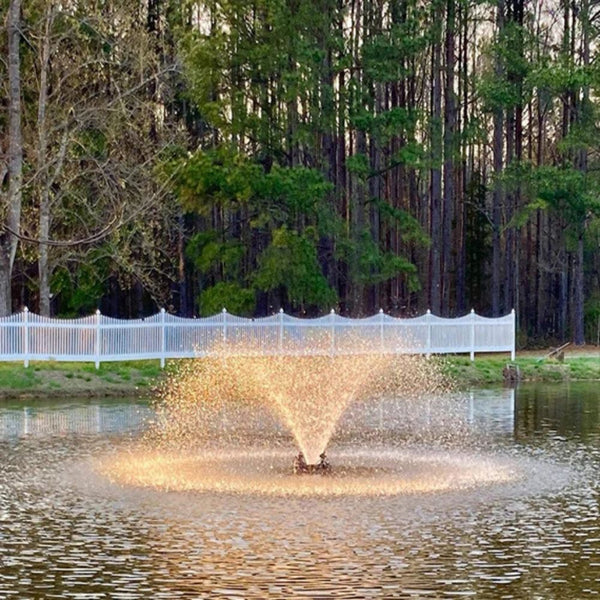
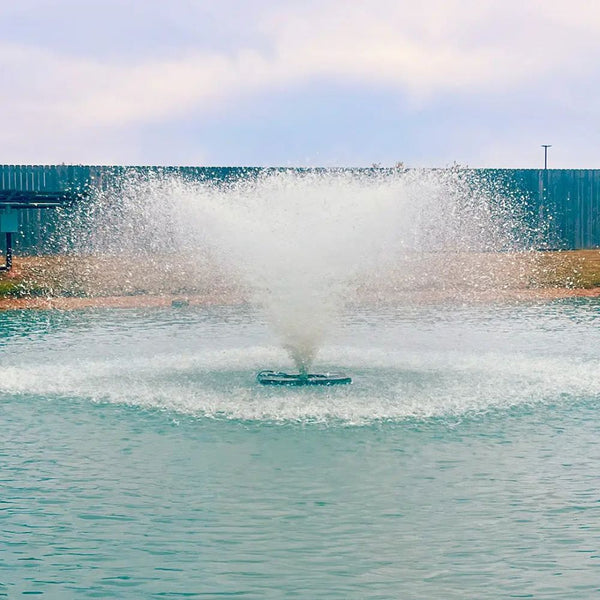
A floating unit draws in water near the surface and throws it across the top, adding oxygen through surface agitation. A fountain does the same job while producing a visible spray pattern.
Choose a surface aerator when the pond is shallow or when you want strong top-water movement, and choose a fountain when the look of the spray matters as much as the aeration. As a rule, a fountain moves less water for the power it draws than a dedicated surface aerator or a bottom-diffused system.
Solar aerators
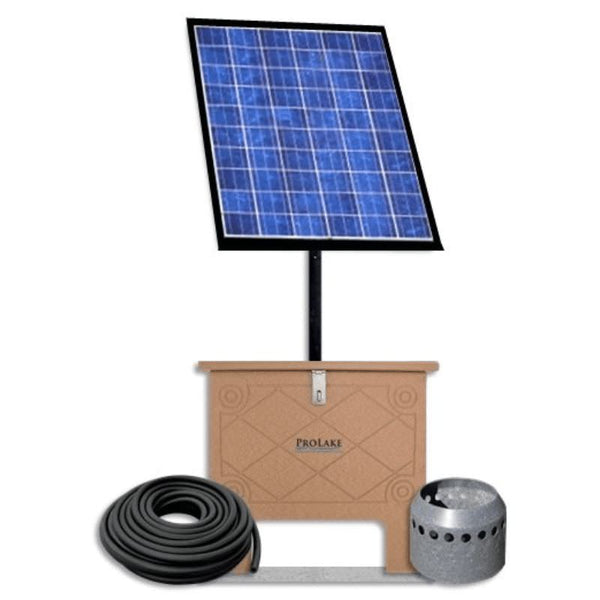
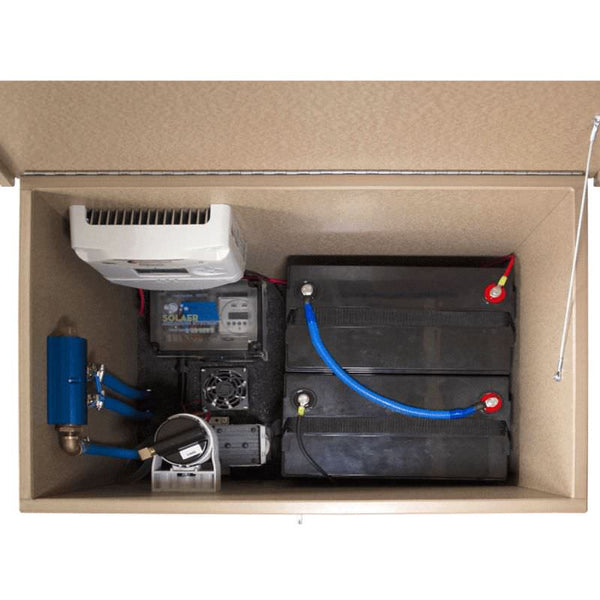
These are diffused systems that run on solar panels and battery power instead of shoreline electricity. PondHaven carries the Keeton ProLake Solaer for ponds without shore power.
Choose a solar aerator when there is no power near the pond and running electrical service out to it would be costly or disruptive.
For more detail, read our guide to surface aerators vs bottom diffusers.
How to choose the right size or model
Start with the shape of the pond bottom and the water itself.
- Depth decides the type more than anything else. Bottom diffusers need depth to work well, while surface units do their best work in shallower water.
- Shape matters because one unit may not reach a long, narrow, or divided pond. Those layouts often call for multiple diffuser plates or more than one floating unit.
- Aeration vs. looks is a trade-off. Decide how much the spray pattern matters before you compare models.
- Power sets the shortlist if the pond sits away from the house or barn.
Check each product page for the pond sizes and configurations a system is offered in before ordering.
Power and placement
Most systems run on standard shore power, and the electrical work usually decides the setup more than the water does.
- Long cable runs lose voltage, so keeping the power source close to the water helps.
- With a bottom-diffused system the compressor stays on land and only airline enters the pond, which suits ponds used by swimmers, livestock, or pets.
- Bottom systems need a dry, level spot on the bank for the compressor or its cabinet.
- Floating units need mooring lines or anchors to hold position.
If your pond has no power nearby, see how to aerate a pond without electricity.
Not sure which one you need?
Send PondHaven your pond size, average and maximum depth, shape, and what power is available at the shore. We can point you to the systems that fit and explain the trade-offs between them.
Browse the full pond aerators range if your pond turns out to be larger or smaller than one acre.
No page change, it expands right here
Frequently asked questions
Quick answers to the most common questions about our 1 acre pond aerators.
Which is better for a one-acre pond, a floating fountain or a bottom-diffused system?
It depends mainly on depth and on how much the spray pattern matters to you. Bottom diffusers tend to move more water per unit of power and work the whole water column, while a floating fountain gives you a visible display along with surface movement. In ponds deeper than roughly 6 to 8 feet, bottom-diffused systems usually do more for circulation.
Will a bottom-diffused aerator work in a shallow pond?
It can, but shallow ponds often respond better to a high-volume surface aerator or a system built for shallow water. Diffusers need enough depth for the rising bubbles to pull water upward effectively, so in shallow water a surface unit is often the simpler answer. Airmax offers a shallow water aeration system for ponds in that situation.
Do I have to run electric cords into the water?
No. With a bottom-diffused system the compressor sits on shore and only airline reaches the pond floor. That is the usual choice for ponds where children, pets, or livestock go in the water, and it also keeps power cords away from wildlife.
Which voltage should I order?
Match the system to the circuit you already have at the pond. Long electrical runs lose voltage along the way, which is one reason some owners place the equipment close to the water and run airline instead of cable. Check the options listed on the product page, or ask us with your pond and power details before you order.
Can an aerator help with muck and winter fish kills?
It can help with both. Circulation supports the bacteria that break down organic material on the bottom, which over time can reduce the depth of accumulated muck. Under ice, aeration keeps water moving and can leave an open area where gases escape, which lowers the risk of a winter fish kill.
Need expert help finding the right setup?
Contact Pond Haven Support