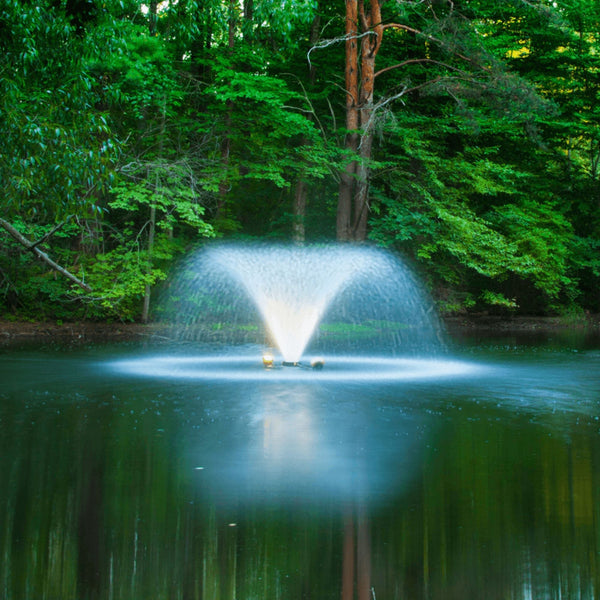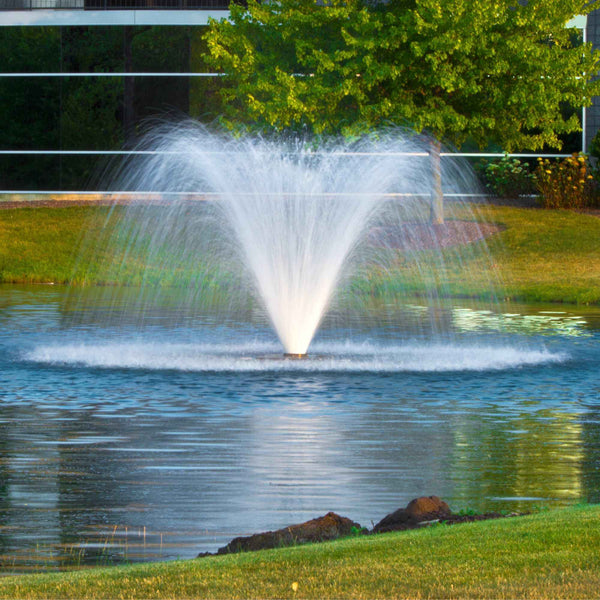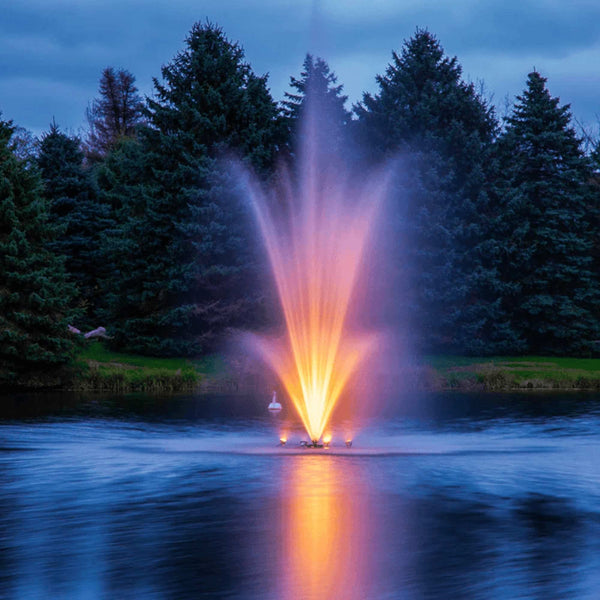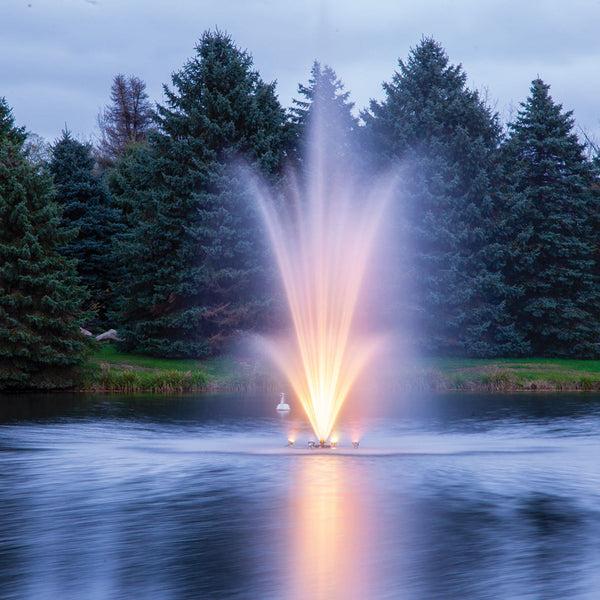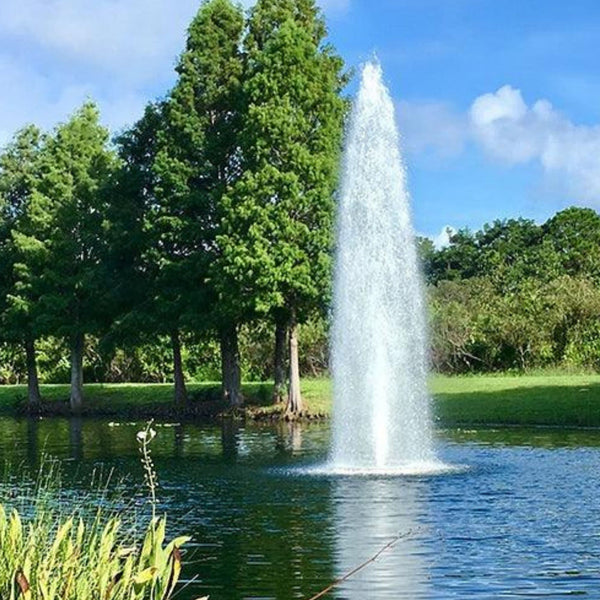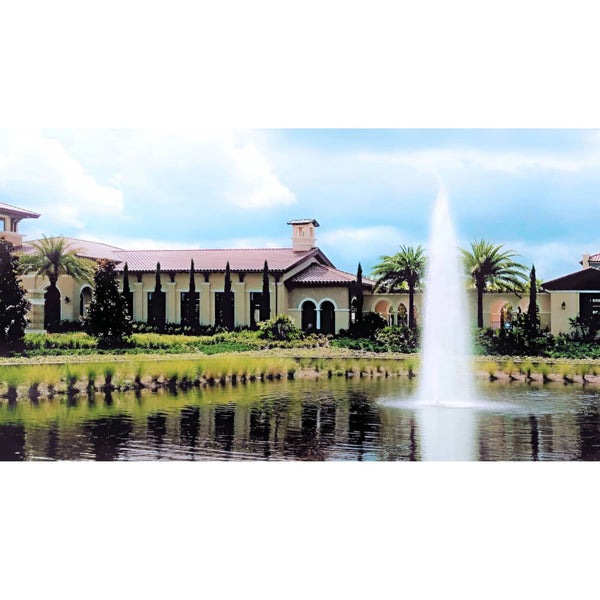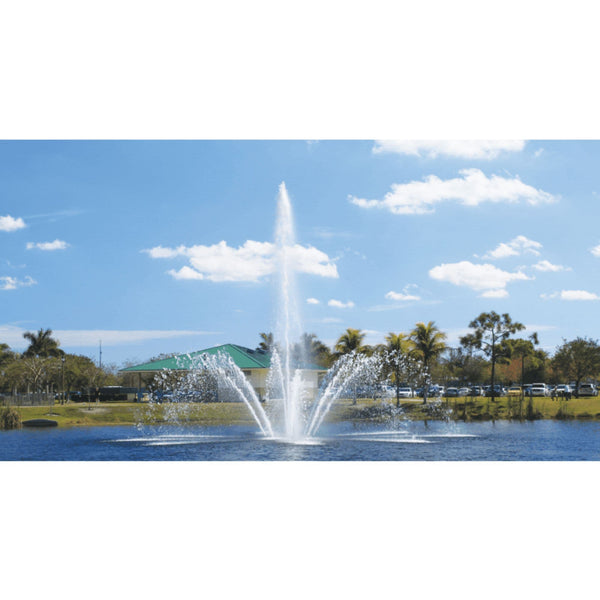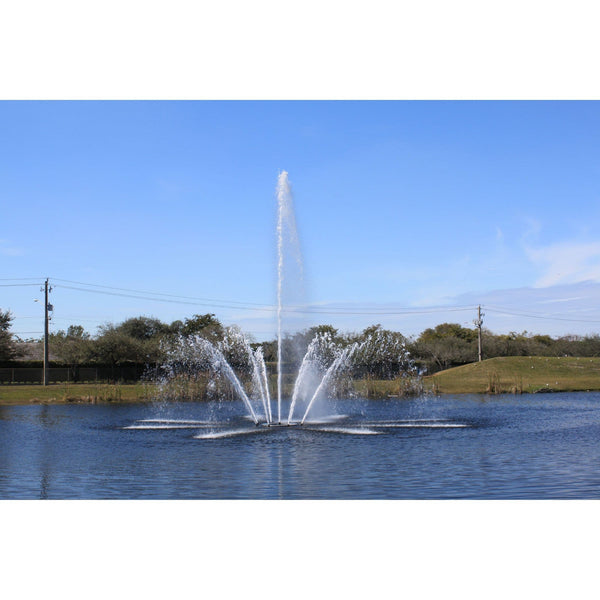
How To Choose The Perfect Pond Fountain

How To Choose The Perfect Pond Fountain

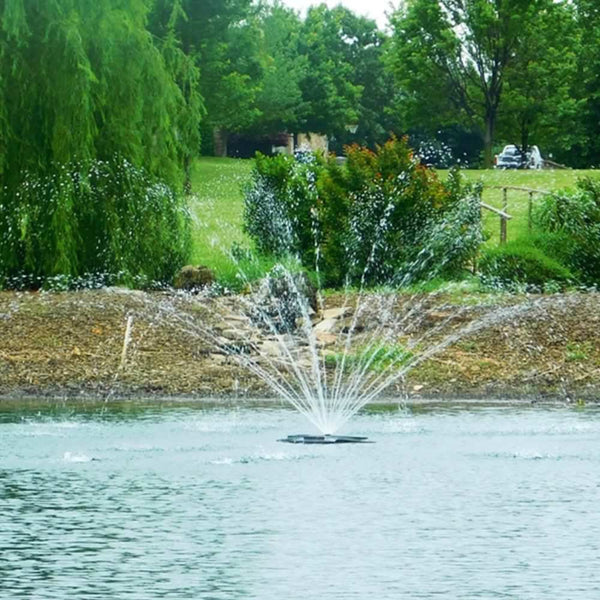
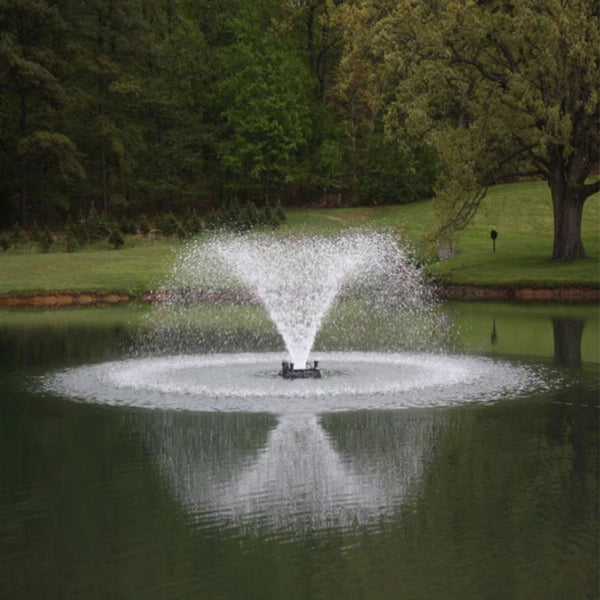
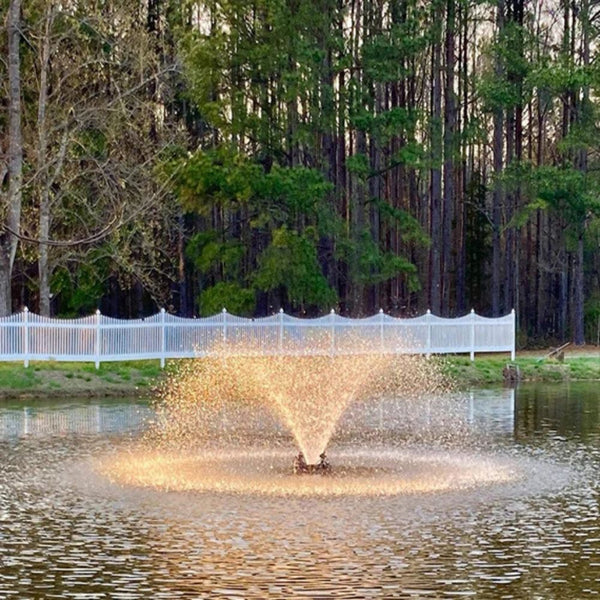
A pond fountain changes the way your garden looks and feels. From a smooth sheet of flowing water to gentle trickles and bubbling streams, the right display adds movement, sound, and a finished look to the space.

The challenge is picking a fountain that fits your pond and your property. This guide walks through the key decision points: size, style, power, and site conditions, so you can choose a fountain you’ll enjoy running often, including options like pond fountains with lights.

Smaller garden ponds work just as well with a compact fountain. You get the same calming effect without overwhelming the space. Just remember that consistent performance still depends on a pump setup that matches the display you choose.

Quick Answer

Choosing the right pond fountain comes down to pond size, power source, and the look you want. Start with a realistic spray height for your wind exposure, then match the fountain type and pump setup to your goals so it runs reliably.

  • Estimate your pond’s surface size and average depth
  • Choose power (electric vs solar/battery) based on your site
  • Pick a spray pattern that stays inside the shoreline on breezy days

Browse pond fountains to narrow your choices by style and setup.

Choose a Pond Fountain in 4 Steps

What to Consider Before You Buy

When buying a pond fountain, focus on fit and day-to-day use first.

  • Budget: Plan for the fountain plus ongoing basics like power and routine cleaning. Higher-output displays usually cost more to buy and to run.
  • Goal: Decide what matters most, looks, water movement, or both. This guides expectations for spray height, pattern, and runtime.
  • Power source: Solar and battery options are convenient but variable. Electric models are more consistent when safe outdoor power is available.
  • Site reality: Wind exposure and nearby patios, walkways, and siding should limit spray height and pattern width.
  • Safety: Use outdoor-rated equipment and safe power connections appropriate for water features.
  • For maximum visual impact, prioritize spray containment for your windiest normal days.
  • For dependable movement and runtime, prioritize power access and a practical spray height.

Once you’ve set these, sizing and style decisions get much easier.

Size and Selection

Size is about balance. You want a display that looks right for the pond and stays inside the shoreline.

  • Start with surface size: Bigger water can handle wider patterns. Small ponds benefit from contained sprays that do not dominate the view.
  • Choose a realistic height: Taller sprays look dramatic, but they are the first to overspray in the wind.
  • Match expectations to maintenance: Bigger displays can mean more attention to debris and adjustments.

Practical sizing tip: Start with a modest pattern, test in typical wind conditions, then adjust upward only if the spray stays in-bounds.

If you want a more specific sizing workflow, see What Size Fountain for My Pond.

Design and Aesthetics

A fountain should look good from your main viewing spot and still be easy to live with.

  • Scale: Pick a display that complements the pond and surrounding landscaping, not one that overwhelms it.
  • Finish and color: Choose contrast if you want the fountain to stand out, or neutral tones if you want it to blend in.
  • Material: Outdoor durability and upkeep vary by material. Favor options that match your climate and the maintenance you’ll actually do.
  • Sound: Higher impact patterns are louder. Softer, lower patterns are quieter.

Best practice: Choose a style you can run often. A slightly smaller, contained display gets used more.

Power and Installation

Power affects performance more than any other decision.

  • AC (household electric): The most consistent option when you have safe outdoor power access.
  • DC (solar or battery): Convenient where power is limited, but output can vary with sunlight or battery condition.

Installation should match your comfort level.

  • Simpler solar or battery setups are quick to place and test.
  • Some higher-output systems may benefit from professional help, especially if power access or placement is complex.

Cost note: Lower upfront cost can mean more compromises in runtime or upkeep. If you plan to run the fountain often, prioritize reliable power and easy access for cleaning.

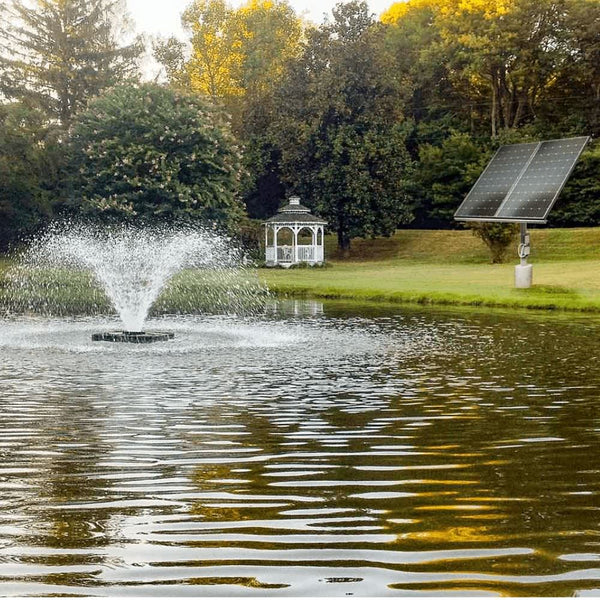
If power access is your biggest constraint, consider solar powered fountains.

Cost

Cost is always part of the equation. You may want to invest in a higher-end product designed for long-term use, or choose a cost-efficient option that still delivers the look and sound you want.

Whatever approach you take, weigh these factors together:

  • Total cost of the fountain (including shipping and taxes)
  • Installation charges (if applicable)
  • Long-term maintenance costs (electricity, cleaning supplies, replacement parts)
  • Any installation restrictions (local rules, permits, site limitations)

Once you’ve considered cost, you can compare fountain types that fit your budget and design goals.

Spray Height by Wind Exposure

Types of Fountains

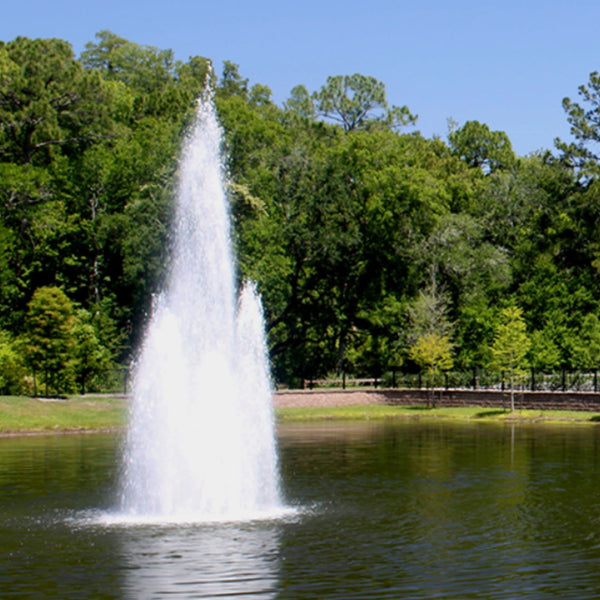
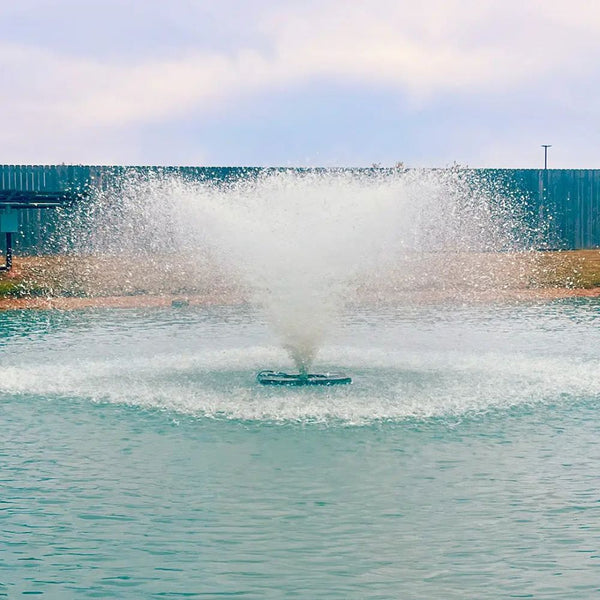
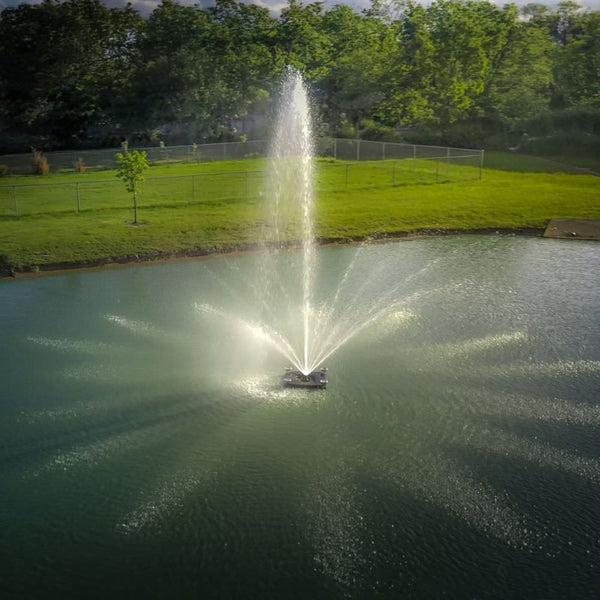
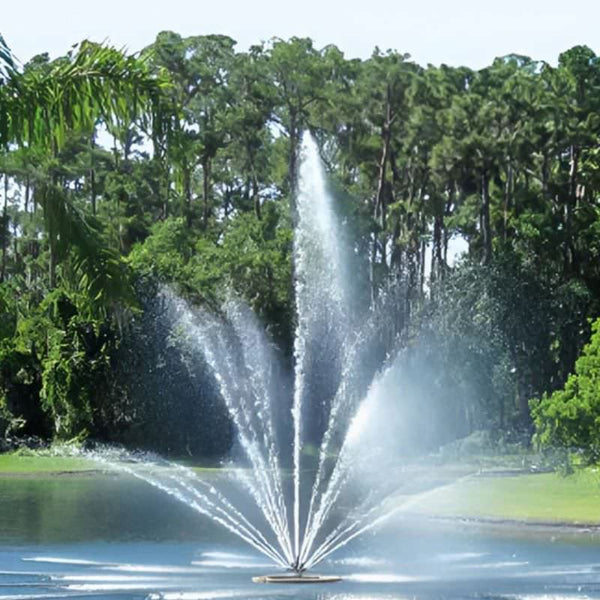
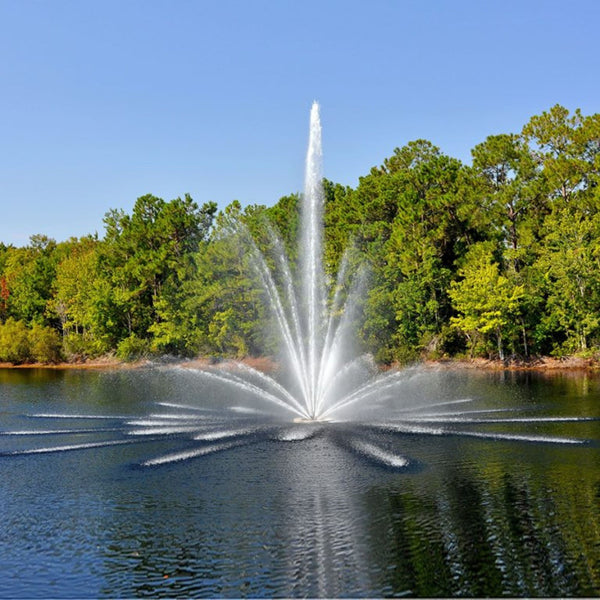
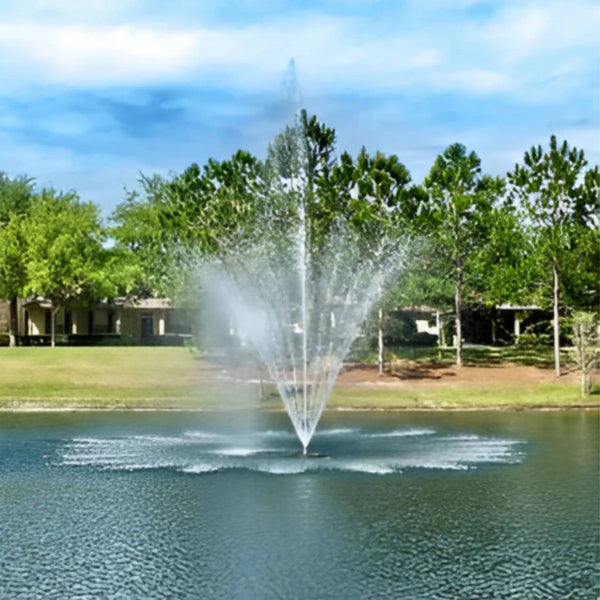
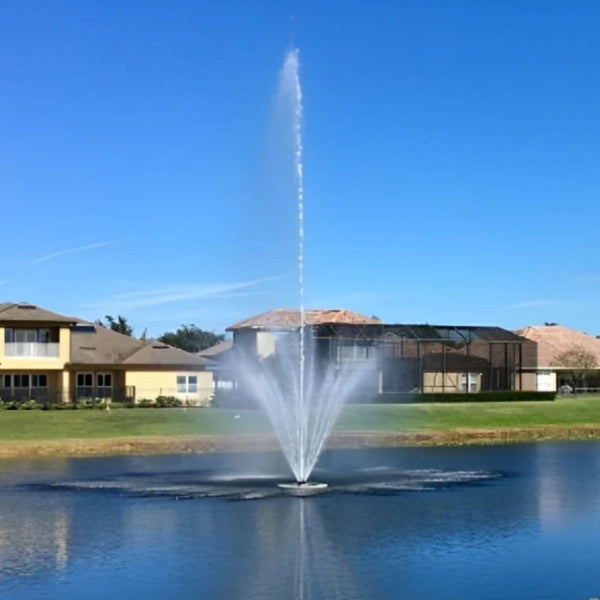
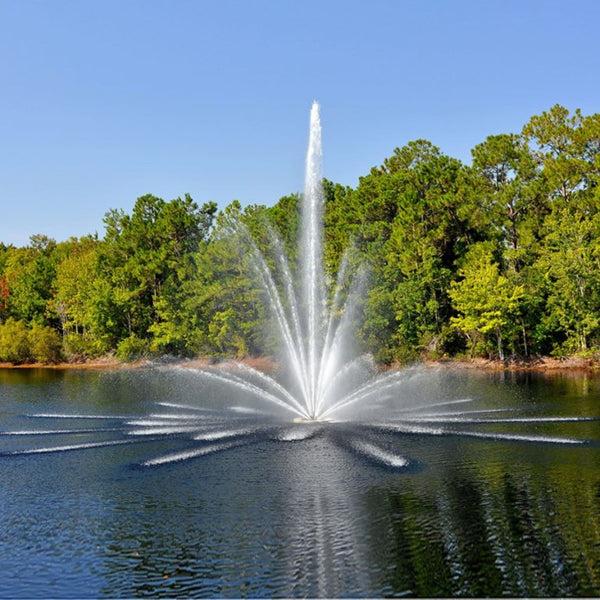
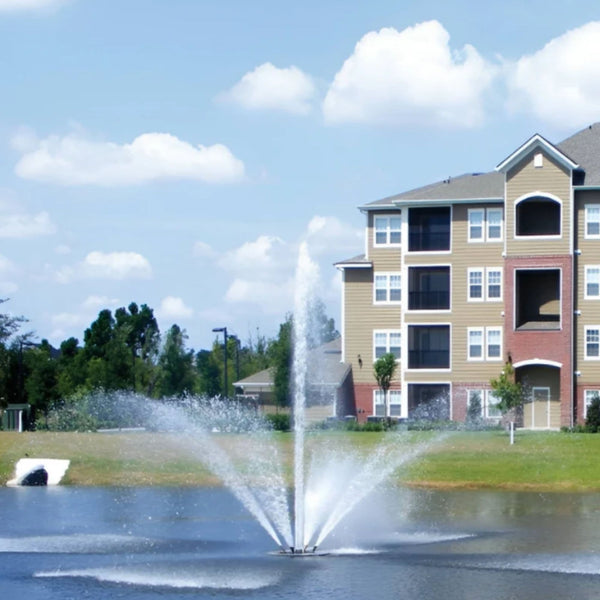
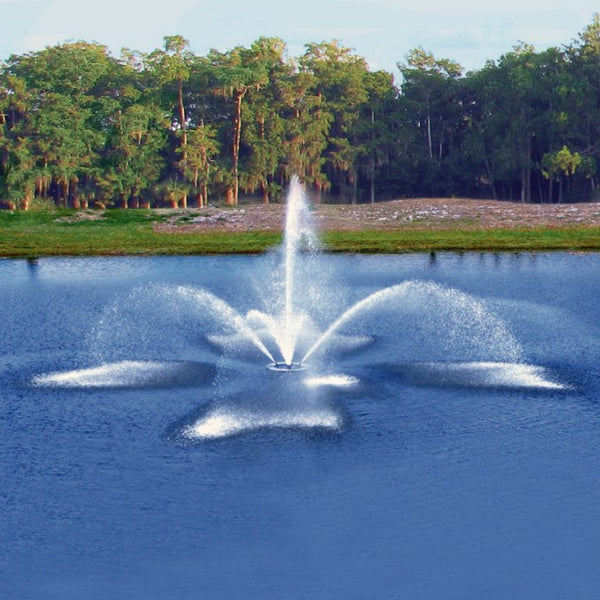
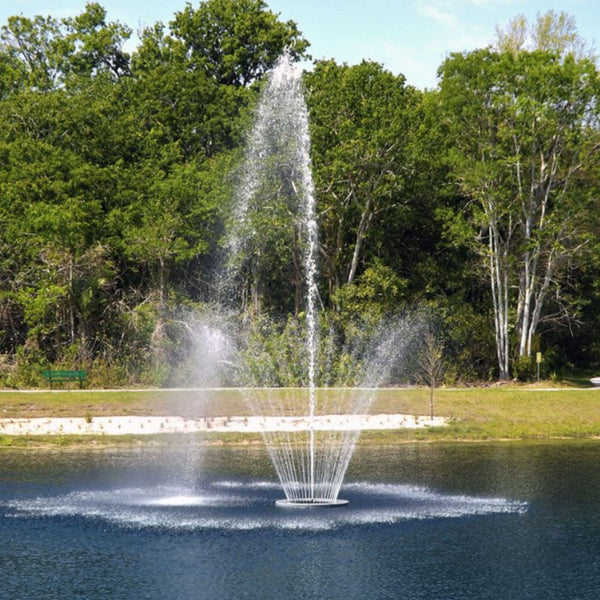
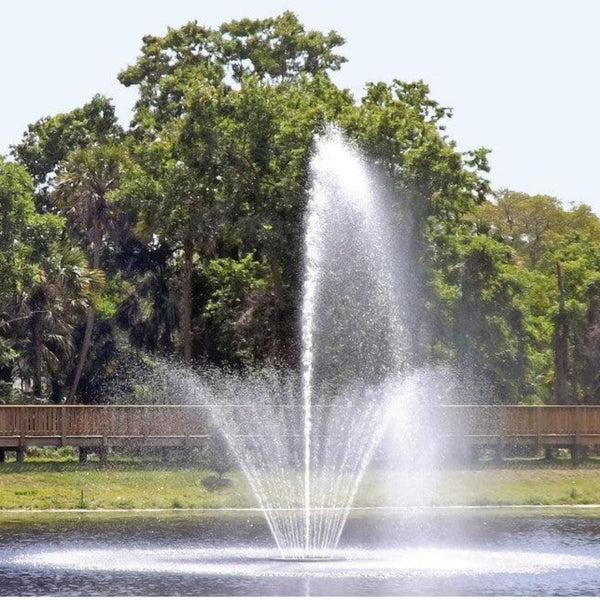
Not all pond fountains are built the same. Options range from small decorative pieces to elaborate floating fountains with patterns and lighting.

Statuary fountains are lower-maintenance and well-suited to smaller ponds. They often feature decorative bases or ornamental designs.

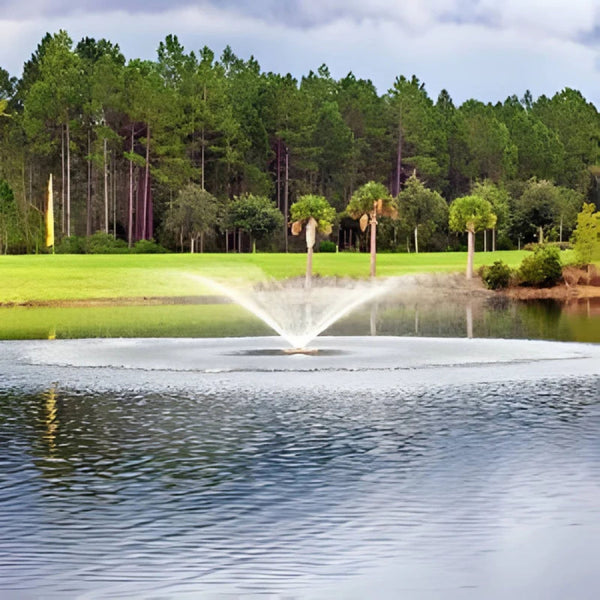
Surface spitter fountains work well in shallow areas or near edges and create a lively ambiance, sometimes resembling a gentle rain effect.

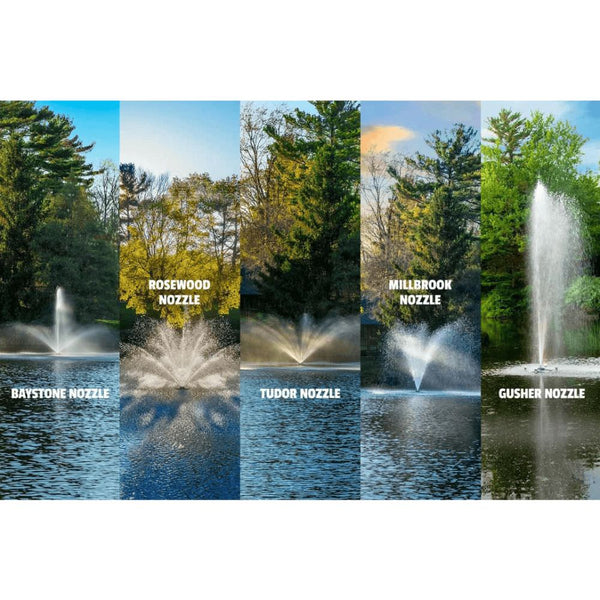
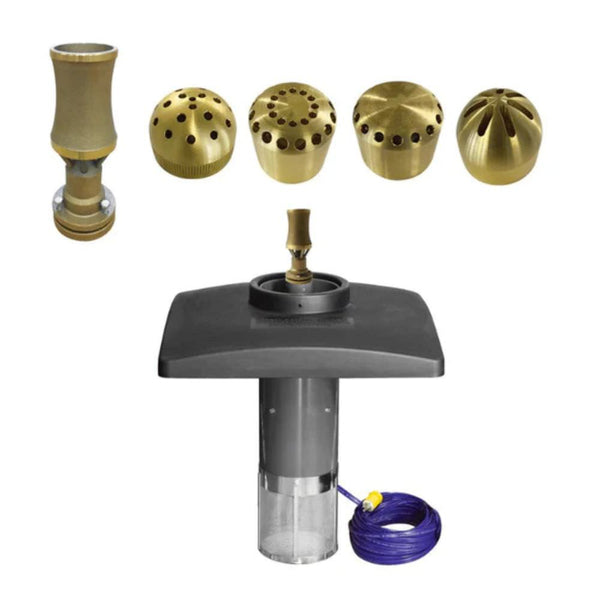
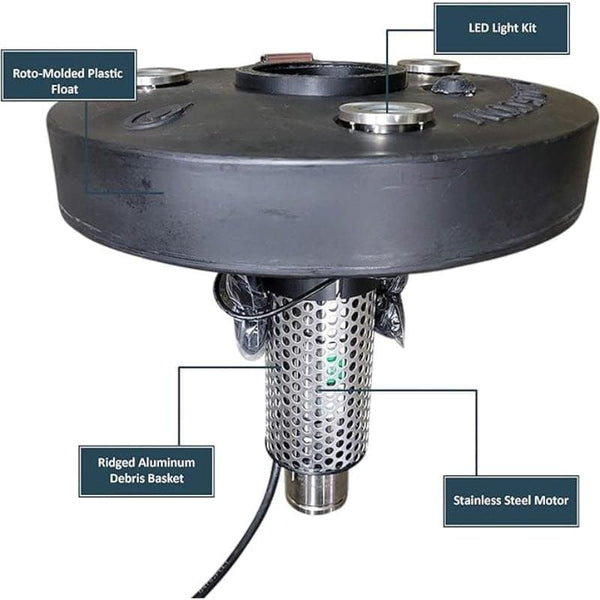
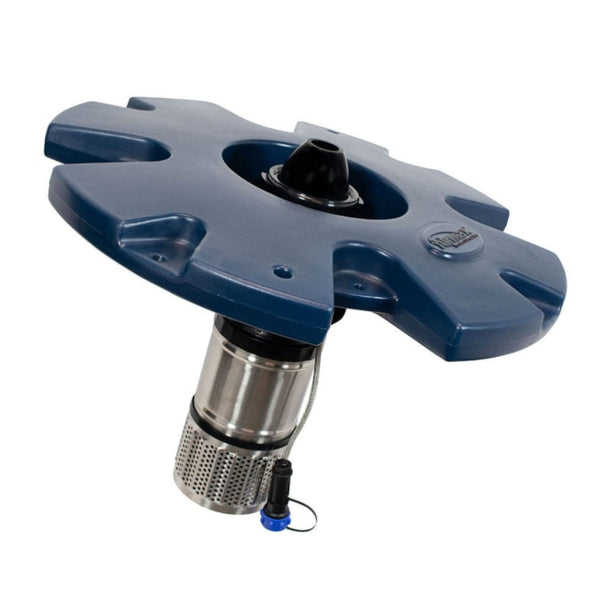
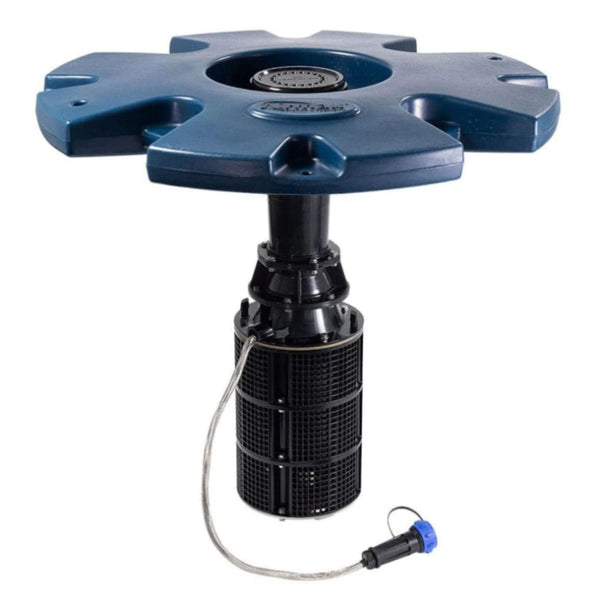
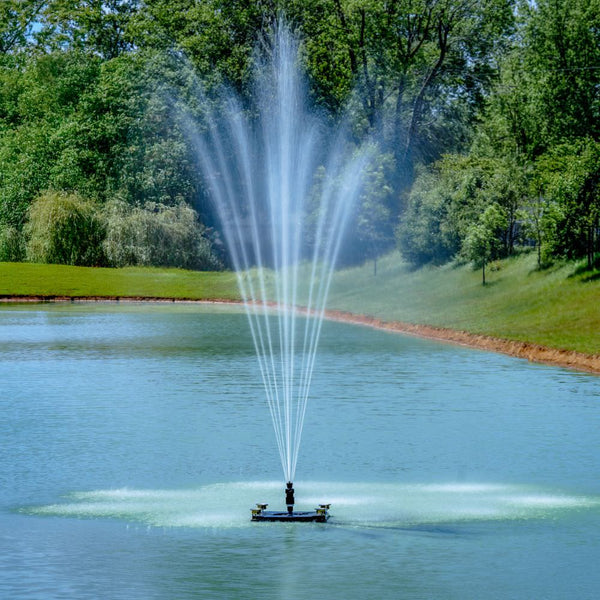
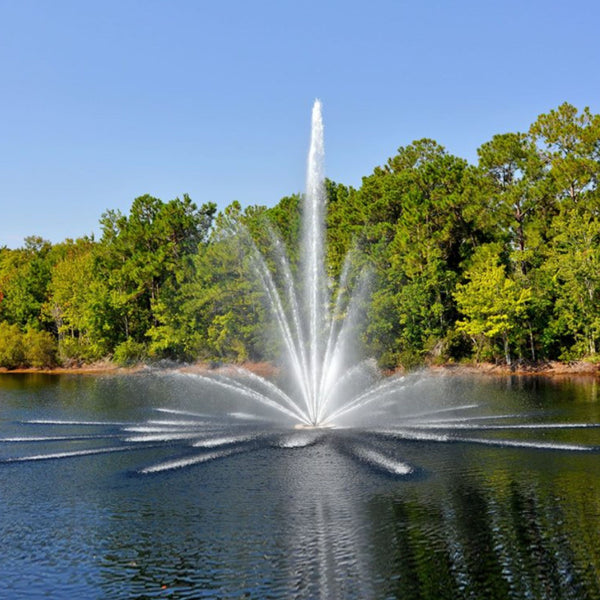
Higher-end floating fountains deliver more complex presentations. Some offer multiple patterns and lighting for a strong visual impact, but they may require more maintenance and a higher upfront investment.

No matter what you choose, knowing the fountain type and its maintenance needs sets you up for a smoother setup and fewer surprises.

Key Points

Compare fountain types by maintenance requirements, installation needs, and the display you want before you buy.

Different Fountain Styles

Style is both aesthetics and practicality.

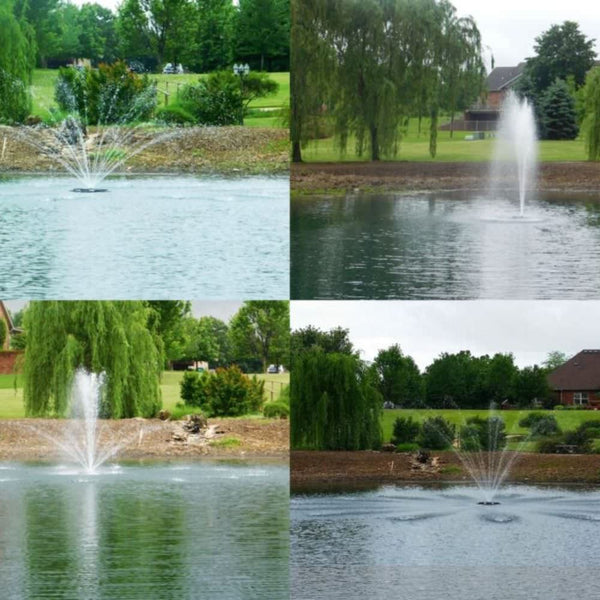
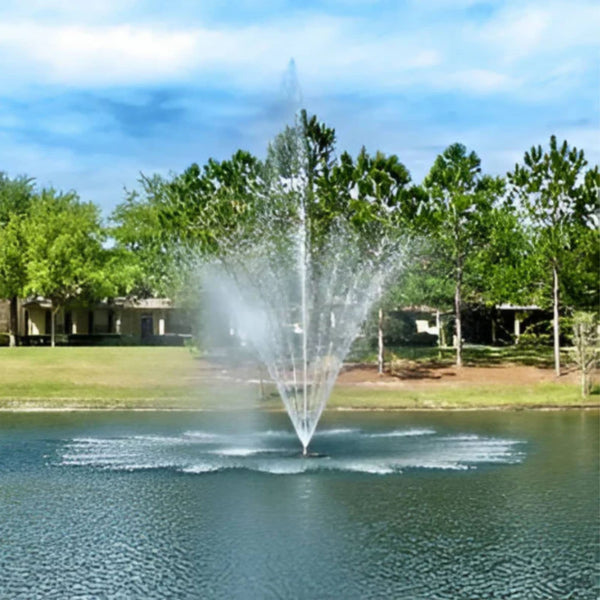
  • Classic, symmetrical patterns: Clean look and easier to keep contained.
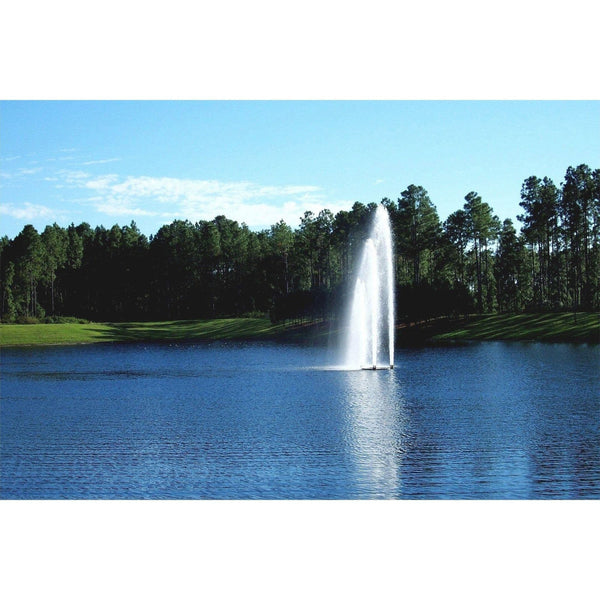
  • Floating display styles: Strong visual presence on open water, but height and width should match wind exposure.
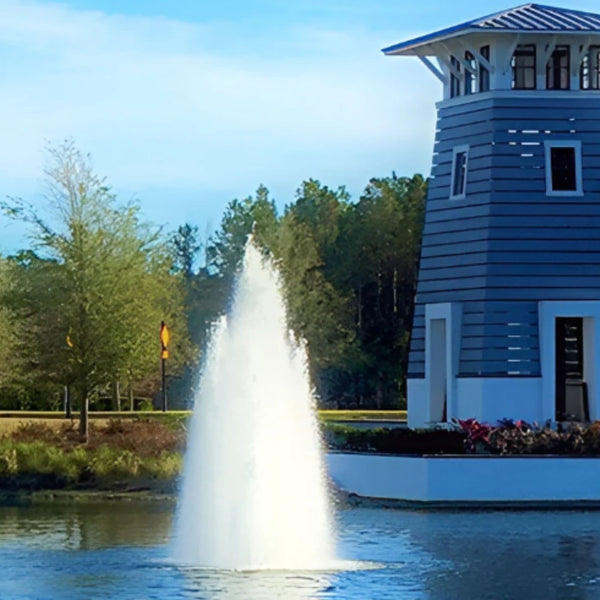
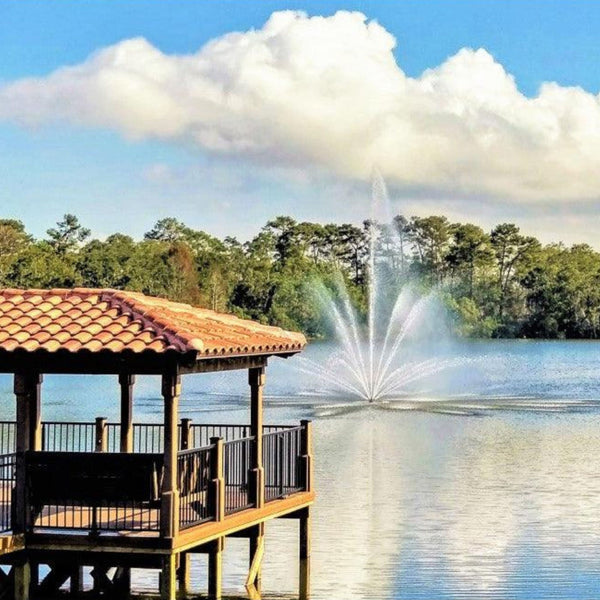
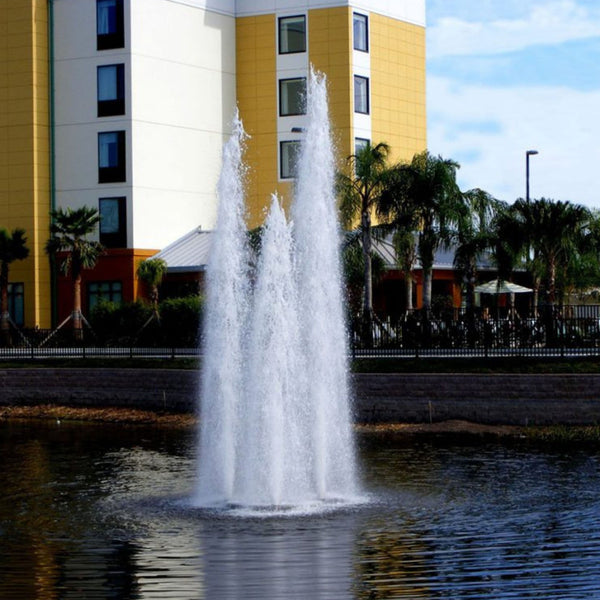
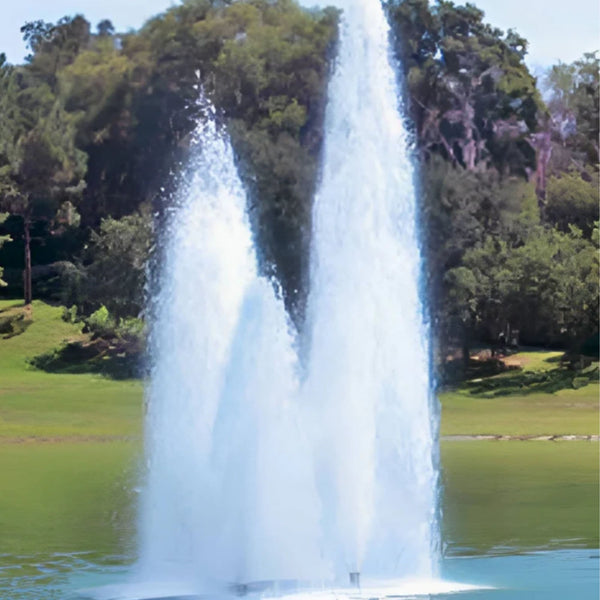
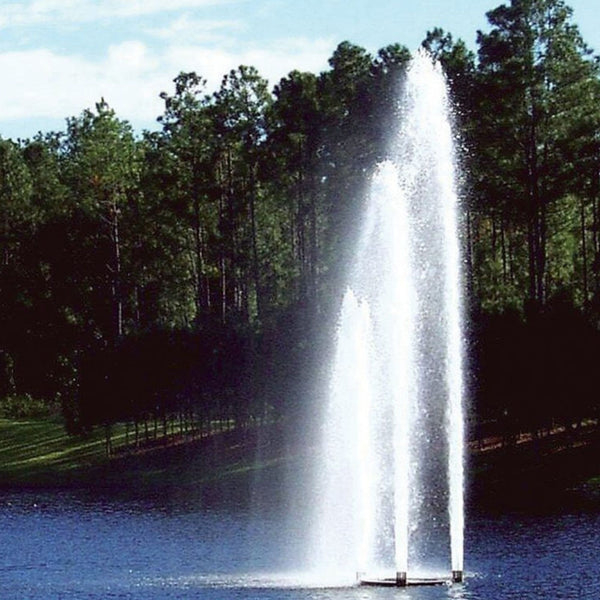
  • Ornamental, taller patterns: Big statement, but plan around drift and nearby structures.

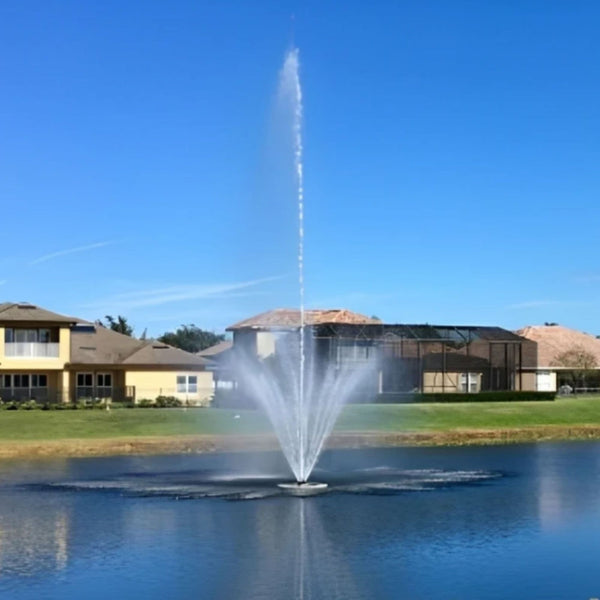
Before buying, picture the spray in relation to patios, walkways, siding, and plant beds. If any are close, choose a lower, tighter pattern.

Pond Fountain Pumps

The pump is what turns a fountain from a nice idea into reliable, consistent performance. Choose based on pond size, desired pattern, and the amount of debris your pond collects.

  • Submersible pumps: Installed underwater and generally simpler. They work well for most ponds, but need more frequent cleaning in debris-heavy water.
  • Above-ground pumps: Mounted outside the pond, and are easier to service. They offer more control, but still require routine checks to prevent clogs.

Best practice: Prioritize easy access for cleaning. A pump you can service quickly is one you’ll keep running.

If your primary goal is water movement for pond health, especially in deeper ponds or ponds that stagnate, compare pond aerators alongside fountains.

Spray Height by Wind Exposure

Weather and Functional Considerations

Your site conditions should set your spray height and maintenance expectations.

  • Wind: The main driver of overspray. Choose a height and pattern you can run on
     breezy days without soaking the shoreline.
  • Seasonal debris: Leaf drop and storms can clog intakes. Plan for quick checks during heavy debris periods.
  • Freezing weather: If your area freezes, plan for seasonal adjustments or removal based on your setup and local conditions.
  • Service access: The best-looking fountain is the one you can reach, clean, and adjust without hassle.

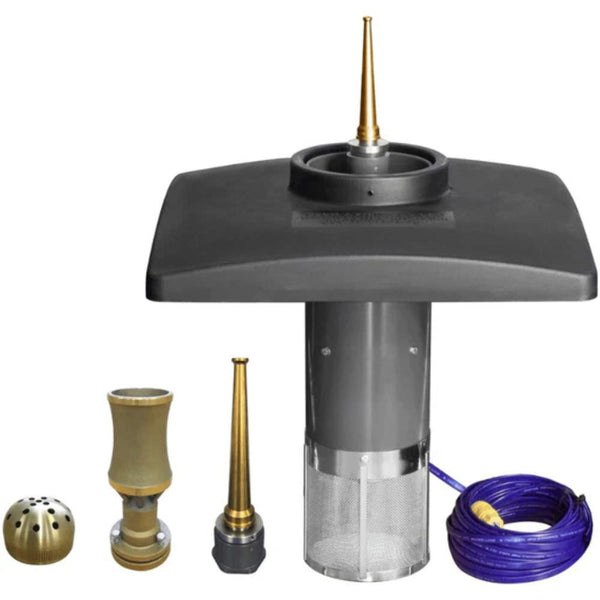
Useful feature: Adjustability. Interchangeable heads or adjustable nozzles help you tune the display as conditions change.

Troubleshooting and Maintenance Table

Most issues are caused by debris, wind, or setup tuning, not true product failure.

Symptom

Likely Cause

What To Do

Spray height drops

Intake or nozzle buildup

Clean intake screen, rinse nozzle, retest

Spray looks uneven

Debris in the nozzle or misalignment

Clear debris, reseat parts, and confirm the pattern is centered

Wet areas around the pond

Spray too high for the wind

Lower height, switch to a more contained pattern

Fountain struggles or stops

Debris clogging or power limitation

Clear intake, confirm power source, restart, and monitor

Performance changes day to day

Wind or (solar) sunlight changes

Clean the intake/nozzle, then retune the spray height

Algae or surface scum persists

Runtime too low or the wrong tool

Increase runtime if possible, and compare pond aerators if needed

Common Mistakes

  • Buying for maximum spray height instead of your yard’s wind exposure
  • Choosing solar for a shaded pond and expecting consistent, strong output
  • Skipping basic measuring, then ending up with a fountain that feels mismatched
  • Placing the fountain where overspray hits patios, walkways, or siding
  • Setting spray height high on day one instead of starting low and tuning up
  • Ignoring cleaning access, which makes maintenance feel like a chore
  • Choosing a complex display when you prefer minimal upkeep

Conclusion

Choosing the right pond fountain for your garden takes a little planning, but it pays off. Before making a final choice, consider the size and type of the fountain, its placement, and your practical constraints, such as cost and maintenance.

Fountains add real character to a pond, but they become frustrating when they're mismatched to the space or installed without planning. With a measurement-first approach and realistic expectations about power and wind, you can choose a fountain you’ll enjoy running often.

Frequently Asked Questions

What Size Pond Fountain Do I Need?

Start with your pond’s surface size and how close the shoreline is to patios, walkways, and siding. Choose a spray height and pattern that stays within the pond on breezy days, then scale up only if it still remains contained.

How Do I Choose an Outdoor Pond Fountain?

Work in this order: measure your pond, decide your goal (looks, movement, or both), confirm power access (electric vs solar), then pick a spray pattern that fits your wind exposure and maintenance tolerance.

Should I Leave a Pond Fountain On All the Time?

Many owners run fountains daily, especially in warm months, but the best schedule depends on your goals, power costs, and debris load. If you want consistent movement, run it regularly and plan quick intake checks during leaf season. If you are using solar power, expect the runtime to vary with sunlight levels.

How Can I Tell If My Pond Has Enough Oxygen?

Signs of low oxygen include sluggish fish behavior, odors, or persistent surface film, especially in hot weather. A fountain adds surface movement, but if oxygenation is the priority, compare dedicated options in pond aerators.