
How to Run Power Safely to Your Pond Fountain System
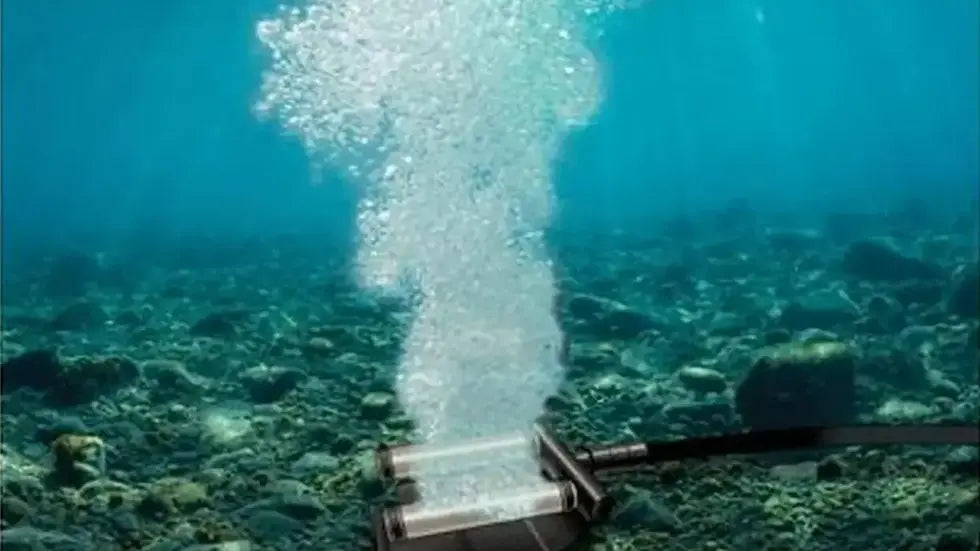

Pond fountains do more than look good. They move surface water and improve oxygen levels, which helps keep your pond healthier. While they don't solve algae problems on their own (that still comes down to nutrients, sunlight, and overall water management), large pond fountains add beauty and circulation, making your pond more enjoyable. But before you can enjoy any of those benefits, you need to run power to the pond fountain safely and reliably.
In this guide, we’ll walk through your best options, whether you have an existing outlet or you’re planning a ground-up installation. You’ll learn how to avoid common electrical hazards, align with safety standards, and set your pond fountain system up to run smoothly season after season.
Understand Your Pond Fountain’s Electrical Requirements
Before you buy wire, conduit, or a weatherproof electrical box, take five minutes to confirm what your fountain actually needs. Most installation headaches start when you build the pond fountain power supply plan on assumptions rather than the unit’s nameplate and manual.
Confirm the Fountain System Type
Start by identifying what you’re installing:
- Floating Pond Fountain (decorative spray patterns, often used as a centerpiece)
- Aerating Fountain (display plus circulation support)
- Pond Aeration System Add-Ons (surface aerators or diffused aeration, if oxygenation is the main goal)
Pond Haven’s pond fountains collection includes decorative and aerating options from brands like Kasco, Scott Aerator, and Vertex. If oxygenation is your primary need, our pond aerators include categories like aerating fountains, surface aerators, and solar aerators.
Check Voltage, Amperage, And Dedicated Circuit Needs
Many pond fountains run on either 120V or 240V, and larger units require more robust power delivery. The safest approach is to treat the fountain as a dedicated outdoor load and size the circuit appropriately.
For example, a 1.5 HP floating fountain typically requires a 240V dedicated line. Always confirm the exact requirements in your unit’s documentation, and work with a licensed electrician to verify the breaker load and wiring method.
Plan for Add-Ons Like Lighting and Controls
If you want a pond lighting system or LED fountain lights, plan it up front. Pond fountains with lights highlight floating LED models and include filters for motor size and pond size, including 2-acre options.
This matters because lighting, timers, and controls can change what you install at the shoreline (for example, a disconnect box or a larger NEMA-rated enclosure).
Run Power to Pond Fountains Safely With Trenching And Wiring
A solid pond fountain installation relies on a permanent underground run using an NEC-aligned wiring method, not an extension cord “solution.” Your electrician will determine the correct approach for your site, but these planning decisions will help you get it right the first time.
Choose the Right Underground Wiring Method
Common approaches include:
- Direct Burial Cable (often UF-type cable listed for direct burial)
- Individual Conductors In Conduit (for example, THWN conductors inside PVC conduit)
Both are safe when installed correctly. Conduit adds mechanical protection and makes future upgrades easier, while direct burial works well for straightforward runs. Either way, stick with materials that are not rated for wet locations.
Plan Trench Depth With NEC in Mind
NEC minimum cover depth depends on your wiring method, voltage, and location. Most residential installs fall around 18 inches for conduit or 24 inches for direct-burial cable, but confirm the exact requirement for your setup and any local code amendments before you dig.
Your specific situation might call for a different depth due to factors such as driveway crossings, GFCI protection requirements, or the wiring method you choose. Use the NEC table as a starting point, then confirm the rule that applies to your location.
Built-in Voltage Drop Prevention From the Start
Long distances are common with ponds, especially when installing large pond fountains. Longer runs increase the risk of voltage drop, leading to nuisance trips, hard starts, or shortened motor life.
Reduce your risk by:
- Using a dedicated circuit sized for the load
- Keeping runs as direct as practical
- Using properly sized conductors for the distance and load (your electrician will calculate)
- Avoiding daisy-chaining additional outdoor loads onto the fountain circuit
The simple rule: the farther your pond is from the panel, the more you benefit from professional sizing.
Use Outdoor-Ready Connection Materials
Underground and shoreline installs are wet-environment installs. Plan for components that match that reality:
- Outdoor electrical conduit and fittings rated for the environment
- Weatherproof electrical box at transition points
- Outdoor-rated wire nuts or connectors listed for damp/wet locations (as required)
- A properly rated NEMA junction box or enclosure where splices must occur
Avoid improvised splices and “hidden” connections under rocks or mulch. Water always wins.
Add Surge Protection and Control Options When Appropriate
Outdoor equipment faces exposure to storms and switching events. Depending on your site, your electrician may recommend:
- A surge protector (at the panel or device level)
- Timer settings for predictable runtimes
- Separate controls for pond lighting system components
Keep it simple, labeled, and accessible.
Consider Alternative Power Options For Remote Pond Locations
If trenching is expensive or the pond is far from structures, a solar pond fountain or solar-assisted approach makes practical sense.
Pond Haven offers a dedicated collection of solar powered pond fountains for small garden ponds and larger acre-sized setups. If your goal is oxygen support rather than a spray display, solar aeration works too, and our solar aeration collection emphasizes off-grid benefits for remote areas.
With solar, you get:
- Reduced or eliminated trenching costs
- Performance that depends on sizing, sunlight, and battery/storage choices (if used)
- Best results for owners who prioritize off-grid convenience over maximum display size
A common hybrid approach works well too: a traditional pond fountain for display near available power, plus solar aeration support in a remote zone for oxygenation.
Follow Electrical Safety Best Practices for Pond Fountains
If you want the short version of pond electrical safety, here it is: follow code, avoid shortcuts, and make maintenance safe.
Use a Licensed Electrician for Pond Installations
Water-adjacent electrical work has real consequences. A licensed electrician ensures:
- Correct circuit sizing and breaker selection
- Proper grounding and bonding decisions
- NEC-aligned trenching and wiring methods
- Safer placement of shore-side components
Avoid Extension Cords and Temporary Power Extensions
A “power extension” plan that relies on extension cords is not a long-term solution for a pond fountain motor. Connections stay wet, cords get damaged, and troubleshooting becomes a constant headache.
Inspect Seasonally and Maintain the System
Treat it like any outdoor mechanical system:
- Inspect cords and connections before peak season, and confirm any pond pump timers or control devices are functioning correctly to maintain consistent fountain operation.
- Confirm covers close properly and seals are intact.
- Check for corrosion in enclosures.
- Test the GFCI function regularly.
- Review pond maintenance routines to keep debris from straining the fountain.
Keep Safety Setups Visible and Labeled
A pond safety setup works best when it’s obvious:
- Label disconnects and breakers
- Keep enclosures accessible
- Avoid “hiding” electrical gear where it cannot dry or be inspected
Wrap-Up and Next Steps
A pond fountain can transform your water feature, but only when it’s powered safely and correctly. Build your plan around permanent wiring methods, GFCI protection, weather-ready enclosures, and service-friendly disconnects. Do that, and you’ll run power to your pond fountain with fewer nuisance trips, better long-term performance, and a safer shoreline for everyone.
If you’re planning a new install or upgrading to large pond fountains, start with the fountain choice, then design the electrical path around distance, load, and maintenance access. Explore Pond Haven’s collection to compare options and plan your install with the right equipment from day one.
Frequently Asked Questions
What are the Different Types of Pond Fountains?
Most are decorative floating fountains (spray patterns), aerating fountains (display and circulation), or aeration-first options such as surface aerators. The best fit depends on pond size and whether you prioritize looks, oxygenation, or both.
What do Fountains do for Ponds?
Fountains circulate and oxygenate surface water. In deeper or stratified ponds, they don’t deliver oxygen to bottom waters as efficiently as bottom-diffused aeration or other systems designed for destratification.
How Deep Should a Pond Be if it Has a Fountain?
Depth matters less than placement. Focus on avoiding disturbance of the bottom sediment, maintaining safe clearance, and circulating the most usable area. In irregular ponds, placement and spray choice often matter more than hitting a specific depth number.