

Pond Aerators
Pond Haven carries pond aerators and pond aeration systems for stocked ponds, farm ponds, 1-acre ponds, and larger lakes. Choose by acreage, depth, HP, CFM, diffuser count, compressor type, and power source. For shallow water, compare floating pond aerators. For remote sites, see solar pond aerators or windmill pond aerators. If you want visible spray instead of deeper oxygen movement, compare pond fountains. For winter, see pond de-icers for winter ice.
Filters
Filters
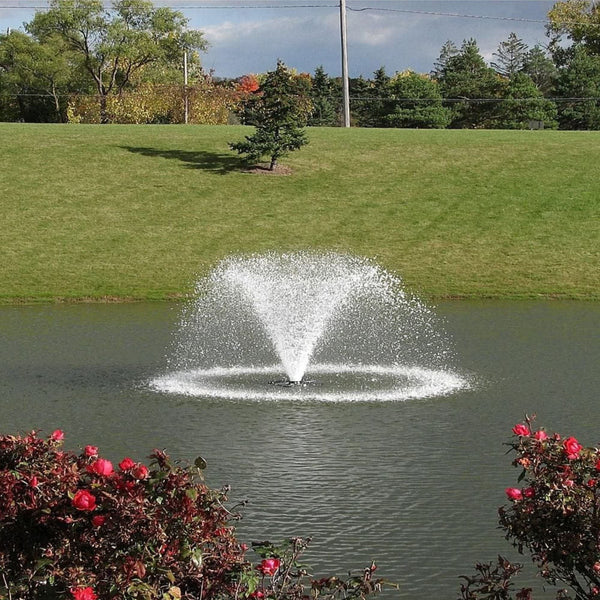
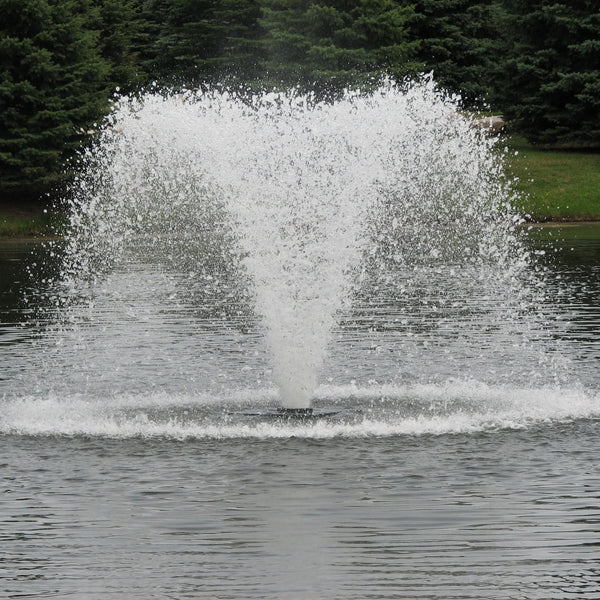
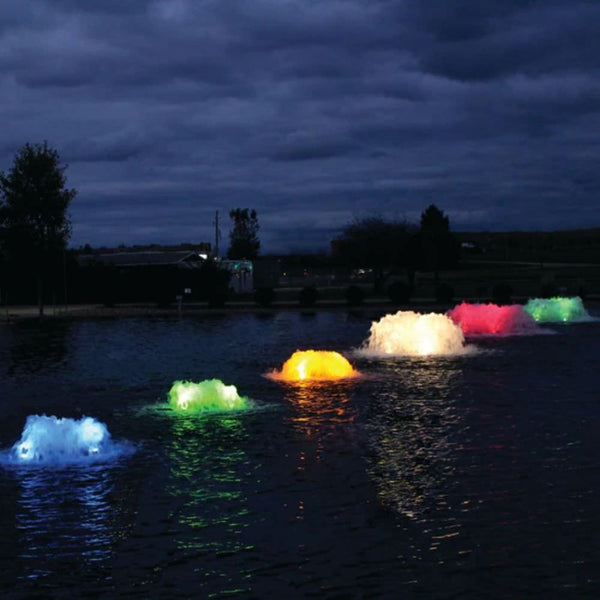
 View product
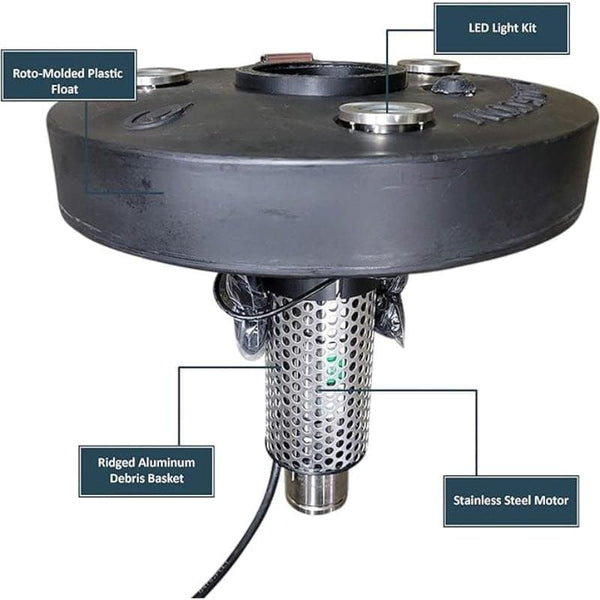
Vanguard Fountains and Aeration
5 options
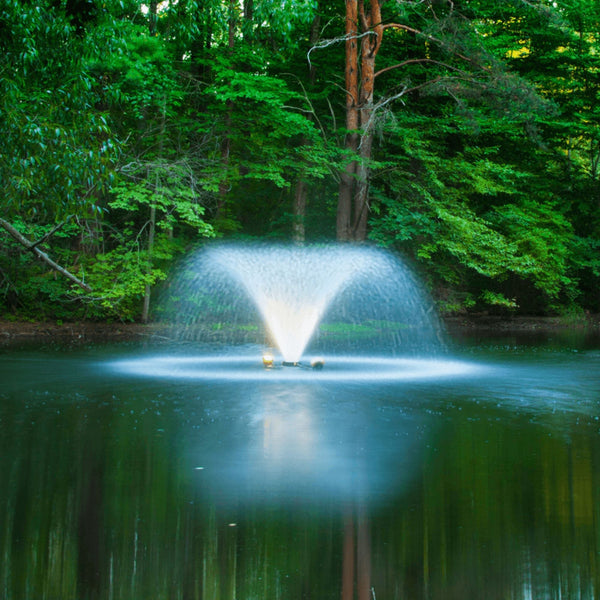
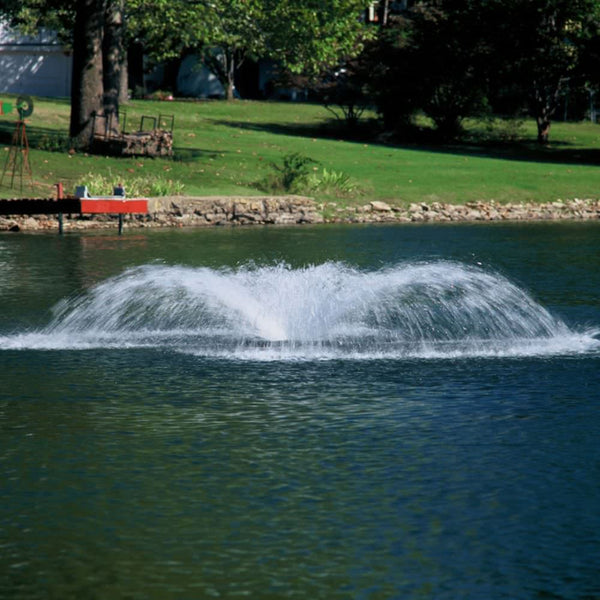
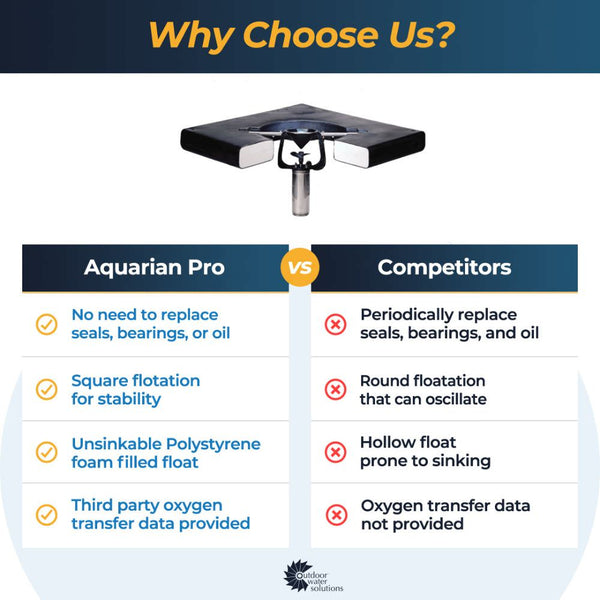
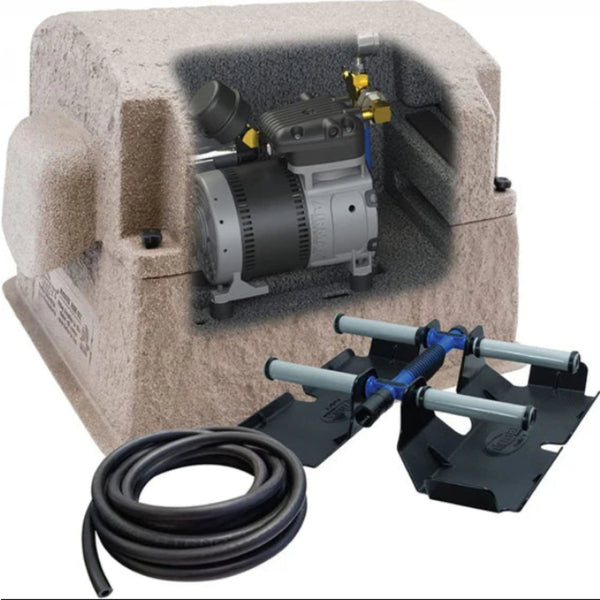
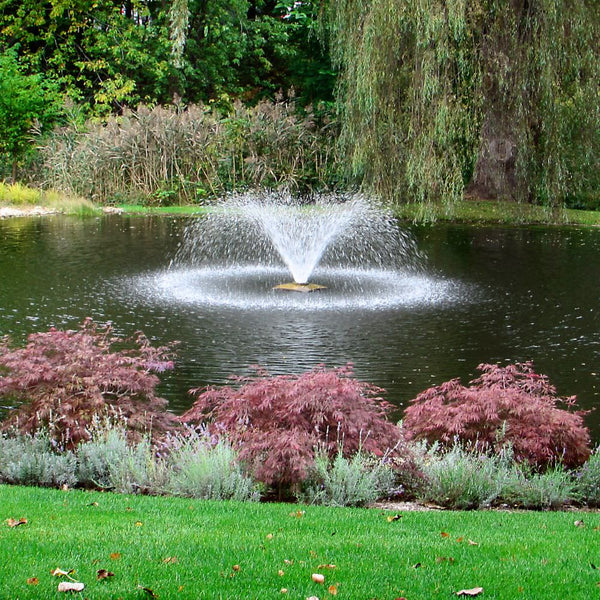
Vanguard Typhoon 3/4 HP Floating Display Aerator
from $1,079.10
 View product
Outdoor Water Solutions
3 options
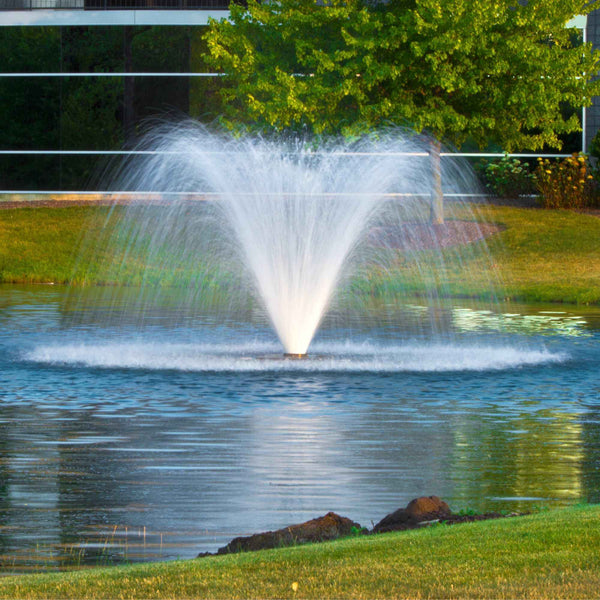
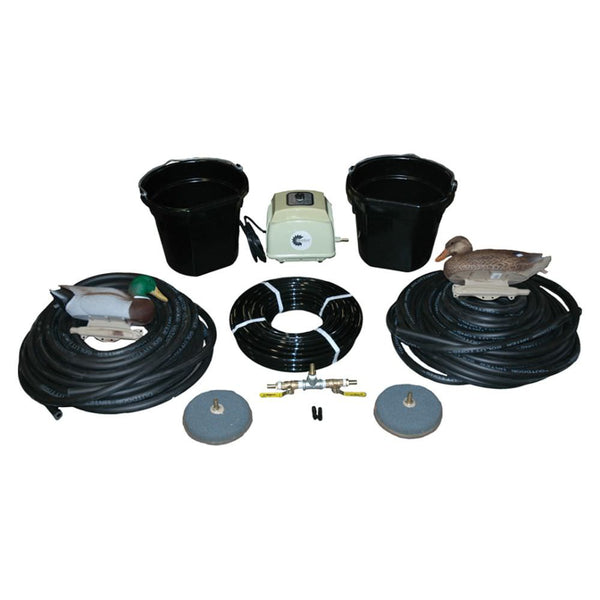
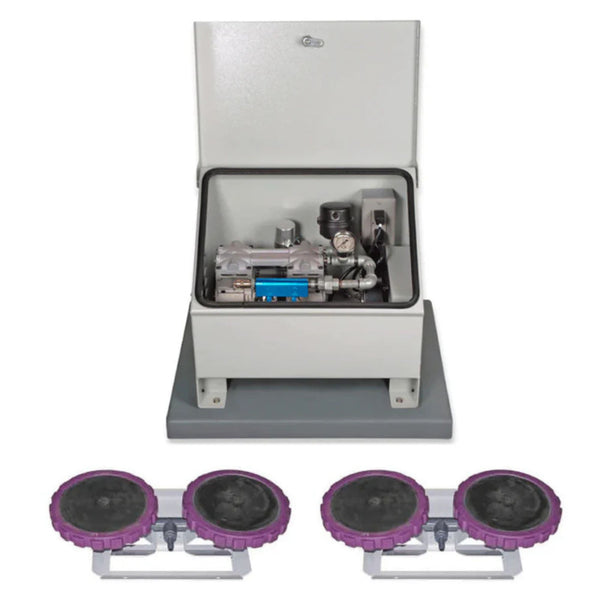
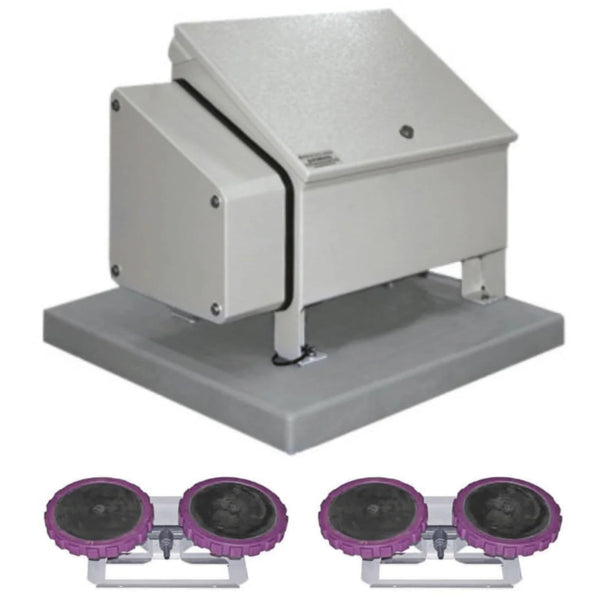
Outdoor Water Solutions AerMaster Shallow Pond Electric Aerator
from $519.00
 View product
Vanguard Fountains and Aeration
2 options
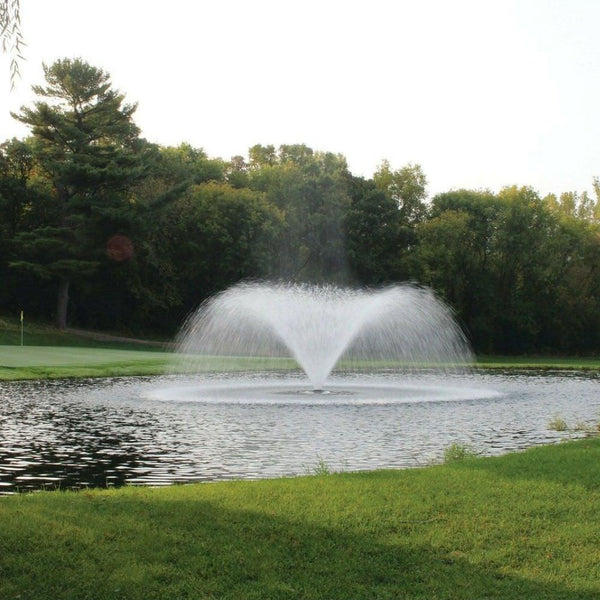
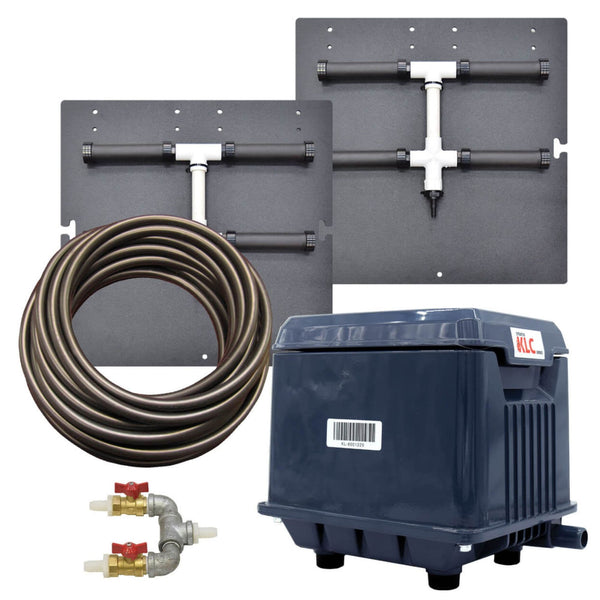
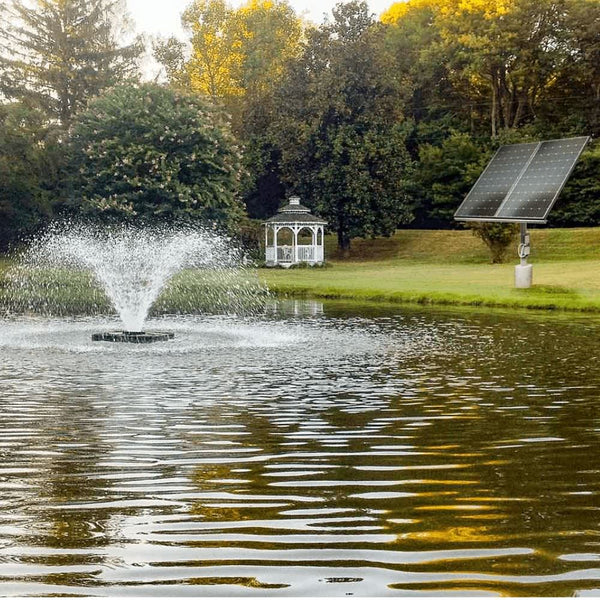
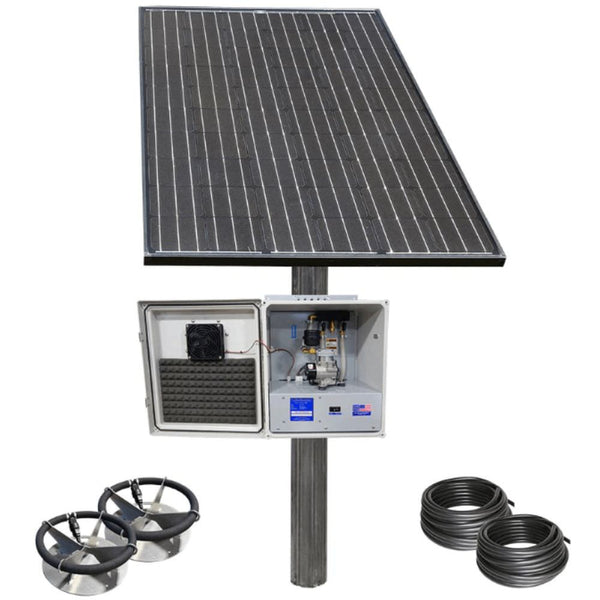
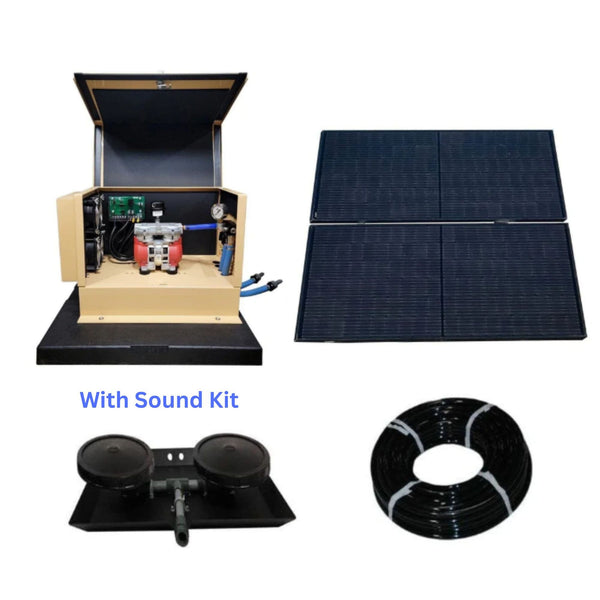
Vanguard Hydro Torque Solar Series Aeration System
from $4,049.10


 View product
Outdoor Water Solutions
7 options
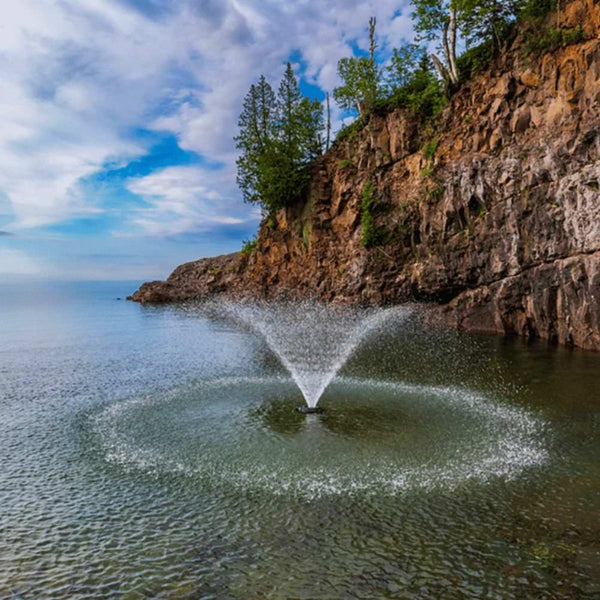
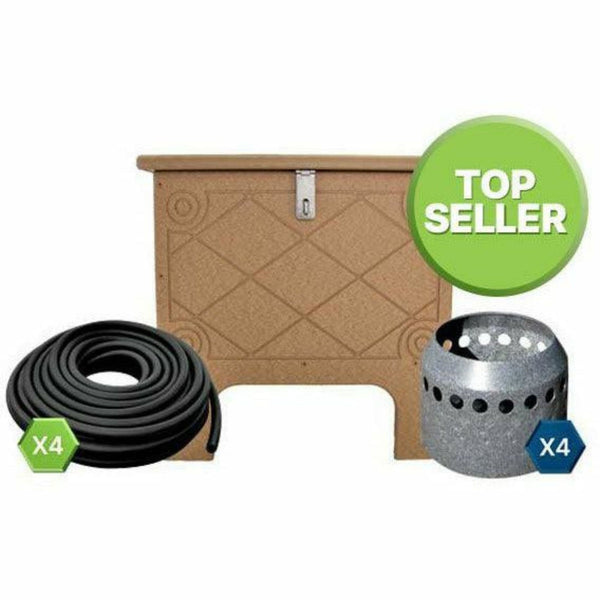
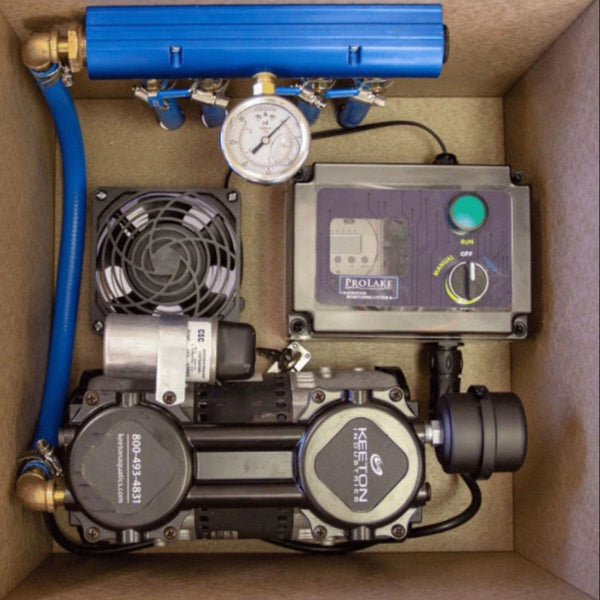
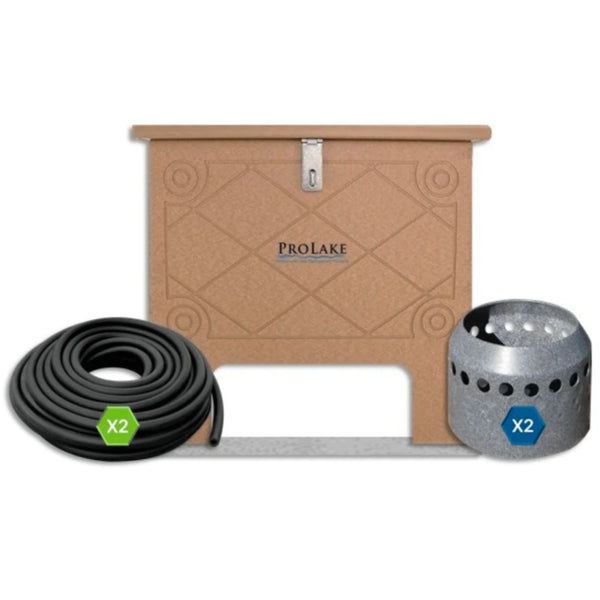
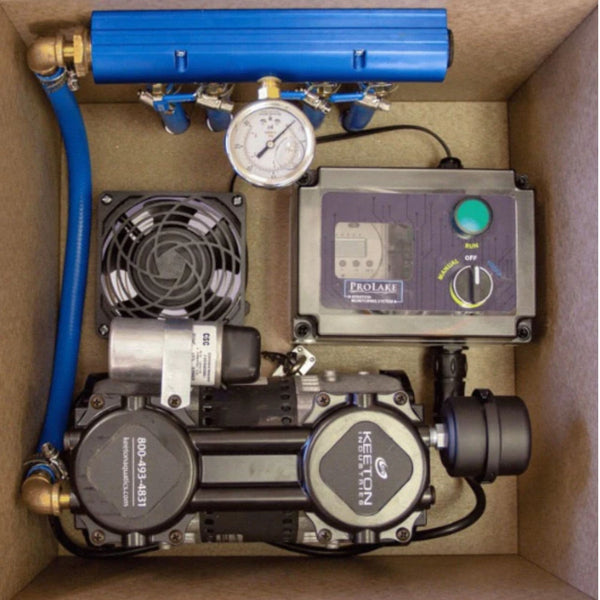
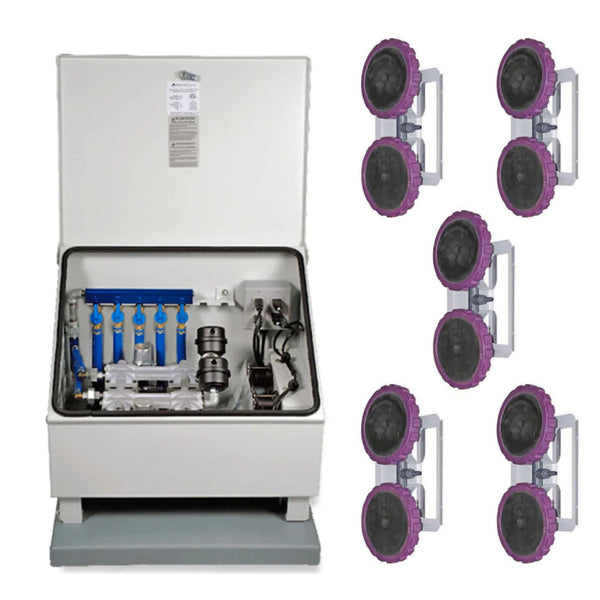
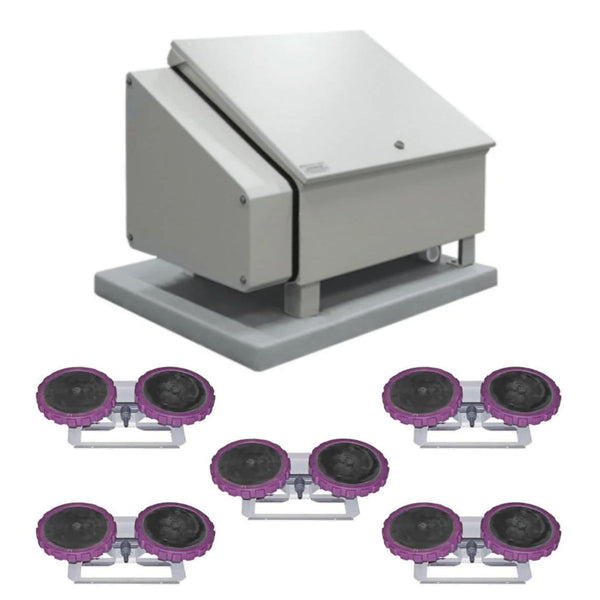
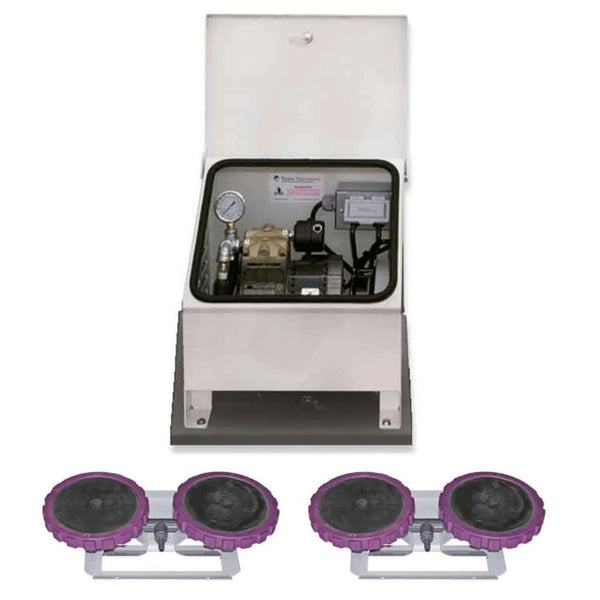
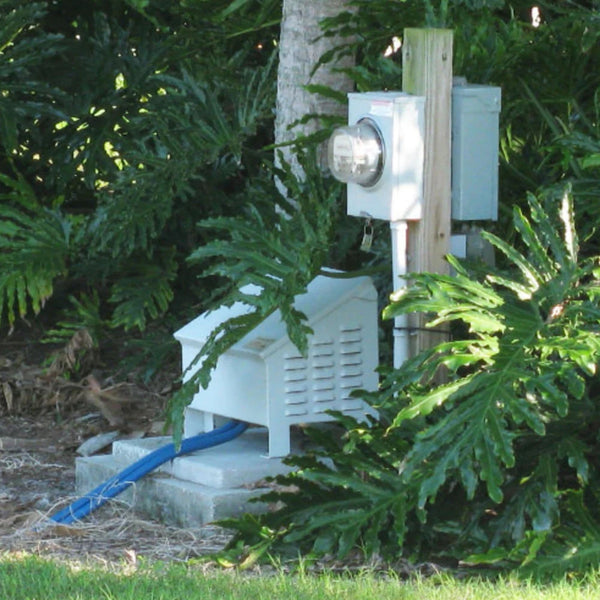
Outdoor Water Solutions TurboAir Solar Aeration System
from $5,695.00


 View product
Outdoor Water Solutions
1 1/2 to 1 HP
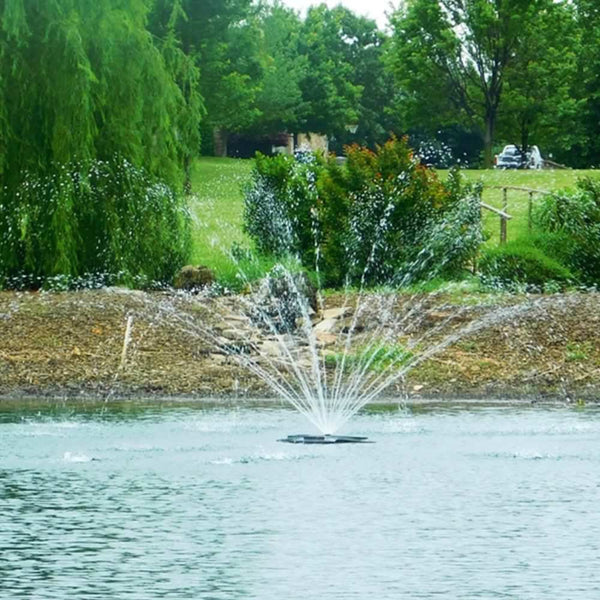
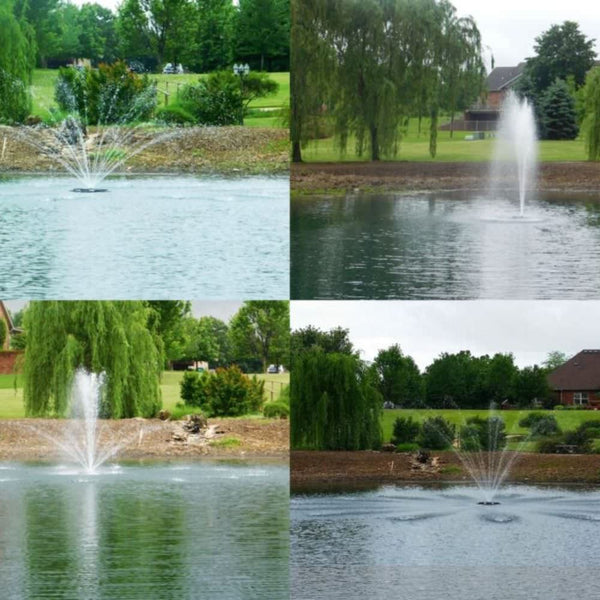
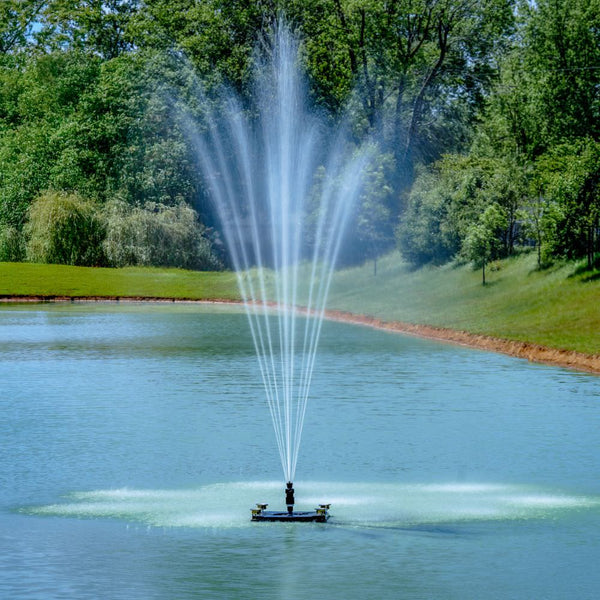
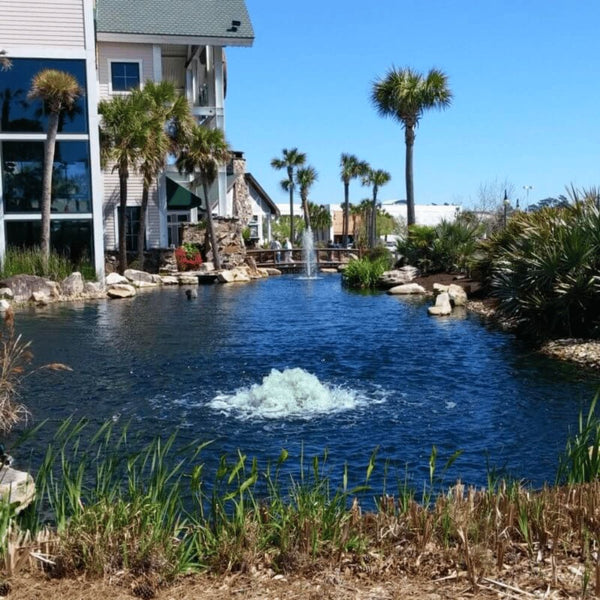
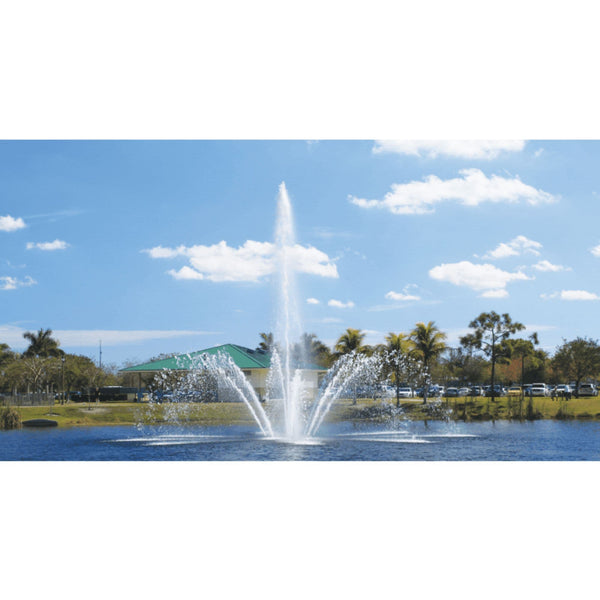
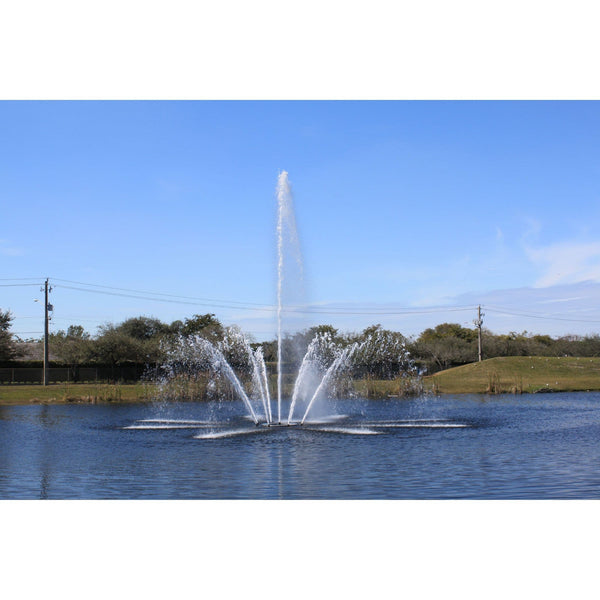
Outdoor Water Solutions Classic Series Electric Pond Fountain
from $3,095.00

 View product
Outdoor Water Solutions
2 options
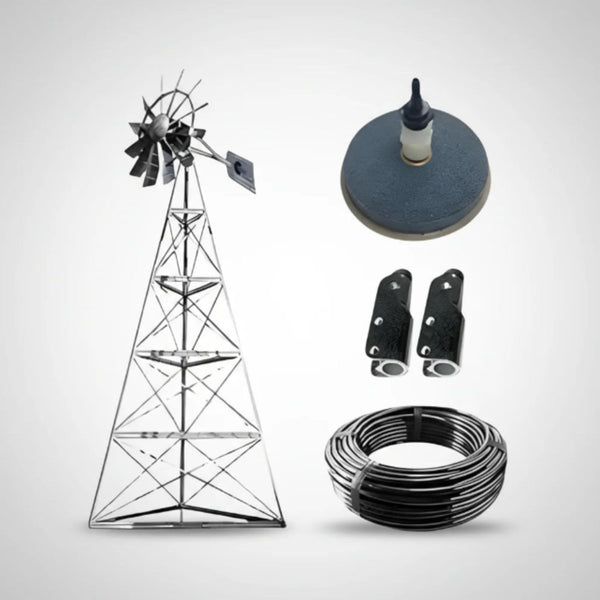
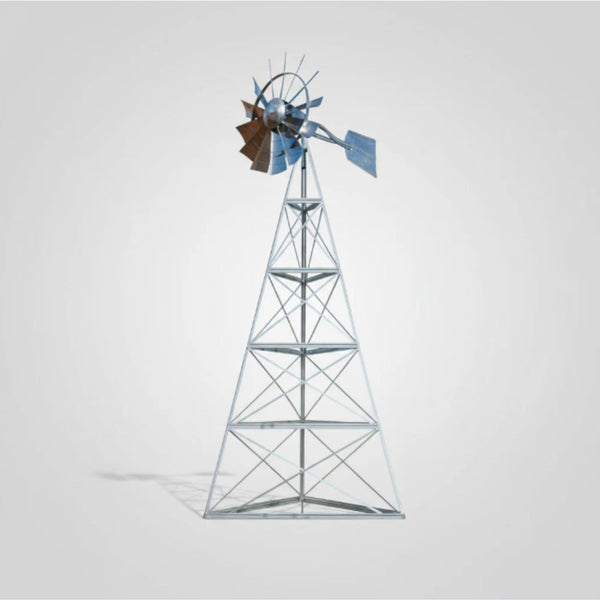
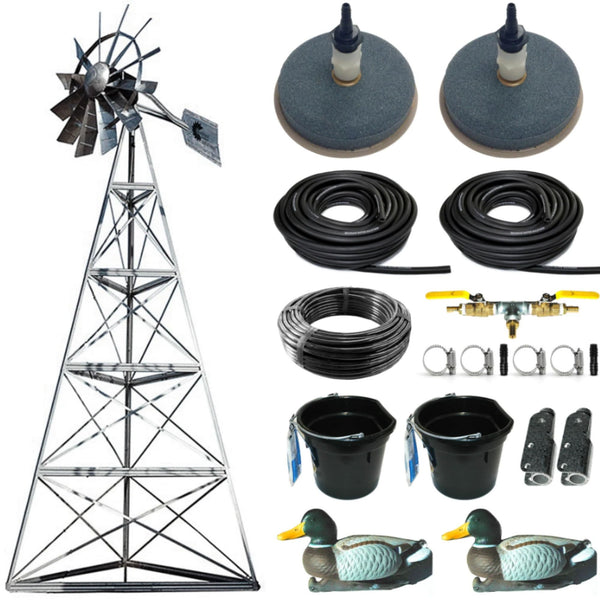
Outdoor Water Solutions Deluxe Windmill Pond Aerator
from $3,295.00
 View product

Vanguard Fountains and Aeration
6 options
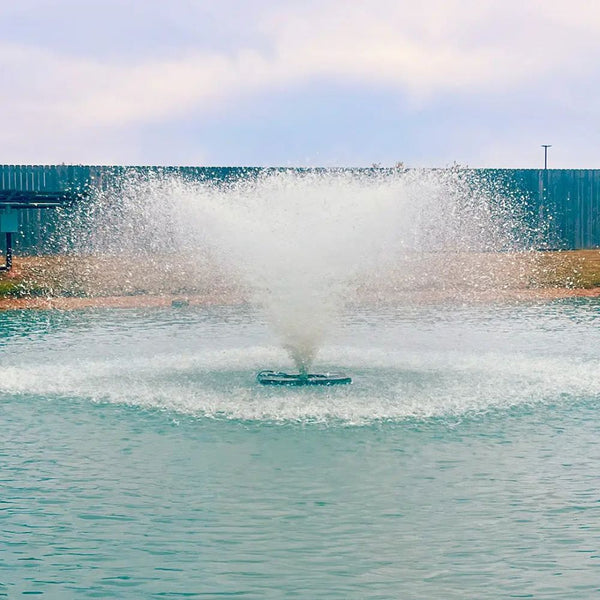
Vanguard Pond Spa Surface Aerator / De-Icer
from $1,079.10
 View product
Outdoor Water Solutions
1 to 5 HP
Outdoor Water Solutions Classic Series Electric Pond Aerator Fountain
from $3,095.00
 View product
Outdoor Water Solutions
2 options
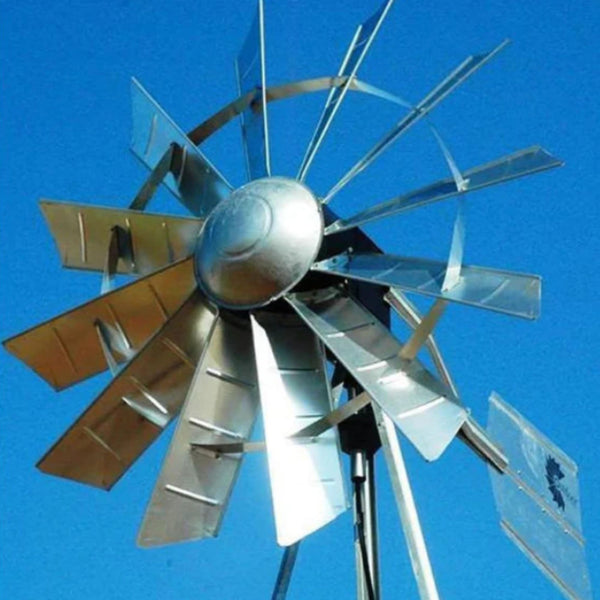
Outdoor Water Solutions Super Premier Windmill Pond Aerator
from $3,495.00
Pond aerators for healthier water
Start with acreage, depth, and power
Frequently Asked Questions
What does a pond aerator do?
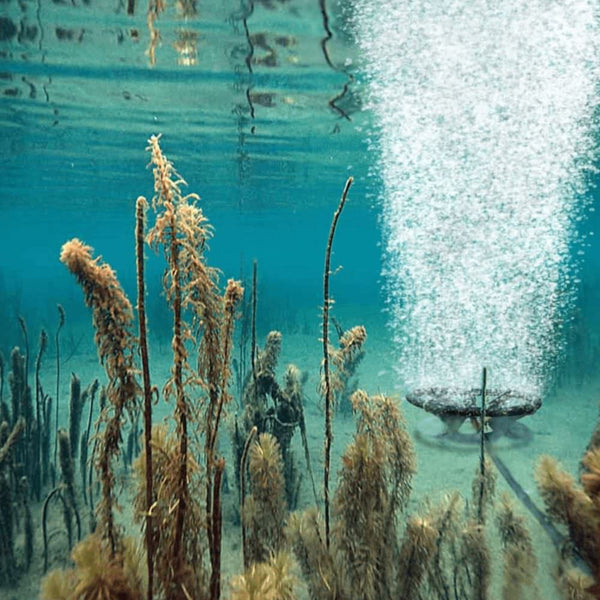
A pond aerator adds oxygen and circulation to pond or lake water. Most systems either move air through bottom diffusers or agitate the surface, which helps reduce stagnant zones, support fish, and improve gas exchange. If you are comparing aeration options, start with pond aerators.
What size pond aerator do I need?
The size pond aerator you need depends on surface acreage, average depth, max depth, fish load, pond shape, and power access. A 1-acre pond with 5-foot average depth may need a different setup than a 1-acre pond with 12-foot pockets, heavy fish load, or a long airline run. For deeper sizing help, see what size aerator do I need for my pond.
What is the best pond aerator for a 1-acre pond?
The best pond aerator for a 1-acre pond is usually a bottom-diffused system when the pond is 6 feet deep or more. For a shallow 1-acre pond, a surface or floating aerator may make more sense, especially when the goal is surface oxygen and visible movement. If you are shopping by pond size, see 1-acre pond aerators.
Are pond aerators good for fish?
Pond aerators are good for fish because they help maintain dissolved oxygen and reduce stagnant water. They matter most in warm weather, heavily stocked ponds, ponds with algae or muck, and ponds with prior low-oxygen problems. If the main concern is fish health, compare pond aeration systems before choosing a decorative fountain.
What is the difference between a diffused pond aerator and a floating pond aerator?
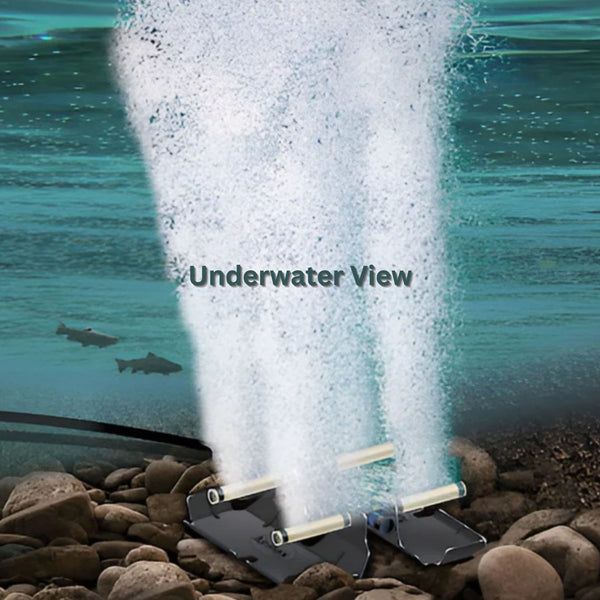
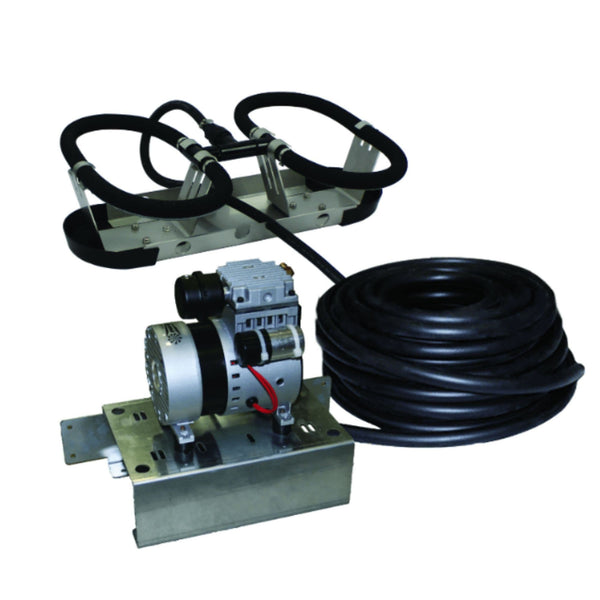
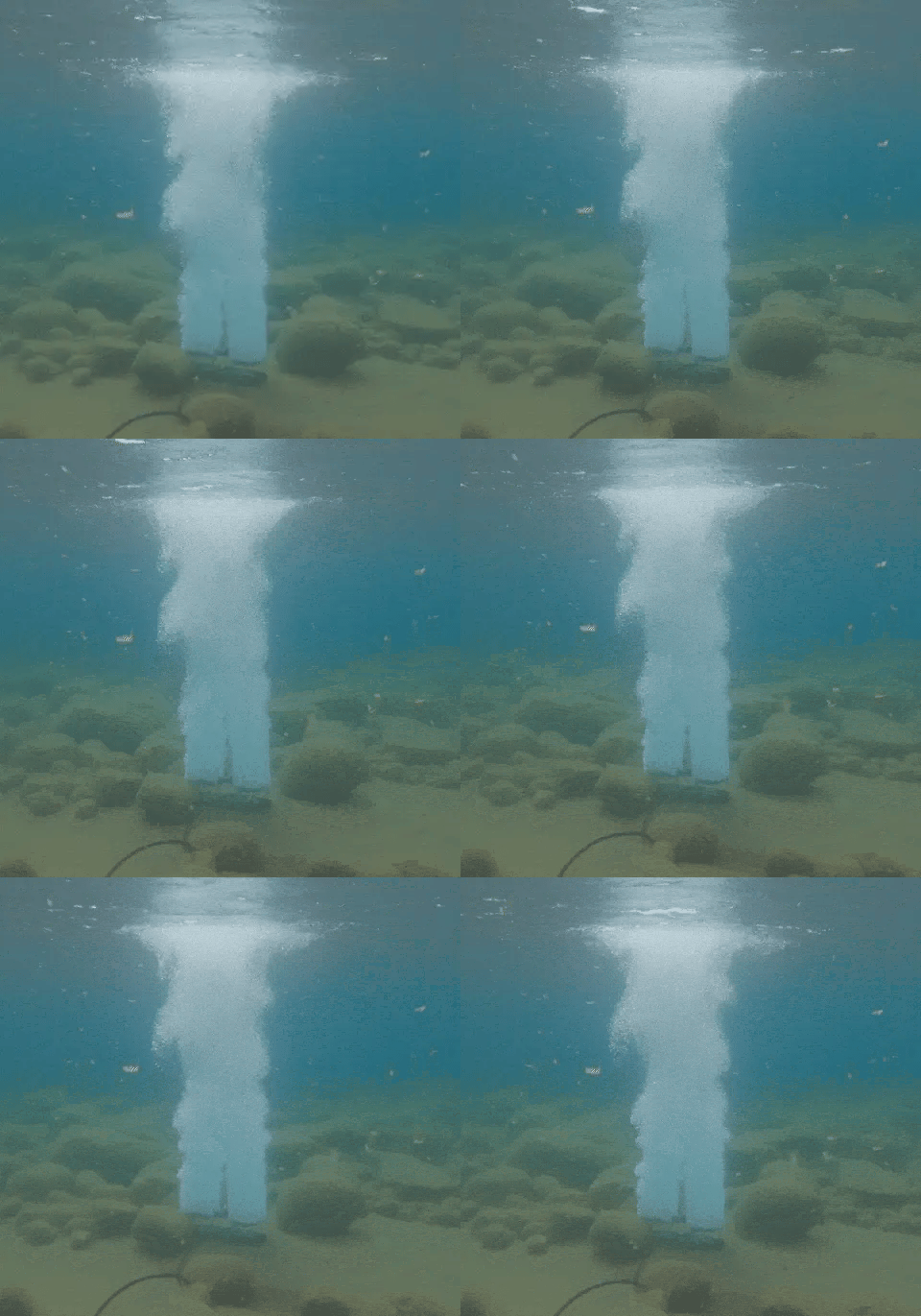
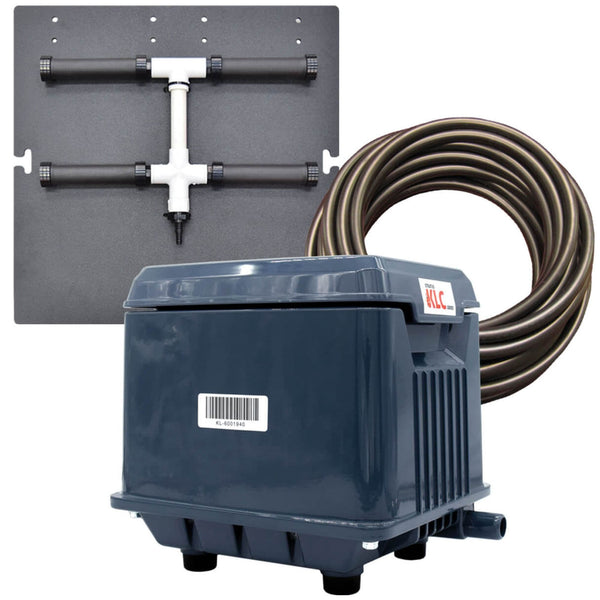
The difference between a diffused pond aerator and a floating pond aerator is where the aeration happens. A diffused system moves air from a shore-mounted compressor through weighted airline to bottom diffuser plates, while a floating aerator works at the surface and creates visible agitation. For bottom-up circulation, see subsurface pond air diffusers and aerators. For surface movement, see floating pond aerators.
Do I need a pond aerator or a pond fountain?
You need a pond aerator when water health and oxygen movement matter more than display. Choose a pond fountain when visible spray is the main goal, and consider diffused aeration if the pond is deep enough that surface spray will not move the full water column. For more detail, see pond aerator vs pond fountain.
Do pond aerators help with algae?
Pond aerators can help with algae by improving oxygen and circulation, but they are not a standalone algae treatment. Heavy nutrient load, muck, weeds, or recurring blooms may still need bacteria, dye, physical removal, or other pond supplies.
How long should a pond aerator run?
A pond aerator can run continuously when the system is sized correctly and the pond has been started gradually. If the pond has been stagnant, ramp up run time over several days instead of mixing the full water column at once. For more detail, see when to run pond aerator. In winter, diffused systems should be moved to shallower water or partially shut down — running deep aeration in freezing conditions can supercool the water column and stress or kill fish.
Can you over-aerate a pond?
You can over-aerate a pond if the system is oversized, poorly placed, or started too aggressively in stagnant water. The practical risk is shock-mixing low-oxygen bottom water, stirring soft sediment, or creating more turbulence than the pond needs. For a deeper explanation, see can you over-aerate a pond.
Can I use a pond aerator without electricity near the pond?
You can use a pond aerator without nearby electricity by choosing a solar pond aerator or windmill pond aerator. Solar systems depend on sunlight and battery setup, while windmill systems depend on wind exposure, tower placement, and diffuser layout. For remote ponds, compare solar pond aerators and windmill pond aerators.
Need expert help finding the right setup?
Contact Pond Haven Support